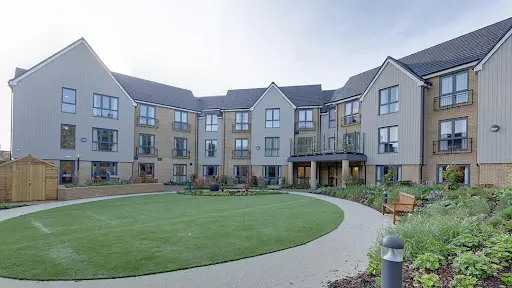
Ashurst Park Care Home
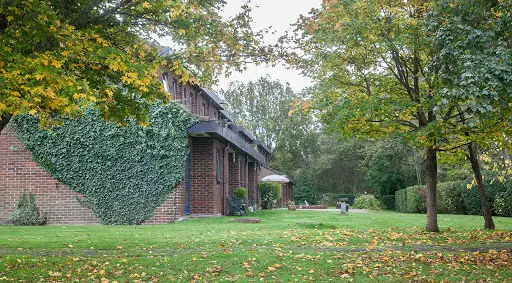
At a Glance
The information you need to decide whether this home warrants a closer look.
Nursing homes
Staff warmth score
of reviewers answered yes
Good to know
- Registered beds53
- SpecialismsCaring for adults over 65 yrs, Caring for adults under 65 yrs, Dementia, Mental health conditions, Physical disabilities
- Last inspected2021-09-23
Save Ashurst Park Care Home to your shortlist
Keep a running list, add visit notes, and compare homes side-by-side. Free account — it takes a minute.
STAGE 4 — RESEARCHING CARE HOMES
Visit homes. Compare them side by side. Choose with confidence.
Most of us will view care homes the way we view houses, impression, atmosphere, the feeling in the corridor. We go home, try to remember what we saw, and make a permanent decision from a blurred memory.

The DCC shortlist gives every home you visit a structured record: the same twelve questions, answered the same way, every time. When you’re ready to choose, pull any two homes side by side and compare them directly. Same criteria, same evidence, your notes and your scores.
The Evidence
What the review data, the inspection reports, and the dementia-care evidence base tell us about this home.
What families say
Families describe seeing their relatives become more settled and engaged after moving here, especially those who'd found other homes challenging. The atmosphere feels different — residents who'd become withdrawn elsewhere start joining in with activities again. Even those who spend more time in their rooms seem to build genuine connections with the carers who visit them regularly.
The eight family priority themes
- Staff warmth65
- Compassion & dignity65
- Cleanliness65
- Activities & engagement60
- Food quality60
- Healthcare65
- Management & leadership45
- Resident happiness60
What inspectors found
Inspected 2021-09-23
Is this home safe?
Is the care effective?
The effective domain was rated Good at the April 2025 inspection. This domain covers whether staff have the right training, whether care plans are detailed and kept up to date, whether residents have regular access to healthcare professionals, and whether food provision meets individual needs. The published summary does not include specific examples of care planning practice, dementia training content, or dietary arrangements. The Good rating indicates inspectors were broadly satisfied, but the level of detail available to families from the published summary is limited.Is this home caring?
The caring domain was rated Good at the April 2025 inspection. This domain covers how staff treat residents, whether dignity and privacy are respected, whether residents are supported to maintain independence, and how staff respond emotionally to residents' needs. No specific observations, quotes, or examples are available in the published summary. The Good rating indicates inspectors were satisfied with the overall standard of care interactions during the inspection visit.Is the home responsive?
The responsive domain was rated Good at the April 2025 inspection. This domain covers whether the home provides activities and engagement that reflect individual preferences, whether residents' cultural and personal backgrounds are recognised, and whether end-of-life care is well planned. Ashurst Park has a specialism in dementia, mental health conditions, and physical disabilities, which means the range of individual need in the home is significant. No specific activities, engagement programmes, or end-of-life arrangements are described in the published summary.Is the home well-led?
The well-led domain was rated Requires Improvement at the April 2025 inspection, which is the sole reason the home's overall rating is Requires Improvement. This domain covers leadership quality, governance systems, how the home responds to concerns, whether staff feel supported, and whether the home has a clear improvement culture. A registered manager, Mrs Jomina Gilles, is in post. The nominated individual is Mr Alan Goldstein of Bondcare (London) Limited. The specific reasons for the Requires Improvement rating are not detailed in the published summary available for this analysis. The full published report from August 2025 should contain this detail.
Source: CQC inspection report →
What the evidence base says
The home cares for adults both under and over 65, with particular experience in dementia, mental health conditions, and physical disabilities. The team works with residents whose dementia comes with challenging behaviours that other homes have struggled to support. Families report seeing meaningful changes in mood and engagement after their relatives settle in here. All areas worth probing directly during a visit.
The DCC Verdict
Our editorial view, built from the three lenses: what families tell us, what inspectors record, and how the home sits against good dementia-care practice.
DCC Family Score
Ashurst Park Care Home scores 62 out of 100. Four domains were rated Good at the April 2025 inspection, but leadership received a Requires Improvement rating and the individual domain scores are not yet detailed in the published report, which limits how specific this analysis can be.
Homes in South East typically score 68–82.The three-lens summary
What families tell us
Families describe seeing their relatives become more settled and engaged after moving here, especially those who'd found other homes challenging. The atmosphere feels different — residents who'd become withdrawn elsewhere start joining in with activities again. Even those who spend more time in their rooms seem to build genuine connections with the carers who visit them regularly.
What inspectors have recorded
The manager makes herself available to families, and most find communication flows well with regular updates and photos. Staff get to know residents as individuals, though it's worth noting that one family experienced serious concerns about how complex medical needs were handled. The home has weekly GP visits, and families generally feel their relatives receive attentive daily care.
How it sits against good practice
If you're looking for specialist dementia care in Tunbridge Wells, visiting Ashurst Park could help you understand whether their approach would suit your family member's needs.
Worth a visit
Ashurst Park Care Home, on Fordcombe Road near Tunbridge Wells, was assessed in April 2025 and the report was published in August 2025. Four of the five inspection domains, Safe, Effective, Caring, and Responsive, were rated Good. The overall rating is Requires Improvement solely because the well-led domain fell below the required standard. The home is registered with a named manager in post and is run by Bondcare (London) Limited. The Requires Improvement in leadership is the central concern for any family considering this home. Leadership quality directly affects everything else: how staff are supported, how concerns are escalated, whether care plans are updated, and whether the home learns when things go wrong. The full inspection report, published August 2025, should contain specific detail on what inspectors found lacking in governance. Read it carefully. On a visit, ask to speak with the registered manager Mrs Jomina Gilles directly, ask what has changed since the inspection, and request to see the improvement plan. The four Good ratings suggest day-to-day care is broadly sound, but leadership concerns mean this home deserves close scrutiny before you make a decision.
The three questions to ask when you visitSave this home. Compare it against your shortlist.
Let our analysis show you how Ashurst Park Care Home measures up against the other homes you’re considering. Free account.
In Their Own Words
How Ashurst Park Care Home describes itself — collected from its own website. DCC has not edited or independently verified the content in this tab.
Where complex dementia care meets fresh cooking and familiar faces
Ashurst Park Care Home – Expert Care in Tunbridge Wells
When someone you love needs specialist dementia care, finding the right environment matters deeply. Ashurst Park Care Home in Tunbridge Wells has become a place where families see real improvements in their relatives' wellbeing, particularly for those who've struggled in other settings. The home specialises in supporting people with dementia alongside mental health conditions and physical disabilities.
Who they care for
The home cares for adults both under and over 65, with particular experience in dementia, mental health conditions, and physical disabilities.
The team works with residents whose dementia comes with challenging behaviours that other homes have struggled to support. Families report seeing meaningful changes in mood and engagement after their relatives settle in here.
“If you're looking for specialist dementia care in Tunbridge Wells, visiting Ashurst Park could help you understand whether their approach would suit your family member's needs.”
DCC does not edit or curate content in this tab. For independently curated information, see The Evidence and DCC Verdict.
The DCC Verdict
Our editorial view, built from the three lenses: what families tell us, what inspectors record, and how the home sits against good dementia-care practice.
DCC Family Score
Ashurst Park Care Home scores 62 out of 100. Four domains were rated Good at the April 2025 inspection, but leadership received a Requires Improvement rating and the individual domain scores are not yet detailed in the published report, which limits how specific this analysis can be.
Homes in South East typically score 68–82.The three-lens summary
What families tell us
Families describe seeing their relatives become more settled and engaged after moving here, especially those who'd found other homes challenging. The atmosphere feels different — residents who'd become withdrawn elsewhere start joining in with activities again. Even those who spend more time in their rooms seem to build genuine connections with the carers who visit them regularly.
What inspectors have recorded
The manager makes herself available to families, and most find communication flows well with regular updates and photos. Staff get to know residents as individuals, though it's worth noting that one family experienced serious concerns about how complex medical needs were handled. The home has weekly GP visits, and families generally feel their relatives receive attentive daily care.
How it sits against good practice
If you're looking for specialist dementia care in Tunbridge Wells, visiting Ashurst Park could help you understand whether their approach would suit your family member's needs.
Worth a visit
Ashurst Park Care Home, on Fordcombe Road near Tunbridge Wells, was assessed in April 2025 and the report was published in August 2025. Four of the five inspection domains, Safe, Effective, Caring, and Responsive, were rated Good. The overall rating is Requires Improvement solely because the well-led domain fell below the required standard. The home is registered with a named manager in post and is run by Bondcare (London) Limited. The Requires Improvement in leadership is the central concern for any family considering this home. Leadership quality directly affects everything else: how staff are supported, how concerns are escalated, whether care plans are updated, and whether the home learns when things go wrong. The full inspection report, published August 2025, should contain specific detail on what inspectors found lacking in governance. Read it carefully. On a visit, ask to speak with the registered manager Mrs Jomina Gilles directly, ask what has changed since the inspection, and request to see the improvement plan. The four Good ratings suggest day-to-day care is broadly sound, but leadership concerns mean this home deserves close scrutiny before you make a decision.
The three questions to ask when you visitSave this home. Compare it against your shortlist.
Let our analysis show you how Ashurst Park Care Home measures up against the other homes you’re considering. Free account.
In Their Own Words
How Ashurst Park Care Home describes itself — collected from its own website. DCC has not edited or independently verified the content in this tab.
Where complex dementia care meets fresh cooking and familiar faces
Ashurst Park Care Home – Expert Care in Tunbridge Wells
When someone you love needs specialist dementia care, finding the right environment matters deeply. Ashurst Park Care Home in Tunbridge Wells has become a place where families see real improvements in their relatives' wellbeing, particularly for those who've struggled in other settings. The home specialises in supporting people with dementia alongside mental health conditions and physical disabilities.
Who they care for
The home cares for adults both under and over 65, with particular experience in dementia, mental health conditions, and physical disabilities.
The team works with residents whose dementia comes with challenging behaviours that other homes have struggled to support. Families report seeing meaningful changes in mood and engagement after their relatives settle in here.
Management & ethos
The manager makes herself available to families, and most find communication flows well with regular updates and photos. Staff get to know residents as individuals, though it's worth noting that one family experienced serious concerns about how complex medical needs were handled. The home has weekly GP visits, and families generally feel their relatives receive attentive daily care.
The home & environment
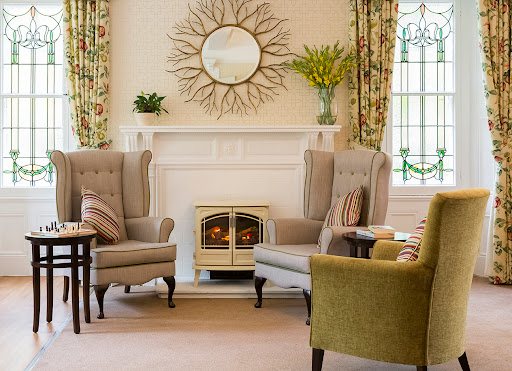
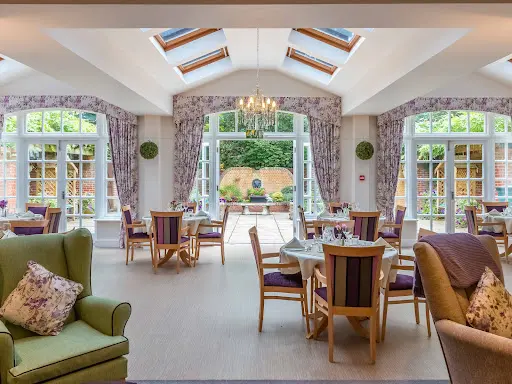
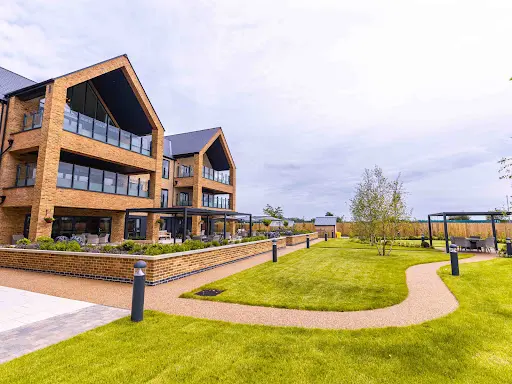
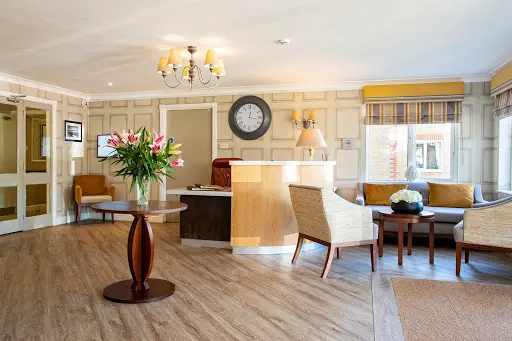
The kitchen prepares everything fresh daily, and families often mention how much better the food is compared to other homes they've experienced. The whole building stays clean and fresh-smelling, which visitors particularly appreciate. There's entertainment throughout the week, from music and dancing to organised trips out, giving residents variety in their days.
“If you're looking for specialist dementia care in Tunbridge Wells, visiting Ashurst Park could help you understand whether their approach would suit your family member's needs.”
DCC does not edit or curate content in this tab. For independently curated information, see The Evidence and DCC Verdict.