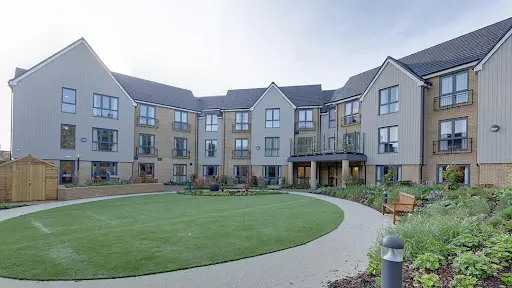
Tunbridge Wells Care Centre

At a Glance
The information you need to decide whether this home warrants a closer look.
Nursing homes
Staff warmth score
of reviewers answered yes
Good to know
- Registered beds70
- SpecialismsCaring for adults over 65 yrs, Caring for adults under 65 yrs, Dementia, Physical disabilities, Sensory impairment
- Last inspected2019-08-28
Save Tunbridge Wells Care Centre to your shortlist
Keep a running list, add visit notes, and compare homes side-by-side. Free account — it takes a minute.
STAGE 4 — RESEARCHING CARE HOMES
Visit homes. Compare them side by side. Choose with confidence.
Most of us will view care homes the way we view houses, impression, atmosphere, the feeling in the corridor. We go home, try to remember what we saw, and make a permanent decision from a blurred memory.

The DCC shortlist gives every home you visit a structured record: the same twelve questions, answered the same way, every time. When you’re ready to choose, pull any two homes side by side and compare them directly. Same criteria, same evidence, your notes and your scores.
The Evidence
What the review data, the inspection reports, and the dementia-care evidence base tell us about this home.
What families say
Families describe walking into a genuinely welcoming atmosphere, where staff across every department — from reception to nursing teams — greet visitors with real friendliness. The warmth extends beyond pleasantries; relatives talk about feeling emotionally supported, particularly during difficult times when their loved ones were nearing the end of life.
The eight family priority themes
- Staff warmth55
- Compassion & dignity55
- Cleanliness55
- Activities & engagement50
- Food quality50
- Healthcare55
- Management & leadership60
- Resident happiness55
What inspectors found
Inspected 2019-08-28
Is this home safe?
Is the care effective?
The home was rated Good for effectiveness at its March 2021 inspection. No specific evidence is published about care plan quality, GP access, dementia training, or food and nutrition. The home lists dementia, physical disabilities, and sensory impairment as specialisms, which implies that relevant training and care planning should be in place, but the inspection text does not confirm this with examples or observations.Is this home caring?
The home was rated Good for caring at its March 2021 inspection. No inspector observations of staff interactions, no resident quotes, and no relative feedback are recorded in the published report. This is the domain families weight most heavily in our review data, and the absence of specific evidence here is the single biggest gap in what the inspection tells you.Is the home responsive?
The home was rated Good for responsiveness at its March 2021 inspection. No specific detail is published about the activities programme, individual engagement for people with advanced dementia, how complaints are handled, or end-of-life care planning. The home is registered for people with dementia, physical disabilities, and sensory impairment, all of which require tailored rather than generic responses to individual needs.Is the home well-led?
The home was rated Good for leadership at its March 2021 inspection. A registered manager (Mrs Donna Shane Barks) and a nominated individual (Mr Christopher David Ridgard) are named in the report, confirming a formal leadership structure. A monitoring review in July 2023 found no evidence requiring a change to the rating. No specific observations about management visibility, staff culture, or governance processes are recorded in the published text.
Source: CQC inspection report →
What the evidence base says
The centre specialises in complex nursing needs including physical disabilities and sensory impairments, welcoming both younger adults under 65 and older residents. Their experience with end-of-life care stands out, with families particularly noting the compassionate support provided during final days. For residents living with dementia, the centre provides specialised nursing care as part of their broader support for people with complex health needs. The combination of clinical expertise and emotional understanding helps families navigate the challenging journey of dementia care. All areas worth probing directly during a visit.
The DCC Verdict
Our editorial view, built from the three lenses: what families tell us, what inspectors record, and how the home sits against good dementia-care practice.
DCC Family Score
Tunbridge Wells Care Centre holds a Good rating across all five inspection domains, but the published report is brief and contains very little specific observational detail, which limits confidence in any individual area. The scores reflect a broadly positive but evidence-thin picture.
Homes in South East typically score 68–82.The three-lens summary
What families tell us
Families describe walking into a genuinely welcoming atmosphere, where staff across every department — from reception to nursing teams — greet visitors with real friendliness. The warmth extends beyond pleasantries; relatives talk about feeling emotionally supported, particularly during difficult times when their loved ones were nearing the end of life.
What inspectors have recorded
The nursing team draws particular praise for maintaining professional clinical standards while staying approachable and kind. However, families note that the quality of care can shift noticeably between different staff members and shifts, with some team members showing deeper understanding of care needs than others. Management appears willing to listen when families raise concerns, though their effectiveness in addressing issues seems to vary.
How it sits against good practice
If you're considering Tunbridge Wells Care Centre, visiting during different times might help you get a fuller picture of what daily life looks like there.
Worth a visit
Tunbridge Wells Care Centre, a 70-bed nursing home on Upper Grosvenor Road in Tunbridge Wells, was rated Good across all five inspection domains at its last full inspection in March 2021. A monitoring review in July 2023 found no evidence to change that rating. The home cares for older adults, people living with dementia, people with physical disabilities, and people with sensory impairments. A named registered manager and nominated individual are confirmed in the report. The honest limitation here is that the published inspection report contains very little specific observational detail: no direct quotes from residents or relatives, no staff interaction observations, and no specifics on food, activities, staffing ratios, or the physical environment. A Good rating is a positive signal, but it is now several years old and the supporting evidence visible to families is thin. Before making a decision, visit in person during the late afternoon when day and evening staffing overlap, ask to see last week's actual staffing rota (not the template), and ask specifically how the home supports people living with dementia day to day.
The three questions to ask when you visitSave this home. Compare it against your shortlist.
Let our analysis show you how Tunbridge Wells Care Centre measures up against the other homes you’re considering. Free account.
In Their Own Words
How Tunbridge Wells Care Centre describes itself — collected from its own website. DCC has not edited or independently verified the content in this tab.
Where kindness meets professional nursing when families need it most
Tunbridge Wells – Expert Care in Tunbridge Wells
When you're facing difficult decisions about care, you need somewhere that understands what truly matters. Tunbridge Wells Care Centre in the heart of Tunbridge Wells provides nursing care for people with physical disabilities, sensory impairments and dementia, with a particular strength in supporting residents and their families through end-of-life journeys. The centre welcomes adults of all ages, creating a supportive environment where clinical expertise combines with genuine warmth.
Who they care for
The centre specialises in complex nursing needs including physical disabilities and sensory impairments, welcoming both younger adults under 65 and older residents. Their experience with end-of-life care stands out, with families particularly noting the compassionate support provided during final days.
For residents living with dementia, the centre provides specialised nursing care as part of their broader support for people with complex health needs. The combination of clinical expertise and emotional understanding helps families navigate the challenging journey of dementia care.
“If you're considering Tunbridge Wells Care Centre, visiting during different times might help you get a fuller picture of what daily life looks like there.”
DCC does not edit or curate content in this tab. For independently curated information, see The Evidence and DCC Verdict.
The DCC Verdict
Our editorial view, built from the three lenses: what families tell us, what inspectors record, and how the home sits against good dementia-care practice.
DCC Family Score
Tunbridge Wells Care Centre holds a Good rating across all five inspection domains, but the published report is brief and contains very little specific observational detail, which limits confidence in any individual area. The scores reflect a broadly positive but evidence-thin picture.
Homes in South East typically score 68–82.The three-lens summary
What families tell us
Families describe walking into a genuinely welcoming atmosphere, where staff across every department — from reception to nursing teams — greet visitors with real friendliness. The warmth extends beyond pleasantries; relatives talk about feeling emotionally supported, particularly during difficult times when their loved ones were nearing the end of life.
What inspectors have recorded
The nursing team draws particular praise for maintaining professional clinical standards while staying approachable and kind. However, families note that the quality of care can shift noticeably between different staff members and shifts, with some team members showing deeper understanding of care needs than others. Management appears willing to listen when families raise concerns, though their effectiveness in addressing issues seems to vary.
How it sits against good practice
If you're considering Tunbridge Wells Care Centre, visiting during different times might help you get a fuller picture of what daily life looks like there.
Worth a visit
Tunbridge Wells Care Centre, a 70-bed nursing home on Upper Grosvenor Road in Tunbridge Wells, was rated Good across all five inspection domains at its last full inspection in March 2021. A monitoring review in July 2023 found no evidence to change that rating. The home cares for older adults, people living with dementia, people with physical disabilities, and people with sensory impairments. A named registered manager and nominated individual are confirmed in the report. The honest limitation here is that the published inspection report contains very little specific observational detail: no direct quotes from residents or relatives, no staff interaction observations, and no specifics on food, activities, staffing ratios, or the physical environment. A Good rating is a positive signal, but it is now several years old and the supporting evidence visible to families is thin. Before making a decision, visit in person during the late afternoon when day and evening staffing overlap, ask to see last week's actual staffing rota (not the template), and ask specifically how the home supports people living with dementia day to day.
The three questions to ask when you visitSave this home. Compare it against your shortlist.
Let our analysis show you how Tunbridge Wells Care Centre measures up against the other homes you’re considering. Free account.
In Their Own Words
How Tunbridge Wells Care Centre describes itself — collected from its own website. DCC has not edited or independently verified the content in this tab.
Where kindness meets professional nursing when families need it most
Tunbridge Wells – Expert Care in Tunbridge Wells
When you're facing difficult decisions about care, you need somewhere that understands what truly matters. Tunbridge Wells Care Centre in the heart of Tunbridge Wells provides nursing care for people with physical disabilities, sensory impairments and dementia, with a particular strength in supporting residents and their families through end-of-life journeys. The centre welcomes adults of all ages, creating a supportive environment where clinical expertise combines with genuine warmth.
Who they care for
The centre specialises in complex nursing needs including physical disabilities and sensory impairments, welcoming both younger adults under 65 and older residents. Their experience with end-of-life care stands out, with families particularly noting the compassionate support provided during final days.
For residents living with dementia, the centre provides specialised nursing care as part of their broader support for people with complex health needs. The combination of clinical expertise and emotional understanding helps families navigate the challenging journey of dementia care.
Management & ethos
The nursing team draws particular praise for maintaining professional clinical standards while staying approachable and kind. However, families note that the quality of care can shift noticeably between different staff members and shifts, with some team members showing deeper understanding of care needs than others. Management appears willing to listen when families raise concerns, though their effectiveness in addressing issues seems to vary.
The home & environment
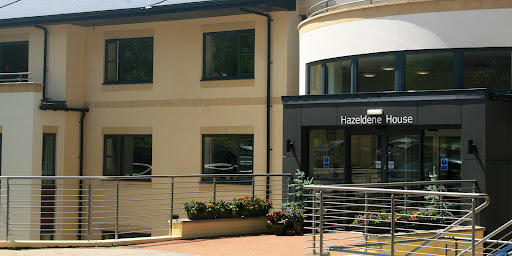
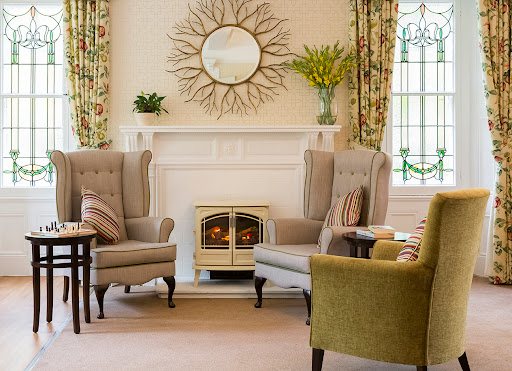
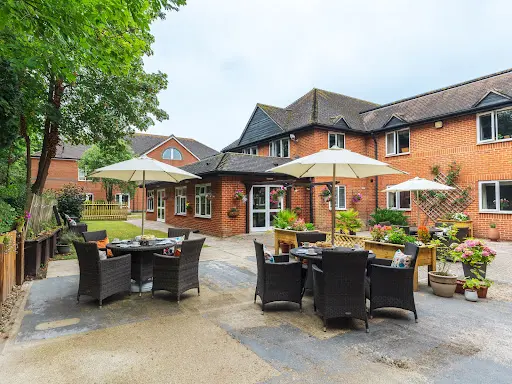
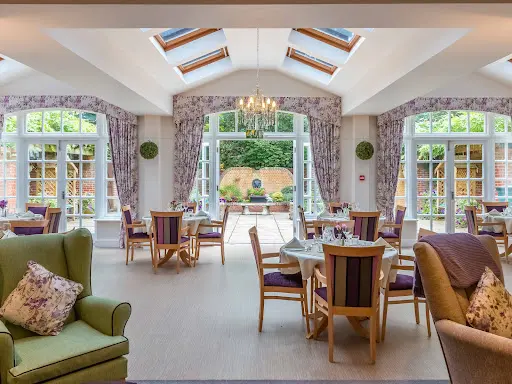
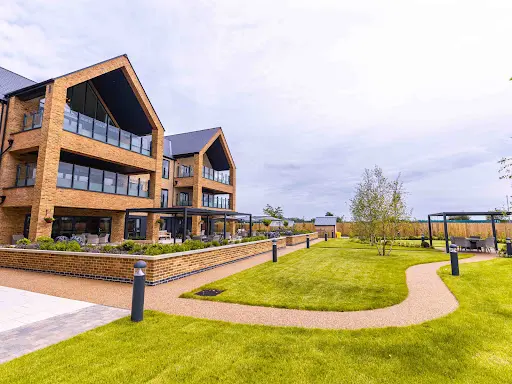
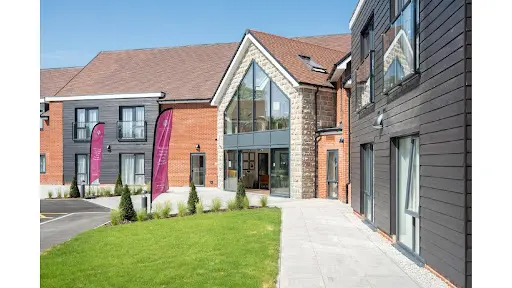
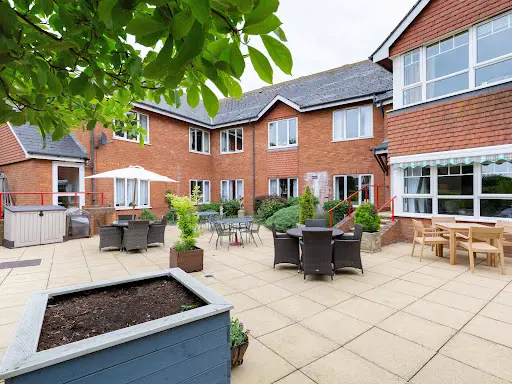
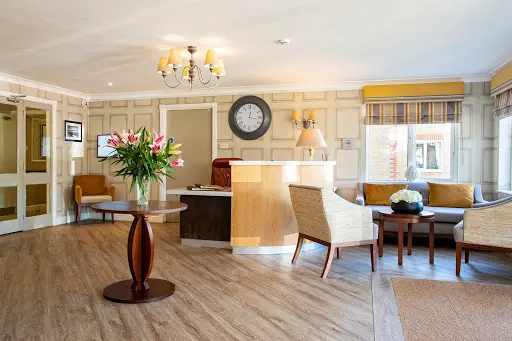
The building itself catches the eye, though some bedrooms feel smaller than families might expect for the care quality provided. While the physical spaces might feel a bit dated in places, what happens within them — the actual care and attention — tends to matter more to families than the décor.
“If you're considering Tunbridge Wells Care Centre, visiting during different times might help you get a fuller picture of what daily life looks like there.”
DCC does not edit or curate content in this tab. For independently curated information, see The Evidence and DCC Verdict.