Barchester – Winchester House Care Home
At a Glance
The information you need to decide whether this home warrants a closer look.
Nursing homes
Staff warmth score
of reviewers answered yes
Good to know
- Registered beds123
- SpecialismsCaring for adults over 65 yrs, Caring for adults under 65 yrs, Dementia, Physical disabilities
- Last inspected2021-08-20
Save Barchester – Winchester House Care Home to your shortlist
Keep a running list, add visit notes, and compare homes side-by-side. Free account — it takes a minute.
STAGE 4 — RESEARCHING CARE HOMES
Visit homes. Compare them side by side. Choose with confidence.
Most of us will view care homes the way we view houses, impression, atmosphere, the feeling in the corridor. We go home, try to remember what we saw, and make a permanent decision from a blurred memory.

The DCC shortlist gives every home you visit a structured record: the same twelve questions, answered the same way, every time. When you’re ready to choose, pull any two homes side by side and compare them directly. Same criteria, same evidence, your notes and your scores.
The Evidence
What the review data, the inspection reports, and the dementia-care evidence base tell us about this home.
What families say
The warmth here strikes visitors immediately. Staff greet everyone by name and remember the little things that matter to residents and their families. People talk about how the team's patience during those first uncertain weeks helps residents find their confidence again. It's the kind of place where someone who's been quiet and withdrawn might surprise everyone by joining in activities after gentle encouragement.
The eight family priority themes
- Staff warmth52
- Compassion & dignity48
- Cleanliness60
- Activities & engagement48
- Food quality50
- Healthcare52
- Management & leadership70
- Resident happiness52
What inspectors found
Inspected 2021-08-20
Is this home safe?
Is the care effective?
The Effective domain was rated Requires Improvement at the July 2021 inspection. This domain covers whether staff have the right training, whether care plans are detailed and up to date, whether residents have access to healthcare professionals such as GPs and dietitians, and whether food and hydration needs are well managed. The published report does not specify which of these areas fell short. For a home specialising in dementia and nursing care across 123 beds, a Requires Improvement here is significant.Is this home caring?
The Caring domain was rated Requires Improvement at the July 2021 inspection. This domain covers how kind and respectful staff are, whether residents' dignity and privacy are protected, and whether people are supported to maintain their independence. A Requires Improvement in Caring is one of the most significant findings a family can encounter, as it reflects the quality of human interaction rather than procedural compliance. The published report does not contain specific observations or quotes to explain what was found lacking.Is the home responsive?
The Responsive domain was rated Requires Improvement at the July 2021 inspection. This domain covers whether the home provides activities and engagement tailored to individuals, whether it responds to complaints, and whether end-of-life care is planned in advance. For a home with dementia as a listed specialism, responsiveness to individual needs is particularly important, as people with dementia often cannot advocate for themselves when activities or routines do not suit them. The published report contains no specific findings or examples.Is the home well-led?
The Well-led domain was rated Good at the July 2021 inspection. This indicates that inspectors were satisfied with the management structure, governance systems, and the overall culture of the home at that time. A named registered manager, Mrs Lizabeth Burchell, was in post, alongside a nominated individual, Mr Dominic Jude Kay. The home had previously been rated Requires Improvement, and maintaining a Good in Well-led across inspections suggests some consistency in leadership. The published report does not include specific observations about management visibility or staff culture.
Source: CQC inspection report →
What the evidence base says
Winchester House cares for adults of all ages with physical disabilities and those living with dementia. They offer both respite and permanent placements, adapting their support as people's needs change. The team shows particular skill in dementia care. They understand that moving somewhere new can be especially unsettling, so they focus on creating familiar routines and finding ways to help each person feel secure and valued. All areas worth probing directly during a visit.
The DCC Verdict
Our editorial view, built from the three lenses: what families tell us, what inspectors record, and how the home sits against good dementia-care practice.
DCC Family Score
Winchester House has improved from Requires Improvement to a mixed picture, with Good ratings for safety and leadership but Requires Improvement in caring, effectiveness, and responsiveness. The overall family score of 62 reflects a home moving in the right direction but with significant gaps that directly affect your parent's daily experience.
Homes in South East typically score 68–82.The three-lens summary
What families tell us
The warmth here strikes visitors immediately. Staff greet everyone by name and remember the little things that matter to residents and their families. People talk about how the team's patience during those first uncertain weeks helps residents find their confidence again. It's the kind of place where someone who's been quiet and withdrawn might surprise everyone by joining in activities after gentle encouragement.
What inspectors have recorded
Communication stands out as a real strength here. Families hear regularly about how their loved one spent their day — not just the basics, but the moments that matter. Staff notice when someone tries something new or has a particularly good morning. This openness helps families feel connected even when they can't visit as often as they'd like.
How it sits against good practice
Sometimes the smallest gestures reveal the most about a place — like staff remembering how someone takes their tea, or noticing when they're ready to try something new.
Worth a visit
Winchester House, at 180 Wouldham Road, Rochester, was rated Good overall at its last inspection in July 2021, an improvement on its previous Requires Improvement rating. The inspection found that safety and leadership met the Good standard, with a registered manager in post and governance systems operating. However, three of the five inspection domains, covering how effective care is, how kind and respectful staff are, and how well the home responds to individual needs, were rated Requires Improvement. That is an unusual and important combination for families to understand. The published inspection report contains very limited narrative detail, which makes it difficult to assess the specifics behind each rating. The improvement trend is a genuine positive signal, but the three Requires Improvement domains cover the areas families care about most: staff warmth, dignity, activities, and care planning. Before you make a decision, ask the manager what specific changes were made after the 2021 inspection, whether a re-inspection has taken place since August 2021, and request to see the most recent quality improvement plan. Observe how staff interact with your parent during a visit, particularly whether they are unhurried and use your parent's preferred name.
The three questions to ask when you visitSave this home. Compare it against your shortlist.
Let our analysis show you how Barchester – Winchester House Care Home measures up against the other homes you’re considering. Free account.
In Their Own Words
How Barchester – Winchester House Care Home describes itself — collected from its own website. DCC has not edited or independently verified the content in this tab.
Where patience and understanding help families through difficult transitions
Nursing home in Rochester: True Peace of Mind
When someone you love needs specialist care, finding the right place feels overwhelming. Winchester House in Rochester understands this deeply. The care team here has built their reputation on helping residents settle in at their own pace, whether they're staying for respite care or making this their permanent home. Families often mention how staff take time to learn what makes each person tick.
Who they care for
Winchester House cares for adults of all ages with physical disabilities and those living with dementia. They offer both respite and permanent placements, adapting their support as people's needs change.
The team shows particular skill in dementia care. They understand that moving somewhere new can be especially unsettling, so they focus on creating familiar routines and finding ways to help each person feel secure and valued.
“Sometimes the smallest gestures reveal the most about a place — like staff remembering how someone takes their tea, or noticing when they're ready to try something new.”
DCC does not edit or curate content in this tab. For independently curated information, see The Evidence and DCC Verdict.
The DCC Verdict
Our editorial view, built from the three lenses: what families tell us, what inspectors record, and how the home sits against good dementia-care practice.
DCC Family Score
Winchester House has improved from Requires Improvement to a mixed picture, with Good ratings for safety and leadership but Requires Improvement in caring, effectiveness, and responsiveness. The overall family score of 62 reflects a home moving in the right direction but with significant gaps that directly affect your parent's daily experience.
Homes in South East typically score 68–82.The three-lens summary
What families tell us
The warmth here strikes visitors immediately. Staff greet everyone by name and remember the little things that matter to residents and their families. People talk about how the team's patience during those first uncertain weeks helps residents find their confidence again. It's the kind of place where someone who's been quiet and withdrawn might surprise everyone by joining in activities after gentle encouragement.
What inspectors have recorded
Communication stands out as a real strength here. Families hear regularly about how their loved one spent their day — not just the basics, but the moments that matter. Staff notice when someone tries something new or has a particularly good morning. This openness helps families feel connected even when they can't visit as often as they'd like.
How it sits against good practice
Sometimes the smallest gestures reveal the most about a place — like staff remembering how someone takes their tea, or noticing when they're ready to try something new.
Worth a visit
Winchester House, at 180 Wouldham Road, Rochester, was rated Good overall at its last inspection in July 2021, an improvement on its previous Requires Improvement rating. The inspection found that safety and leadership met the Good standard, with a registered manager in post and governance systems operating. However, three of the five inspection domains, covering how effective care is, how kind and respectful staff are, and how well the home responds to individual needs, were rated Requires Improvement. That is an unusual and important combination for families to understand. The published inspection report contains very limited narrative detail, which makes it difficult to assess the specifics behind each rating. The improvement trend is a genuine positive signal, but the three Requires Improvement domains cover the areas families care about most: staff warmth, dignity, activities, and care planning. Before you make a decision, ask the manager what specific changes were made after the 2021 inspection, whether a re-inspection has taken place since August 2021, and request to see the most recent quality improvement plan. Observe how staff interact with your parent during a visit, particularly whether they are unhurried and use your parent's preferred name.
The three questions to ask when you visitSave this home. Compare it against your shortlist.
Let our analysis show you how Barchester – Winchester House Care Home measures up against the other homes you’re considering. Free account.
In Their Own Words
How Barchester – Winchester House Care Home describes itself — collected from its own website. DCC has not edited or independently verified the content in this tab.
Where patience and understanding help families through difficult transitions
Nursing home in Rochester: True Peace of Mind
When someone you love needs specialist care, finding the right place feels overwhelming. Winchester House in Rochester understands this deeply. The care team here has built their reputation on helping residents settle in at their own pace, whether they're staying for respite care or making this their permanent home. Families often mention how staff take time to learn what makes each person tick.
Who they care for
Winchester House cares for adults of all ages with physical disabilities and those living with dementia. They offer both respite and permanent placements, adapting their support as people's needs change.
The team shows particular skill in dementia care. They understand that moving somewhere new can be especially unsettling, so they focus on creating familiar routines and finding ways to help each person feel secure and valued.
Management & ethos
Communication stands out as a real strength here. Families hear regularly about how their loved one spent their day — not just the basics, but the moments that matter. Staff notice when someone tries something new or has a particularly good morning. This openness helps families feel connected even when they can't visit as often as they'd like.
The home & environment
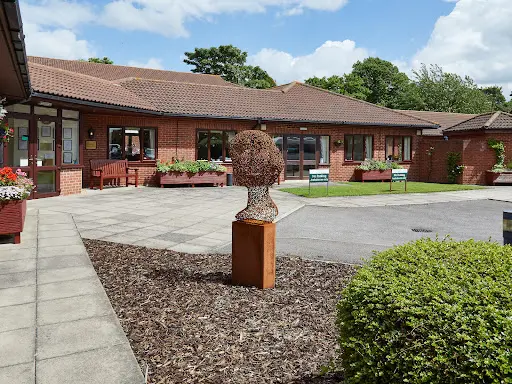
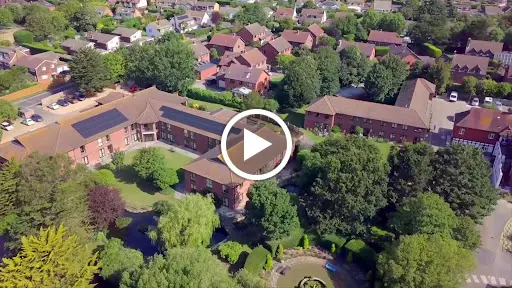
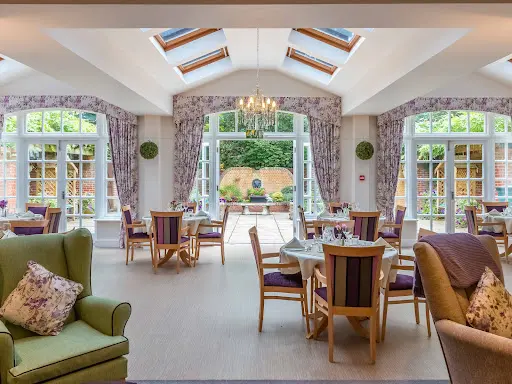
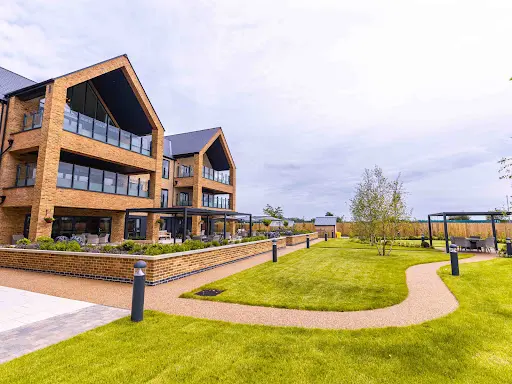
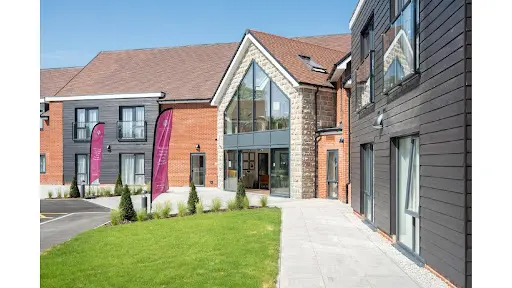
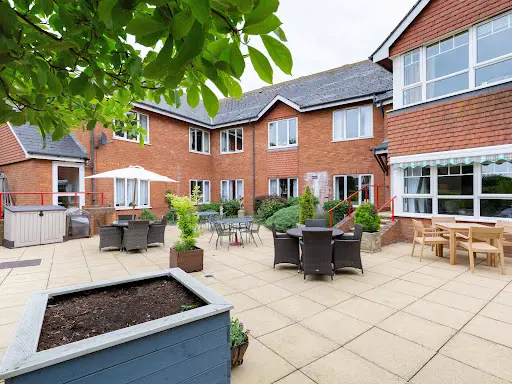
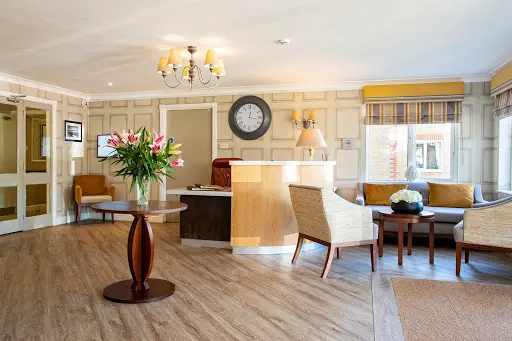
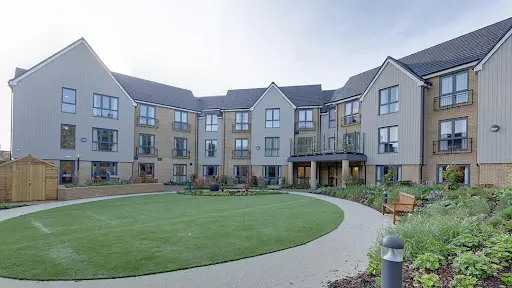
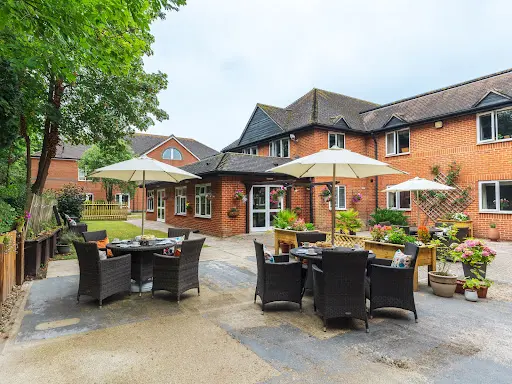
The home keeps everything spotless without feeling clinical. Dining rooms and lounges are furnished comfortably, with secure outdoor spaces for those who enjoy fresh air. Menus change daily with proper choice at mealtimes, and residents seem genuinely pleased with the food. The reception café provides a pleasant spot for visits, though some families mention they'd appreciate a bit more room there.
“Sometimes the smallest gestures reveal the most about a place — like staff remembering how someone takes their tea, or noticing when they're ready to try something new.”
DCC does not edit or curate content in this tab. For independently curated information, see The Evidence and DCC Verdict.