Barchester – Emily Jackson House Care Home
At a Glance
The information you need to decide whether this home warrants a closer look.
Nursing homes
Staff warmth score
of reviewers answered yes
Good to know
- Registered beds55
- SpecialismsCaring for adults over 65 yrs, Dementia, Physical disabilities
- Last inspected2019-01-24
Save Barchester – Emily Jackson House Care Home to your shortlist
Keep a running list, add visit notes, and compare homes side-by-side. Free account — it takes a minute.
STAGE 4 — RESEARCHING CARE HOMES
Visit homes. Compare them side by side. Choose with confidence.
Most of us will view care homes the way we view houses, impression, atmosphere, the feeling in the corridor. We go home, try to remember what we saw, and make a permanent decision from a blurred memory.

The DCC shortlist gives every home you visit a structured record: the same twelve questions, answered the same way, every time. When you’re ready to choose, pull any two homes side by side and compare them directly. Same criteria, same evidence, your notes and your scores.
The Evidence
What the review data, the inspection reports, and the dementia-care evidence base tell us about this home.
What families say
Families describe walking into a place where staff remember their names and ask about their day. The atmosphere feels relaxed and friendly, with residents joining in activities like dancing, karaoke, and arts and crafts. People notice how staff take time with residents who might be confused or upset, speaking gently and helping them feel calm again.
The eight family priority themes
- Staff warmth72
- Compassion & dignity72
- Cleanliness72
- Activities & engagement60
- Food quality60
- Healthcare70
- Management & leadership73
- Resident happiness70
What inspectors found
Inspected 2019-01-24
Is this home safe?
Is the care effective?
Emily Jackson House was rated Good for effectiveness at the April 2024 inspection. The home holds a dementia specialism registration and is also registered for nursing care and physical disabilities. The published inspection text does not provide specific detail on care planning practice, GP access, dementia training content, or food quality. The Good rating indicates inspectors were satisfied with the evidence presented during the visit.Is this home caring?
Emily Jackson House was rated Good for caring at the April 2024 inspection. This domain covers staff warmth, dignity, respect, and how well staff know individual residents. The published inspection text does not include specific observations of staff interactions, direct quotes from residents or relatives, or examples of how dignity and privacy are maintained in practice.Is the home responsive?
Emily Jackson House was rated Good for responsiveness at the April 2024 inspection. This domain covers activities, individual engagement, and end-of-life care. The published inspection text does not describe the activity programme, how individual preferences are accommodated, or what provision exists for people who cannot join group activities. The specialism registration confirms the home accepts people living with dementia.Is the home well-led?
Emily Jackson House was rated Good for being well-led at the April 2024 inspection. A named registered manager, Mrs Sheryl Ducusin De Villiers, is in post, and Mr Dominic Jude Kay is the nominated individual for Barchester Healthcare Homes Limited. The published inspection text does not describe the manager's visibility, staff culture, governance processes, or how the home handles complaints and learning from incidents.
Source: CQC inspection report →
What the evidence base says
The home provides specialist dementia care alongside support for physical disabilities and general care for over-65s. They've developed programmes that work for different ability levels, from gentle gardening to livelier karaoke sessions. For residents with dementia, the staff show particular skill in managing confusion and distress without frustration. They create a calm environment where people can participate in activities at their own pace, maintaining dignity even during challenging moments. All areas worth probing directly during a visit.
The DCC Verdict
Our editorial view, built from the three lenses: what families tell us, what inspectors record, and how the home sits against good dementia-care practice.
DCC Family Score
Emily Jackson House received a Good rating across all five domains at its April 2024 inspection, which is a positive foundation. However, the published report text provided contains very limited specific detail, so most scores sit in the mid-range reflecting a confirmed positive rating without the granular evidence needed to score higher.
Homes in South East typically score 68–82.The three-lens summary
What families tell us
Families describe walking into a place where staff remember their names and ask about their day. The atmosphere feels relaxed and friendly, with residents joining in activities like dancing, karaoke, and arts and crafts. People notice how staff take time with residents who might be confused or upset, speaking gently and helping them feel calm again.
What inspectors have recorded
Staff here show real patience and understanding, especially when residents are having difficult moments. Families appreciate seeing carers who genuinely engage with their relatives, not just going through the motions. The team adapts well to challenges — they found creative ways to support residents during COVID restrictions and helped people settling in from overseas. However, some recent concerns about staffing levels overnight suggest this is worth discussing during your visit.
How it sits against good practice
If you're considering Emily Jackson House, visiting will give you the clearest picture of whether it feels right for your family.
Worth a visit
Emily Jackson House, on Eardley Road in Sevenoaks, was rated Good across all five inspection domains at its most recent assessment in April 2024, with the report published in July 2024. The home is run by Barchester Healthcare Homes Limited, a large established provider, and has a named registered manager in post. It is registered to provide nursing care for older adults, including people living with dementia and those with physical disabilities, across 55 beds. The main limitation of this report is that the published inspection text available contains very little specific detail: no direct observations, no resident or relative quotes, and no granular evidence about staffing, food, activities, or dementia-specific practice. A Good rating is genuinely meaningful and should reassure you, but it tells you little about the day-to-day texture of life here. Before making a decision, visit in person, ask to see last week's actual staffing rota, request the activity schedule for the past fortnight, and observe whether staff interactions feel unhurried and warm, particularly around mealtimes.
The three questions to ask when you visitSave this home. Compare it against your shortlist.
Let our analysis show you how Barchester – Emily Jackson House Care Home measures up against the other homes you’re considering. Free account.
In Their Own Words
How Barchester – Emily Jackson House Care Home describes itself — collected from its own website. DCC has not edited or independently verified the content in this tab.
Where kindness meets hotel-style comfort in leafy Sevenoaks
Dedicated nursing home Support in Sevenoaks
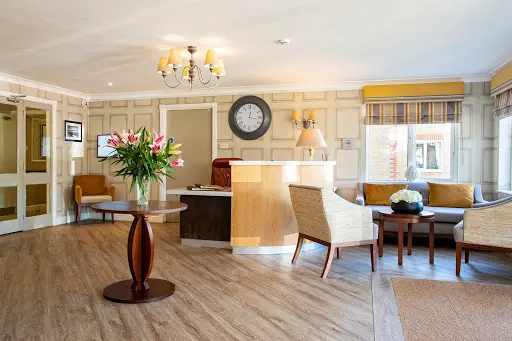
When families visit Emily Jackson House in Sevenoaks, they often comment on the warmth of the welcome and the spotless environment that greets them. This care home specialises in supporting people living with dementia, physical disabilities, and those over 65 who need extra help. The team here understands that moving into care is a big adjustment, and they work hard to make residents feel genuinely comfortable.
Who they care for
The home provides specialist dementia care alongside support for physical disabilities and general care for over-65s. They've developed programmes that work for different ability levels, from gentle gardening to livelier karaoke sessions.
For residents with dementia, the staff show particular skill in managing confusion and distress without frustration. They create a calm environment where people can participate in activities at their own pace, maintaining dignity even during challenging moments.
“If you're considering Emily Jackson House, visiting will give you the clearest picture of whether it feels right for your family.”
DCC does not edit or curate content in this tab. For independently curated information, see The Evidence and DCC Verdict.
The DCC Verdict
Our editorial view, built from the three lenses: what families tell us, what inspectors record, and how the home sits against good dementia-care practice.
DCC Family Score
Emily Jackson House received a Good rating across all five domains at its April 2024 inspection, which is a positive foundation. However, the published report text provided contains very limited specific detail, so most scores sit in the mid-range reflecting a confirmed positive rating without the granular evidence needed to score higher.
Homes in South East typically score 68–82.The three-lens summary
What families tell us
Families describe walking into a place where staff remember their names and ask about their day. The atmosphere feels relaxed and friendly, with residents joining in activities like dancing, karaoke, and arts and crafts. People notice how staff take time with residents who might be confused or upset, speaking gently and helping them feel calm again.
What inspectors have recorded
Staff here show real patience and understanding, especially when residents are having difficult moments. Families appreciate seeing carers who genuinely engage with their relatives, not just going through the motions. The team adapts well to challenges — they found creative ways to support residents during COVID restrictions and helped people settling in from overseas. However, some recent concerns about staffing levels overnight suggest this is worth discussing during your visit.
How it sits against good practice
If you're considering Emily Jackson House, visiting will give you the clearest picture of whether it feels right for your family.
Worth a visit
Emily Jackson House, on Eardley Road in Sevenoaks, was rated Good across all five inspection domains at its most recent assessment in April 2024, with the report published in July 2024. The home is run by Barchester Healthcare Homes Limited, a large established provider, and has a named registered manager in post. It is registered to provide nursing care for older adults, including people living with dementia and those with physical disabilities, across 55 beds. The main limitation of this report is that the published inspection text available contains very little specific detail: no direct observations, no resident or relative quotes, and no granular evidence about staffing, food, activities, or dementia-specific practice. A Good rating is genuinely meaningful and should reassure you, but it tells you little about the day-to-day texture of life here. Before making a decision, visit in person, ask to see last week's actual staffing rota, request the activity schedule for the past fortnight, and observe whether staff interactions feel unhurried and warm, particularly around mealtimes.
The three questions to ask when you visitSave this home. Compare it against your shortlist.
Let our analysis show you how Barchester – Emily Jackson House Care Home measures up against the other homes you’re considering. Free account.
In Their Own Words
How Barchester – Emily Jackson House Care Home describes itself — collected from its own website. DCC has not edited or independently verified the content in this tab.
Where kindness meets hotel-style comfort in leafy Sevenoaks
Dedicated nursing home Support in Sevenoaks
When families visit Emily Jackson House in Sevenoaks, they often comment on the warmth of the welcome and the spotless environment that greets them. This care home specialises in supporting people living with dementia, physical disabilities, and those over 65 who need extra help. The team here understands that moving into care is a big adjustment, and they work hard to make residents feel genuinely comfortable.
Who they care for
The home provides specialist dementia care alongside support for physical disabilities and general care for over-65s. They've developed programmes that work for different ability levels, from gentle gardening to livelier karaoke sessions.
For residents with dementia, the staff show particular skill in managing confusion and distress without frustration. They create a calm environment where people can participate in activities at their own pace, maintaining dignity even during challenging moments.
Management & ethos
Staff here show real patience and understanding, especially when residents are having difficult moments. Families appreciate seeing carers who genuinely engage with their relatives, not just going through the motions. The team adapts well to challenges — they found creative ways to support residents during COVID restrictions and helped people settling in from overseas. However, some recent concerns about staffing levels overnight suggest this is worth discussing during your visit.
The home & environment
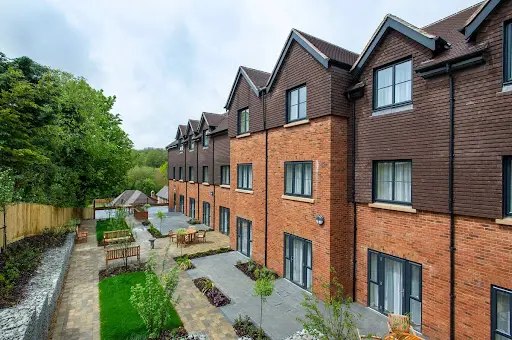
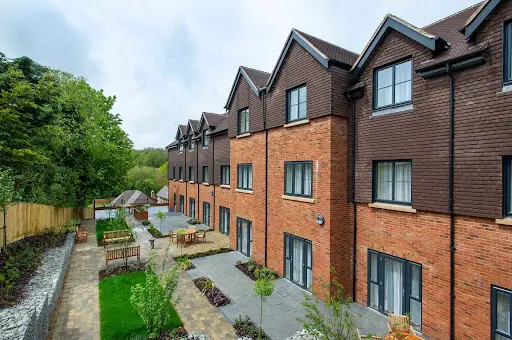
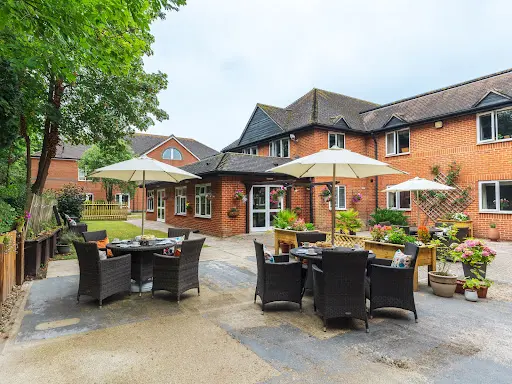
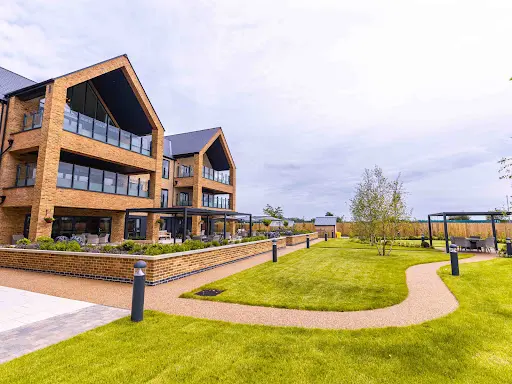
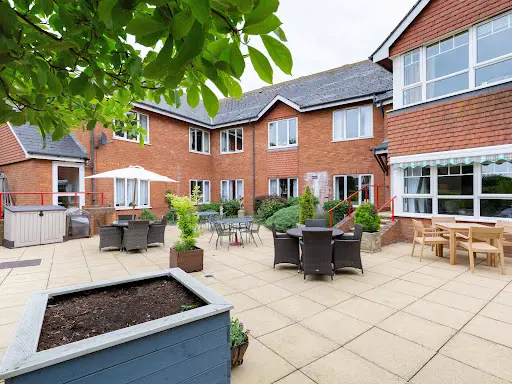
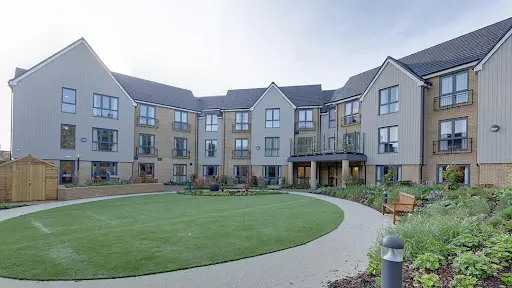
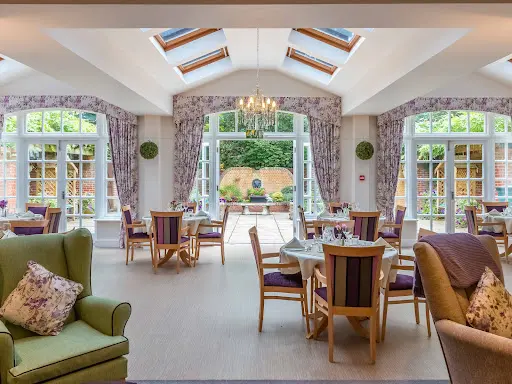
The dining experience catches visitors' attention — meals are presented beautifully and taste as good as they look. Housekeeping standards shine through, with several people mentioning how clean and fresh everything feels. There's space for gardening activities, and while some areas could use updating, the home maintains a comfortable, well-kept environment.
“If you're considering Emily Jackson House, visiting will give you the clearest picture of whether it feels right for your family.”
DCC does not edit or curate content in this tab. For independently curated information, see The Evidence and DCC Verdict.