Hengist Field Care Centre

At a Glance
The information you need to decide whether this home warrants a closer look.
Nursing homes
Staff warmth score
of reviewers answered yes
Good to know
- Registered beds75
- SpecialismsCaring for adults over 65 yrs, Dementia, Physical disabilities, Sensory impairment
- Last inspected2019-08-08
Save Hengist Field Care Centre to your shortlist
Keep a running list, add visit notes, and compare homes side-by-side. Free account — it takes a minute.
STAGE 4 — RESEARCHING CARE HOMES
Visit homes. Compare them side by side. Choose with confidence.
Most of us will view care homes the way we view houses, impression, atmosphere, the feeling in the corridor. We go home, try to remember what we saw, and make a permanent decision from a blurred memory.

The DCC shortlist gives every home you visit a structured record: the same twelve questions, answered the same way, every time. When you’re ready to choose, pull any two homes side by side and compare them directly. Same criteria, same evidence, your notes and your scores.
The Evidence
What the review data, the inspection reports, and the dementia-care evidence base tell us about this home.
What families say
Visitors often mention the warm reception they receive, with staff showing genuine patience when explaining daily routines and care plans. The home's structured activities programme helps residents form friendships and maintain social connections. Families particularly value the way staff support residents during difficult transitions, creating moments of dignity and comfort.
The eight family priority themes
- Staff warmth72
- Compassion & dignity72
- Cleanliness72
- Activities & engagement68
- Food quality68
- Healthcare72
- Management & leadership74
- Resident happiness70
What inspectors found
Inspected 2019-08-08
Is this home safe?
Is the care effective?
The home was rated Good for Effective at its September 2024 inspection. This domain covers how well staff know each resident's needs, the quality of care planning, access to healthcare professionals such as GPs and specialists, dementia-specific training, and food and nutrition. Dementia is listed as a specialism, which means inspectors will have looked at whether staff understand and can respond to dementia-related behaviours. No specific observations, training records, or food quality comments appear in the published summary.Is this home caring?
Hengist Field Care Centre received a Good rating for Caring at its September 2024 inspection. This domain covers how staff treat the people who live there: whether interactions are warm and unhurried, whether dignity and privacy are respected, and whether residents are supported to maintain independence. No direct quotes from residents or relatives and no specific inspector observations of staff interactions appear in the available published text.Is the home responsive?
The home was rated Good for Responsive at its September 2024 inspection. This domain assesses whether care is tailored to each individual, whether there is a meaningful and varied activity programme, how the home responds to complaints, and whether end-of-life care is personalised. With 75 beds and a dementia specialism, the range of residents' needs and abilities will be wide. No specific activity descriptions, individual care examples, or complaint handling details appear in the published summary.Is the home well-led?
Hengist Field Care Centre was rated Good for Well-led at its September 2024 inspection, having previously been rated Requires Improvement. The home is run by Nellsar Limited and has a named registered manager (Mrs Neli Vasileva Koleva) and a nominated individual (Mr Martin Barrett). The improvement from a previous lower rating suggests that governance and leadership have strengthened. No specific detail on management visibility, staff culture, complaint handling processes, or quality monitoring systems appears in the published summary.
Source: CQC inspection report →
What the evidence base says
The home provides specialist support for people living with dementia, sensory impairments and physical disabilities. Care extends to those over 65 who need professional nursing support. The dementia care programme incorporates structured activities designed to maintain cognitive engagement and social connections. Staff show understanding of how to support residents through the different stages of dementia, adapting their approach to individual needs. All areas worth probing directly during a visit.
The DCC Verdict
Our editorial view, built from the three lenses: what families tell us, what inspectors record, and how the home sits against good dementia-care practice.
DCC Family Score
Hengist Field Care Centre scores 72 out of 100, reflecting a solid Good rating across all five inspection domains after improving from Requires Improvement. The score is held back by the limited detail published in the available inspection text, which means many areas cannot be verified with specific evidence.
Homes in South East typically score 68–82.The three-lens summary
What families tell us
Visitors often mention the warm reception they receive, with staff showing genuine patience when explaining daily routines and care plans. The home's structured activities programme helps residents form friendships and maintain social connections. Families particularly value the way staff support residents during difficult transitions, creating moments of dignity and comfort.
What inspectors have recorded
Staff demonstrate particular strength in end-of-life care, with families praising the compassionate support during these sensitive times. The team shows attentiveness to individual needs and works to maintain resident comfort. Some families have raised concerns about consistency in communication and operational matters that prospective visitors may wish to explore.
How it sits against good practice
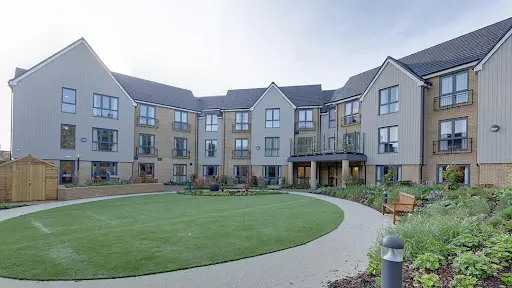
The countryside location and focus on meaningful daily activities create an environment where many residents find comfort and connection.
Worth a visit
Hengist Field Care Centre, on Pond Farm Road in Sittingbourne, was assessed in September 2024 and rated Good across all five inspection domains: Safe, Effective, Caring, Responsive, and Well-led. This is a meaningful improvement from its previous rating of Requires Improvement, and it covers a 75-bed nursing home specialising in dementia care, care for older adults, physical disabilities, and sensory impairments. A named registered manager and a nominated individual are identified, suggesting a stable leadership structure is in place. The main limitation for any family reading this report is that the published inspection summary contains very little specific detail: no direct quotes from residents or relatives, no inspector observations of daily life, and no specifics on staffing ratios, night cover, activity provision, or food quality. The Good rating across all domains is genuinely positive, but it tells you the home passed the inspection threshold rather than painting a vivid picture of daily life for your parent. Before visiting, prepare a shortlist of specific questions: ask the manager to show you the actual staffing rota for a recent week (counting permanent versus agency names, especially overnight), ask what one-to-one activity support looks like for a resident who cannot join group sessions, and walk through the building during your visit to observe how staff interact with residents in corridors and communal spaces.
The three questions to ask when you visitSave this home. Compare it against your shortlist.
Let our analysis show you how Hengist Field Care Centre measures up against the other homes you’re considering. Free account.
In Their Own Words
How Hengist Field Care Centre describes itself — collected from its own website. DCC has not edited or independently verified the content in this tab.
Countryside care with compassionate staff and meaningful activities
Hengist Field – Expert Care in Sittingbourne
Families seeking dementia care often find reassurance at Hengist Field Care Centre in Sittingbourne, where the peaceful countryside setting creates a calming environment. The home specialises in supporting people with dementia, sensory impairments and physical disabilities. Many families describe feeling welcomed by staff who take time to explain care approaches and answer questions thoroughly.
Who they care for
The home provides specialist support for people living with dementia, sensory impairments and physical disabilities. Care extends to those over 65 who need professional nursing support.
The dementia care programme incorporates structured activities designed to maintain cognitive engagement and social connections. Staff show understanding of how to support residents through the different stages of dementia, adapting their approach to individual needs.
“The countryside location and focus on meaningful daily activities create an environment where many residents find comfort and connection.”
DCC does not edit or curate content in this tab. For independently curated information, see The Evidence and DCC Verdict.
The DCC Verdict
Our editorial view, built from the three lenses: what families tell us, what inspectors record, and how the home sits against good dementia-care practice.
DCC Family Score
Hengist Field Care Centre scores 72 out of 100, reflecting a solid Good rating across all five inspection domains after improving from Requires Improvement. The score is held back by the limited detail published in the available inspection text, which means many areas cannot be verified with specific evidence.
Homes in South East typically score 68–82.The three-lens summary
What families tell us
Visitors often mention the warm reception they receive, with staff showing genuine patience when explaining daily routines and care plans. The home's structured activities programme helps residents form friendships and maintain social connections. Families particularly value the way staff support residents during difficult transitions, creating moments of dignity and comfort.
What inspectors have recorded
Staff demonstrate particular strength in end-of-life care, with families praising the compassionate support during these sensitive times. The team shows attentiveness to individual needs and works to maintain resident comfort. Some families have raised concerns about consistency in communication and operational matters that prospective visitors may wish to explore.
How it sits against good practice
The countryside location and focus on meaningful daily activities create an environment where many residents find comfort and connection.
Worth a visit
Hengist Field Care Centre, on Pond Farm Road in Sittingbourne, was assessed in September 2024 and rated Good across all five inspection domains: Safe, Effective, Caring, Responsive, and Well-led. This is a meaningful improvement from its previous rating of Requires Improvement, and it covers a 75-bed nursing home specialising in dementia care, care for older adults, physical disabilities, and sensory impairments. A named registered manager and a nominated individual are identified, suggesting a stable leadership structure is in place. The main limitation for any family reading this report is that the published inspection summary contains very little specific detail: no direct quotes from residents or relatives, no inspector observations of daily life, and no specifics on staffing ratios, night cover, activity provision, or food quality. The Good rating across all domains is genuinely positive, but it tells you the home passed the inspection threshold rather than painting a vivid picture of daily life for your parent. Before visiting, prepare a shortlist of specific questions: ask the manager to show you the actual staffing rota for a recent week (counting permanent versus agency names, especially overnight), ask what one-to-one activity support looks like for a resident who cannot join group sessions, and walk through the building during your visit to observe how staff interact with residents in corridors and communal spaces.
The three questions to ask when you visitSave this home. Compare it against your shortlist.
Let our analysis show you how Hengist Field Care Centre measures up against the other homes you’re considering. Free account.
In Their Own Words
How Hengist Field Care Centre describes itself — collected from its own website. DCC has not edited or independently verified the content in this tab.
Countryside care with compassionate staff and meaningful activities
Hengist Field – Expert Care in Sittingbourne
Families seeking dementia care often find reassurance at Hengist Field Care Centre in Sittingbourne, where the peaceful countryside setting creates a calming environment. The home specialises in supporting people with dementia, sensory impairments and physical disabilities. Many families describe feeling welcomed by staff who take time to explain care approaches and answer questions thoroughly.
Who they care for
The home provides specialist support for people living with dementia, sensory impairments and physical disabilities. Care extends to those over 65 who need professional nursing support.
The dementia care programme incorporates structured activities designed to maintain cognitive engagement and social connections. Staff show understanding of how to support residents through the different stages of dementia, adapting their approach to individual needs.
Management & ethos
Staff demonstrate particular strength in end-of-life care, with families praising the compassionate support during these sensitive times. The team shows attentiveness to individual needs and works to maintain resident comfort. Some families have raised concerns about consistency in communication and operational matters that prospective visitors may wish to explore.
The home & environment
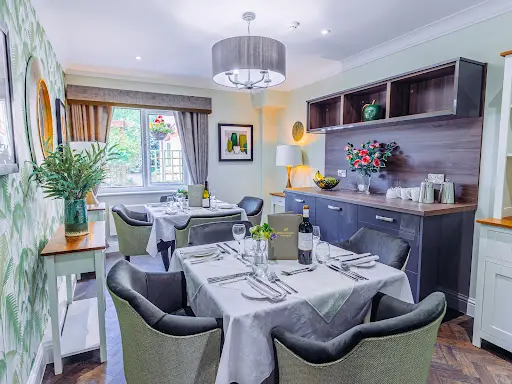
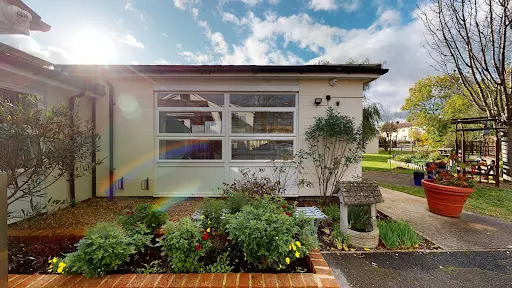
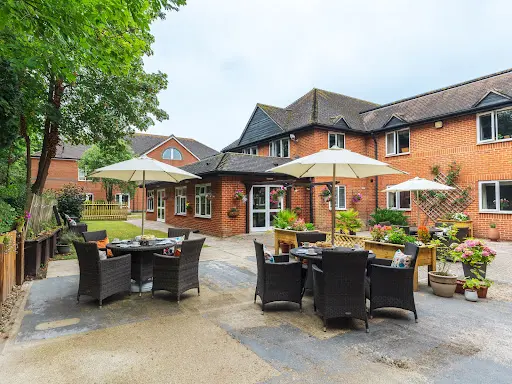
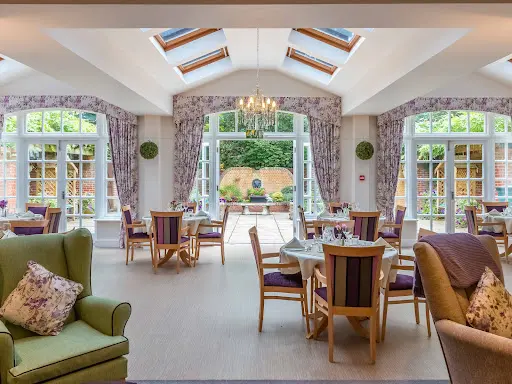
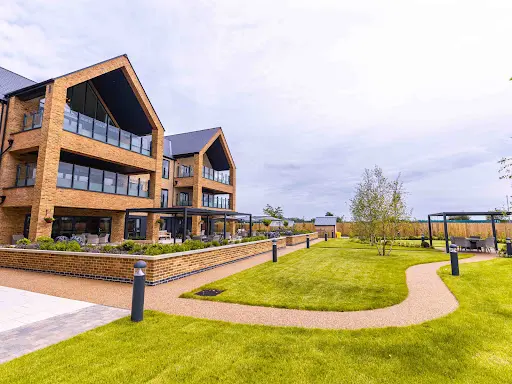
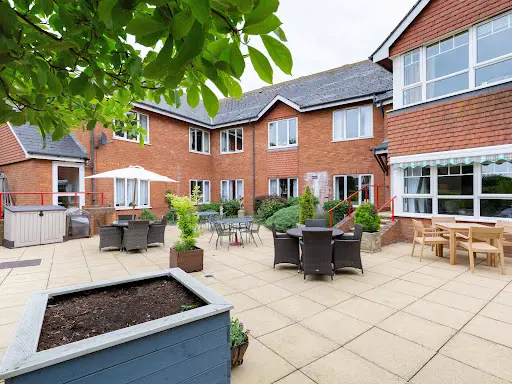
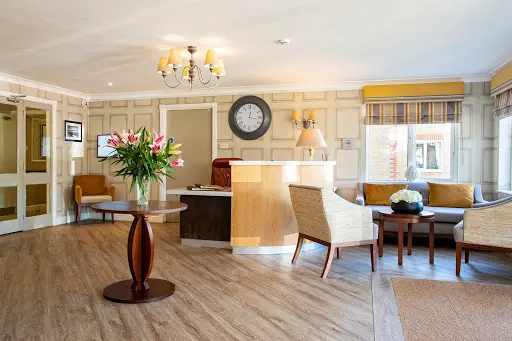
The spacious rooms overlook countryside views where residents can watch wildlife from their windows. The home maintains clean, comfortable spaces throughout the building. Regular day trips and organised activities give residents variety in their daily routines.
“The countryside location and focus on meaningful daily activities create an environment where many residents find comfort and connection.”
DCC does not edit or curate content in this tab. For independently curated information, see The Evidence and DCC Verdict.