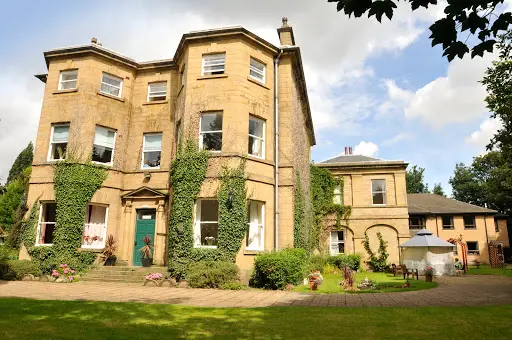
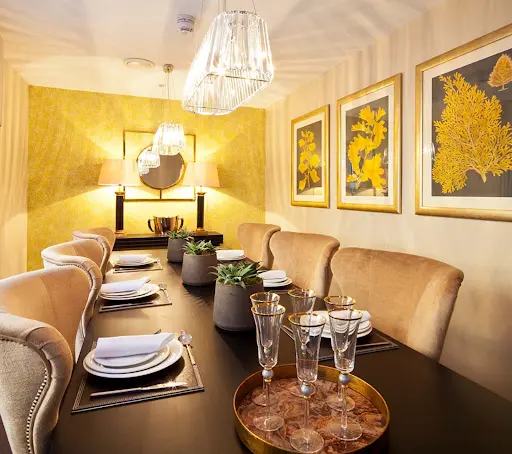
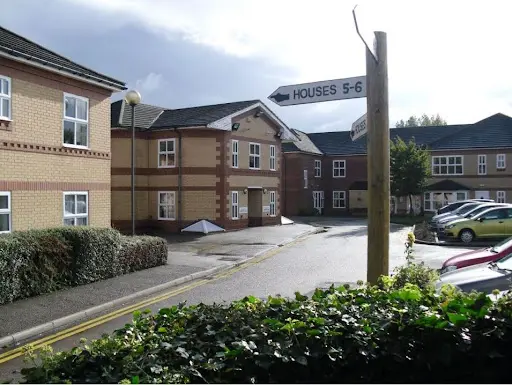
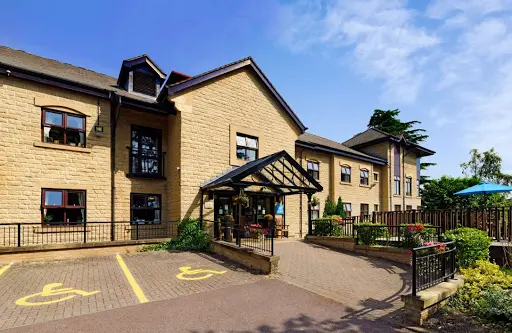
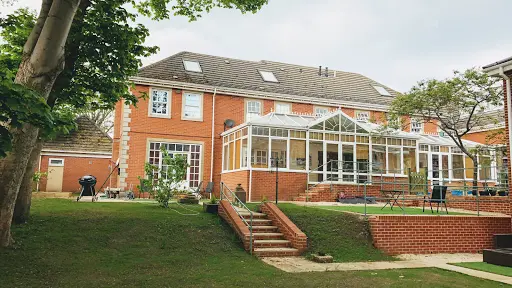
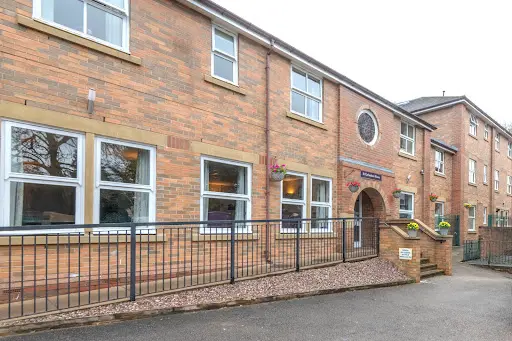
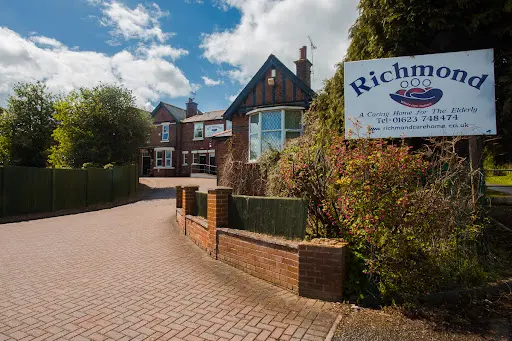
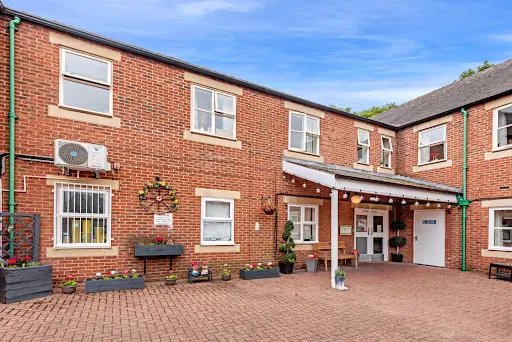
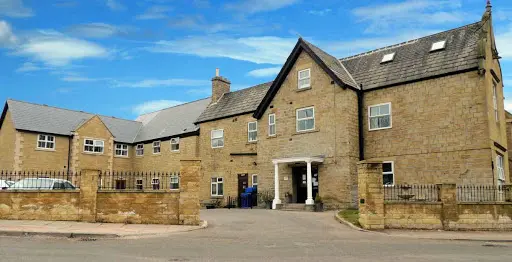
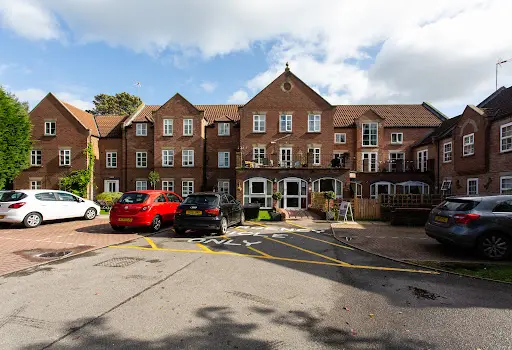
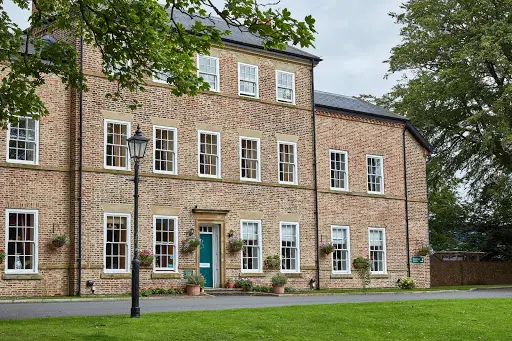
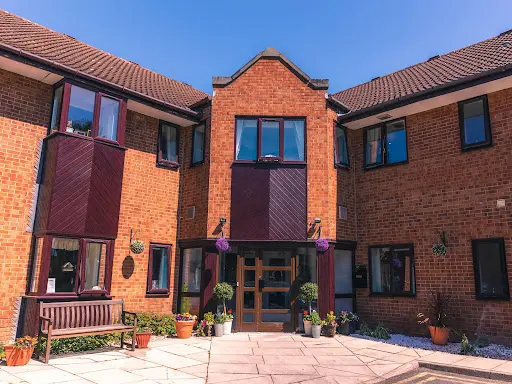
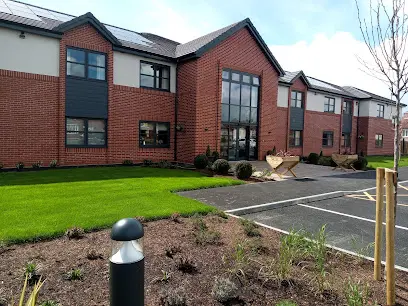
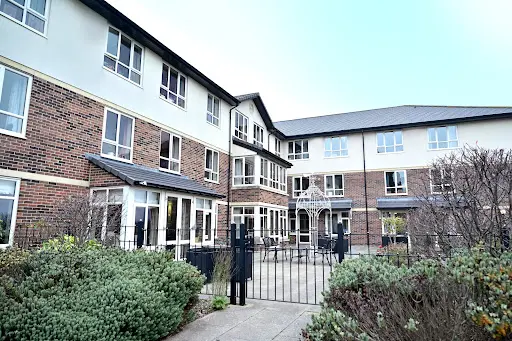
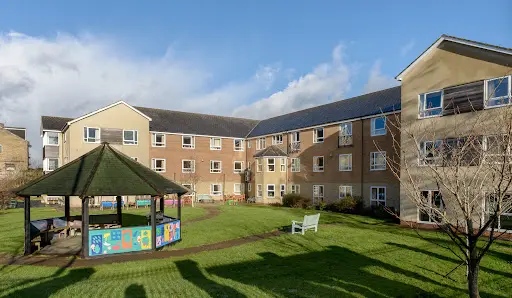
Brackenfield Hall care home, Frecheville
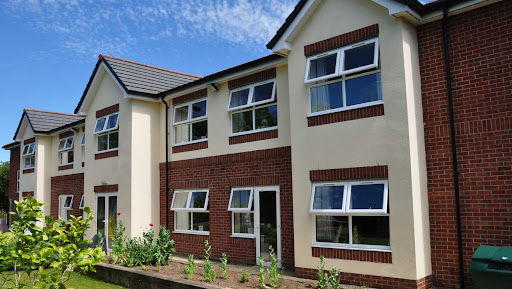
At a Glance
The information you need to decide whether this home warrants a closer look.
Residential homes
Staff warmth score
of reviewers answered yes
Good to know
- Registered beds60
- SpecialismsCaring for adults over 65 yrs, Dementia
- Last inspected2023-01-10
Save Brackenfield Hall care home, Frecheville to your shortlist
Keep a running list, add visit notes, and compare homes side-by-side. Free account — it takes a minute.
STAGE 4 — RESEARCHING CARE HOMES
Visit homes. Compare them side by side. Choose with confidence.
Most of us will view care homes the way we view houses, impression, atmosphere, the feeling in the corridor. We go home, try to remember what we saw, and make a permanent decision from a blurred memory.

The DCC shortlist gives every home you visit a structured record: the same twelve questions, answered the same way, every time. When you’re ready to choose, pull any two homes side by side and compare them directly. Same criteria, same evidence, your notes and your scores.
The Evidence
What the review data, the inspection reports, and the dementia-care evidence base tell us about this home.
What families say
Families talk about finding their relatives genuinely happy here — not just comfortable, but actively enjoying their days. There's a rhythm to life that includes regular parties and social events, with staff who make sure everyone's included. The atmosphere stays lively without feeling forced, and relatives notice how content their loved ones seem during visits.
The eight family priority themes
- Staff warmth72
- Compassion & dignity72
- Cleanliness70
- Activities & engagement65
- Food quality65
- Healthcare68
- Management & leadership74
- Resident happiness68
What inspectors found
Inspected 2023-01-10
Is this home safe?
Is the care effective?
Inspectors rated the Effective domain as Good, covering care planning, training, GP access, nutritional care, and how well the home meets the health needs of residents. The published summary does not include specific examples of care plan quality, dementia training content, or food and nutrition observations. The improvement from Requires Improvement suggests that whatever gaps existed previously in these areas have been addressed to the inspectors' satisfaction.Is this home caring?
The inspection awarded Good for Caring, covering staff warmth, dignity, respect, and how well residents' independence is supported. No specific observations, direct quotes from residents or relatives, or examples of individual interactions were included in the published summary. Staff warmth and compassion are the two highest-weighted themes in our family review data, so the absence of specific detail here is the most significant gap in this report.Is the home responsive?
The Responsive domain was rated Good, covering activities, how well the home tailors care to individual needs, and end-of-life planning. No specific information about the activity programme, individual engagement for people with advanced dementia, or end-of-life planning arrangements is included in the published summary. The home lists dementia as a specialism, which suggests some structured approach to responsive care is in place.Is the home well-led?
The Well-led domain was rated Good, and this is arguably the most meaningful rating in this report given the home's improvement from Requires Improvement. A named registered manager (Mrs Cheryl Andrea Schofield) and a nominated individual (Mr Daniel Ryan) are on record, indicating formal accountability. The published summary does not describe how long the manager has been in post, how visible they are to residents and families, or what governance systems are in place. Brackenfield Hall is run by Anchor Hanover Group, one of the UK's largest not-for-profit providers.
Source: CQC inspection report →
What the evidence base says
The home provides specialist dementia care alongside their general care for adults over 65. For residents living with dementia, the structured activities and consistent staff attention help create predictable, engaging days. The social events and regular entertainment provide important routine and stimulation. All areas worth probing directly during a visit.
The DCC Verdict
Our editorial view, built from the three lenses: what families tell us, what inspectors record, and how the home sits against good dementia-care practice.
DCC Family Score
Brackenfield Hall scores 72 out of 100, reflecting a genuinely improved home that has moved from Requires Improvement to Good across all five domains. The score is held back by limited specific detail in the published inspection text, meaning several areas cannot be independently verified.
Homes in Yorkshire & Humberside typically score 68–82.The three-lens summary
What families tell us
Families talk about finding their relatives genuinely happy here — not just comfortable, but actively enjoying their days. There's a rhythm to life that includes regular parties and social events, with staff who make sure everyone's included. The atmosphere stays lively without feeling forced, and relatives notice how content their loved ones seem during visits.
What inspectors have recorded
The staff team gets noticed for being properly attentive — not just checking in, but actually engaging with residents throughout the day. Families describe care that feels both respectful and warm, with staff who spot what's needed before being asked. There's a proactive quality to how they work, creating positive moments rather than just responding to needs.
How it sits against good practice
It's the combination of organised activities and genuinely attentive care that families value here — knowing their relatives are not just safe, but actively engaged in life.
Worth a visit
Brackenfield Hall, on Fox Lane in Sheffield, was rated Good at its most recent inspection in December 2022, with the report published in January 2023. This is a meaningful improvement: the home was previously rated Requires Improvement, meaning inspectors found enough change across all five domains, safety, effectiveness, caring, responsiveness, and leadership, to award Good in each. The home is run by Anchor Hanover Group, one of the larger not-for-profit providers in the UK, and has a named registered manager and nominated individual on record. The main limitation of this Family View is the brevity of the published inspection summary. The headline ratings are confirmed, but very little specific detail is available about what inspectors actually observed, which means you cannot rely solely on this report to judge day-to-day quality. On your visit, ask to see last week's actual staffing rota (not a template), find out how many permanent staff cover nights on the dementia unit, and observe how staff interact with residents in corridors and communal areas during your time in the building.
The three questions to ask when you visitSave this home. Compare it against your shortlist.
Let our analysis show you how Brackenfield Hall care home, Frecheville measures up against the other homes you’re considering. Free account.
In Their Own Words
How Brackenfield Hall care home, Frecheville describes itself — collected from its own website. DCC has not edited or independently verified the content in this tab.
Where activities and attentiveness create content days for Sheffield families
Residential home in Sheffield: True Peace of Mind
When families visit Brackenfield Hall in Sheffield, they often find their relatives in the middle of karaoke or chatting with staff about the day's plans. This care home for people over 65 brings structure and social connection to everyday life, with a focus on keeping residents engaged and occupied. For many families, it's the consistent attention to both practical needs and emotional wellbeing that makes the difference.
Who they care for
The home provides specialist dementia care alongside their general care for adults over 65.
For residents living with dementia, the structured activities and consistent staff attention help create predictable, engaging days. The social events and regular entertainment provide important routine and stimulation.
“It's the combination of organised activities and genuinely attentive care that families value here — knowing their relatives are not just safe, but actively engaged in life.”
DCC does not edit or curate content in this tab. For independently curated information, see The Evidence and DCC Verdict.
The DCC Verdict
Our editorial view, built from the three lenses: what families tell us, what inspectors record, and how the home sits against good dementia-care practice.
DCC Family Score
Brackenfield Hall scores 72 out of 100, reflecting a genuinely improved home that has moved from Requires Improvement to Good across all five domains. The score is held back by limited specific detail in the published inspection text, meaning several areas cannot be independently verified.
Homes in Yorkshire & Humberside typically score 68–82.The three-lens summary
What families tell us
Families talk about finding their relatives genuinely happy here — not just comfortable, but actively enjoying their days. There's a rhythm to life that includes regular parties and social events, with staff who make sure everyone's included. The atmosphere stays lively without feeling forced, and relatives notice how content their loved ones seem during visits.
What inspectors have recorded
The staff team gets noticed for being properly attentive — not just checking in, but actually engaging with residents throughout the day. Families describe care that feels both respectful and warm, with staff who spot what's needed before being asked. There's a proactive quality to how they work, creating positive moments rather than just responding to needs.
How it sits against good practice
It's the combination of organised activities and genuinely attentive care that families value here — knowing their relatives are not just safe, but actively engaged in life.
Worth a visit
Brackenfield Hall, on Fox Lane in Sheffield, was rated Good at its most recent inspection in December 2022, with the report published in January 2023. This is a meaningful improvement: the home was previously rated Requires Improvement, meaning inspectors found enough change across all five domains, safety, effectiveness, caring, responsiveness, and leadership, to award Good in each. The home is run by Anchor Hanover Group, one of the larger not-for-profit providers in the UK, and has a named registered manager and nominated individual on record. The main limitation of this Family View is the brevity of the published inspection summary. The headline ratings are confirmed, but very little specific detail is available about what inspectors actually observed, which means you cannot rely solely on this report to judge day-to-day quality. On your visit, ask to see last week's actual staffing rota (not a template), find out how many permanent staff cover nights on the dementia unit, and observe how staff interact with residents in corridors and communal areas during your time in the building.
The three questions to ask when you visitSave this home. Compare it against your shortlist.
Let our analysis show you how Brackenfield Hall care home, Frecheville measures up against the other homes you’re considering. Free account.
In Their Own Words
How Brackenfield Hall care home, Frecheville describes itself — collected from its own website. DCC has not edited or independently verified the content in this tab.
Where activities and attentiveness create content days for Sheffield families
Residential home in Sheffield: True Peace of Mind
When families visit Brackenfield Hall in Sheffield, they often find their relatives in the middle of karaoke or chatting with staff about the day's plans. This care home for people over 65 brings structure and social connection to everyday life, with a focus on keeping residents engaged and occupied. For many families, it's the consistent attention to both practical needs and emotional wellbeing that makes the difference.
Who they care for
The home provides specialist dementia care alongside their general care for adults over 65.
For residents living with dementia, the structured activities and consistent staff attention help create predictable, engaging days. The social events and regular entertainment provide important routine and stimulation.
Management & ethos
The staff team gets noticed for being properly attentive — not just checking in, but actually engaging with residents throughout the day. Families describe care that feels both respectful and warm, with staff who spot what's needed before being asked. There's a proactive quality to how they work, creating positive moments rather than just responding to needs.
“It's the combination of organised activities and genuinely attentive care that families value here — knowing their relatives are not just safe, but actively engaged in life.”
DCC does not edit or curate content in this tab. For independently curated information, see The Evidence and DCC Verdict.