Birchlands Care Home
At a Glance
The information you need to decide whether this home warrants a closer look.
Nursing homes
Staff warmth score
of reviewers answered yes
Good to know
- Registered beds54
- SpecialismsCaring for adults over 65 yrs, Caring for adults under 65 yrs, Dementia
- Last inspected2019-02-21
Save Birchlands Care Home to your shortlist
Keep a running list, add visit notes, and compare homes side-by-side. Free account — it takes a minute.
STAGE 4 — RESEARCHING CARE HOMES
Visit homes. Compare them side by side. Choose with confidence.
Most of us will view care homes the way we view houses, impression, atmosphere, the feeling in the corridor. We go home, try to remember what we saw, and make a permanent decision from a blurred memory.

The DCC shortlist gives every home you visit a structured record: the same twelve questions, answered the same way, every time. When you’re ready to choose, pull any two homes side by side and compare them directly. Same criteria, same evidence, your notes and your scores.
The Evidence
What the review data, the inspection reports, and the dementia-care evidence base tell us about this home.
What families say
People visiting Birchlands often mention seeing residents who appear content and involved in what's happening around them. The staff seem genuinely friendly and professional, taking time to chat with both residents and their families without being asked.
The eight family priority themes
- Staff warmth72
- Compassion & dignity72
- Cleanliness68
- Activities & engagement60
- Food quality60
- Healthcare68
- Management & leadership70
- Resident happiness68
What inspectors found
Inspected 2019-02-21
Is this home safe?
Is the care effective?
The effective domain was rated Good at the January 2019 inspection. The published report does not contain specific findings about care plan quality, how often plans are reviewed, whether families are involved in reviews, what dementia training staff have completed, or how the home manages access to GPs and other healthcare professionals. Dementia is a registered specialism, which means the home is expected to demonstrate appropriate expertise, but the evidence for that expertise is not detailed in the available text.Is this home caring?
The caring domain was rated Good at the January 2019 inspection. The published findings include no direct observations of staff interactions, no quotes from residents or relatives about how staff treat them, and no specific examples of dignity and privacy being upheld. Staff warmth and compassion are the two highest-weighted themes in our family review data, accounting for over half of all positive sentiment in 3,600-plus reviews, yet neither is evidenced in observable detail in this report.Is the home responsive?
The responsive domain was rated Good at the January 2019 inspection. The published report does not describe the activities programme, individual engagement plans, how the home supports people who cannot participate in group activities, or how end-of-life care is approached. Responsiveness to individual need is a central concern for families of people with dementia, particularly around meaningful occupation and recognising when a person is approaching the end of life.Is the home well-led?
The well-led domain was rated Good at the January 2019 inspection. The registration record names a registered manager and a nominated individual, indicating that formal leadership roles are filled. Beyond this, the published report provides no information about manager visibility or tenure, staff culture, how the home handles complaints, or what audit and governance processes are in place. The last desk-based review in July 2023 found no evidence requiring reassessment but did not constitute a new inspection.
Source: CQC inspection report →
What the evidence base says
Birchlands provides residential care for adults under 65, those over 65, and people living with dementia. For residents with dementia, the home provides structured activities and entertainment designed to maintain engagement. Staff are experienced in dementia care across different age groups. All areas worth probing directly during a visit.
The DCC Verdict
Our editorial view, built from the three lenses: what families tell us, what inspectors record, and how the home sits against good dementia-care practice.
DCC Family Score
Birchlands Care Home holds a Good rating across all five inspection domains, but the published inspection text is brief and lacks the specific observations, quotes, and detail needed to score confidently above the mid-range. The scores reflect a genuine Good rating rather than exceptional evidence.
Homes in Yorkshire & Humberside typically score 68–82.The three-lens summary
What families tell us
People visiting Birchlands often mention seeing residents who appear content and involved in what's happening around them. The staff seem genuinely friendly and professional, taking time to chat with both residents and their families without being asked.
What inspectors have recorded
The care team here shows real willingness to engage with residents and their loved ones, though experiences can vary. While most interactions feel warm and professional, there have been occasions where support during difficult times hasn't quite matched the everyday standard of care.
How it sits against good practice
If you're considering Birchlands for someone you love, visiting will give you the best sense of whether it feels right for your family.
Worth a visit
Birchlands Care Home on Moor Lane, York, was rated Good across all five inspection domains at its last inspection in January 2019. The home is registered for 54 beds and specialises in nursing care, dementia, and support for both adults over and under 65. A named registered manager and nominated individual are recorded, indicating an established leadership structure. The main limitation here is that the published inspection report contains very little descriptive detail. There are no inspector observations about how staff interact with your parent, no quotes from residents or relatives, and no specific findings on food, activities, night staffing, or dementia care practice. A Good rating from 2019 is now over five years old, and a desk-based review in July 2023 confirmed no change but did not constitute a full re-inspection. Before deciding, visit the home and ask to see last week's staffing rota, the activities timetable, and the most recent inspection or audit findings. Ask specifically how many permanent carers are on at night and what dementia training all staff have completed.
The three questions to ask when you visitSave this home. Compare it against your shortlist.
Let our analysis show you how Birchlands Care Home measures up against the other homes you’re considering. Free account.
In Their Own Words
How Birchlands Care Home describes itself — collected from its own website. DCC has not edited or independently verified the content in this tab.
Friendly York care home where activities keep life interesting
Dedicated nursing home Support in York
At Birchlands Care Home in York, families often comment on how approachable and engaged the staff seem to be. This home in Yorkshire provides care for adults of all ages, including those living with dementia, and visitors regularly notice residents taking part in various activities and entertainment throughout the day.
Who they care for
Birchlands provides residential care for adults under 65, those over 65, and people living with dementia.
For residents with dementia, the home provides structured activities and entertainment designed to maintain engagement. Staff are experienced in dementia care across different age groups.
“If you're considering Birchlands for someone you love, visiting will give you the best sense of whether it feels right for your family.”
DCC does not edit or curate content in this tab. For independently curated information, see The Evidence and DCC Verdict.
The DCC Verdict
Our editorial view, built from the three lenses: what families tell us, what inspectors record, and how the home sits against good dementia-care practice.
DCC Family Score
Birchlands Care Home holds a Good rating across all five inspection domains, but the published inspection text is brief and lacks the specific observations, quotes, and detail needed to score confidently above the mid-range. The scores reflect a genuine Good rating rather than exceptional evidence.
Homes in Yorkshire & Humberside typically score 68–82.The three-lens summary
What families tell us
People visiting Birchlands often mention seeing residents who appear content and involved in what's happening around them. The staff seem genuinely friendly and professional, taking time to chat with both residents and their families without being asked.
What inspectors have recorded
The care team here shows real willingness to engage with residents and their loved ones, though experiences can vary. While most interactions feel warm and professional, there have been occasions where support during difficult times hasn't quite matched the everyday standard of care.
How it sits against good practice
If you're considering Birchlands for someone you love, visiting will give you the best sense of whether it feels right for your family.
Worth a visit
Birchlands Care Home on Moor Lane, York, was rated Good across all five inspection domains at its last inspection in January 2019. The home is registered for 54 beds and specialises in nursing care, dementia, and support for both adults over and under 65. A named registered manager and nominated individual are recorded, indicating an established leadership structure. The main limitation here is that the published inspection report contains very little descriptive detail. There are no inspector observations about how staff interact with your parent, no quotes from residents or relatives, and no specific findings on food, activities, night staffing, or dementia care practice. A Good rating from 2019 is now over five years old, and a desk-based review in July 2023 confirmed no change but did not constitute a full re-inspection. Before deciding, visit the home and ask to see last week's staffing rota, the activities timetable, and the most recent inspection or audit findings. Ask specifically how many permanent carers are on at night and what dementia training all staff have completed.
The three questions to ask when you visitSave this home. Compare it against your shortlist.
Let our analysis show you how Birchlands Care Home measures up against the other homes you’re considering. Free account.
In Their Own Words
How Birchlands Care Home describes itself — collected from its own website. DCC has not edited or independently verified the content in this tab.
Friendly York care home where activities keep life interesting
Dedicated nursing home Support in York
At Birchlands Care Home in York, families often comment on how approachable and engaged the staff seem to be. This home in Yorkshire provides care for adults of all ages, including those living with dementia, and visitors regularly notice residents taking part in various activities and entertainment throughout the day.
Who they care for
Birchlands provides residential care for adults under 65, those over 65, and people living with dementia.
For residents with dementia, the home provides structured activities and entertainment designed to maintain engagement. Staff are experienced in dementia care across different age groups.
Management & ethos
The care team here shows real willingness to engage with residents and their loved ones, though experiences can vary. While most interactions feel warm and professional, there have been occasions where support during difficult times hasn't quite matched the everyday standard of care.
The home & environment
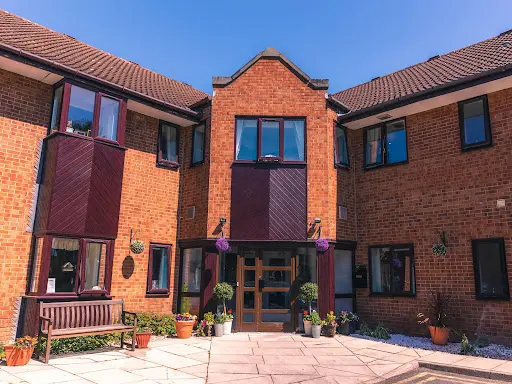
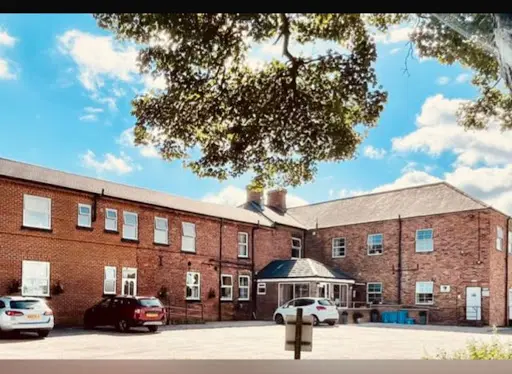
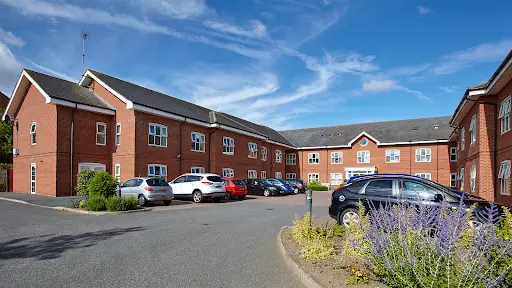
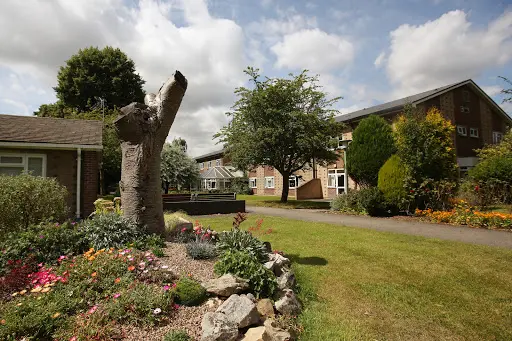
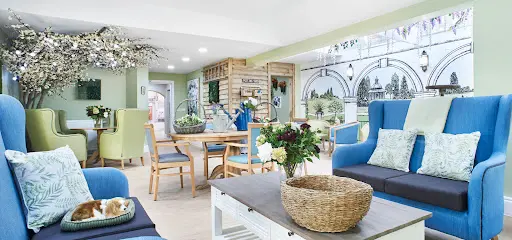
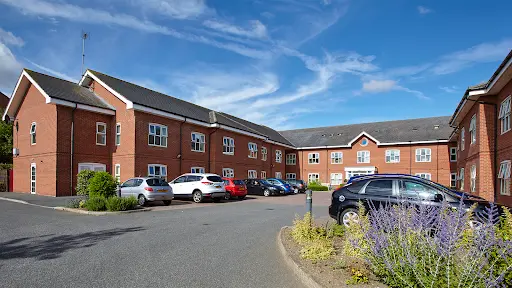
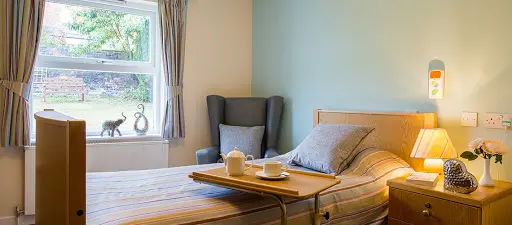
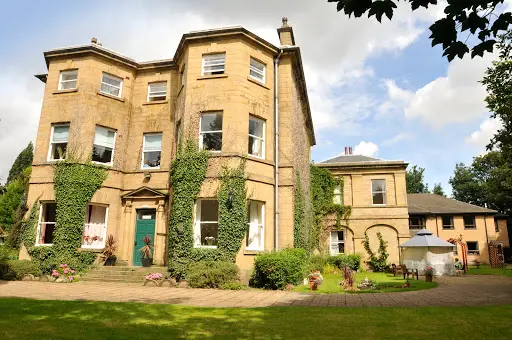
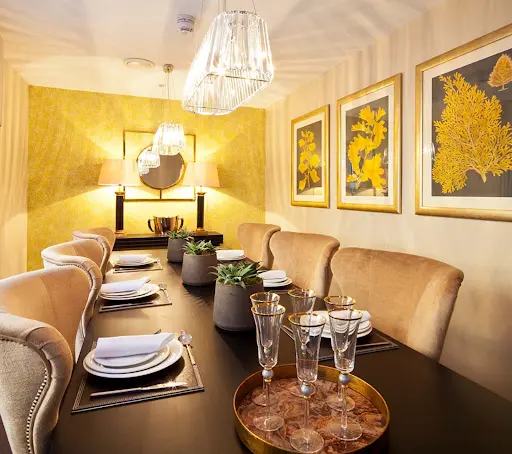
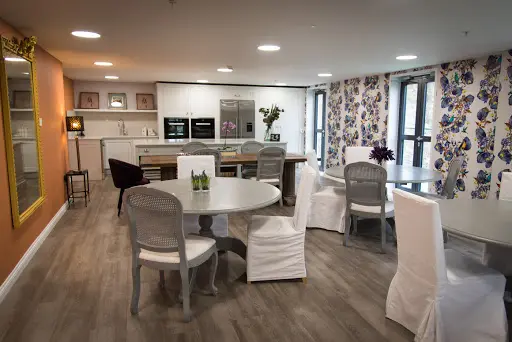
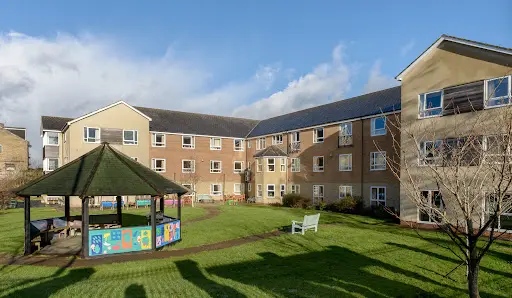
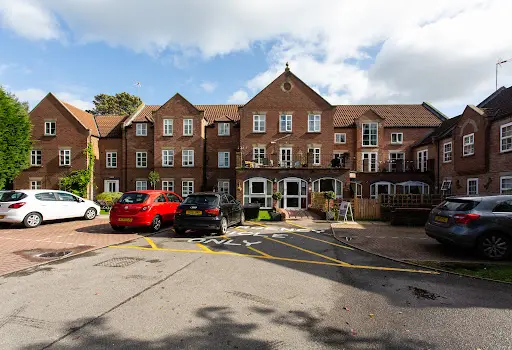
The communal areas at Birchlands are kept clean and comfortable, with families noting the home feels well-maintained. There's a programme of structured activities and entertainment that helps keep residents engaged throughout the week.
“If you're considering Birchlands for someone you love, visiting will give you the best sense of whether it feels right for your family.”
DCC does not edit or curate content in this tab. For independently curated information, see The Evidence and DCC Verdict.