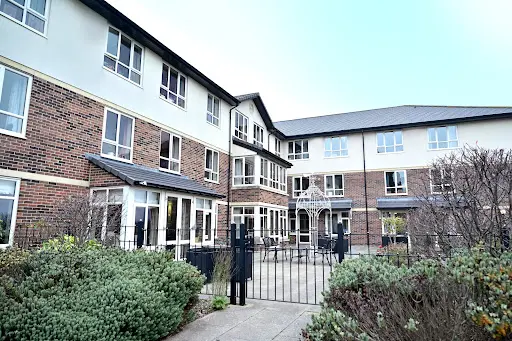
The Porterbrook Care Home

At a Glance
The information you need to decide whether this home warrants a closer look.
Residential homes
Staff warmth score
of reviewers answered yes
Good to know
- Registered beds45
- SpecialismsCaring for adults over 65 yrs, Caring for adults under 65 yrs, Dementia, Mental health conditions, Physical disabilities, Sensory impairment
- Last inspected2019-12-05
Save The Porterbrook Care Home to your shortlist
Keep a running list, add visit notes, and compare homes side-by-side. Free account — it takes a minute.
STAGE 4 — RESEARCHING CARE HOMES
Visit homes. Compare them side by side. Choose with confidence.
Most of us will view care homes the way we view houses, impression, atmosphere, the feeling in the corridor. We go home, try to remember what we saw, and make a permanent decision from a blurred memory.

The DCC shortlist gives every home you visit a structured record: the same twelve questions, answered the same way, every time. When you’re ready to choose, pull any two homes side by side and compare them directly. Same criteria, same evidence, your notes and your scores.
The Evidence
What the review data, the inspection reports, and the dementia-care evidence base tell us about this home.
What families say
Families talk about walking through the doors to warm greetings and genuine hospitality. The atmosphere strikes visitors as both professional and welcoming — staff take time to chat, offer refreshments, and make everyone feel at ease. Activities bring real joy here too, with cinema screenings, salon days and entertainment programmes that residents actually want to join in with.
The eight family priority themes
- Staff warmth72
- Compassion & dignity72
- Cleanliness72
- Activities & engagement68
- Food quality68
- Healthcare72
- Management & leadership75
- Resident happiness70
What inspectors found
Inspected 2019-12-05
Is this home safe?
Is the care effective?
The Effective domain was rated Good at the June 2024 inspection. This domain covers staff training, care planning, nutrition and hydration, and access to healthcare professionals including GPs. No specific examples of training content, care plan quality, or food provision were included in the published report. The rating indicates inspectors were satisfied with standards across these areas.Is this home caring?
The Caring domain was rated Good at the June 2024 inspection. This domain covers dignity, respect, compassion, and whether people are supported to maintain independence. No direct quotes from residents or families were published, and no specific inspector observations about staff interactions were included in the available report text. The rating confirms inspectors were satisfied with the standard of care they observed.Is the home responsive?
The Responsive domain was rated Good at the June 2024 inspection. This domain covers whether the home responds to individual needs, offers meaningful activities, involves people in decisions about their care, and supports good end-of-life care. The home's specialism list includes dementia, mental health conditions, physical disabilities, and sensory impairment, which places significant demands on responsiveness. No specific activities, engagement approaches, or family involvement mechanisms were described in the published report.Is the home well-led?
The Well-led domain was rated Good at the June 2024 inspection. The home is run by Tapton Care Limited, with Mrs Vicki Lynne Cannell as registered manager and Mr Christopher David Ridgard as nominated individual. This structure indicates clear accountability. A Good Well-led rating after a previous Inadequate overall rating suggests the current leadership has driven meaningful improvement. No specific detail about management visibility, staff culture, or governance systems was published in the available report.
Source: CQC inspection report →
What the evidence base says
The Porterbrook supports residents with dementia, mental health conditions, physical disabilities and sensory impairments. They're equipped to care for both younger adults under 65 and older residents, including those with complex or high-dependency needs. For residents living with dementia, the team provides specialised support that maintains dignity throughout the journey. Staff show particular skill in managing the later stages of dementia with compassion, ensuring privacy and comfort even when care needs become more intensive. All areas worth probing directly during a visit.
The DCC Verdict
Our editorial view, built from the three lenses: what families tell us, what inspectors record, and how the home sits against good dementia-care practice.
DCC Family Score
The Porterbrook has moved from Inadequate to a Good rating across all five domains at its June 2024 inspection, which is a meaningful improvement. However, the published report contains limited specific detail, so scores reflect confirmed Good ratings rather than strong direct evidence from inspector observations or resident testimony.
Homes in Yorkshire & Humberside typically score 68–82.The three-lens summary
What families tell us
Families talk about walking through the doors to warm greetings and genuine hospitality. The atmosphere strikes visitors as both professional and welcoming — staff take time to chat, offer refreshments, and make everyone feel at ease. Activities bring real joy here too, with cinema screenings, salon days and entertainment programmes that residents actually want to join in with.
What inspectors have recorded
The current leadership team has made a real difference to standards here. Staff clearly respond well to the direction they're getting, showing initiative in checking on residents regularly without waiting to be asked. While there have been concerns raised about night staff training and management accessibility during incidents, the daytime team consistently demonstrates the kind of attentive, proactive care that families value.
How it sits against good practice
Sometimes the best measure of a care home is how they handle life's most difficult moments — and here, that compassion shines through.
Worth a visit
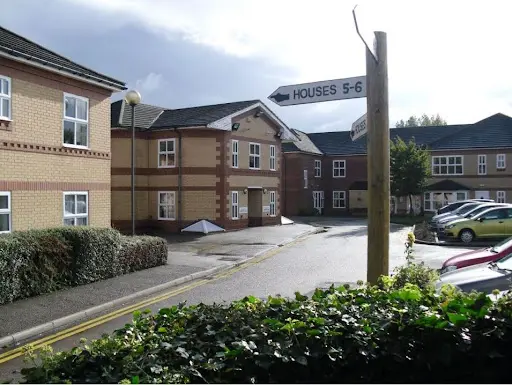
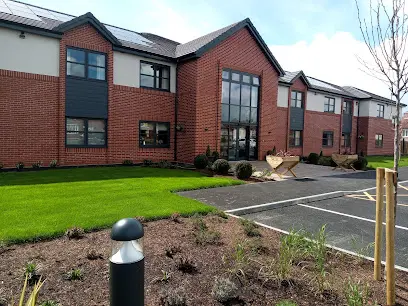
The Porterbrook, at 63 Tapton Crescent Road in Sheffield, was assessed in June 2024 and rated Good across all five domains, with the report published in October 2024. This is a significant improvement from a previous Inadequate rating, and it tells you that inspectors found the home had addressed earlier failures across safety, care practice, staffing, responsiveness, and leadership. The home supports people over and under 65 with dementia, mental health conditions, physical disabilities, and sensory impairment, across 45 beds. The main limitation is that the published report is very brief and contains almost no specific detail: no inspector observations, no resident or family quotes, and no staffing numbers. A Good rating is reassuring, but it is a starting point, not a complete picture. When you visit, ask the manager to explain what changed between the Inadequate and Good ratings, ask to see last week's actual staffing rota including night shifts, and spend time in a communal area watching how staff interact with the people who live there.
The three questions to ask when you visitSave this home. Compare it against your shortlist.
Let our analysis show you how The Porterbrook Care Home measures up against the other homes you’re considering. Free account.
In Their Own Words
How The Porterbrook Care Home describes itself — collected from its own website. DCC has not edited or independently verified the content in this tab.
Where dignity meets dedication in Sheffield's specialist care landscape
Compassionate Care in Sheffield at The Porterbrook
When complex care needs demand real expertise, families in Sheffield are discovering The Porterbrook delivers something special. This established care home has built its reputation on helping residents with dementia, mental health conditions and physical disabilities live with genuine dignity. Whether caring for younger adults or those in their later years, the team here understands that great care starts with seeing the person, not just their diagnosis.
Who they care for
The Porterbrook supports residents with dementia, mental health conditions, physical disabilities and sensory impairments. They're equipped to care for both younger adults under 65 and older residents, including those with complex or high-dependency needs.
For residents living with dementia, the team provides specialised support that maintains dignity throughout the journey. Staff show particular skill in managing the later stages of dementia with compassion, ensuring privacy and comfort even when care needs become more intensive.
“Sometimes the best measure of a care home is how they handle life's most difficult moments — and here, that compassion shines through.”
DCC does not edit or curate content in this tab. For independently curated information, see The Evidence and DCC Verdict.
The DCC Verdict
Our editorial view, built from the three lenses: what families tell us, what inspectors record, and how the home sits against good dementia-care practice.
DCC Family Score
The Porterbrook has moved from Inadequate to a Good rating across all five domains at its June 2024 inspection, which is a meaningful improvement. However, the published report contains limited specific detail, so scores reflect confirmed Good ratings rather than strong direct evidence from inspector observations or resident testimony.
Homes in Yorkshire & Humberside typically score 68–82.The three-lens summary
What families tell us
Families talk about walking through the doors to warm greetings and genuine hospitality. The atmosphere strikes visitors as both professional and welcoming — staff take time to chat, offer refreshments, and make everyone feel at ease. Activities bring real joy here too, with cinema screenings, salon days and entertainment programmes that residents actually want to join in with.
What inspectors have recorded
The current leadership team has made a real difference to standards here. Staff clearly respond well to the direction they're getting, showing initiative in checking on residents regularly without waiting to be asked. While there have been concerns raised about night staff training and management accessibility during incidents, the daytime team consistently demonstrates the kind of attentive, proactive care that families value.
How it sits against good practice
Sometimes the best measure of a care home is how they handle life's most difficult moments — and here, that compassion shines through.
Worth a visit
The Porterbrook, at 63 Tapton Crescent Road in Sheffield, was assessed in June 2024 and rated Good across all five domains, with the report published in October 2024. This is a significant improvement from a previous Inadequate rating, and it tells you that inspectors found the home had addressed earlier failures across safety, care practice, staffing, responsiveness, and leadership. The home supports people over and under 65 with dementia, mental health conditions, physical disabilities, and sensory impairment, across 45 beds. The main limitation is that the published report is very brief and contains almost no specific detail: no inspector observations, no resident or family quotes, and no staffing numbers. A Good rating is reassuring, but it is a starting point, not a complete picture. When you visit, ask the manager to explain what changed between the Inadequate and Good ratings, ask to see last week's actual staffing rota including night shifts, and spend time in a communal area watching how staff interact with the people who live there.
The three questions to ask when you visitSave this home. Compare it against your shortlist.
Let our analysis show you how The Porterbrook Care Home measures up against the other homes you’re considering. Free account.
In Their Own Words
How The Porterbrook Care Home describes itself — collected from its own website. DCC has not edited or independently verified the content in this tab.
Where dignity meets dedication in Sheffield's specialist care landscape
Compassionate Care in Sheffield at The Porterbrook
When complex care needs demand real expertise, families in Sheffield are discovering The Porterbrook delivers something special. This established care home has built its reputation on helping residents with dementia, mental health conditions and physical disabilities live with genuine dignity. Whether caring for younger adults or those in their later years, the team here understands that great care starts with seeing the person, not just their diagnosis.
Who they care for
The Porterbrook supports residents with dementia, mental health conditions, physical disabilities and sensory impairments. They're equipped to care for both younger adults under 65 and older residents, including those with complex or high-dependency needs.
For residents living with dementia, the team provides specialised support that maintains dignity throughout the journey. Staff show particular skill in managing the later stages of dementia with compassion, ensuring privacy and comfort even when care needs become more intensive.
Management & ethos
The current leadership team has made a real difference to standards here. Staff clearly respond well to the direction they're getting, showing initiative in checking on residents regularly without waiting to be asked. While there have been concerns raised about night staff training and management accessibility during incidents, the daytime team consistently demonstrates the kind of attentive, proactive care that families value.
The home & environment
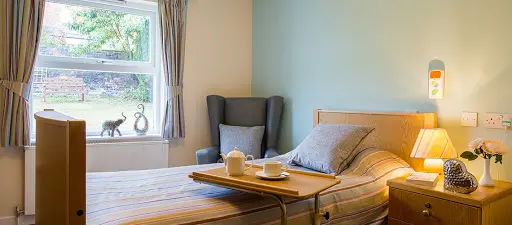
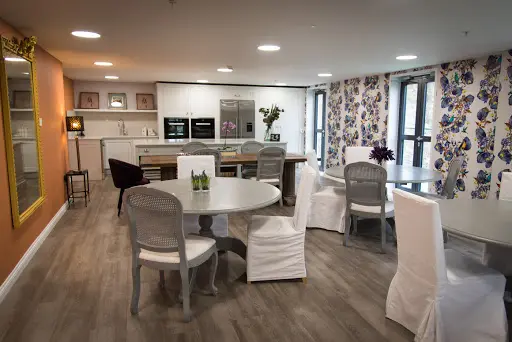
The standard of the surroundings catches people by surprise — rooms and communal areas feel more like a quality hotel than typical care accommodation. Everything's kept spotlessly clean and well-maintained, with residents even choosing their own room colours. The kitchen turns out meals that families describe as genuinely delicious, with menus adapted to suit individual tastes and dietary needs.
“Sometimes the best measure of a care home is how they handle life's most difficult moments — and here, that compassion shines through.”
DCC does not edit or curate content in this tab. For independently curated information, see The Evidence and DCC Verdict.