Moorend Place – Roseberry Care Centres
At a Glance
The information you need to decide whether this home warrants a closer look.
Nursing homes
Staff warmth score
of reviewers answered yes
Good to know
- Registered beds58
- SpecialismsCaring for adults over 65 yrs, Caring for adults under 65 yrs, Dementia
- Last inspected2020-04-01
Save Moorend Place – Roseberry Care Centres to your shortlist
Keep a running list, add visit notes, and compare homes side-by-side. Free account — it takes a minute.
STAGE 4 — RESEARCHING CARE HOMES
Visit homes. Compare them side by side. Choose with confidence.
Most of us will view care homes the way we view houses, impression, atmosphere, the feeling in the corridor. We go home, try to remember what we saw, and make a permanent decision from a blurred memory.

The DCC shortlist gives every home you visit a structured record: the same twelve questions, answered the same way, every time. When you’re ready to choose, pull any two homes side by side and compare them directly. Same criteria, same evidence, your notes and your scores.
The Evidence
What the review data, the inspection reports, and the dementia-care evidence base tell us about this home.
What families say
Visitors regularly comment on the warm reception they receive, with staff making time to chat despite busy schedules. The home runs a full programme of activities — from memory cafés to craft sessions — that keep residents engaged throughout the day. Families appreciate seeing their relatives participating in bingo, coffee mornings and other social activities that bring people together.
The eight family priority themes
- Staff warmth75
- Compassion & dignity85
- Cleanliness65
- Activities & engagement65
- Food quality60
- Healthcare65
- Management & leadership70
- Resident happiness70
What inspectors found
Inspected 2020-04-01
Is this home safe?
Is the care effective?
The inspection rated this domain Good. This indicates that care plans, healthcare access, staff training, and nutritional support were considered adequate at the time of the visit. The published summary provides no specific detail about dementia training content, GP access arrangements, how care plans are reviewed, or how families are involved in those reviews. As a nursing home with a dementia specialism, the quality of clinical oversight and care planning is particularly important.Is this home caring?
The inspection rated this domain Outstanding, the highest possible rating. This is the clearest signal in the entire report: inspectors found evidence of caring practice that substantially exceeded the standard expected of a Good home. Outstanding in Caring is awarded to fewer than one in ten care homes inspected. The published summary does not reproduce the specific observations or testimony that led to this rating, but the rating itself carries significant weight. The home's dementia specialism makes this finding particularly relevant.Is the home responsive?
The inspection rated this domain Good. This indicates that the home was considered to be responding to residents' individual needs and preferences adequately at the time of the visit. The published summary contains no specific detail about the activity programme, how one-to-one engagement is provided for residents who cannot join group sessions, how individual preferences are recorded and acted upon, or how complaints are handled. For a home with a dementia specialism, meaningful daily activity is a clinical need, not a luxury.Is the home well-led?
The inspection rated this domain Good. A named registered manager and a nominated individual are recorded in the registration data, which points to a stable governance structure. The published summary includes no specific observations about the manager's day-to-day visibility, how staff are supported and supervised, how feedback from residents and families is acted upon, or how the home has developed since the 2020 inspection. The inspection is now more than four years old, which is a significant gap for assessing current leadership quality.
Source: CQC inspection report →
What the evidence base says
Moorend Place provides residential care for adults over 65, with specialist support for those living with dementia. The home also accepts younger adults who need care support. The dementia care at Moorend Place incorporates memory-focused activities and structured daily routines that help residents feel secure. Staff work to understand each person's individual needs and preferences, adapting their approach accordingly. All areas worth probing directly during a visit.
The DCC Verdict
Our editorial view, built from the three lenses: what families tell us, what inspectors record, and how the home sits against good dementia-care practice.
DCC Family Score
Moorend Place scores well above average on compassion and dignity, reflecting its Outstanding rating for Caring, but the 2020 inspection date means many areas lack current, specific evidence and several important family questions remain unanswered.
Homes in Yorkshire & Humberside typically score 68–82.The three-lens summary
What families tell us
Visitors regularly comment on the warm reception they receive, with staff making time to chat despite busy schedules. The home runs a full programme of activities — from memory cafés to craft sessions — that keep residents engaged throughout the day. Families appreciate seeing their relatives participating in bingo, coffee mornings and other social activities that bring people together.
What inspectors have recorded
Staff demonstrate particular skill in supporting residents through difficult transitions, including emergency moves and adjustments from previous care settings. Families have been especially moved by the compassionate end-of-life care provided here, with staff ensuring dignity and comfort while supporting both residents and their loved ones through these sensitive times. The team maintains clear communication with families about care plans and any changes.
How it sits against good practice
For families navigating care decisions in Sheffield, visiting Moorend Place offers a chance to see their approach firsthand and chat with the team about your specific situation.
Worth a visit
Moorend Place, at 34 Commonside in Sheffield, was rated Good overall at its last official inspection in August 2020, with an Outstanding rating specifically for Caring. That Outstanding Caring rating is meaningful: inspectors reserve it for homes where the evidence of warmth, dignity, and respectful treatment goes well beyond the expected standard. The home is registered for 58 beds and lists dementia as one of its specialisms, alongside nursing and personal care for both older and younger adults. A named registered manager and nominated individual are in place, which points to a stable leadership structure. The most important thing to hold in mind is that this inspection took place in August 2020, more than four years ago. A lot can change in a care home over that period, including staffing, leadership, and physical conditions. The published summary is also brief, which means many of the questions families most need answered, including night staffing ratios, agency use, food quality, activity provision, and how the home involves families in care decisions, simply cannot be answered from the published record. Before committing to this home, visit in person, ideally at a mealtime or during an activity session, and ask the manager directly for the answers to the specific questions listed in this report.
The three questions to ask when you visitSave this home. Compare it against your shortlist.
Let our analysis show you how Moorend Place – Roseberry Care Centres measures up against the other homes you’re considering. Free account.
In Their Own Words
How Moorend Place – Roseberry Care Centres describes itself — collected from its own website. DCC has not edited or independently verified the content in this tab.
Where warmth meets expertise in Sheffield's dementia care
Moorend Place – Expert Care in Sheffield
When families visit Moorend Place in Sheffield, they're struck by how genuinely welcoming it feels. This care home supports residents with dementia alongside those needing general care, and families often mention how staff take time to connect with both residents and relatives. The home has built a reputation for creating meaningful moments, whether through daily activities or simply ensuring everyone feels heard.
Who they care for
Moorend Place provides residential care for adults over 65, with specialist support for those living with dementia. The home also accepts younger adults who need care support.
The dementia care at Moorend Place incorporates memory-focused activities and structured daily routines that help residents feel secure. Staff work to understand each person's individual needs and preferences, adapting their approach accordingly.
“For families navigating care decisions in Sheffield, visiting Moorend Place offers a chance to see their approach firsthand and chat with the team about your specific situation.”
DCC does not edit or curate content in this tab. For independently curated information, see The Evidence and DCC Verdict.
The DCC Verdict
Our editorial view, built from the three lenses: what families tell us, what inspectors record, and how the home sits against good dementia-care practice.
DCC Family Score
Moorend Place scores well above average on compassion and dignity, reflecting its Outstanding rating for Caring, but the 2020 inspection date means many areas lack current, specific evidence and several important family questions remain unanswered.
Homes in Yorkshire & Humberside typically score 68–82.The three-lens summary
What families tell us
Visitors regularly comment on the warm reception they receive, with staff making time to chat despite busy schedules. The home runs a full programme of activities — from memory cafés to craft sessions — that keep residents engaged throughout the day. Families appreciate seeing their relatives participating in bingo, coffee mornings and other social activities that bring people together.
What inspectors have recorded
Staff demonstrate particular skill in supporting residents through difficult transitions, including emergency moves and adjustments from previous care settings. Families have been especially moved by the compassionate end-of-life care provided here, with staff ensuring dignity and comfort while supporting both residents and their loved ones through these sensitive times. The team maintains clear communication with families about care plans and any changes.
How it sits against good practice
For families navigating care decisions in Sheffield, visiting Moorend Place offers a chance to see their approach firsthand and chat with the team about your specific situation.
Worth a visit
Moorend Place, at 34 Commonside in Sheffield, was rated Good overall at its last official inspection in August 2020, with an Outstanding rating specifically for Caring. That Outstanding Caring rating is meaningful: inspectors reserve it for homes where the evidence of warmth, dignity, and respectful treatment goes well beyond the expected standard. The home is registered for 58 beds and lists dementia as one of its specialisms, alongside nursing and personal care for both older and younger adults. A named registered manager and nominated individual are in place, which points to a stable leadership structure. The most important thing to hold in mind is that this inspection took place in August 2020, more than four years ago. A lot can change in a care home over that period, including staffing, leadership, and physical conditions. The published summary is also brief, which means many of the questions families most need answered, including night staffing ratios, agency use, food quality, activity provision, and how the home involves families in care decisions, simply cannot be answered from the published record. Before committing to this home, visit in person, ideally at a mealtime or during an activity session, and ask the manager directly for the answers to the specific questions listed in this report.
The three questions to ask when you visitSave this home. Compare it against your shortlist.
Let our analysis show you how Moorend Place – Roseberry Care Centres measures up against the other homes you’re considering. Free account.
In Their Own Words
How Moorend Place – Roseberry Care Centres describes itself — collected from its own website. DCC has not edited or independently verified the content in this tab.
Where warmth meets expertise in Sheffield's dementia care
Moorend Place – Expert Care in Sheffield
When families visit Moorend Place in Sheffield, they're struck by how genuinely welcoming it feels. This care home supports residents with dementia alongside those needing general care, and families often mention how staff take time to connect with both residents and relatives. The home has built a reputation for creating meaningful moments, whether through daily activities or simply ensuring everyone feels heard.
Who they care for
Moorend Place provides residential care for adults over 65, with specialist support for those living with dementia. The home also accepts younger adults who need care support.
The dementia care at Moorend Place incorporates memory-focused activities and structured daily routines that help residents feel secure. Staff work to understand each person's individual needs and preferences, adapting their approach accordingly.
Management & ethos
Staff demonstrate particular skill in supporting residents through difficult transitions, including emergency moves and adjustments from previous care settings. Families have been especially moved by the compassionate end-of-life care provided here, with staff ensuring dignity and comfort while supporting both residents and their loved ones through these sensitive times. The team maintains clear communication with families about care plans and any changes.
The home & environment
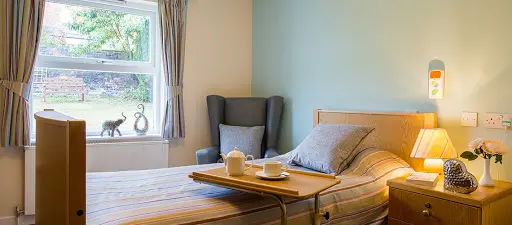
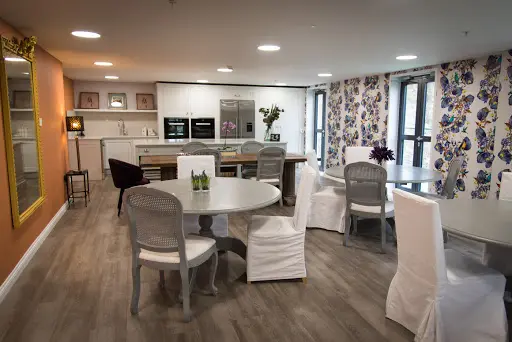
The home provides a café space where families can spend quality time with residents in a relaxed setting. While the building itself requires manual door opening by staff, which can occasionally slow entry during busy periods, visitors find the atmosphere inside comfortable and conducive to meaningful visits.
“For families navigating care decisions in Sheffield, visiting Moorend Place offers a chance to see their approach firsthand and chat with the team about your specific situation.”
DCC does not edit or curate content in this tab. For independently curated information, see The Evidence and DCC Verdict.