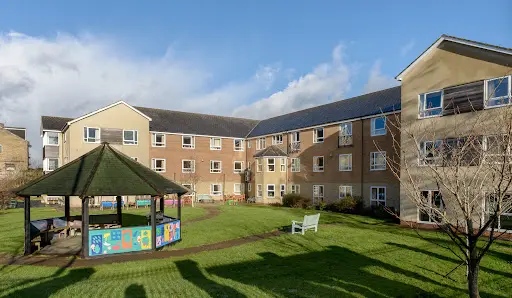
Haythorne Place Nursing Home- Roseberry Care Centres
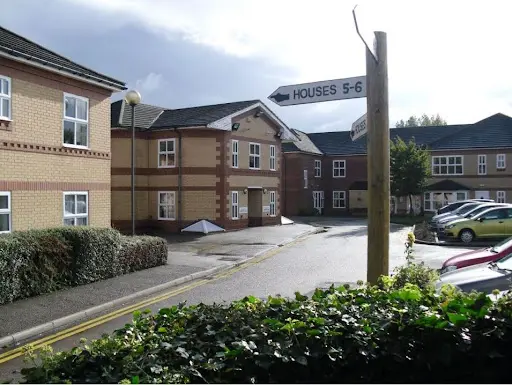
At a Glance
The information you need to decide whether this home warrants a closer look.
Nursing homes
Staff warmth score
of reviewers answered yes
Good to know
- Registered beds120
- SpecialismsCaring for adults over 65 yrs, Caring for adults under 65 yrs, Dementia, Mental health conditions, Physical disabilities
- Last inspected2021-03-27
Save Haythorne Place Nursing Home- Roseberry Care Centres to your shortlist
Keep a running list, add visit notes, and compare homes side-by-side. Free account — it takes a minute.
STAGE 4 — RESEARCHING CARE HOMES
Visit homes. Compare them side by side. Choose with confidence.
Most of us will view care homes the way we view houses, impression, atmosphere, the feeling in the corridor. We go home, try to remember what we saw, and make a permanent decision from a blurred memory.

The DCC shortlist gives every home you visit a structured record: the same twelve questions, answered the same way, every time. When you’re ready to choose, pull any two homes side by side and compare them directly. Same criteria, same evidence, your notes and your scores.
The Evidence
What the review data, the inspection reports, and the dementia-care evidence base tell us about this home.
What families say
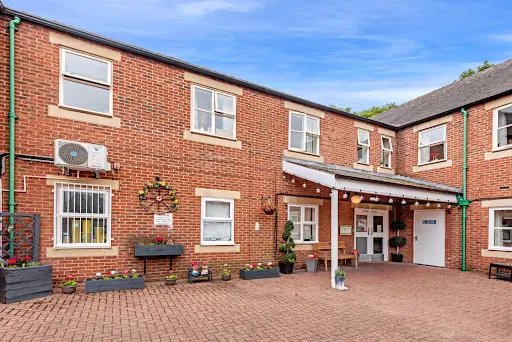
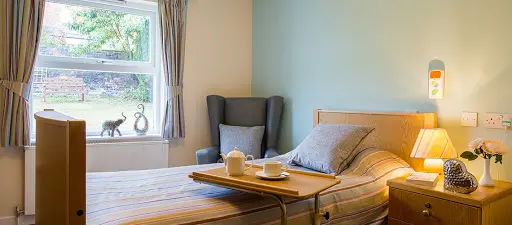
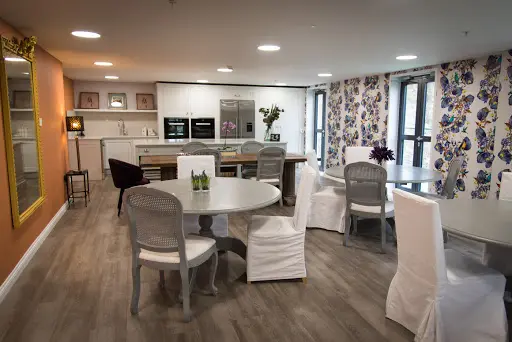
Families describe the staff as approachable and willing to stop for a conversation, which helps visitors feel comfortable. People notice residents taking part in activities and outings, with some areas of the home decorated tastefully. The atmosphere feels pleasant when you walk through the door.
The eight family priority themes
- Staff warmth72
- Compassion & dignity72
- Cleanliness70
- Activities & engagement60
- Food quality60
- Healthcare70
- Management & leadership45
- Resident happiness65
What inspectors found
Inspected 2021-03-27
Is this home safe?
Is the care effective?
The Effective domain was rated Good at the March 2025 inspection. This covers care planning, staff training, healthcare access, and nutrition. No specific observations, quotes, or examples were included in the published summary. A Good rating in this domain typically means inspectors reviewed care records and training logs and found them broadly satisfactory. Haythorne Place cares for adults with dementia, mental health conditions, and physical disabilities, so the depth and currency of dementia-specific training is particularly relevant.Is this home caring?
The Caring domain was rated Good at the March 2025 inspection. This is the domain most directly concerned with how staff treat the people who live at Haythorne Place, covering dignity, respect, privacy, and compassion. No direct inspector observations, resident quotes, or relative feedback were included in the published summary. A Good rating indicates inspectors did not find concerns in this area, but the absence of specific evidence means families cannot assess the warmth and consistency of daily interactions from the published report alone.Is the home responsive?
The Responsive domain was rated Good at the March 2025 inspection. This covers whether the home responds to individual needs, provides meaningful activities, supports independence, and plans for end of life. No specific detail on the activities programme, individual engagement, or end-of-life care planning was included in the published summary. For a home of 120 beds serving people with dementia, mental health conditions, and physical disabilities, the range and individualisation of activities is particularly important to verify directly.Is the home well-led?
The Well-led domain was rated Requires Improvement at the March 2025 inspection, and this is the reason the overall rating is Requires Improvement rather than Good. The published summary does not specify which aspects of leadership or governance fell short. This is the domain that covers the quality of management, the culture of the home, whether staff feel able to speak up, and whether the home has effective systems for monitoring quality and learning from things that go wrong. The previous overall rating was Good, meaning this represents a decline from the home's prior standard.
Source: CQC inspection report →
What the evidence base says
The home supports adults under 65 with physical disabilities and mental health conditions, alongside traditional elderly care. They have experience with dementia at different stages and can manage complex health needs including diabetes. Residents with dementia live in dedicated areas of the home designed for their specific needs. Staff understand the importance of maintaining routines and dignity as conditions progress. All areas worth probing directly during a visit.
The DCC Verdict
Our editorial view, built from the three lenses: what families tell us, what inspectors record, and how the home sits against good dementia-care practice.
DCC Family Score
Haythorne Place scores in the mid-range, reflecting Good ratings across care, safety, and effectiveness but a Requires Improvement finding in leadership. The leadership concern pulls the overall score down and is the area that warrants closest scrutiny on a visit.
Homes in Yorkshire & Humberside typically score 68–82.The three-lens summary
What families tell us
Families describe the staff as approachable and willing to stop for a conversation, which helps visitors feel comfortable. People notice residents taking part in activities and outings, with some areas of the home decorated tastefully. The atmosphere feels pleasant when you walk through the door.
What inspectors have recorded
Staff work hard to create a caring environment, though families have noticed they sometimes seem stretched. Communication with relatives happens regularly, particularly during important moments. The home achieved a Good rating from the CQC.
How it sits against good practice
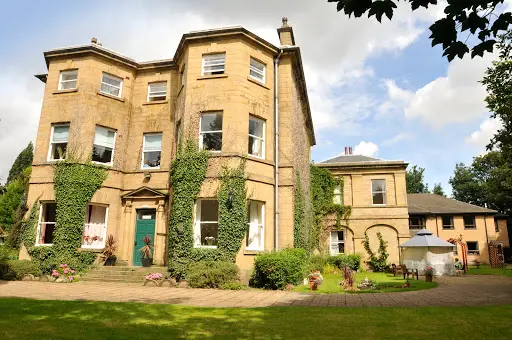
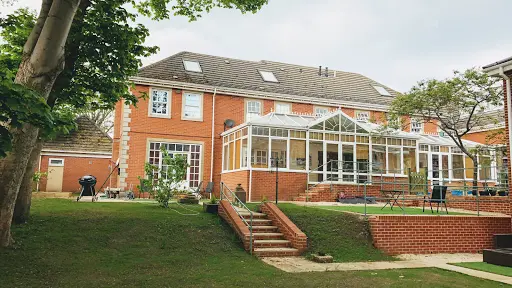
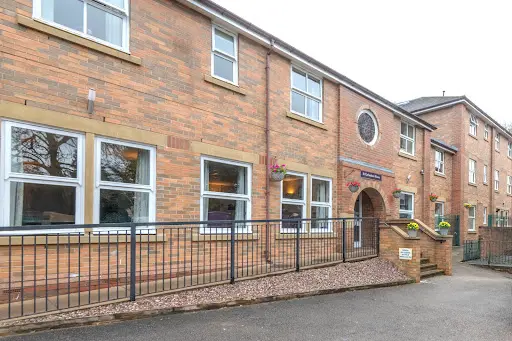
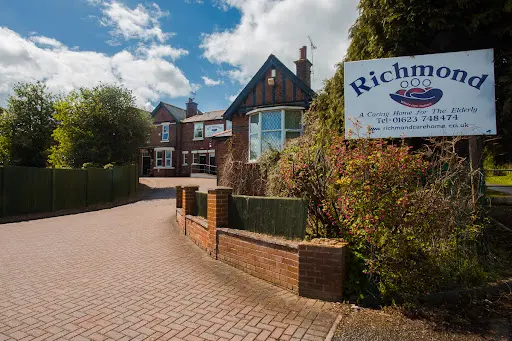
Visiting Haythorne Place will give you a feel for how the different houses work and which might suit your loved one best.
Worth a visit
Haythorne Place, on Shiregreen Lane in Sheffield, was assessed in March 2025 and the report published in May 2025. Inspectors rated the home Good in four of the five domains: Safe, Effective, Caring, and Responsive. The overall rating is Requires Improvement because the Well-led domain fell below the Good threshold, which is the standard required for an overall Good rating. The leadership finding is the central concern for families. A Requires Improvement in Well-led does not mean the home is unsafe, but it does mean inspectors identified governance or management issues significant enough to affect the overall rating. The published summary does not give the specific detail families need to assess the depth of those concerns, so a direct conversation with the registered manager is essential. Ask how long they have been in post, what specific actions they have taken in response to the inspection, and what measurable improvements they can point to since March 2025. Visit during the evening or at a weekend, when management presence is lower, to form your own view of how the home runs when senior leaders are not in the building.
The three questions to ask when you visitSave this home. Compare it against your shortlist.
Let our analysis show you how Haythorne Place Nursing Home- Roseberry Care Centres measures up against the other homes you’re considering. Free account.
In Their Own Words
How Haythorne Place Nursing Home- Roseberry Care Centres describes itself — collected from its own website. DCC has not edited or independently verified the content in this tab.
Sheffield care home where friendly staff make residents feel at ease
Nursing home in Sheffield: True Peace of Mind
When families need care for loved ones with dementia or mental health conditions, finding somewhere that feels welcoming matters. Haythorne Place in Sheffield offers support for adults of all ages, with staff who take time to chat with visitors and create a friendly atmosphere. The home provides specialist care across different houses, each designed for residents with particular needs.
Who they care for
The home supports adults under 65 with physical disabilities and mental health conditions, alongside traditional elderly care. They have experience with dementia at different stages and can manage complex health needs including diabetes.
Residents with dementia live in dedicated areas of the home designed for their specific needs. Staff understand the importance of maintaining routines and dignity as conditions progress.
“Visiting Haythorne Place will give you a feel for how the different houses work and which might suit your loved one best.”
DCC does not edit or curate content in this tab. For independently curated information, see The Evidence and DCC Verdict.
The DCC Verdict
Our editorial view, built from the three lenses: what families tell us, what inspectors record, and how the home sits against good dementia-care practice.
DCC Family Score
Haythorne Place scores in the mid-range, reflecting Good ratings across care, safety, and effectiveness but a Requires Improvement finding in leadership. The leadership concern pulls the overall score down and is the area that warrants closest scrutiny on a visit.
Homes in Yorkshire & Humberside typically score 68–82.The three-lens summary
What families tell us
Families describe the staff as approachable and willing to stop for a conversation, which helps visitors feel comfortable. People notice residents taking part in activities and outings, with some areas of the home decorated tastefully. The atmosphere feels pleasant when you walk through the door.
What inspectors have recorded
Staff work hard to create a caring environment, though families have noticed they sometimes seem stretched. Communication with relatives happens regularly, particularly during important moments. The home achieved a Good rating from the CQC.
How it sits against good practice
Visiting Haythorne Place will give you a feel for how the different houses work and which might suit your loved one best.
Worth a visit
Haythorne Place, on Shiregreen Lane in Sheffield, was assessed in March 2025 and the report published in May 2025. Inspectors rated the home Good in four of the five domains: Safe, Effective, Caring, and Responsive. The overall rating is Requires Improvement because the Well-led domain fell below the Good threshold, which is the standard required for an overall Good rating. The leadership finding is the central concern for families. A Requires Improvement in Well-led does not mean the home is unsafe, but it does mean inspectors identified governance or management issues significant enough to affect the overall rating. The published summary does not give the specific detail families need to assess the depth of those concerns, so a direct conversation with the registered manager is essential. Ask how long they have been in post, what specific actions they have taken in response to the inspection, and what measurable improvements they can point to since March 2025. Visit during the evening or at a weekend, when management presence is lower, to form your own view of how the home runs when senior leaders are not in the building.
The three questions to ask when you visitSave this home. Compare it against your shortlist.
Let our analysis show you how Haythorne Place Nursing Home- Roseberry Care Centres measures up against the other homes you’re considering. Free account.
In Their Own Words
How Haythorne Place Nursing Home- Roseberry Care Centres describes itself — collected from its own website. DCC has not edited or independently verified the content in this tab.
Sheffield care home where friendly staff make residents feel at ease
Nursing home in Sheffield: True Peace of Mind
When families need care for loved ones with dementia or mental health conditions, finding somewhere that feels welcoming matters. Haythorne Place in Sheffield offers support for adults of all ages, with staff who take time to chat with visitors and create a friendly atmosphere. The home provides specialist care across different houses, each designed for residents with particular needs.
Who they care for
The home supports adults under 65 with physical disabilities and mental health conditions, alongside traditional elderly care. They have experience with dementia at different stages and can manage complex health needs including diabetes.
Residents with dementia live in dedicated areas of the home designed for their specific needs. Staff understand the importance of maintaining routines and dignity as conditions progress.
Management & ethos
Staff work hard to create a caring environment, though families have noticed they sometimes seem stretched. Communication with relatives happens regularly, particularly during important moments. The home achieved a Good rating from the CQC.
The home & environment
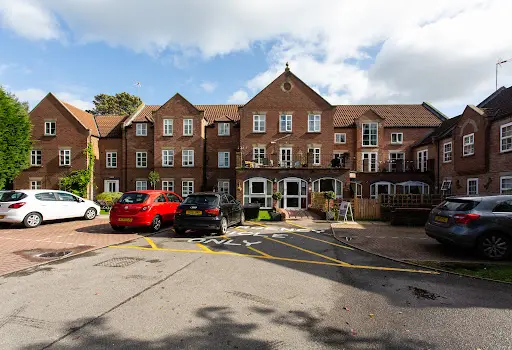
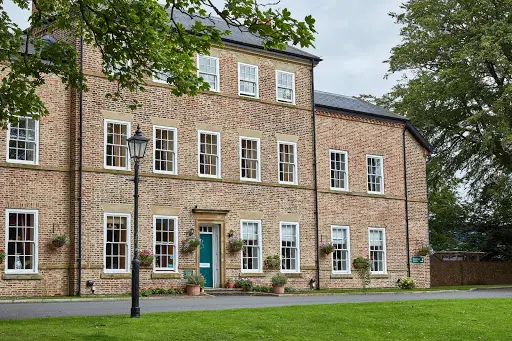
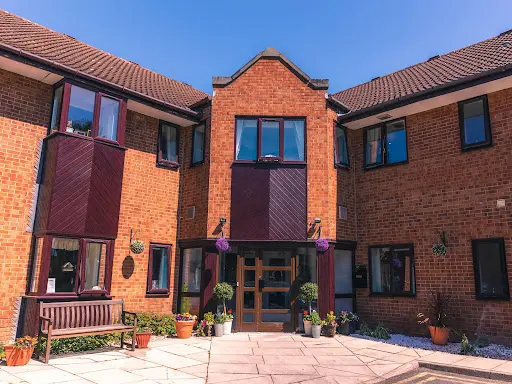
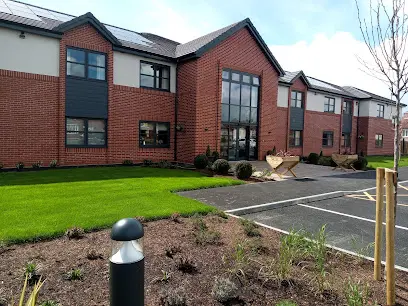
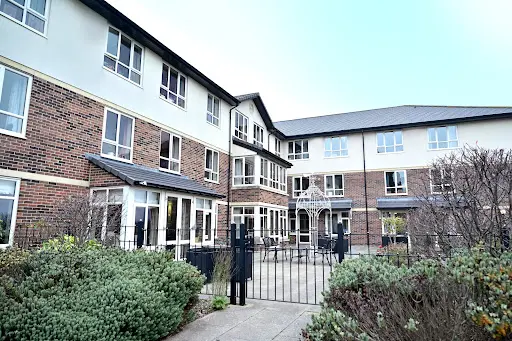
The home maintains clean premises across its different houses. Organised activities run regularly, though access can vary depending on which part of the home residents live in.
“Visiting Haythorne Place will give you a feel for how the different houses work and which might suit your loved one best.”
DCC does not edit or curate content in this tab. For independently curated information, see The Evidence and DCC Verdict.