The Grange
At a Glance
The information you need to decide whether this home warrants a closer look.
Residential homes
Staff warmth score
of reviewers answered yes
Good to know
- Registered beds25
- SpecialismsCaring for adults over 65 yrs, Caring for adults under 65 yrs, Dementia, Mental health conditions, Physical disabilities, Sensory impairment
- Last inspected2019-11-13
Save The Grange to your shortlist
Keep a running list, add visit notes, and compare homes side-by-side. Free account — it takes a minute.
STAGE 4 — RESEARCHING CARE HOMES
Visit homes. Compare them side by side. Choose with confidence.
Most of us will view care homes the way we view houses, impression, atmosphere, the feeling in the corridor. We go home, try to remember what we saw, and make a permanent decision from a blurred memory.

The DCC shortlist gives every home you visit a structured record: the same twelve questions, answered the same way, every time. When you’re ready to choose, pull any two homes side by side and compare them directly. Same criteria, same evidence, your notes and your scores.
The Evidence
What the review data, the inspection reports, and the dementia-care evidence base tell us about this home.
What families say
Visitors describe a relaxing atmosphere throughout the home, with staff who greet residents like old friends. Families mention how the team creates an environment where their loved ones feel comfortable and valued, not just cared for.
The eight family priority themes
- Staff warmth55
- Compassion & dignity55
- Cleanliness55
- Activities & engagement50
- Food quality50
- Healthcare55
- Management & leadership35
- Resident happiness55
What inspectors found
Inspected 2019-11-13
Is this home safe?
Is the care effective?
Effective was rated Good at the September 2019 inspection. This domain covers training, care planning, healthcare access, nutrition, and how well the home supports people to maintain their health. The home lists dementia as a specialism, which means inspectors would have expected to see evidence of dementia-specific training and care planning. No specific detail about training content, GP access arrangements, medication administration, or food quality is included in the published report.Is this home caring?
Caring was rated Good at the September 2019 inspection. This domain covers staff warmth, dignity, respect, and whether people are supported to maintain their independence. A Good rating here means inspectors were satisfied that the home's approach to care was respectful and kind. No specific observations, such as whether staff used preferred names, knocked before entering rooms, or responded well to distress, are recorded in the published report. No quotes from residents or relatives are included in the available text.Is the home responsive?
Responsive was rated Good at the September 2019 inspection. This domain covers whether the home adapts its care to individual needs, whether activities are meaningful and varied, and whether complaints are handled well. The home supports people with a wide range of needs including dementia, mental health conditions, physical disabilities, and sensory impairment. No specific examples of activities, individual engagement, or complaint handling are recorded in the published summary.Is the home well-led?
Well-led was rated Requires Improvement at the September 2019 inspection. This is the one domain where inspectors found the home falling short of the Good standard. The published summary does not specify what the concerns were, whether they related to governance systems, management oversight, staff culture, or something else. The home is operated by Derbyshire County Council, with a nominated individual named in the registration. The inspection took place over five years ago, so it is not known whether the issues identified at the time have since been resolved.
Source: CQC inspection report →
What the evidence base says
The Grange supports younger adults under 65 alongside older residents, with experience in sensory impairments, physical disabilities and mental health conditions. They provide both dementia care and rehabilitation support. The home has experience supporting residents living with dementia as part of their wider care approach. Staff work with families to provide appropriate support for each individual's needs. All areas worth probing directly during a visit.
The DCC Verdict
Our editorial view, built from the three lenses: what families tell us, what inspectors record, and how the home sits against good dementia-care practice.
DCC Family Score
The Grange Care Home scores 68 out of 100. Four of five domains were rated Good at inspection, but the Requires Improvement rating for leadership pulls the overall score down, and the published report contains very little specific detail to reassure families beyond the headline ratings.
Homes in East Midlands typically score 68–82.The three-lens summary
What families tell us
Visitors describe a relaxing atmosphere throughout the home, with staff who greet residents like old friends. Families mention how the team creates an environment where their loved ones feel comfortable and valued, not just cared for.
What inspectors have recorded
What stands out is how staff remember residents from previous stays, suggesting a team that really pays attention to the people in their care. Families talk about seeing genuine friendliness from the whole team, with consistent care that helps residents through rehabilitation and recovery.
How it sits against good practice
It's worth visiting to get a feel for whether The Grange's approach to rehabilitation and long-term care would suit your family member.
Worth a visit
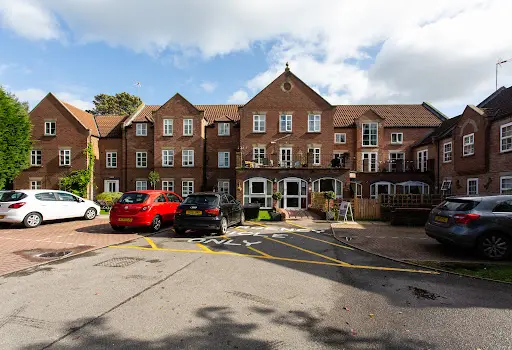
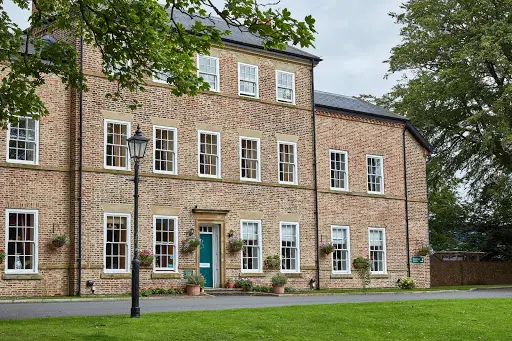
The Grange Care Home, at 88 Southgate, Sheffield, was rated Good overall at its inspection in September 2019, with Good ratings across Safe, Effective, Caring, and Responsive. The home is run by Derbyshire County Council and has 25 beds, supporting people with dementia, mental health conditions, physical disabilities, and sensory impairment. The published report is very brief and contains almost no specific observations, quotes, or detail beyond the headline domain ratings. The single most important flag for families is the Requires Improvement rating in Well-led. Leadership quality is one of the strongest predictors of how a home performs over time, and this rating means inspectors found something in governance, culture, or oversight that needed addressing. The report was published in November 2019, which means these findings are now over five years old. A great deal can change in that time. Before making a decision, ask who the current registered manager is, how long they have been in post, and whether a more recent inspection has taken place. Request to see the home's most recent quality monitoring report, and visit at different times of day to form your own view of how staff interact with the people who live there.
The three questions to ask when you visitSave this home. Compare it against your shortlist.
Let our analysis show you how The Grange measures up against the other homes you’re considering. Free account.
In Their Own Words
How The Grange describes itself — collected from its own website. DCC has not edited or independently verified the content in this tab.
Where kindness meets genuine care in Sheffield
The Grange Care Home – Your Trusted residential home
Sometimes you find a care home where the warmth hits you the moment you walk through the door. The Grange Care Home in Sheffield seems to be one of those places, where families talk about staff who remember their loved ones from previous stays and take time to really get to know each resident. It's the kind of place where rehabilitation isn't just a service on paper but something families see making a real difference.
Who they care for
The Grange supports younger adults under 65 alongside older residents, with experience in sensory impairments, physical disabilities and mental health conditions. They provide both dementia care and rehabilitation support.
The home has experience supporting residents living with dementia as part of their wider care approach. Staff work with families to provide appropriate support for each individual's needs.
“It's worth visiting to get a feel for whether The Grange's approach to rehabilitation and long-term care would suit your family member.”
DCC does not edit or curate content in this tab. For independently curated information, see The Evidence and DCC Verdict.
The DCC Verdict
Our editorial view, built from the three lenses: what families tell us, what inspectors record, and how the home sits against good dementia-care practice.
DCC Family Score
The Grange Care Home scores 68 out of 100. Four of five domains were rated Good at inspection, but the Requires Improvement rating for leadership pulls the overall score down, and the published report contains very little specific detail to reassure families beyond the headline ratings.
Homes in East Midlands typically score 68–82.The three-lens summary
What families tell us
Visitors describe a relaxing atmosphere throughout the home, with staff who greet residents like old friends. Families mention how the team creates an environment where their loved ones feel comfortable and valued, not just cared for.
What inspectors have recorded
What stands out is how staff remember residents from previous stays, suggesting a team that really pays attention to the people in their care. Families talk about seeing genuine friendliness from the whole team, with consistent care that helps residents through rehabilitation and recovery.
How it sits against good practice
It's worth visiting to get a feel for whether The Grange's approach to rehabilitation and long-term care would suit your family member.
Worth a visit
The Grange Care Home, at 88 Southgate, Sheffield, was rated Good overall at its inspection in September 2019, with Good ratings across Safe, Effective, Caring, and Responsive. The home is run by Derbyshire County Council and has 25 beds, supporting people with dementia, mental health conditions, physical disabilities, and sensory impairment. The published report is very brief and contains almost no specific observations, quotes, or detail beyond the headline domain ratings. The single most important flag for families is the Requires Improvement rating in Well-led. Leadership quality is one of the strongest predictors of how a home performs over time, and this rating means inspectors found something in governance, culture, or oversight that needed addressing. The report was published in November 2019, which means these findings are now over five years old. A great deal can change in that time. Before making a decision, ask who the current registered manager is, how long they have been in post, and whether a more recent inspection has taken place. Request to see the home's most recent quality monitoring report, and visit at different times of day to form your own view of how staff interact with the people who live there.
The three questions to ask when you visitSave this home. Compare it against your shortlist.
Let our analysis show you how The Grange measures up against the other homes you’re considering. Free account.
In Their Own Words
How The Grange describes itself — collected from its own website. DCC has not edited or independently verified the content in this tab.
Where kindness meets genuine care in Sheffield
The Grange Care Home – Your Trusted residential home
Sometimes you find a care home where the warmth hits you the moment you walk through the door. The Grange Care Home in Sheffield seems to be one of those places, where families talk about staff who remember their loved ones from previous stays and take time to really get to know each resident. It's the kind of place where rehabilitation isn't just a service on paper but something families see making a real difference.
Who they care for
The Grange supports younger adults under 65 alongside older residents, with experience in sensory impairments, physical disabilities and mental health conditions. They provide both dementia care and rehabilitation support.
The home has experience supporting residents living with dementia as part of their wider care approach. Staff work with families to provide appropriate support for each individual's needs.
Management & ethos
What stands out is how staff remember residents from previous stays, suggesting a team that really pays attention to the people in their care. Families talk about seeing genuine friendliness from the whole team, with consistent care that helps residents through rehabilitation and recovery.
The home & environment
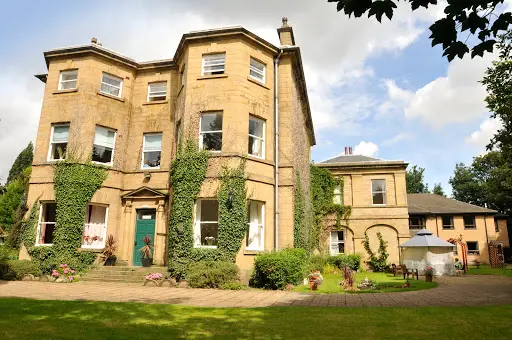
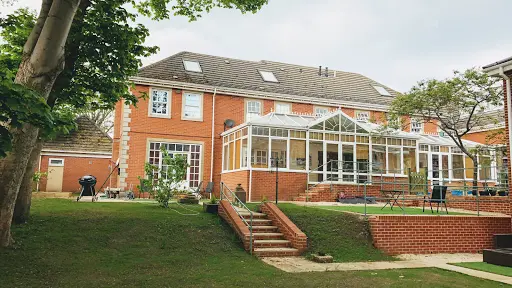
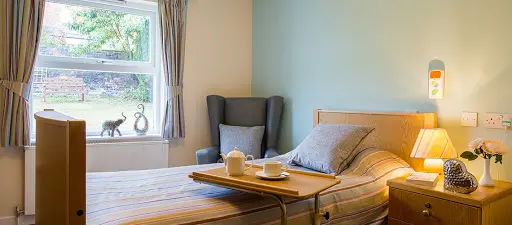
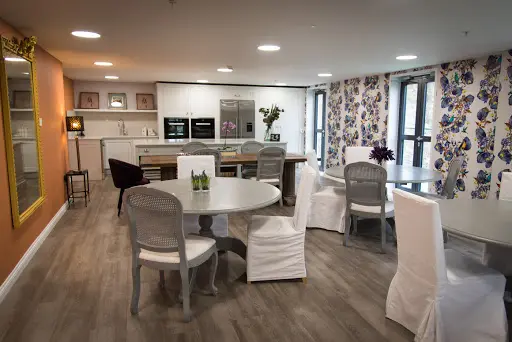
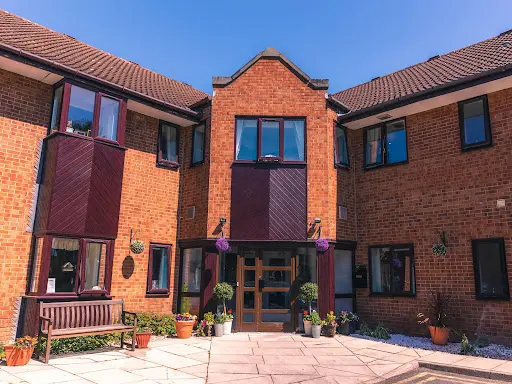
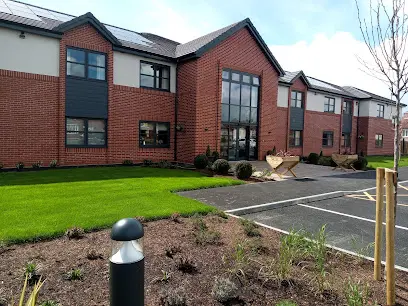
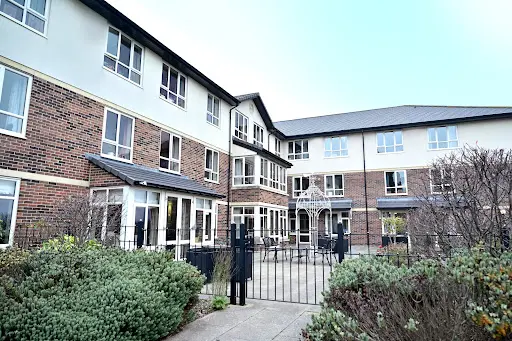
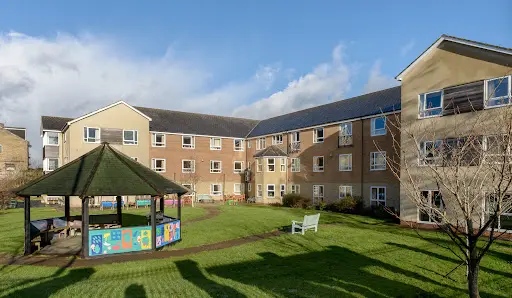
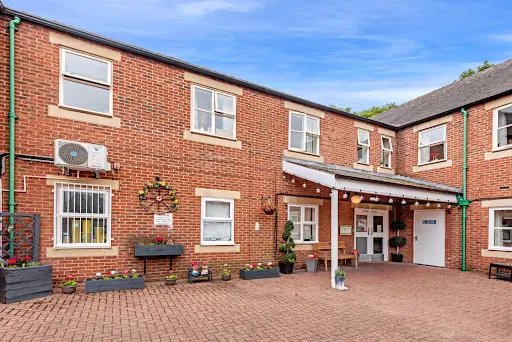
The gardens get plenty of use, giving residents proper outdoor space to enjoy throughout the year. Families appreciate finding everything clean and well-maintained during their visits, and several mention being pleased with the quality of meals their relatives receive.
“It's worth visiting to get a feel for whether The Grange's approach to rehabilitation and long-term care would suit your family member.”
DCC does not edit or curate content in this tab. For independently curated information, see The Evidence and DCC Verdict.