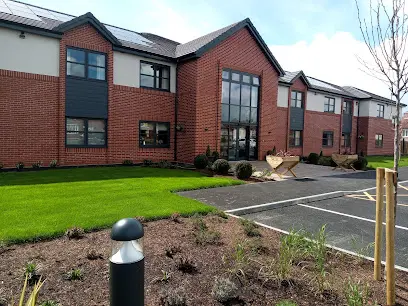
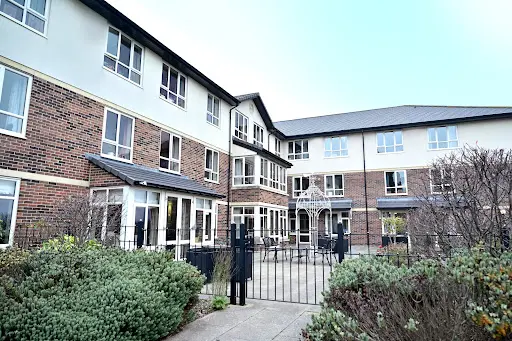
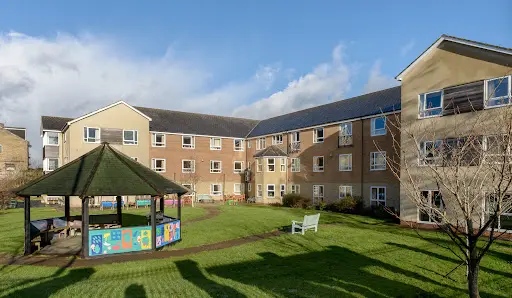
Westbourne House
At a Glance
The information you need to decide whether this home warrants a closer look.
Nursing homes
Staff warmth score
of reviewers answered yes
Good to know
- Registered beds71
- SpecialismsCaring for adults over 65 yrs, Dementia
- Last inspected2022-05-25
Save Westbourne House to your shortlist
Keep a running list, add visit notes, and compare homes side-by-side. Free account — it takes a minute.
STAGE 4 — RESEARCHING CARE HOMES
Visit homes. Compare them side by side. Choose with confidence.
Most of us will view care homes the way we view houses, impression, atmosphere, the feeling in the corridor. We go home, try to remember what we saw, and make a permanent decision from a blurred memory.

The DCC shortlist gives every home you visit a structured record: the same twelve questions, answered the same way, every time. When you’re ready to choose, pull any two homes side by side and compare them directly. Same criteria, same evidence, your notes and your scores.
The Evidence
What the review data, the inspection reports, and the dementia-care evidence base tell us about this home.
What families say
Families describe particularly attentive care during critical transitions, whether that's supporting someone through end-of-life care or helping them regain their independence after illness. The nursing team responds quickly to call bells, and several people have shared how staff supported their relatives' recovery goals during short rehabilitation stays.
The eight family priority themes
- Staff warmth72
- Compassion & dignity72
- Cleanliness70
- Activities & engagement68
- Food quality68
- Healthcare70
- Management & leadership74
- Resident happiness70
What inspectors found
Inspected 2022-05-25
Is this home safe?
Is the care effective?
The inspection rated effectiveness as Good. This domain covers whether staff have the right training, whether care plans are detailed and kept up to date, whether residents have regular access to GPs and other health professionals, and whether food meets individual nutritional needs. The published report does not provide specific examples, training completion rates, or care plan detail. The Good rating indicates inspectors were satisfied with the evidence they reviewed, but that evidence is not visible in the published summary.Is this home caring?
Inspectors rated the caring domain as Good. This covers whether staff treat people with warmth, respect their privacy, address them by their preferred name, and support their independence. No direct inspector observations about staff interactions, no quotes from people living in the home, and no relative testimony are included in the published report text. The rating is a positive signal, but the texture of daily life for your parent is not described.Is the home responsive?
Responsiveness was rated Good by inspectors. This domain covers whether the home tailors daily life to the individual, whether activities are varied and meaningful, whether the home responds to complaints, and whether end-of-life care is planned thoughtfully. The published report does not describe the activities programme, give examples of individual care approaches, or mention end-of-life planning arrangements. The rating is positive but the specific evidence behind it is not available in the published text.Is the home well-led?
Leadership and governance were rated Good. The registration lists two registered managers, Mrs Marcella Wilkinson and Mr Mark Keith Richards, alongside a nominated individual, Mrs Nicola Richards. The improvement from Requires Improvement to Good across all domains suggests the leadership team has driven meaningful change since the previous inspection. The published report does not describe management visibility, staff culture, complaint handling, or how the home monitors its own quality. The rating is the most recent signal available.
Source: CQC inspection report →
What the evidence base says
The home provides nursing care for adults over 65, with particular experience in dementia support. They offer both long-term placements and shorter rehabilitation stays for people recovering from hospital treatment. For residents living with dementia, the nursing team provides specialised support within the home's secure environment. The home accepts residents at different stages of their dementia journey. All areas worth probing directly during a visit.
The DCC Verdict
Our editorial view, built from the three lenses: what families tell us, what inspectors record, and how the home sits against good dementia-care practice.
DCC Family Score
Westbourne House Nursing Home has improved from Requires Improvement to Good across all five inspection domains, which is a meaningful positive step. However, because the published report contains very limited specific detail, observations, or direct testimony, scores reflect a cautious mid-range position rather than confirmed excellence.
Homes in Yorkshire & Humberside typically score 68–82.The three-lens summary
What families tell us
Families describe particularly attentive care during critical transitions, whether that's supporting someone through end-of-life care or helping them regain their independence after illness. The nursing team responds quickly to call bells, and several people have shared how staff supported their relatives' recovery goals during short rehabilitation stays.
What inspectors have recorded
Some families have raised concerns about aspects of care delivery and communication. While many staff receive praise for their responsiveness and empathy, experiences vary, particularly around care planning and coordination.
How it sits against good practice
If you're considering Westbourne House, visiting in person will help you understand whether it's the right fit for your family's needs.
Worth a visit
Westbourne House Nursing Home, on Earl Marshal Road in Sheffield, was assessed on 1 October 2025 and rated Good across all five inspection domains: safe, effective, caring, responsive, and well-led. This is a genuine improvement from a previous rating of Requires Improvement, which means inspectors found the home had addressed whatever concerns prompted the earlier rating. The home provides nursing care for up to 71 people, with a registered specialism in dementia, and has named registered managers in post. The main limitation for you as a family is that the published report text is very brief: it confirms the ratings but does not include the inspector observations, resident quotes, or specific examples that would allow a full picture of daily life for your mum or dad. A Good rating is meaningful, but it tells you the floor, not the ceiling. Before making a decision, visit unannounced if possible, ask to see last week's actual staffing rota for the night shift, ask what specific dementia training all staff have completed, and find out how the home will keep you informed if your parent's condition changes.
The three questions to ask when you visitSave this home. Compare it against your shortlist.
Let our analysis show you how Westbourne House measures up against the other homes you’re considering. Free account.
In Their Own Words
How Westbourne House describes itself — collected from its own website. DCC has not edited or independently verified the content in this tab.
Specialist nursing care for recovery and complex health needs
Compassionate Care in Sheffield at Westbourne House Nursing Home
When someone you love needs skilled nursing support, finding the right place feels overwhelming. Westbourne House Nursing Home in Sheffield provides round-the-clock nursing care, particularly for older adults recovering from hospital stays or living with complex conditions. The home specialises in rehabilitation pathways and dementia care, with on-site catering preparing fresh meals daily.
Who they care for
The home provides nursing care for adults over 65, with particular experience in dementia support. They offer both long-term placements and shorter rehabilitation stays for people recovering from hospital treatment.
For residents living with dementia, the nursing team provides specialised support within the home's secure environment. The home accepts residents at different stages of their dementia journey.
“If you're considering Westbourne House, visiting in person will help you understand whether it's the right fit for your family's needs.”
DCC does not edit or curate content in this tab. For independently curated information, see The Evidence and DCC Verdict.
The DCC Verdict
Our editorial view, built from the three lenses: what families tell us, what inspectors record, and how the home sits against good dementia-care practice.
DCC Family Score
Westbourne House Nursing Home has improved from Requires Improvement to Good across all five inspection domains, which is a meaningful positive step. However, because the published report contains very limited specific detail, observations, or direct testimony, scores reflect a cautious mid-range position rather than confirmed excellence.
Homes in Yorkshire & Humberside typically score 68–82.The three-lens summary
What families tell us
Families describe particularly attentive care during critical transitions, whether that's supporting someone through end-of-life care or helping them regain their independence after illness. The nursing team responds quickly to call bells, and several people have shared how staff supported their relatives' recovery goals during short rehabilitation stays.
What inspectors have recorded
Some families have raised concerns about aspects of care delivery and communication. While many staff receive praise for their responsiveness and empathy, experiences vary, particularly around care planning and coordination.
How it sits against good practice
If you're considering Westbourne House, visiting in person will help you understand whether it's the right fit for your family's needs.
Worth a visit
Westbourne House Nursing Home, on Earl Marshal Road in Sheffield, was assessed on 1 October 2025 and rated Good across all five inspection domains: safe, effective, caring, responsive, and well-led. This is a genuine improvement from a previous rating of Requires Improvement, which means inspectors found the home had addressed whatever concerns prompted the earlier rating. The home provides nursing care for up to 71 people, with a registered specialism in dementia, and has named registered managers in post. The main limitation for you as a family is that the published report text is very brief: it confirms the ratings but does not include the inspector observations, resident quotes, or specific examples that would allow a full picture of daily life for your mum or dad. A Good rating is meaningful, but it tells you the floor, not the ceiling. Before making a decision, visit unannounced if possible, ask to see last week's actual staffing rota for the night shift, ask what specific dementia training all staff have completed, and find out how the home will keep you informed if your parent's condition changes.
The three questions to ask when you visitSave this home. Compare it against your shortlist.
Let our analysis show you how Westbourne House measures up against the other homes you’re considering. Free account.
In Their Own Words
How Westbourne House describes itself — collected from its own website. DCC has not edited or independently verified the content in this tab.
Specialist nursing care for recovery and complex health needs
Compassionate Care in Sheffield at Westbourne House Nursing Home
When someone you love needs skilled nursing support, finding the right place feels overwhelming. Westbourne House Nursing Home in Sheffield provides round-the-clock nursing care, particularly for older adults recovering from hospital stays or living with complex conditions. The home specialises in rehabilitation pathways and dementia care, with on-site catering preparing fresh meals daily.
Who they care for
The home provides nursing care for adults over 65, with particular experience in dementia support. They offer both long-term placements and shorter rehabilitation stays for people recovering from hospital treatment.
For residents living with dementia, the nursing team provides specialised support within the home's secure environment. The home accepts residents at different stages of their dementia journey.
Management & ethos
Some families have raised concerns about aspects of care delivery and communication. While many staff receive praise for their responsiveness and empathy, experiences vary, particularly around care planning and coordination.
The home & environment
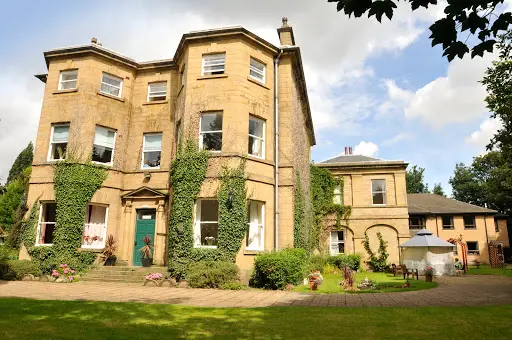
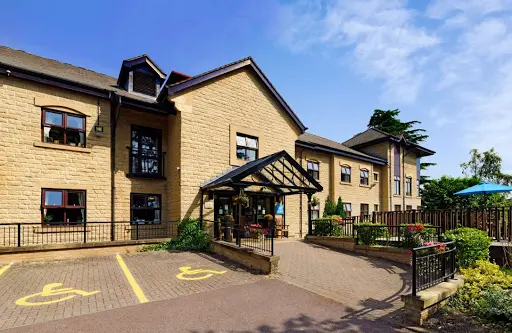
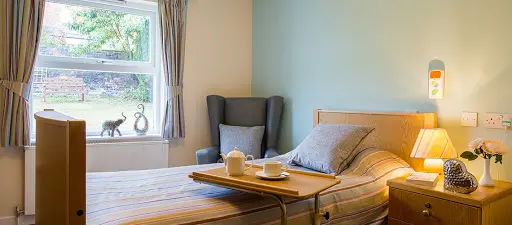
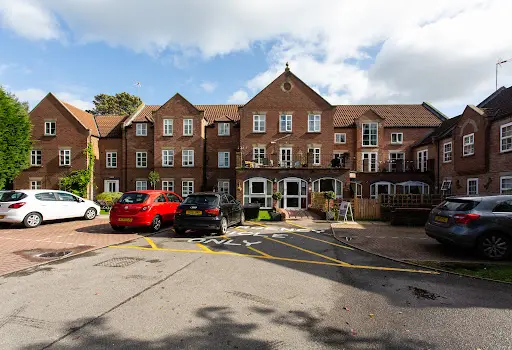
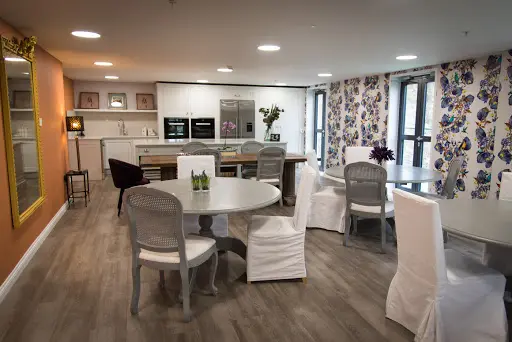
The kitchen prepares all meals fresh on-site, with families noting appropriate portions and good quality food for elderly residents. The home has facilities to support both rehabilitation work and longer-term nursing needs.
“If you're considering Westbourne House, visiting in person will help you understand whether it's the right fit for your family's needs.”
DCC does not edit or curate content in this tab. For independently curated information, see The Evidence and DCC Verdict.