Bridge House Care Home
At a Glance
The information you need to decide whether this home warrants a closer look.
Nursing homes
Staff warmth score
of reviewers answered yes
Good to know
- Registered beds67
- SpecialismsCaring for adults over 65 yrs, Dementia, Physical disabilities, Sensory impairment
- Last inspected2023-05-04
Save Bridge House Care Home to your shortlist
Keep a running list, add visit notes, and compare homes side-by-side. Free account — it takes a minute.
STAGE 4 — RESEARCHING CARE HOMES
Visit homes. Compare them side by side. Choose with confidence.
Most of us will view care homes the way we view houses, impression, atmosphere, the feeling in the corridor. We go home, try to remember what we saw, and make a permanent decision from a blurred memory.

The DCC shortlist gives every home you visit a structured record: the same twelve questions, answered the same way, every time. When you’re ready to choose, pull any two homes side by side and compare them directly. Same criteria, same evidence, your notes and your scores.
The Evidence
What the review data, the inspection reports, and the dementia-care evidence base tell us about this home.
What families say
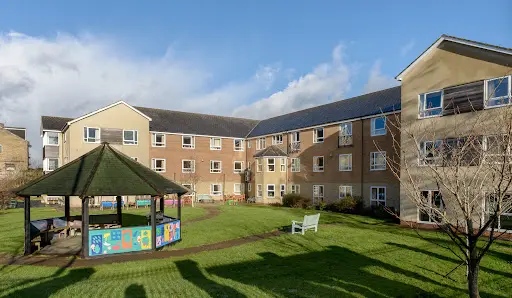
People talk about walking into a place that feels alive with purposeful activity. Residents are out in the community, enjoying structured programmes, or simply chatting in the well-kept gardens and terraces. The team seems to have mastered that delicate balance — creating structure and stimulation while respecting when someone just needs quiet companionship.
The eight family priority themes
- Staff warmth72
- Compassion & dignity72
- Cleanliness70
- Activities & engagement65
- Food quality65
- Healthcare70
- Management & leadership72
- Resident happiness70
What inspectors found
Inspected 2023-05-04
Is this home safe?
Is the care effective?
The Effective domain was rated Good at the November 2024 inspection. This domain covers training, care planning, healthcare access, nutrition, and how well staff understand the needs of people living with dementia. The published report text does not include specific examples of care plan quality, GP access arrangements, or dementia training content.Is this home caring?
The Caring domain was rated Good at the November 2024 inspection. This domain covers the warmth of staff interactions, respect for dignity and privacy, and how well staff support residents to maintain independence. No specific inspector observations, resident quotes, or examples of caring practice are included in the published report text.Is the home responsive?
The Responsive domain was rated Good at the November 2024 inspection. This domain covers activities, individual engagement, how the home responds to changing needs, and end-of-life care. No specific detail about the activity programme, individual engagement for people with advanced dementia, or end-of-life planning is included in the published report text.Is the home well-led?
The Well-led domain was rated Good at the November 2024 inspection. The registered manager is Miss Patricia Anne-Marie Lavery and the nominated individual is Mr Joshua John Fisher. This domain covers governance, culture, staff empowerment, and how the home responds to complaints and incidents. No specific detail about management visibility, staff culture, or quality improvement processes is available in the published report text.
Source: CQC inspection report →
What the evidence base says
Bridge House specialises in caring for people over 65 with dementia, sensory impairments and physical disabilities. The home provides both long-term and respite care. For residents living with dementia, the team focuses on maintaining connection and purpose. Activities are adapted to include everyone, regardless of cognitive ability, and there's clear attention to preserving dignity while providing necessary support. All areas worth probing directly during a visit.
The DCC Verdict
Our editorial view, built from the three lenses: what families tell us, what inspectors record, and how the home sits against good dementia-care practice.
DCC Family Score
Bridge House Care Home was rated Good across all five inspection domains at its most recent assessment in November 2024, which is an encouraging recovery from its earlier Requires Improvement rating. However, the published report contains very limited specific detail, so most scores reflect a solid baseline rather than strong individual evidence.
Homes in Yorkshire & Humberside typically score 68–82.The three-lens summary
What families tell us
People talk about walking into a place that feels alive with purposeful activity. Residents are out in the community, enjoying structured programmes, or simply chatting in the well-kept gardens and terraces. The team seems to have mastered that delicate balance — creating structure and stimulation while respecting when someone just needs quiet companionship.
What inspectors have recorded
The current management team appears to have transformed how Bridge House operates. Staff are notably accessible — families mention being able to reach someone meaningful outside standard hours when concerns arise. There's a proactive approach to keeping relatives informed that goes beyond routine updates. Several people have commented on how the team handles the hardest moments with genuine compassion, particularly during end-of-life care.
How it sits against good practice
Recent years have seen Bridge House emerge stronger, with families noting visible improvements in every aspect of care delivery.
Worth a visit
Bridge House Care Home, at 95 Bracken Road, Brighouse, was assessed in November 2024 and rated Good across all five inspection domains: Safe, Effective, Caring, Responsive, and Well-led. This is a meaningful improvement on an earlier Requires Improvement rating and suggests the home has addressed whatever concerns prompted that decline. The home is registered to care for adults over 65, people living with dementia, and those with physical disabilities or sensory impairments, across 67 beds. The main limitation here is that the published report text available for this assessment contains almost no specific detail: no inspector observations, no resident or family quotes, and no named examples of good or poor practice. A Good rating across all domains is genuinely encouraging, but it is not enough on its own for a decision about your parent's care. Before visiting, prepare a list of questions covering night staffing ratios, agency use, dementia training content, and how families are kept informed. On the visit itself, watch how staff interact with residents in corridors and communal spaces, ask to see an actual recent activity rota, and if possible arrange to visit at a mealtime.
The three questions to ask when you visitSave this home. Compare it against your shortlist.
Let our analysis show you how Bridge House Care Home measures up against the other homes you’re considering. Free account.
In Their Own Words
How Bridge House Care Home describes itself — collected from its own website. DCC has not edited or independently verified the content in this tab.
Where every resident matters, whatever their needs might be
Dedicated nursing home Support in Brighouse
Families searching for care in Brighouse often discover that Bridge House Care Home has quietly built something special. The home's approach to supporting people with dementia, sensory impairments and physical disabilities has earned consistent praise from relatives who've watched their loved ones flourish here. What stands out is how the team makes time for everyone — whether that's sitting with someone who needs extra reassurance or making sure families feel genuinely welcomed whenever they visit.
Who they care for
Bridge House specialises in caring for people over 65 with dementia, sensory impairments and physical disabilities. The home provides both long-term and respite care.
For residents living with dementia, the team focuses on maintaining connection and purpose. Activities are adapted to include everyone, regardless of cognitive ability, and there's clear attention to preserving dignity while providing necessary support.
“Recent years have seen Bridge House emerge stronger, with families noting visible improvements in every aspect of care delivery.”
DCC does not edit or curate content in this tab. For independently curated information, see The Evidence and DCC Verdict.
The DCC Verdict
Our editorial view, built from the three lenses: what families tell us, what inspectors record, and how the home sits against good dementia-care practice.
DCC Family Score
Bridge House Care Home was rated Good across all five inspection domains at its most recent assessment in November 2024, which is an encouraging recovery from its earlier Requires Improvement rating. However, the published report contains very limited specific detail, so most scores reflect a solid baseline rather than strong individual evidence.
Homes in Yorkshire & Humberside typically score 68–82.The three-lens summary
What families tell us
People talk about walking into a place that feels alive with purposeful activity. Residents are out in the community, enjoying structured programmes, or simply chatting in the well-kept gardens and terraces. The team seems to have mastered that delicate balance — creating structure and stimulation while respecting when someone just needs quiet companionship.
What inspectors have recorded
The current management team appears to have transformed how Bridge House operates. Staff are notably accessible — families mention being able to reach someone meaningful outside standard hours when concerns arise. There's a proactive approach to keeping relatives informed that goes beyond routine updates. Several people have commented on how the team handles the hardest moments with genuine compassion, particularly during end-of-life care.
How it sits against good practice
Recent years have seen Bridge House emerge stronger, with families noting visible improvements in every aspect of care delivery.
Worth a visit
Bridge House Care Home, at 95 Bracken Road, Brighouse, was assessed in November 2024 and rated Good across all five inspection domains: Safe, Effective, Caring, Responsive, and Well-led. This is a meaningful improvement on an earlier Requires Improvement rating and suggests the home has addressed whatever concerns prompted that decline. The home is registered to care for adults over 65, people living with dementia, and those with physical disabilities or sensory impairments, across 67 beds. The main limitation here is that the published report text available for this assessment contains almost no specific detail: no inspector observations, no resident or family quotes, and no named examples of good or poor practice. A Good rating across all domains is genuinely encouraging, but it is not enough on its own for a decision about your parent's care. Before visiting, prepare a list of questions covering night staffing ratios, agency use, dementia training content, and how families are kept informed. On the visit itself, watch how staff interact with residents in corridors and communal spaces, ask to see an actual recent activity rota, and if possible arrange to visit at a mealtime.
The three questions to ask when you visitSave this home. Compare it against your shortlist.
Let our analysis show you how Bridge House Care Home measures up against the other homes you’re considering. Free account.
In Their Own Words
How Bridge House Care Home describes itself — collected from its own website. DCC has not edited or independently verified the content in this tab.
Where every resident matters, whatever their needs might be
Dedicated nursing home Support in Brighouse
Families searching for care in Brighouse often discover that Bridge House Care Home has quietly built something special. The home's approach to supporting people with dementia, sensory impairments and physical disabilities has earned consistent praise from relatives who've watched their loved ones flourish here. What stands out is how the team makes time for everyone — whether that's sitting with someone who needs extra reassurance or making sure families feel genuinely welcomed whenever they visit.
Who they care for
Bridge House specialises in caring for people over 65 with dementia, sensory impairments and physical disabilities. The home provides both long-term and respite care.
For residents living with dementia, the team focuses on maintaining connection and purpose. Activities are adapted to include everyone, regardless of cognitive ability, and there's clear attention to preserving dignity while providing necessary support.
Management & ethos
The current management team appears to have transformed how Bridge House operates. Staff are notably accessible — families mention being able to reach someone meaningful outside standard hours when concerns arise. There's a proactive approach to keeping relatives informed that goes beyond routine updates. Several people have commented on how the team handles the hardest moments with genuine compassion, particularly during end-of-life care.
The home & environment
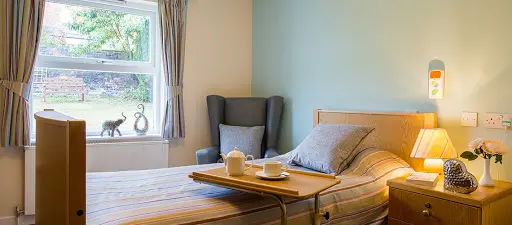
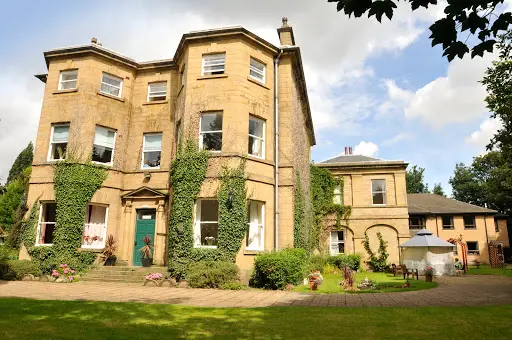
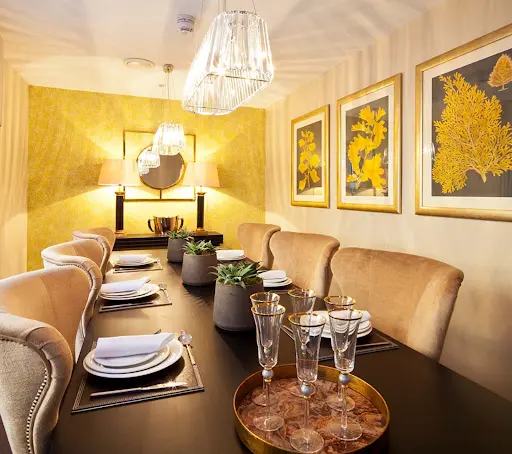
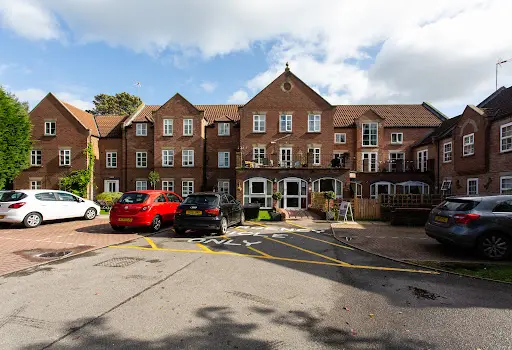
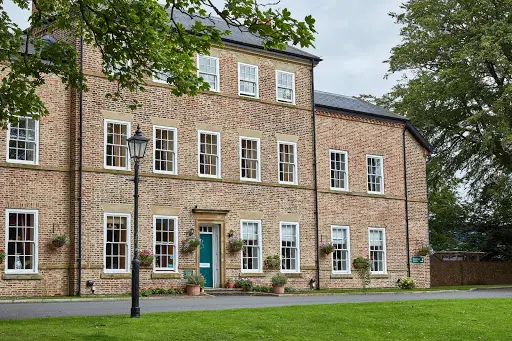
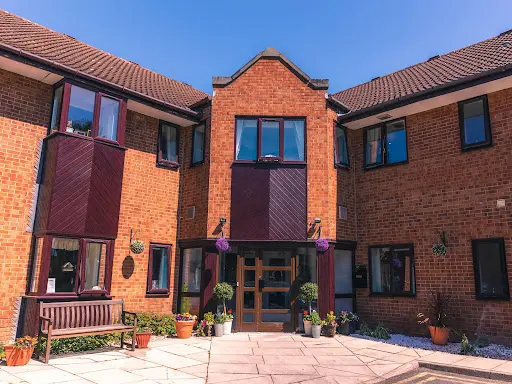
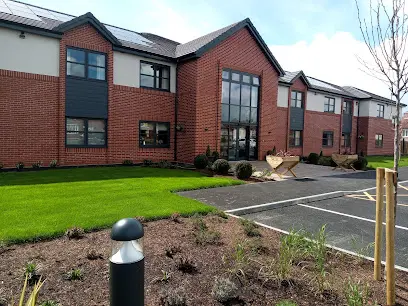
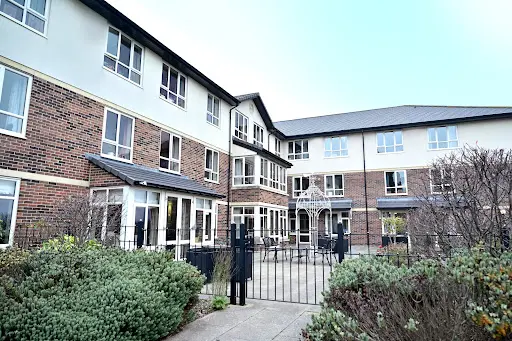
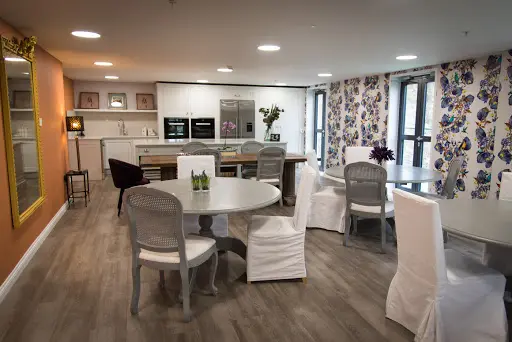
The physical spaces at Bridge House get noticed for all the right reasons. Bedrooms are individually decorated and spotlessly maintained, while communal areas feel genuinely inviting rather than institutional. The outdoor spaces — terraces and gardens — become natural gathering spots when weather permits. Families mention how cleanliness never feels clinical; it's more about creating spaces where people actually want to spend time.
“Recent years have seen Bridge House emerge stronger, with families noting visible improvements in every aspect of care delivery.”
DCC does not edit or curate content in this tab. For independently curated information, see The Evidence and DCC Verdict.