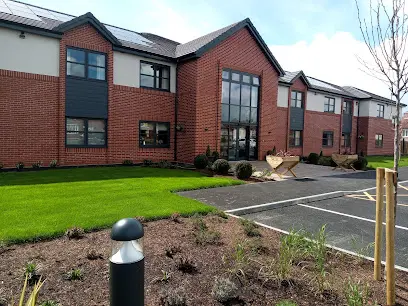
Rose Lodge Care Home
At a Glance
The information you need to decide whether this home warrants a closer look.
Nursing homes
Staff warmth score
of reviewers answered yes
Good to know
- Registered beds107
- SpecialismsCaring for adults over 65 yrs, Caring for adults under 65 yrs, Dementia
- Last inspected2024-04-06
Save Rose Lodge Care Home to your shortlist
Keep a running list, add visit notes, and compare homes side-by-side. Free account — it takes a minute.
STAGE 4 — RESEARCHING CARE HOMES
Visit homes. Compare them side by side. Choose with confidence.
Most of us will view care homes the way we view houses, impression, atmosphere, the feeling in the corridor. We go home, try to remember what we saw, and make a permanent decision from a blurred memory.

The DCC shortlist gives every home you visit a structured record: the same twelve questions, answered the same way, every time. When you’re ready to choose, pull any two homes side by side and compare them directly. Same criteria, same evidence, your notes and your scores.
The Evidence
What the review data, the inspection reports, and the dementia-care evidence base tell us about this home.
What families say
When new residents arrive, staff make real efforts to help them feel they belong, with personal introductions and a warm welcome. Some families describe carers who treat residents with genuine respect and friendliness in daily interactions.
The eight family priority themes
- Staff warmth30
- Compassion & dignity30
- Cleanliness35
- Activities & engagement25
- Food quality30
- Healthcare30
- Management & leadership25
- Resident happiness25
What inspectors found
Inspected 2024-04-06
Is this home safe?
Is the care effective?
No domain-level findings are available in the inspection text provided for the effective domain. The home lists dementia as a specialism and provides nursing care, which means inspectors would normally examine care plan quality, dementia training records, GP access arrangements, and medicines management in detail. None of this detail is present in the published text available for this analysis. The absence of specific findings does not indicate good practice; it reflects a limitation in the inspection text provided.Is this home caring?
No observations about staff kindness, dignity, or the warmth of daily interactions appear in the inspection text provided. In a full inspection, inspectors typically observe whether staff use preferred names, whether residents appear settled and at ease, and whether personal care is delivered with privacy and without rushing. None of this evidence is available here. The Inadequate overall rating means something significant concerned inspectors, but the published text does not allow this analysis to identify whether caring practice was part of that concern.Is the home responsive?
No findings about the activity programme, individual engagement, or responsiveness to resident preferences appear in the inspection text provided. For a 107-bed home that includes people with dementia, the question of whether residents have a meaningful daily life, particularly those who cannot participate in group activities, is central. The Inadequate rating may or may not relate to this domain; the text does not allow a determination. The absence of any positive evidence in the published findings is itself notable.Is the home well-led?
The inspection data identifies Miss Wendy Johnson as the registered manager and Mr Alan Goldstein as the nominated individual for the provider, Bondcare (Halifax) Limited. No findings about management visibility, staff culture, governance processes, or how the home responds to complaints and incidents are included in the published text. An Inadequate overall rating, following a previous Requires Improvement rating, is a significant indicator that leadership has not driven sufficient improvement over consecutive inspection cycles. This trajectory is a concern in its own right.
Source: CQC inspection report →
What the evidence base says
The home cares for younger adults under 65 as well as older residents, and has experience supporting people living with dementia. For residents with dementia, the home aims to provide appropriate care, though families should ask detailed questions about staffing levels and care consistency. All areas worth probing directly during a visit.
The DCC Verdict
Our editorial view, built from the three lenses: what families tell us, what inspectors record, and how the home sits against good dementia-care practice.
DCC Family Score
This home was rated Inadequate at the inspection covering the data provided, which represents a decline from a previous Requires Improvement rating. The inspection report text supplied does not contain domain-level findings, so scores reflect the weight of an Inadequate overall rating rather than specific observed strengths.
Homes in Yorkshire & Humberside typically score 68–82.The three-lens summary
What families tell us
When new residents arrive, staff make real efforts to help them feel they belong, with personal introductions and a warm welcome. Some families describe carers who treat residents with genuine respect and friendliness in daily interactions.
What inspectors have recorded
Families have experienced very different standards of care here. While some describe deeply compassionate support during end-of-life care, others report concerning lapses in basic hygiene care and communication that suggest inconsistent management oversight.
How it sits against good practice
Given the mixed experiences families have shared, visiting Rose Lodge and asking specific questions about care standards and staffing will help you understand if it's right for your loved one.
Worth a visit
The home on Gibbet Street in Halifax was rated Inadequate at its most recent inspection, with the rating published in December 2024. This represents a deterioration from a previous Requires Improvement rating, meaning the home has declined across two consecutive inspection cycles. A note of caution is important here: the inspection report text provided to produce this analysis is extremely limited and does not contain the domain-level findings that would normally allow a detailed picture of what inspectors actually observed. The Inadequate rating is a serious regulatory outcome. It means the inspectorate had significant concerns that it was not satisfied the home was meeting fundamental standards. Because the full inspection findings are not available in the text provided, this Family View cannot tell you specifically what went wrong or where the home is weakest. That matters enormously if you are considering this home for your parent. Before visiting, request the full published inspection report directly from the Care Quality Commission website, read it in full, and bring specific questions drawn from its findings. On any visit, pay close attention to how staff speak to and move around residents, whether the environment feels calm and well-maintained, and whether the manager is available and can speak clearly about what has changed since the inspection. Ask the manager directly what action plan is in place in response to the Inadequate rating and request evidence of progress.
The three questions to ask when you visitSave this home. Compare it against your shortlist.
Let our analysis show you how Rose Lodge Care Home measures up against the other homes you’re considering. Free account.
In Their Own Words
How Rose Lodge Care Home describes itself — collected from its own website. DCC has not edited or independently verified the content in this tab.
A care home showing both compassionate moments and serious concerns
Rose Lodge Care Home – Expert Care in Halifax
Rose Lodge Care Home in Halifax provides care for adults over and under 65, including those living with dementia. While some families have experienced genuine kindness during difficult times, others have raised troubling questions about basic care standards that anyone considering this home should carefully explore.
Who they care for
The home cares for younger adults under 65 as well as older residents, and has experience supporting people living with dementia.
For residents with dementia, the home aims to provide appropriate care, though families should ask detailed questions about staffing levels and care consistency.
“Given the mixed experiences families have shared, visiting Rose Lodge and asking specific questions about care standards and staffing will help you understand if it's right for your loved one.”
DCC does not edit or curate content in this tab. For independently curated information, see The Evidence and DCC Verdict.
The DCC Verdict
Our editorial view, built from the three lenses: what families tell us, what inspectors record, and how the home sits against good dementia-care practice.
DCC Family Score
This home was rated Inadequate at the inspection covering the data provided, which represents a decline from a previous Requires Improvement rating. The inspection report text supplied does not contain domain-level findings, so scores reflect the weight of an Inadequate overall rating rather than specific observed strengths.
Homes in Yorkshire & Humberside typically score 68–82.The three-lens summary
What families tell us
When new residents arrive, staff make real efforts to help them feel they belong, with personal introductions and a warm welcome. Some families describe carers who treat residents with genuine respect and friendliness in daily interactions.
What inspectors have recorded
Families have experienced very different standards of care here. While some describe deeply compassionate support during end-of-life care, others report concerning lapses in basic hygiene care and communication that suggest inconsistent management oversight.
How it sits against good practice
Given the mixed experiences families have shared, visiting Rose Lodge and asking specific questions about care standards and staffing will help you understand if it's right for your loved one.
Worth a visit
The home on Gibbet Street in Halifax was rated Inadequate at its most recent inspection, with the rating published in December 2024. This represents a deterioration from a previous Requires Improvement rating, meaning the home has declined across two consecutive inspection cycles. A note of caution is important here: the inspection report text provided to produce this analysis is extremely limited and does not contain the domain-level findings that would normally allow a detailed picture of what inspectors actually observed. The Inadequate rating is a serious regulatory outcome. It means the inspectorate had significant concerns that it was not satisfied the home was meeting fundamental standards. Because the full inspection findings are not available in the text provided, this Family View cannot tell you specifically what went wrong or where the home is weakest. That matters enormously if you are considering this home for your parent. Before visiting, request the full published inspection report directly from the Care Quality Commission website, read it in full, and bring specific questions drawn from its findings. On any visit, pay close attention to how staff speak to and move around residents, whether the environment feels calm and well-maintained, and whether the manager is available and can speak clearly about what has changed since the inspection. Ask the manager directly what action plan is in place in response to the Inadequate rating and request evidence of progress.
The three questions to ask when you visitSave this home. Compare it against your shortlist.
Let our analysis show you how Rose Lodge Care Home measures up against the other homes you’re considering. Free account.
In Their Own Words
How Rose Lodge Care Home describes itself — collected from its own website. DCC has not edited or independently verified the content in this tab.
A care home showing both compassionate moments and serious concerns
Rose Lodge Care Home – Expert Care in Halifax
Rose Lodge Care Home in Halifax provides care for adults over and under 65, including those living with dementia. While some families have experienced genuine kindness during difficult times, others have raised troubling questions about basic care standards that anyone considering this home should carefully explore.
Who they care for
The home cares for younger adults under 65 as well as older residents, and has experience supporting people living with dementia.
For residents with dementia, the home aims to provide appropriate care, though families should ask detailed questions about staffing levels and care consistency.
Management & ethos
Families have experienced very different standards of care here. While some describe deeply compassionate support during end-of-life care, others report concerning lapses in basic hygiene care and communication that suggest inconsistent management oversight.
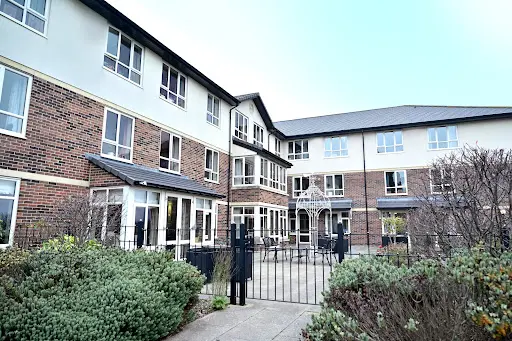
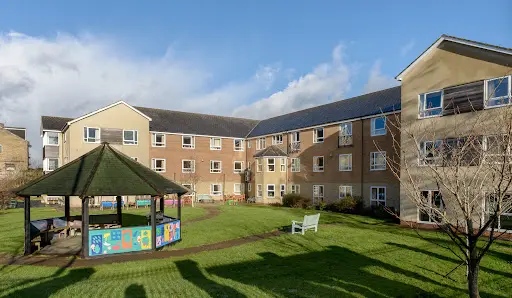
The home & environment
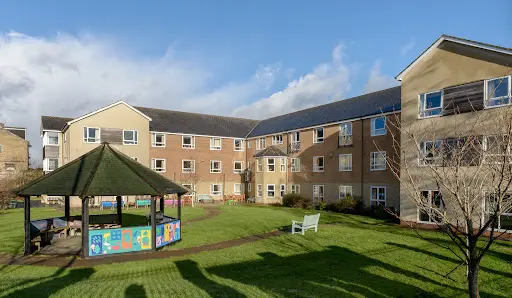
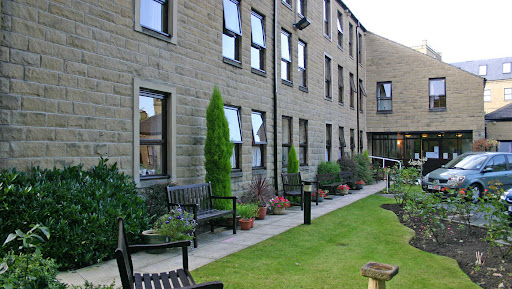
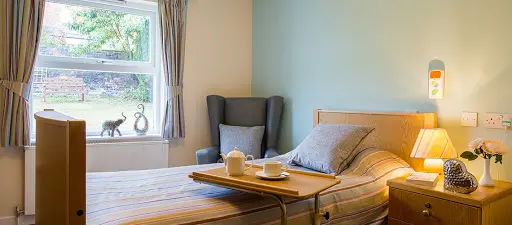
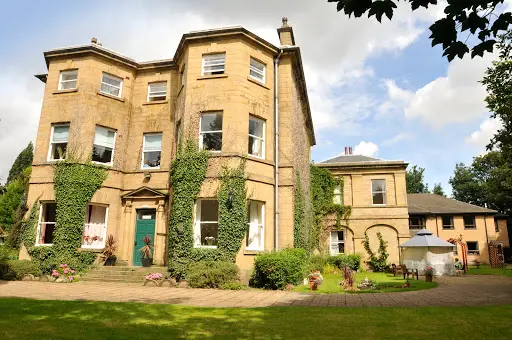
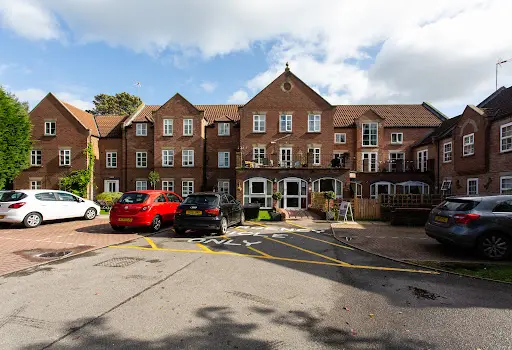
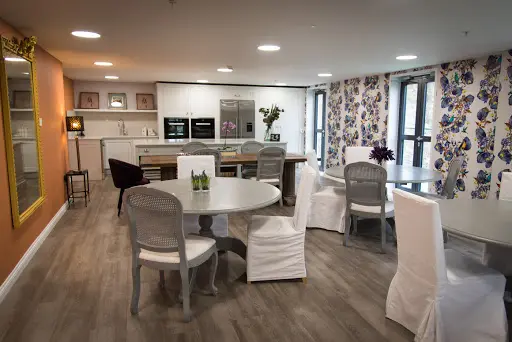
The home maintains good cleanliness standards throughout, with well-kept rooms and communal areas that visitors notice are consistently clean, even during overnight hours. Food variety appears adequate, with properly set menus offering nutritional choices.
“Given the mixed experiences families have shared, visiting Rose Lodge and asking specific questions about care standards and staffing will help you understand if it's right for your loved one.”
DCC does not edit or curate content in this tab. For independently curated information, see The Evidence and DCC Verdict.