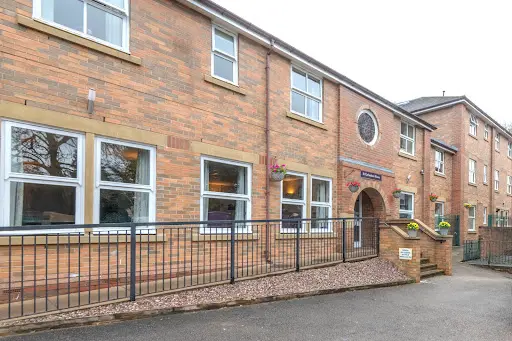
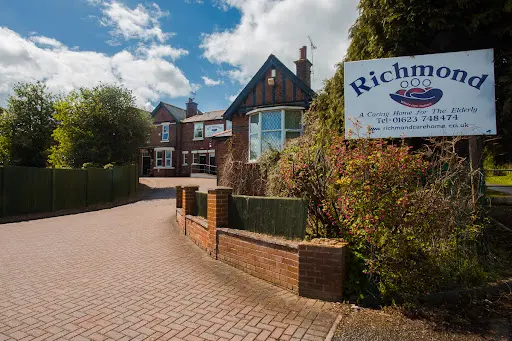
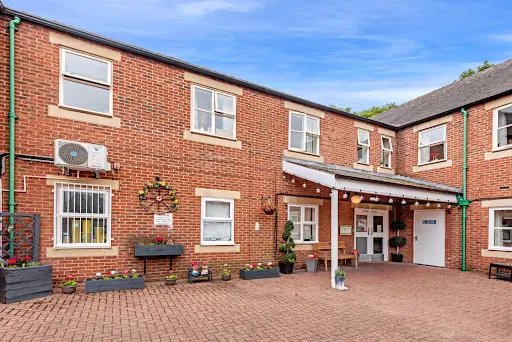
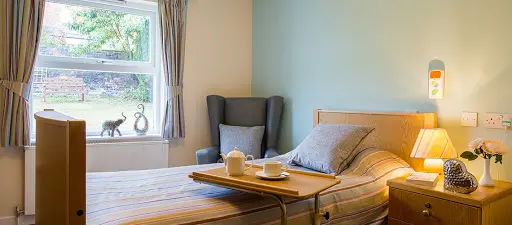
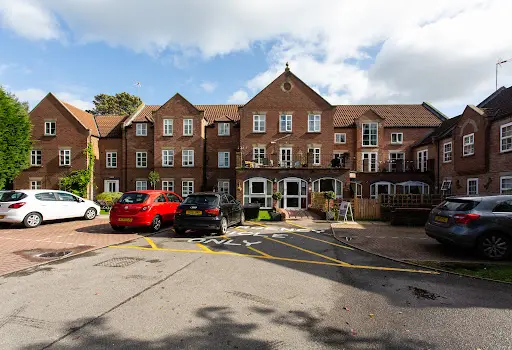
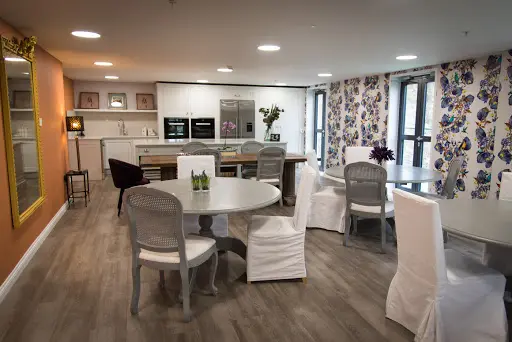
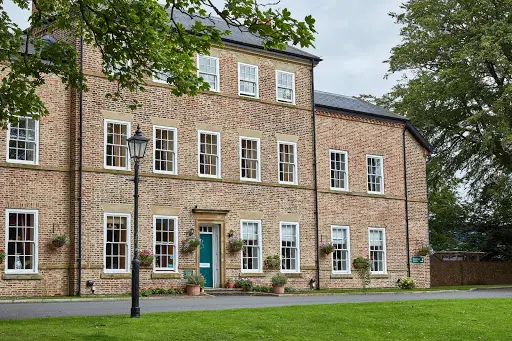
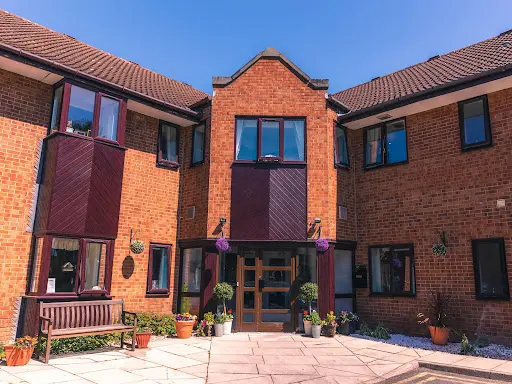
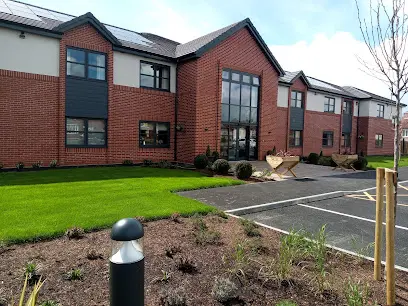
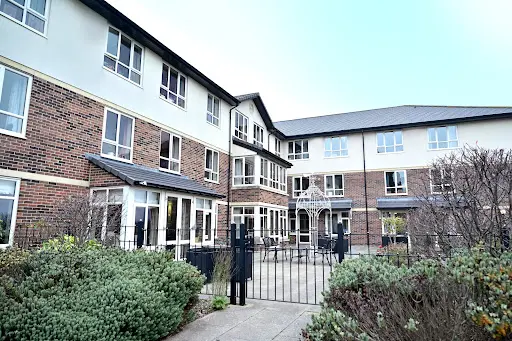
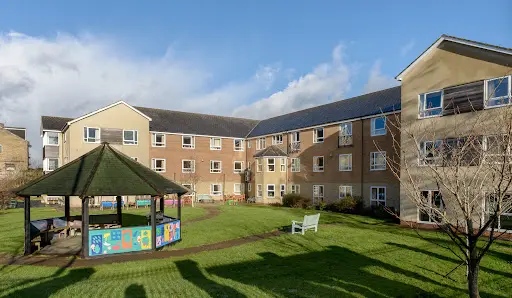
Nightingale Care Home
At a Glance
The information you need to decide whether this home warrants a closer look.
Residential homes
Staff warmth score
of reviewers answered yes
Good to know
- Registered beds40
- SpecialismsCaring for adults over 65 yrs, Caring for adults under 65 yrs, Dementia, Mental health conditions
- Last inspected2020-03-18
Save Nightingale Care Home to your shortlist
Keep a running list, add visit notes, and compare homes side-by-side. Free account — it takes a minute.
STAGE 4 — RESEARCHING CARE HOMES
Visit homes. Compare them side by side. Choose with confidence.
Most of us will view care homes the way we view houses, impression, atmosphere, the feeling in the corridor. We go home, try to remember what we saw, and make a permanent decision from a blurred memory.

The DCC shortlist gives every home you visit a structured record: the same twelve questions, answered the same way, every time. When you’re ready to choose, pull any two homes side by side and compare them directly. Same criteria, same evidence, your notes and your scores.
The Evidence
What the review data, the inspection reports, and the dementia-care evidence base tell us about this home.
What families say
What strikes visitors is how staff interact with residents — there's real warmth in the everyday moments. Relatives talk about seeing consistent care from different team members across visits, noticing how carers maintain that same patient approach whether it's morning or evening.
The eight family priority themes
- Staff warmth72
- Compassion & dignity72
- Cleanliness68
- Activities & engagement65
- Food quality60
- Healthcare65
- Management & leadership88
- Resident happiness70
What inspectors found
Inspected 2020-03-18
Is this home safe?
Is the care effective?
The Effective domain was rated Good at the February 2020 inspection. This covers training, care planning, healthcare access, and nutrition. The published summary does not describe the content of dementia training, how often care plans are reviewed, or what arrangements are in place for GP access. The home lists dementia and mental health conditions as specialisms, which means effective care planning and appropriate training are particularly important for the people who live here.Is this home caring?
The Caring domain was rated Good at the February 2020 inspection. This domain covers staff warmth, dignity, respect, and how well staff support residents' independence. The published summary does not include specific inspector observations, resident quotes, or relative testimony about the quality of interactions. Staff warmth and compassion are consistently the two highest-weighted themes in our family review data, accounting for 57.3% and 55.2% of positive reviews respectively, which makes the absence of specific detail here worth noting.Is the home responsive?
The Responsive domain was rated Good at the February 2020 inspection. This domain covers activities, individual engagement, and how well the home responds to each person's preferences and needs, including at the end of life. The published summary provides no specific detail on the activities programme, whether one-to-one engagement is available for residents who cannot join group activities, or how the home tailors its approach to people with dementia or mental health conditions.Is the home well-led?
The Well-led domain received an Outstanding rating at the February 2020 inspection. Outstanding is the highest possible rating and is given to fewer than one in ten care homes nationally. It indicates that inspectors found the management, governance, and culture of the home to be significantly above the standard required. The home is registered with Mrs Julie Dawn Wright as registered manager and Mr Oshi Alan Weissbrun as nominated individual. The published summary does not include specific detail on what made leadership Outstanding, such as management tenure, staff empowerment practices, or quality audit processes.
Source: CQC inspection report →
What the evidence base says
The home cares for adults both under and over 65, with particular experience in dementia and mental health conditions. Families report that Nightingale accepts residents with dementia when other homes have said no. The staff show real understanding of dementia care needs, maintaining consistent approaches that help residents feel secure. All areas worth probing directly during a visit.
The DCC Verdict
Our editorial view, built from the three lenses: what families tell us, what inspectors record, and how the home sits against good dementia-care practice.
DCC Family Score
Nightingale scores well overall, lifted significantly by an Outstanding rating for leadership, which is a reliable predictor of sustained quality. Scores in other areas reflect the fact that the published inspection text provides limited specific detail, so several themes cannot be fully verified.
Homes in Yorkshire & Humberside typically score 68–82.The three-lens summary
What families tell us
What strikes visitors is how staff interact with residents — there's real warmth in the everyday moments. Relatives talk about seeing consistent care from different team members across visits, noticing how carers maintain that same patient approach whether it's morning or evening.
What inspectors have recorded
The leadership seems to have created something that works. Staff speak positively about management, and that shows in how motivated the care teams appear. Several families mention this isn't about fancy furniture or impressive reception areas — it's about having the right people doing the job well.
How it sits against good practice
Sometimes the best care comes from places that focus on getting the basics right — good people doing meaningful work.
Worth a visit
Nightingale on Nether Lane in Sheffield was rated Good overall at its last inspection in February 2020, having improved from a previous rating of Requires Improvement. The home's Well-led domain received an Outstanding rating, which is awarded to fewer than one in ten care homes nationally and reflects inspectors finding the management and governance of the home to be significantly above what is required. The remaining four domains, covering safety, effectiveness, caring, and responsiveness, were all rated Good. The main uncertainty here is the age of the inspection. The visit took place in February 2020, and although a monitoring review in July 2023 found no reason to reassess the rating, that review did not involve an on-site visit. Over three years is a long time in a care home: staff change, managers move on, and occupancy shifts can affect quality. The published inspection summary also provides very little specific detail beyond the domain ratings, so many important questions about night staffing, agency use, dementia-specific training, and family communication remain unanswered. If you are visiting Nightingale, ask to speak with the registered manager, Mrs Julie Wright, ask how long she has been in post, and request to see the most recent quality audits and staffing rotas.
The three questions to ask when you visitSave this home. Compare it against your shortlist.
Let our analysis show you how Nightingale Care Home measures up against the other homes you’re considering. Free account.
In Their Own Words
How Nightingale Care Home describes itself — collected from its own website. DCC has not edited or independently verified the content in this tab.
Where dementia care meets genuine warmth in Sheffield
Nightingale – Your Trusted residential home
Some care homes turn families away when dementia enters the picture. Nightingale in Sheffield takes a different approach, opening its doors when others close theirs. Families describe finding not just acceptance here, but carers who genuinely understand what their loved ones need.
Who they care for
The home cares for adults both under and over 65, with particular experience in dementia and mental health conditions.
Families report that Nightingale accepts residents with dementia when other homes have said no. The staff show real understanding of dementia care needs, maintaining consistent approaches that help residents feel secure.
“Sometimes the best care comes from places that focus on getting the basics right — good people doing meaningful work.”
DCC does not edit or curate content in this tab. For independently curated information, see The Evidence and DCC Verdict.
The DCC Verdict
Our editorial view, built from the three lenses: what families tell us, what inspectors record, and how the home sits against good dementia-care practice.
DCC Family Score
Nightingale scores well overall, lifted significantly by an Outstanding rating for leadership, which is a reliable predictor of sustained quality. Scores in other areas reflect the fact that the published inspection text provides limited specific detail, so several themes cannot be fully verified.
Homes in Yorkshire & Humberside typically score 68–82.The three-lens summary
What families tell us
What strikes visitors is how staff interact with residents — there's real warmth in the everyday moments. Relatives talk about seeing consistent care from different team members across visits, noticing how carers maintain that same patient approach whether it's morning or evening.
What inspectors have recorded
The leadership seems to have created something that works. Staff speak positively about management, and that shows in how motivated the care teams appear. Several families mention this isn't about fancy furniture or impressive reception areas — it's about having the right people doing the job well.
How it sits against good practice
Sometimes the best care comes from places that focus on getting the basics right — good people doing meaningful work.
Worth a visit
Nightingale on Nether Lane in Sheffield was rated Good overall at its last inspection in February 2020, having improved from a previous rating of Requires Improvement. The home's Well-led domain received an Outstanding rating, which is awarded to fewer than one in ten care homes nationally and reflects inspectors finding the management and governance of the home to be significantly above what is required. The remaining four domains, covering safety, effectiveness, caring, and responsiveness, were all rated Good. The main uncertainty here is the age of the inspection. The visit took place in February 2020, and although a monitoring review in July 2023 found no reason to reassess the rating, that review did not involve an on-site visit. Over three years is a long time in a care home: staff change, managers move on, and occupancy shifts can affect quality. The published inspection summary also provides very little specific detail beyond the domain ratings, so many important questions about night staffing, agency use, dementia-specific training, and family communication remain unanswered. If you are visiting Nightingale, ask to speak with the registered manager, Mrs Julie Wright, ask how long she has been in post, and request to see the most recent quality audits and staffing rotas.
The three questions to ask when you visitSave this home. Compare it against your shortlist.
Let our analysis show you how Nightingale Care Home measures up against the other homes you’re considering. Free account.
In Their Own Words
How Nightingale Care Home describes itself — collected from its own website. DCC has not edited or independently verified the content in this tab.
Where dementia care meets genuine warmth in Sheffield
Nightingale – Your Trusted residential home
Some care homes turn families away when dementia enters the picture. Nightingale in Sheffield takes a different approach, opening its doors when others close theirs. Families describe finding not just acceptance here, but carers who genuinely understand what their loved ones need.
Who they care for
The home cares for adults both under and over 65, with particular experience in dementia and mental health conditions.
Families report that Nightingale accepts residents with dementia when other homes have said no. The staff show real understanding of dementia care needs, maintaining consistent approaches that help residents feel secure.
Management & ethos
The leadership seems to have created something that works. Staff speak positively about management, and that shows in how motivated the care teams appear. Several families mention this isn't about fancy furniture or impressive reception areas — it's about having the right people doing the job well.
“Sometimes the best care comes from places that focus on getting the basics right — good people doing meaningful work.”
DCC does not edit or curate content in this tab. For independently curated information, see The Evidence and DCC Verdict.