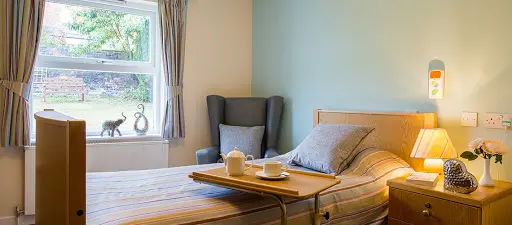
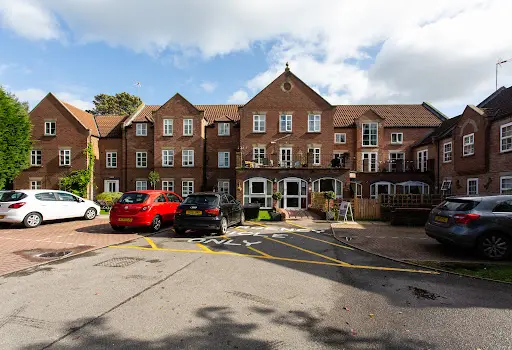
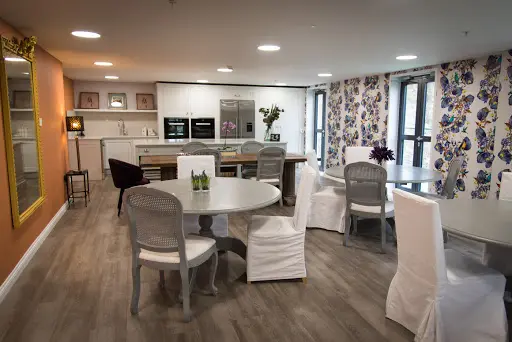
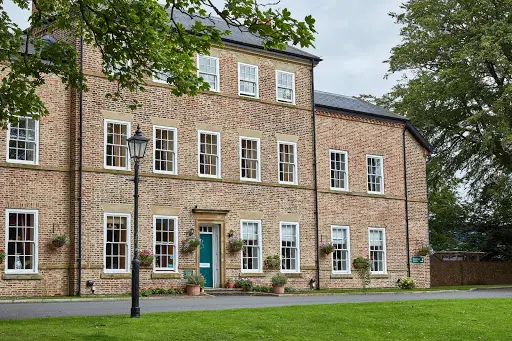
Hallamshire Care Home
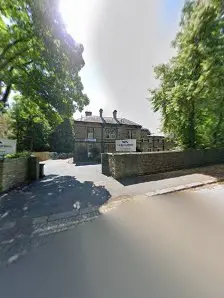
At a Glance
The information you need to decide whether this home warrants a closer look.
Residential homes
Staff warmth score
of reviewers answered yes
Good to know
- Registered beds32
- SpecialismsCaring for adults over 65 yrs, Dementia
- Last inspected2019-05-22
Save Hallamshire Care Home to your shortlist
Keep a running list, add visit notes, and compare homes side-by-side. Free account — it takes a minute.
STAGE 4 — RESEARCHING CARE HOMES
Visit homes. Compare them side by side. Choose with confidence.
Most of us will view care homes the way we view houses, impression, atmosphere, the feeling in the corridor. We go home, try to remember what we saw, and make a permanent decision from a blurred memory.

The DCC shortlist gives every home you visit a structured record: the same twelve questions, answered the same way, every time. When you’re ready to choose, pull any two homes side by side and compare them directly. Same criteria, same evidence, your notes and your scores.
The Evidence
What the review data, the inspection reports, and the dementia-care evidence base tell us about this home.
What families say
Relatives talk about the difference they've seen — residents who arrived anxious or withdrawn now joining in exercise classes and painting sessions. Families mention how the friendly approach from staff helps residents feel safe and respected, with some describing significant improvements in appetite and emotional wellbeing.
The eight family priority themes
- Staff warmth55
- Compassion & dignity55
- Cleanliness55
- Activities & engagement35
- Food quality50
- Healthcare55
- Management & leadership65
- Resident happiness55
What inspectors found
Inspected 2019-05-22
Is this home safe?
Is the care effective?
The Effective domain was rated Good at the November 2021 inspection. The published summary does not provide a narrative breakdown of what inspectors found in this domain, so specific evidence about care plan quality, GP access, dementia training, or food quality is not available from the published text. The Good rating indicates inspectors did not find systemic problems in how care is planned and delivered.Is this home caring?
The Caring domain was rated Good at the November 2021 inspection. No detailed narrative is available in the published text, so we cannot confirm specific inspector observations about staff interactions, use of preferred names, pace of care, or responses to distress. The Good rating indicates inspectors did not find concerns in this area.Is the home responsive?
The Responsive domain was rated Requires Improvement at the November 2021 inspection. This is the only domain where inspectors found the home was not meeting the standard expected. Requires Improvement means inspectors identified real shortcomings in how well the home tailors life to individual people, though the published summary does not detail exactly what was found. The July 2023 data review did not identify evidence that a re-inspection was urgently needed, but the rating has not been formally upgraded.Is the home well-led?
The Well-led domain was rated Good at the November 2021 inspection. The registered manager is listed as Ms Karen Lesley Betts, with Mr Oshi Alan Weisskraun as the nominated individual. The published summary does not provide a narrative of what inspectors found in this domain, so specific evidence about management visibility, staff culture, or governance processes is not available from the published text. The Good rating indicates no systemic leadership concerns were identified.
Source: CQC inspection report →
What the evidence base says
The home provides specialist dementia support alongside care for adults over 65. They run adapted exercise programmes and creative activities that families say have helped residents regain physical strength and social confidence. For residents living with dementia, the activity programme includes adapted bikes and painting sessions. Families report seeing improvements in mood and engagement when their relatives join these activities. All areas worth probing directly during a visit.
The DCC Verdict
Our editorial view, built from the three lenses: what families tell us, what inspectors record, and how the home sits against good dementia-care practice.
DCC Family Score
The home was rated Good overall at its last full inspection in November 2021, with four of five domains rated Good. However, the Responsive domain was rated Requires Improvement, meaning the inspection found real concerns about how well the home tailors life and activities to individual people, and that pulls the family score down from what would otherwise be a stronger result.
Homes in Yorkshire & Humberside typically score 68–82.The three-lens summary
What families tell us
Relatives talk about the difference they've seen — residents who arrived anxious or withdrawn now joining in exercise classes and painting sessions. Families mention how the friendly approach from staff helps residents feel safe and respected, with some describing significant improvements in appetite and emotional wellbeing.
What inspectors have recorded
How it sits against good practice
The stories of residents regaining confidence after difficult times suggest this could be worth exploring for your loved one.
Worth a visit
Hallamshire Residential Home, a 32-bed home in Sheffield specialising in dementia and older adult care, was rated Good overall at its inspection in November 2021. Four of the five inspection domains, covering safety, effectiveness, how caring staff are, and leadership, were all rated Good. The home is registered and active, and a review of available data in July 2023 found no evidence that the rating needed to change. The main concern to take seriously before choosing this home is the Requires Improvement rating in the Responsive domain. That rating means inspectors found that the home was not doing enough to make sure your parent has a meaningful, individualised life here, whether through activities, engagement, or having care that truly reflects who they are as a person. The published inspection report does not include the detailed narrative that would let us tell you exactly what was found in each domain, so the gaps in this report reflect gaps in the available evidence, not gaps in the home itself. Visit in person, ask to see the activity programme for last week (not a template), and speak to staff about how they get to know each person as an individual.
The three questions to ask when you visitSave this home. Compare it against your shortlist.
Let our analysis show you how Hallamshire Care Home measures up against the other homes you’re considering. Free account.
In Their Own Words
How Hallamshire Care Home describes itself — collected from its own website. DCC has not edited or independently verified the content in this tab.
Residents rediscover confidence through activities and friendly staff
Hallamshire Residential Home – Expert Care in Sheffield
Families describe watching their loved ones bloom at Hallamshire Residential Home in Sheffield, where an active programme helps residents rebuild confidence after hospital stays or difficult transitions. The home specialises in dementia care alongside general support for older adults, with several families reporting remarkable improvements in mood and mobility.
Who they care for
The home provides specialist dementia support alongside care for adults over 65. They run adapted exercise programmes and creative activities that families say have helped residents regain physical strength and social confidence.
For residents living with dementia, the activity programme includes adapted bikes and painting sessions. Families report seeing improvements in mood and engagement when their relatives join these activities.
“The stories of residents regaining confidence after difficult times suggest this could be worth exploring for your loved one.”
DCC does not edit or curate content in this tab. For independently curated information, see The Evidence and DCC Verdict.
The DCC Verdict
Our editorial view, built from the three lenses: what families tell us, what inspectors record, and how the home sits against good dementia-care practice.
DCC Family Score
The home was rated Good overall at its last full inspection in November 2021, with four of five domains rated Good. However, the Responsive domain was rated Requires Improvement, meaning the inspection found real concerns about how well the home tailors life and activities to individual people, and that pulls the family score down from what would otherwise be a stronger result.
Homes in Yorkshire & Humberside typically score 68–82.The three-lens summary
What families tell us
Relatives talk about the difference they've seen — residents who arrived anxious or withdrawn now joining in exercise classes and painting sessions. Families mention how the friendly approach from staff helps residents feel safe and respected, with some describing significant improvements in appetite and emotional wellbeing.
What inspectors have recorded
How it sits against good practice
The stories of residents regaining confidence after difficult times suggest this could be worth exploring for your loved one.
Worth a visit
Hallamshire Residential Home, a 32-bed home in Sheffield specialising in dementia and older adult care, was rated Good overall at its inspection in November 2021. Four of the five inspection domains, covering safety, effectiveness, how caring staff are, and leadership, were all rated Good. The home is registered and active, and a review of available data in July 2023 found no evidence that the rating needed to change. The main concern to take seriously before choosing this home is the Requires Improvement rating in the Responsive domain. That rating means inspectors found that the home was not doing enough to make sure your parent has a meaningful, individualised life here, whether through activities, engagement, or having care that truly reflects who they are as a person. The published inspection report does not include the detailed narrative that would let us tell you exactly what was found in each domain, so the gaps in this report reflect gaps in the available evidence, not gaps in the home itself. Visit in person, ask to see the activity programme for last week (not a template), and speak to staff about how they get to know each person as an individual.
The three questions to ask when you visitSave this home. Compare it against your shortlist.
Let our analysis show you how Hallamshire Care Home measures up against the other homes you’re considering. Free account.
In Their Own Words
How Hallamshire Care Home describes itself — collected from its own website. DCC has not edited or independently verified the content in this tab.
Residents rediscover confidence through activities and friendly staff
Hallamshire Residential Home – Expert Care in Sheffield
Families describe watching their loved ones bloom at Hallamshire Residential Home in Sheffield, where an active programme helps residents rebuild confidence after hospital stays or difficult transitions. The home specialises in dementia care alongside general support for older adults, with several families reporting remarkable improvements in mood and mobility.
Who they care for
The home provides specialist dementia support alongside care for adults over 65. They run adapted exercise programmes and creative activities that families say have helped residents regain physical strength and social confidence.
For residents living with dementia, the activity programme includes adapted bikes and painting sessions. Families report seeing improvements in mood and engagement when their relatives join these activities.
“The stories of residents regaining confidence after difficult times suggest this could be worth exploring for your loved one.”
DCC does not edit or curate content in this tab. For independently curated information, see The Evidence and DCC Verdict.