Autumn Gardens
At a Glance
The information you need to decide whether this home warrants a closer look.
Nursing homes
Staff warmth score
of reviewers answered yes
Good to know
- Registered beds85
- SpecialismsCaring for adults over 65 yrs, Caring for adults under 65 yrs, Dementia, Mental health conditions, Physical disabilities, Sensory impairment
- Last inspected2018-11-27
Save Autumn Gardens to your shortlist
Keep a running list, add visit notes, and compare homes side-by-side. Free account — it takes a minute.
STAGE 4 — RESEARCHING CARE HOMES
Visit homes. Compare them side by side. Choose with confidence.
Most of us will view care homes the way we view houses, impression, atmosphere, the feeling in the corridor. We go home, try to remember what we saw, and make a permanent decision from a blurred memory.

The DCC shortlist gives every home you visit a structured record: the same twelve questions, answered the same way, every time. When you’re ready to choose, pull any two homes side by side and compare them directly. Same criteria, same evidence, your notes and your scores.
The Evidence
What the review data, the inspection reports, and the dementia-care evidence base tell us about this home.
What families say
Families talk about walking in to find their relatives looking comfortable and happy, often chatting with staff or joining in activities. The home welcomes visitors warmly and families feel included in the community here. Many mention how staff seem to know their relatives well, picking up on small changes and responding quickly when care needs shift.
The eight family priority themes
- Staff warmth55
- Compassion & dignity60
- Cleanliness50
- Activities & engagement50
- Food quality50
- Healthcare50
- Management & leadership65
- Resident happiness55
What inspectors found
Inspected 2018-11-27
Is this home safe?
Is the care effective?
Effectiveness was rated Good at the August 2020 inspection. The home is registered as a nursing home, indicating that qualified nursing staff are expected to be present around the clock to oversee clinical care. The home lists dementia, mental health conditions, and physical disabilities among its specialisms, suggesting structured approaches to complex care needs. However, the inspection text provides no specific detail about care plan quality, GP access, medication management, or dementia training content.Is this home caring?
Caring was rated Good at the August 2020 inspection. This domain covers staff warmth, dignity, respect, and whether residents are treated as individuals. The published report does not include inspector observations of staff interactions, quotes from residents or relatives, or specific examples of dignified care in practice. The Good rating indicates inspectors were satisfied, but the absence of detail means families cannot draw on specific evidence to judge what day-to-day kindness looks like here.Is the home responsive?
Responsiveness was rated Good at the August 2020 inspection. This domain covers activities, individual engagement, and whether the home responds to the personal preferences and changing needs of residents. The home offers care across a wide range of conditions including dementia, mental health conditions, and sensory impairment, which each require tailored rather than one-size-fits-all activities. The published report does not describe the activities programme, individual engagement approaches, or how the home responds to residents who cannot participate in group activities.Is the home well-led?
Leadership was rated Good at the August 2020 inspection. A registered manager, Mrs Martina De Vizia, was in post, and a nominated individual, Mr Melis Antonis Ourris, is named for the provider organisation, Ourris Properties Limited. The inspection text does not describe management visibility, staff culture, governance systems, or how the home learns from complaints and incidents. The Good rating indicates inspectors were satisfied with leadership arrangements, but no specific supporting evidence is recorded in the published findings.
Source: CQC inspection report →
What the evidence base says
The home provides specialist support for people with dementia, mental health conditions, physical disabilities and sensory impairments. They care for adults both under and over 65, with staff trained to handle complex care needs. The home also offers respite stays. For residents with dementia, the team focuses on maintaining dignity while providing the right level of support. Staff seem particularly good at recognising when someone's needs are changing and adjusting their approach accordingly. All areas worth probing directly during a visit.
The DCC Verdict
Our editorial view, built from the three lenses: what families tell us, what inspectors record, and how the home sits against good dementia-care practice.
DCC Family Score
Autumn Gardens scored 63 out of 100. Four domains were rated Good at inspection, but Safety was rated Requires Improvement, and the inspection report contains very limited specific detail across all areas, which limits how much confidence families can draw from these findings.
Homes in London typically score 68–82.The three-lens summary
What families tell us
Families talk about walking in to find their relatives looking comfortable and happy, often chatting with staff or joining in activities. The home welcomes visitors warmly and families feel included in the community here. Many mention how staff seem to know their relatives well, picking up on small changes and responding quickly when care needs shift.
What inspectors have recorded
The team here stays in close contact with families through regular email updates and face-to-face conversations about care plans. They coordinate well with GPs and hospitals, keeping families informed about health reviews and any changes. While some families have mentioned occasional language barriers with certain staff members affecting communication, most describe the team as warm and attentive. There has been one concerning report about care standards that families should discuss with management.
How it sits against good practice
Getting a real feel for daily life at Autumn Gardens means seeing it for yourself and meeting the team who'd be caring for your loved one.
Worth a visit
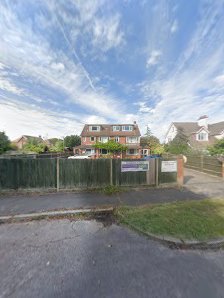
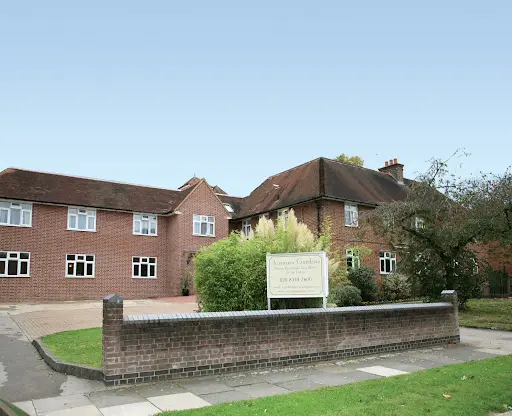
Autumn Gardens, at 73 Trent Gardens in London, was rated Good overall at its last inspection in August 2020. Four of the five domains, Effective, Caring, Responsive, and Well-led, received Good ratings, and a registered manager was in post. The home is registered to provide nursing care across a wide range of needs, including dementia, mental health conditions, physical disabilities, and sensory impairment, for up to 85 residents. The main concern is the Requires Improvement rating for Safety, which has not been re-inspected since August 2020, now more than four years ago. The published inspection text is extremely brief and contains almost no specific observations, quotes, or evidence about what daily life is actually like here. This means families cannot rely on this report alone to make a decision. Before visiting, prepare a list of specific questions about night staffing ratios, agency use, falls management, and how families are kept informed. On the visit itself, arrive unannounced if possible, watch how staff interact with residents in corridors and communal areas, and ask to speak with the registered manager in person.
The three questions to ask when you visitSave this home. Compare it against your shortlist.
Let our analysis show you how Autumn Gardens measures up against the other homes you’re considering. Free account.
In Their Own Words
How Autumn Gardens describes itself — collected from its own website. DCC has not edited or independently verified the content in this tab.
Where kindness meets expertise in specialised dementia and disability care
Nursing home in London: True Peace of Mind
When your loved one needs specialist care for dementia, mental health conditions or physical disabilities, finding somewhere that truly understands their needs feels overwhelming. Autumn Gardens in London brings together experienced staff who know how to support people with complex conditions. Families describe a place where residents seem genuinely content and engaged, with staff who take time to understand each person as an individual.
Who they care for
The home provides specialist support for people with dementia, mental health conditions, physical disabilities and sensory impairments. They care for adults both under and over 65, with staff trained to handle complex care needs. The home also offers respite stays.
For residents with dementia, the team focuses on maintaining dignity while providing the right level of support. Staff seem particularly good at recognising when someone's needs are changing and adjusting their approach accordingly.
“Getting a real feel for daily life at Autumn Gardens means seeing it for yourself and meeting the team who'd be caring for your loved one.”
DCC does not edit or curate content in this tab. For independently curated information, see The Evidence and DCC Verdict.
The DCC Verdict
Our editorial view, built from the three lenses: what families tell us, what inspectors record, and how the home sits against good dementia-care practice.
DCC Family Score
Autumn Gardens scored 63 out of 100. Four domains were rated Good at inspection, but Safety was rated Requires Improvement, and the inspection report contains very limited specific detail across all areas, which limits how much confidence families can draw from these findings.
Homes in London typically score 68–82.The three-lens summary
What families tell us
Families talk about walking in to find their relatives looking comfortable and happy, often chatting with staff or joining in activities. The home welcomes visitors warmly and families feel included in the community here. Many mention how staff seem to know their relatives well, picking up on small changes and responding quickly when care needs shift.
What inspectors have recorded
The team here stays in close contact with families through regular email updates and face-to-face conversations about care plans. They coordinate well with GPs and hospitals, keeping families informed about health reviews and any changes. While some families have mentioned occasional language barriers with certain staff members affecting communication, most describe the team as warm and attentive. There has been one concerning report about care standards that families should discuss with management.
How it sits against good practice
Getting a real feel for daily life at Autumn Gardens means seeing it for yourself and meeting the team who'd be caring for your loved one.
Worth a visit
Autumn Gardens, at 73 Trent Gardens in London, was rated Good overall at its last inspection in August 2020. Four of the five domains, Effective, Caring, Responsive, and Well-led, received Good ratings, and a registered manager was in post. The home is registered to provide nursing care across a wide range of needs, including dementia, mental health conditions, physical disabilities, and sensory impairment, for up to 85 residents. The main concern is the Requires Improvement rating for Safety, which has not been re-inspected since August 2020, now more than four years ago. The published inspection text is extremely brief and contains almost no specific observations, quotes, or evidence about what daily life is actually like here. This means families cannot rely on this report alone to make a decision. Before visiting, prepare a list of specific questions about night staffing ratios, agency use, falls management, and how families are kept informed. On the visit itself, arrive unannounced if possible, watch how staff interact with residents in corridors and communal areas, and ask to speak with the registered manager in person.
The three questions to ask when you visitSave this home. Compare it against your shortlist.
Let our analysis show you how Autumn Gardens measures up against the other homes you’re considering. Free account.
In Their Own Words
How Autumn Gardens describes itself — collected from its own website. DCC has not edited or independently verified the content in this tab.
Where kindness meets expertise in specialised dementia and disability care
Nursing home in London: True Peace of Mind
When your loved one needs specialist care for dementia, mental health conditions or physical disabilities, finding somewhere that truly understands their needs feels overwhelming. Autumn Gardens in London brings together experienced staff who know how to support people with complex conditions. Families describe a place where residents seem genuinely content and engaged, with staff who take time to understand each person as an individual.
Who they care for
The home provides specialist support for people with dementia, mental health conditions, physical disabilities and sensory impairments. They care for adults both under and over 65, with staff trained to handle complex care needs. The home also offers respite stays.
For residents with dementia, the team focuses on maintaining dignity while providing the right level of support. Staff seem particularly good at recognising when someone's needs are changing and adjusting their approach accordingly.
Management & ethos
The team here stays in close contact with families through regular email updates and face-to-face conversations about care plans. They coordinate well with GPs and hospitals, keeping families informed about health reviews and any changes. While some families have mentioned occasional language barriers with certain staff members affecting communication, most describe the team as warm and attentive. There has been one concerning report about care standards that families should discuss with management.
The home & environment
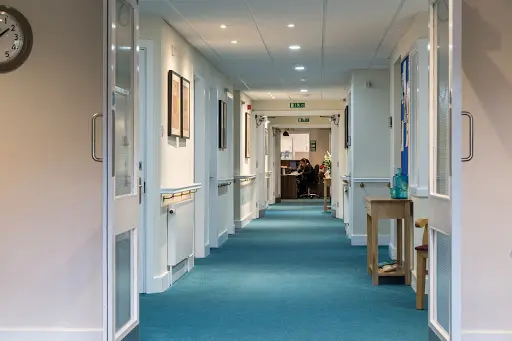
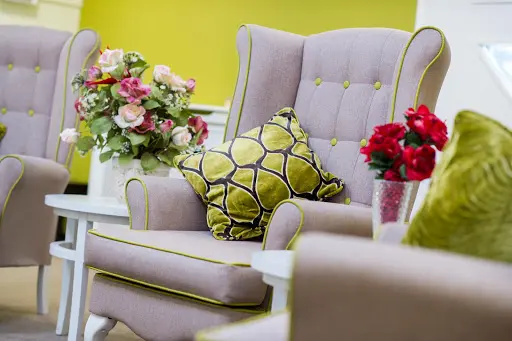
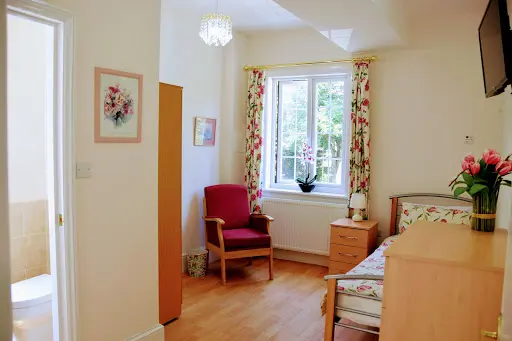
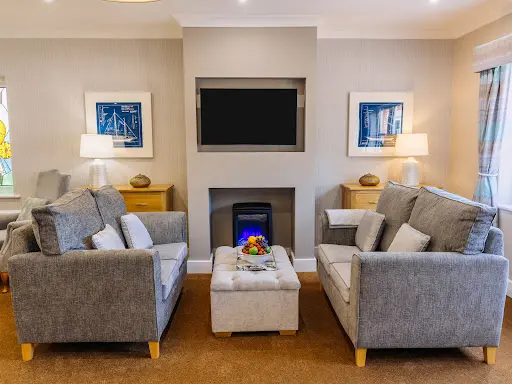
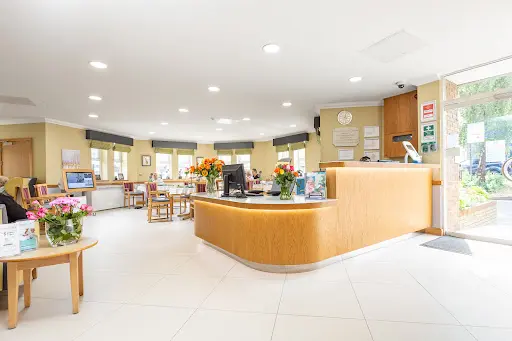
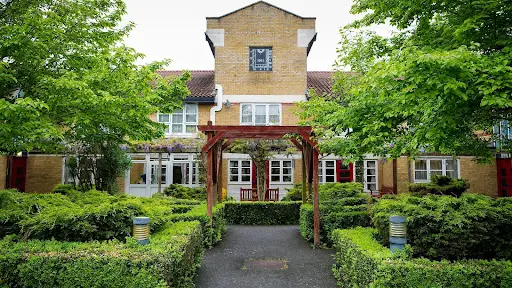
The home keeps everything spotlessly clean, with bright communal spaces where residents gather. Meals are cooked fresh on-site, with the kitchen adapting dishes for different dietary needs and health conditions. Families often join residents for special meal events, and there's a regular programme of entertainment and birthday celebrations that brings everyone together.
“Getting a real feel for daily life at Autumn Gardens means seeing it for yourself and meeting the team who'd be caring for your loved one.”
DCC does not edit or curate content in this tab. For independently curated information, see The Evidence and DCC Verdict.