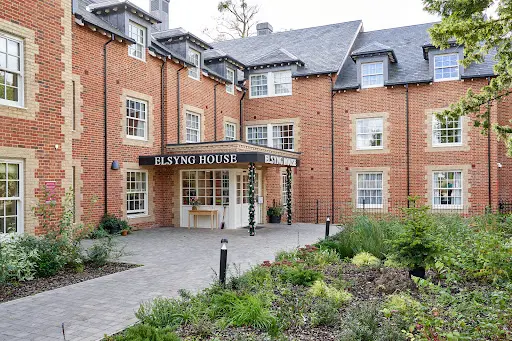
Barchester – Wilsmere House Care Home
At a Glance
The information you need to decide whether this home warrants a closer look.
Nursing homes
Staff warmth score
of reviewers answered yes
Good to know
- Registered beds86
- SpecialismsCaring for adults over 65 yrs, Caring for adults under 65 yrs, Dementia, Physical disabilities
- Last inspected2020-01-28
Save Barchester – Wilsmere House Care Home to your shortlist
Keep a running list, add visit notes, and compare homes side-by-side. Free account — it takes a minute.
STAGE 4 — RESEARCHING CARE HOMES
Visit homes. Compare them side by side. Choose with confidence.
Most of us will view care homes the way we view houses, impression, atmosphere, the feeling in the corridor. We go home, try to remember what we saw, and make a permanent decision from a blurred memory.

The DCC shortlist gives every home you visit a structured record: the same twelve questions, answered the same way, every time. When you’re ready to choose, pull any two homes side by side and compare them directly. Same criteria, same evidence, your notes and your scores.
The Evidence
What the review data, the inspection reports, and the dementia-care evidence base tell us about this home.
What families say
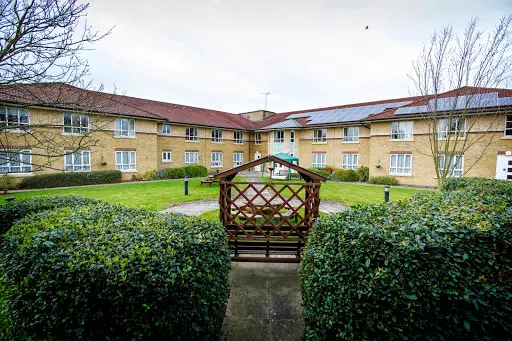
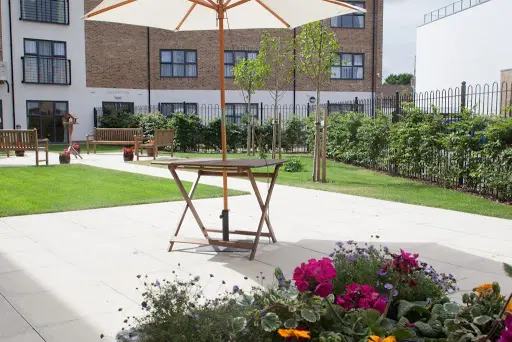
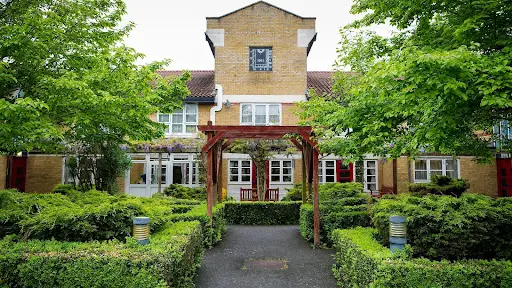
Families often mention how staff take genuine interest in residents' lives and stories, creating moments of real connection throughout the day. There's a good balance here between structured activities and respecting when someone prefers quiet time. The garden provides a peaceful retreat, and many residents enjoy the regular entertainment and social opportunities that help combat isolation.
The eight family priority themes
- Staff warmth72
- Compassion & dignity74
- Cleanliness55
- Activities & engagement62
- Food quality60
- Healthcare55
- Management & leadership72
- Resident happiness65
What inspectors found
Inspected 2020-01-28
Is this home safe?
Is the care effective?
The Effective domain was rated Good at the November 2020 inspection. This domain covers how well staff are trained, whether care plans reflect individual needs, and whether residents have timely access to healthcare including GP visits and specialist referrals. Dementia is listed as a specialism, and the Good rating indicates inspectors were satisfied with the standard of care planning and staff knowledge at the time of the inspection. No specific observations or quoted examples are available in the published summary.Is this home caring?
The Caring domain was rated Good at the November 2020 inspection. This domain covers how staff treat people on a day-to-day basis, including whether they are respectful, unhurried, and attentive to dignity and privacy. The Good rating indicates inspectors were satisfied with the general standard of staff interactions. No specific observations about individual interactions, preferred names, or responses to distress are recorded in the published summary.Is the home responsive?
The Responsive domain was rated Good at the November 2020 inspection. This domain covers whether the home responds to individual needs and preferences, including activities, engagement, and end-of-life care. The Good rating indicates inspectors were satisfied with how the home tailored its approach to individual residents at the time. No specific detail about the activity programme, one-to-one engagement, or end-of-life planning is recorded in the published summary.Is the home well-led?
The Well-led domain was rated Good at the November 2020 inspection. The home has a named registered manager and a nominated individual recorded at the time of inspection. Well-led covers whether the home has effective governance, whether staff feel supported to raise concerns, and whether the home learns from incidents and complaints. The Good rating indicates inspectors were satisfied with the leadership culture and accountability structures at the time. No specific observations about management visibility or staff culture are recorded in the published summary.
Source: CQC inspection report →
What the evidence base says
Wilsmere House supports adults both under and over 65, including those living with dementia or physical disabilities. This mixed community brings different care needs under one roof. For residents with dementia, the team works to maintain dignity and reduce distress through patient, individualized approaches. Some staff show particular skill in de-escalation techniques when residents become anxious. All areas worth probing directly during a visit.
The DCC Verdict
Our editorial view, built from the three lenses: what families tell us, what inspectors record, and how the home sits against good dementia-care practice.
DCC Family Score
Wilsmere House scores 68 out of 100, reflecting a home that inspectors rated Good overall but with a Requires Improvement finding in safety. The score reflects positive but often general evidence across caring and leadership, offset by limited specific detail in safety, food, and activities.
Homes in London typically score 68–82.The three-lens summary
What families tell us
Families often mention how staff take genuine interest in residents' lives and stories, creating moments of real connection throughout the day. There's a good balance here between structured activities and respecting when someone prefers quiet time. The garden provides a peaceful retreat, and many residents enjoy the regular entertainment and social opportunities that help combat isolation.
What inspectors have recorded
The manager and deputy make themselves visible and available, regularly checking in with families during care reviews. Staff work to keep relatives informed and involved, understanding how important that partnership is. Some families have raised concerns about response times and communication consistency, which the home continues to address.
How it sits against good practice
Every family's journey to choosing care is different, and visiting helps you get a feel for whether this could be the right fit for your loved one.
Worth a visit
Wilsmere House in Harrow was rated Good overall at its last inspection in November 2020, with Good ratings in Effective, Caring, Responsive, and Well-led. The home is run by Barchester Healthcare Homes Limited and supports 86 people, including those living with dementia and physical disabilities. Inspectors were satisfied with how staff treated people, how care was planned, and how the home was managed. The one area that did not meet the Good standard was Safety, which was rated Requires Improvement. The most important thing to understand before visiting is that the Safe rating of Requires Improvement was published in late 2020, and this inspection report is now over four years old. A great deal can change in that time, in either direction. Ask the manager directly what prompted the Requires Improvement in safety, what actions were taken, and whether a more recent inspection has taken place or is pending. On your visit, ask to see the current staffing rota for day and night shifts, and observe how quickly staff respond when someone needs help.
The three questions to ask when you visitSave this home. Compare it against your shortlist.
Let our analysis show you how Barchester – Wilsmere House Care Home measures up against the other homes you’re considering. Free account.
In Their Own Words
How Barchester – Wilsmere House Care Home describes itself — collected from its own website. DCC has not edited or independently verified the content in this tab.
Where genuine connections help residents feel truly heard and valued
Wilsmere House – Expert Care in Harrow
Finding the right care isn't just about medical needs — it's about knowing your loved one will be seen, heard, and treated with real dignity. At Wilsmere House in Harrow, many families have found exactly that kind of attentive, person-centered approach. The team here focuses on getting to know each resident as an individual, taking time for conversations that go beyond basic care.
Who they care for
Wilsmere House supports adults both under and over 65, including those living with dementia or physical disabilities. This mixed community brings different care needs under one roof.
For residents with dementia, the team works to maintain dignity and reduce distress through patient, individualized approaches. Some staff show particular skill in de-escalation techniques when residents become anxious.
“Every family's journey to choosing care is different, and visiting helps you get a feel for whether this could be the right fit for your loved one.”
DCC does not edit or curate content in this tab. For independently curated information, see The Evidence and DCC Verdict.
The DCC Verdict
Our editorial view, built from the three lenses: what families tell us, what inspectors record, and how the home sits against good dementia-care practice.
DCC Family Score
Wilsmere House scores 68 out of 100, reflecting a home that inspectors rated Good overall but with a Requires Improvement finding in safety. The score reflects positive but often general evidence across caring and leadership, offset by limited specific detail in safety, food, and activities.
Homes in London typically score 68–82.The three-lens summary
What families tell us
Families often mention how staff take genuine interest in residents' lives and stories, creating moments of real connection throughout the day. There's a good balance here between structured activities and respecting when someone prefers quiet time. The garden provides a peaceful retreat, and many residents enjoy the regular entertainment and social opportunities that help combat isolation.
What inspectors have recorded
The manager and deputy make themselves visible and available, regularly checking in with families during care reviews. Staff work to keep relatives informed and involved, understanding how important that partnership is. Some families have raised concerns about response times and communication consistency, which the home continues to address.
How it sits against good practice
Every family's journey to choosing care is different, and visiting helps you get a feel for whether this could be the right fit for your loved one.
Worth a visit
Wilsmere House in Harrow was rated Good overall at its last inspection in November 2020, with Good ratings in Effective, Caring, Responsive, and Well-led. The home is run by Barchester Healthcare Homes Limited and supports 86 people, including those living with dementia and physical disabilities. Inspectors were satisfied with how staff treated people, how care was planned, and how the home was managed. The one area that did not meet the Good standard was Safety, which was rated Requires Improvement. The most important thing to understand before visiting is that the Safe rating of Requires Improvement was published in late 2020, and this inspection report is now over four years old. A great deal can change in that time, in either direction. Ask the manager directly what prompted the Requires Improvement in safety, what actions were taken, and whether a more recent inspection has taken place or is pending. On your visit, ask to see the current staffing rota for day and night shifts, and observe how quickly staff respond when someone needs help.
The three questions to ask when you visitSave this home. Compare it against your shortlist.
Let our analysis show you how Barchester – Wilsmere House Care Home measures up against the other homes you’re considering. Free account.
In Their Own Words
How Barchester – Wilsmere House Care Home describes itself — collected from its own website. DCC has not edited or independently verified the content in this tab.
Where genuine connections help residents feel truly heard and valued
Wilsmere House – Expert Care in Harrow
Finding the right care isn't just about medical needs — it's about knowing your loved one will be seen, heard, and treated with real dignity. At Wilsmere House in Harrow, many families have found exactly that kind of attentive, person-centered approach. The team here focuses on getting to know each resident as an individual, taking time for conversations that go beyond basic care.
Who they care for
Wilsmere House supports adults both under and over 65, including those living with dementia or physical disabilities. This mixed community brings different care needs under one roof.
For residents with dementia, the team works to maintain dignity and reduce distress through patient, individualized approaches. Some staff show particular skill in de-escalation techniques when residents become anxious.
Management & ethos
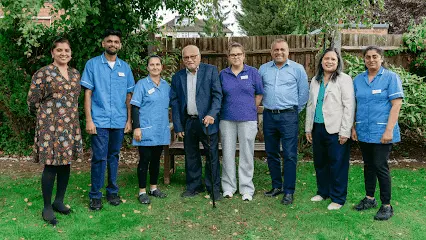
The manager and deputy make themselves visible and available, regularly checking in with families during care reviews. Staff work to keep relatives informed and involved, understanding how important that partnership is. Some families have raised concerns about response times and communication consistency, which the home continues to address.
The home & environment
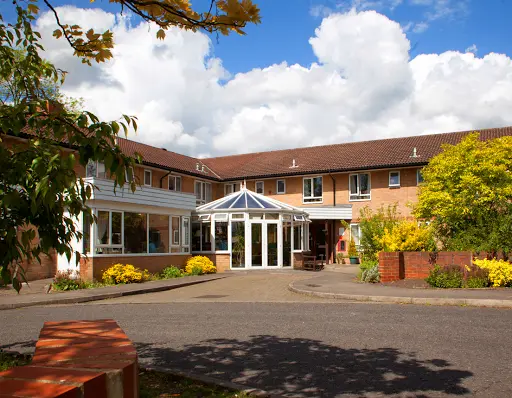
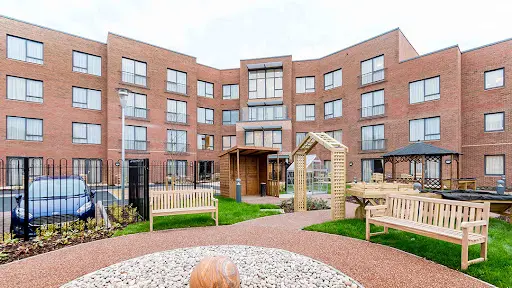
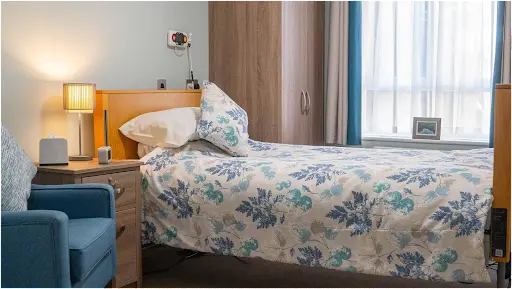
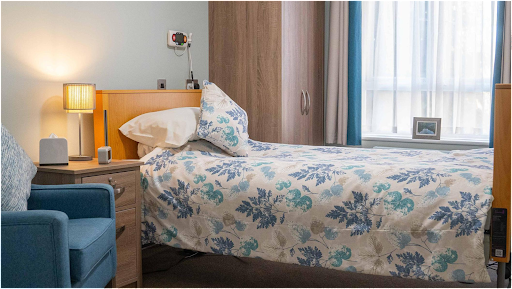
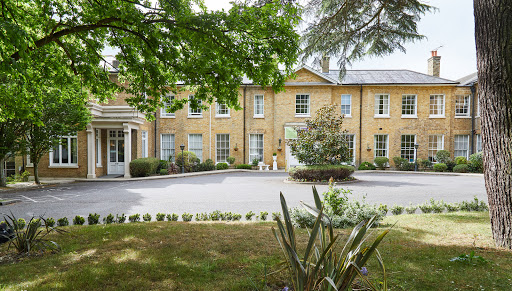
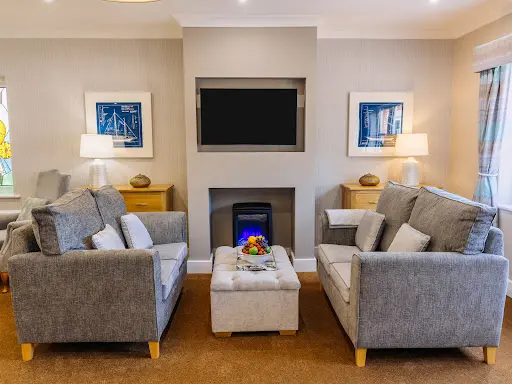
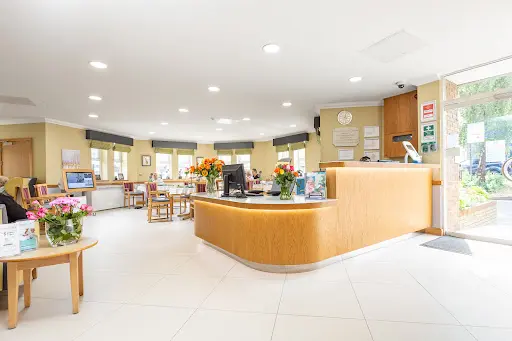
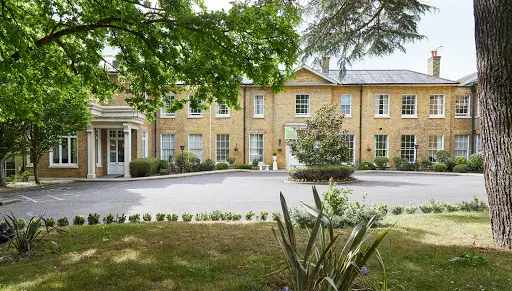
The kitchen prepares all meals on-site, with families consistently praising the quality and variety of food. Having their own physiotherapy service means residents don't need to travel for treatments, and the in-house hairdresser is another thoughtful touch. The outdoor spaces are well-maintained, giving everyone access to fresh air and nature when weather permits.
“Every family's journey to choosing care is different, and visiting helps you get a feel for whether this could be the right fit for your loved one.”
DCC does not edit or curate content in this tab. For independently curated information, see The Evidence and DCC Verdict.