Aashna House Residential Care Home – Sanctuary Care
At a Glance
The information you need to decide whether this home warrants a closer look.
Residential homes
Staff warmth score
of reviewers answered yes
Good to know
- Registered beds38
- SpecialismsCaring for adults over 65 yrs, Dementia, Physical disabilities
- Last inspected2022-10-14
Save Aashna House Residential Care Home – Sanctuary Care to your shortlist
Keep a running list, add visit notes, and compare homes side-by-side. Free account — it takes a minute.
STAGE 4 — RESEARCHING CARE HOMES
Visit homes. Compare them side by side. Choose with confidence.
Most of us will view care homes the way we view houses, impression, atmosphere, the feeling in the corridor. We go home, try to remember what we saw, and make a permanent decision from a blurred memory.

The DCC shortlist gives every home you visit a structured record: the same twelve questions, answered the same way, every time. When you’re ready to choose, pull any two homes side by side and compare them directly. Same criteria, same evidence, your notes and your scores.
The Evidence
What the review data, the inspection reports, and the dementia-care evidence base tell us about this home.
What families say
Visitors often mention how calm the atmosphere feels, with residents chatting together in communal areas rather than staying isolated in their rooms. The care team creates a sense of belonging that helps residents feel they're somewhere they want to be, not somewhere they have to be. Families say they're greeted warmly and made to feel their visits matter.
The eight family priority themes
- Staff warmth72
- Compassion & dignity72
- Cleanliness70
- Activities & engagement65
- Food quality65
- Healthcare68
- Management & leadership72
- Resident happiness68
What inspectors found
Inspected 2022-10-14
Is this home safe?
Is the care effective?
The Effective domain was rated Good. This domain covers care planning, staff training, access to healthcare professionals, and nutrition. The home specialises in dementia care, which requires specific training and assessment approaches. The published inspection text does not record detail on care plan quality, dementia training content, GP access frequency, or food provision, so the Good rating reflects a broadly satisfactory finding without specifics.Is this home caring?
The Caring domain was rated Good. This domain covers staff warmth, dignity, respect, and whether people are supported to maintain independence. A Good rating indicates inspectors found no concerns in how staff interacted with residents. The published text does not include direct inspector observations of staff interactions, resident quotes, or specific examples of dignity in practice, so the detail behind the rating is not visible in what has been published.Is the home responsive?
The Responsive domain was rated Good. This domain covers how well the home responds to individual needs, including activities, personal preferences, and end-of-life care. The home serves a predominantly South Asian community, which makes cultural responsiveness, including language, food, spiritual practice, and family involvement, particularly relevant. The published text does not include detail on the activities programme, individual engagement, or end-of-life planning.Is the home well-led?
The Well-led domain was rated Good. A named registered manager, Mrs Smita Hamen Bhatt, is in post, and a nominated individual, Mrs Louise Palmer, is identified within the Sanctuary Care Limited organisation. Good leadership is reflected in the overall rating and the consistency across all five domains. The published text does not include detail on manager visibility, staff culture, governance processes, or how the home handles complaints.
Source: CQC inspection report →
What the evidence base says
The home cares for people over 65 with dementia and physical disabilities. They've developed approaches that work well for residents with complex needs, particularly those needing consistent routines and familiar faces. Care workers here understand that dementia requires more than just medical knowledge — it needs patience and the ability to see the person behind the condition. Families report their relatives becoming more settled and engaged, with staff who remember individual preferences and build genuine connections over time. All areas worth probing directly during a visit.
The DCC Verdict
Our editorial view, built from the three lenses: what families tell us, what inspectors record, and how the home sits against good dementia-care practice.
DCC Family Score
Aashna House Residential Care Home was rated Good across all five inspection domains, which is a solid baseline. However, the published inspection text contains very limited specific detail, observations, or direct testimony, so most scores sit in the 65-72 range rather than higher, reflecting genuine but unverified positive findings.
Homes in London typically score 68–82.The three-lens summary
What families tell us
Visitors often mention how calm the atmosphere feels, with residents chatting together in communal areas rather than staying isolated in their rooms. The care team creates a sense of belonging that helps residents feel they're somewhere they want to be, not somewhere they have to be. Families say they're greeted warmly and made to feel their visits matter.
What inspectors have recorded
The manager here has built a team that sticks around, which means residents see the same faces day after day — crucial when you're living with dementia. Staff speak multiple languages and take time to learn what makes each resident tick. When families raise concerns, they get proper responses, and the team makes sure to celebrate birthdays and milestones in ways that feel genuine.
How it sits against good practice
Sometimes the right care home is the one where your relative starts smiling again.
Worth a visit
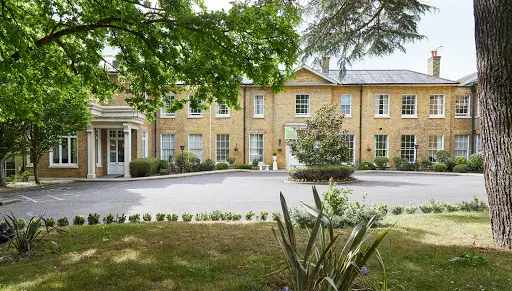
Aashna House Residential Care Home, at 2 Bates Crescent in Streatham, was rated Good across all five domains at its inspection in September 2022. The home, run by Sanctuary Care Limited, specialises in care for older adults, people with dementia, and those with physical disabilities, and has a named registered manager in post. A Good rating across all domains is a meaningful baseline and reflects that inspectors found no significant concerns at the time of the visit. The main limitation for families reading this report is that the published inspection text contains very little specific detail. There are no recorded observations of staff interactions, no direct quotes from residents or relatives, and no specific findings on areas such as food, activities, night staffing, or dementia care practice. This means the Good rating is confirmed but cannot be fully contextualised. Before you decide, visit the home, ask to see last week's actual staffing rota, speak to a member of staff who works on the dementia unit, and ask how the home stays connected with families day to day.
The three questions to ask when you visitSave this home. Compare it against your shortlist.
Let our analysis show you how Aashna House Residential Care Home – Sanctuary Care measures up against the other homes you’re considering. Free account.
In Their Own Words
How Aashna House Residential Care Home – Sanctuary Care describes itself — collected from its own website. DCC has not edited or independently verified the content in this tab.
Where dementia doesn't define the day ahead
Aashna House Residential Care Home – Your Trusted residential home
Families describe watching their relatives with dementia become calmer and more engaged at Aashna House Residential Care Home in South London. The consistent care team here seems to have found their rhythm — building trust with residents through patience and familiarity, helping people rediscover parts of themselves that families worried were lost.
Who they care for
The home cares for people over 65 with dementia and physical disabilities. They've developed approaches that work well for residents with complex needs, particularly those needing consistent routines and familiar faces.
Care workers here understand that dementia requires more than just medical knowledge — it needs patience and the ability to see the person behind the condition. Families report their relatives becoming more settled and engaged, with staff who remember individual preferences and build genuine connections over time.
“Sometimes the right care home is the one where your relative starts smiling again.”
DCC does not edit or curate content in this tab. For independently curated information, see The Evidence and DCC Verdict.
The DCC Verdict
Our editorial view, built from the three lenses: what families tell us, what inspectors record, and how the home sits against good dementia-care practice.
DCC Family Score
Aashna House Residential Care Home was rated Good across all five inspection domains, which is a solid baseline. However, the published inspection text contains very limited specific detail, observations, or direct testimony, so most scores sit in the 65-72 range rather than higher, reflecting genuine but unverified positive findings.
Homes in London typically score 68–82.The three-lens summary
What families tell us
Visitors often mention how calm the atmosphere feels, with residents chatting together in communal areas rather than staying isolated in their rooms. The care team creates a sense of belonging that helps residents feel they're somewhere they want to be, not somewhere they have to be. Families say they're greeted warmly and made to feel their visits matter.
What inspectors have recorded
The manager here has built a team that sticks around, which means residents see the same faces day after day — crucial when you're living with dementia. Staff speak multiple languages and take time to learn what makes each resident tick. When families raise concerns, they get proper responses, and the team makes sure to celebrate birthdays and milestones in ways that feel genuine.
How it sits against good practice
Sometimes the right care home is the one where your relative starts smiling again.
Worth a visit
Aashna House Residential Care Home, at 2 Bates Crescent in Streatham, was rated Good across all five domains at its inspection in September 2022. The home, run by Sanctuary Care Limited, specialises in care for older adults, people with dementia, and those with physical disabilities, and has a named registered manager in post. A Good rating across all domains is a meaningful baseline and reflects that inspectors found no significant concerns at the time of the visit. The main limitation for families reading this report is that the published inspection text contains very little specific detail. There are no recorded observations of staff interactions, no direct quotes from residents or relatives, and no specific findings on areas such as food, activities, night staffing, or dementia care practice. This means the Good rating is confirmed but cannot be fully contextualised. Before you decide, visit the home, ask to see last week's actual staffing rota, speak to a member of staff who works on the dementia unit, and ask how the home stays connected with families day to day.
The three questions to ask when you visitSave this home. Compare it against your shortlist.
Let our analysis show you how Aashna House Residential Care Home – Sanctuary Care measures up against the other homes you’re considering. Free account.
In Their Own Words
How Aashna House Residential Care Home – Sanctuary Care describes itself — collected from its own website. DCC has not edited or independently verified the content in this tab.
Where dementia doesn't define the day ahead
Aashna House Residential Care Home – Your Trusted residential home
Families describe watching their relatives with dementia become calmer and more engaged at Aashna House Residential Care Home in South London. The consistent care team here seems to have found their rhythm — building trust with residents through patience and familiarity, helping people rediscover parts of themselves that families worried were lost.
Who they care for
The home cares for people over 65 with dementia and physical disabilities. They've developed approaches that work well for residents with complex needs, particularly those needing consistent routines and familiar faces.
Care workers here understand that dementia requires more than just medical knowledge — it needs patience and the ability to see the person behind the condition. Families report their relatives becoming more settled and engaged, with staff who remember individual preferences and build genuine connections over time.
Management & ethos
The manager here has built a team that sticks around, which means residents see the same faces day after day — crucial when you're living with dementia. Staff speak multiple languages and take time to learn what makes each resident tick. When families raise concerns, they get proper responses, and the team makes sure to celebrate birthdays and milestones in ways that feel genuine.
The home & environment
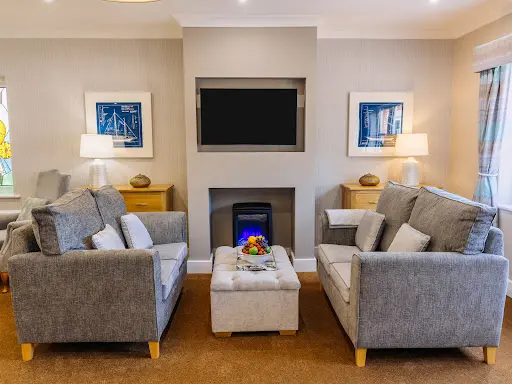
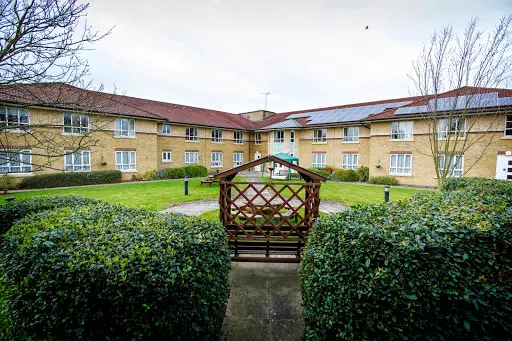
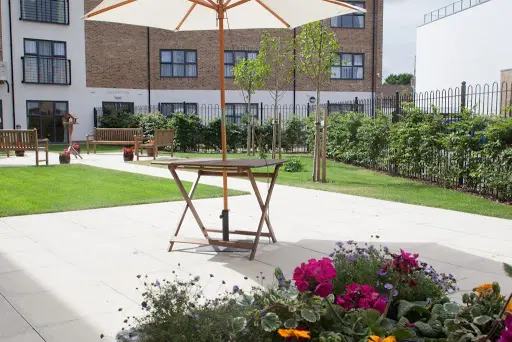
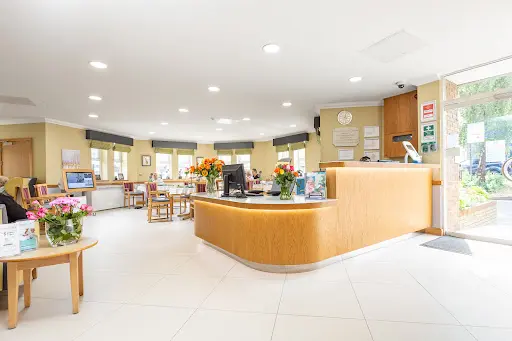
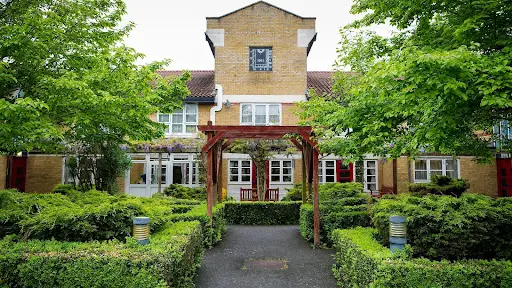
The kitchen produces proper home-cooked meals with South Asian dishes alongside British options, and families mention the food actually tastes good — not something you hear about every care home. The building stays fresh and clean without that institutional smell, and the flat garden paths mean everyone can enjoy time outside. Regular outings to the beach and local attractions keep life interesting.
“Sometimes the right care home is the one where your relative starts smiling again.”
DCC does not edit or curate content in this tab. For independently curated information, see The Evidence and DCC Verdict.