St Annes Nursing Home

At a Glance
The information you need to decide whether this home warrants a closer look.
Nursing homes
Staff warmth score
of reviewers answered yes
Good to know
- Registered beds58
- SpecialismsCaring for adults over 65 yrs, Dementia, Physical disabilities
- Last inspected2023-07-21
Save St Annes Nursing Home to your shortlist
Keep a running list, add visit notes, and compare homes side-by-side. Free account — it takes a minute.
STAGE 4 — RESEARCHING CARE HOMES
Visit homes. Compare them side by side. Choose with confidence.
Most of us will view care homes the way we view houses, impression, atmosphere, the feeling in the corridor. We go home, try to remember what we saw, and make a permanent decision from a blurred memory.

The DCC shortlist gives every home you visit a structured record: the same twelve questions, answered the same way, every time. When you’re ready to choose, pull any two homes side by side and compare them directly. Same criteria, same evidence, your notes and your scores.
The Evidence
What the review data, the inspection reports, and the dementia-care evidence base tell us about this home.
What families say
The atmosphere here strikes visitors immediately — it's professional but never clinical. Families describe staff who maintain their friendly approach even during busy periods, with no hint of the impatience you sometimes find elsewhere. Birthday celebrations and family gatherings happen in the home's spaces, and relatives feel genuinely welcome to join in seasonal events like Christmas parties and summer fayres.
The eight family priority themes
- Staff warmth72
- Compassion & dignity72
- Cleanliness72
- Activities & engagement60
- Food quality60
- Healthcare72
- Management & leadership74
- Resident happiness70
What inspectors found
Inspected 2023-07-21
Is this home safe?
Is the care effective?
The Effective domain was rated Good at the October 2025 inspection. This domain covers training, care planning, healthcare access, and food. No specific detail about dementia training completion rates, GP visiting frequency, care plan content, or nutrition arrangements is included in the published summary. The home's specialism in dementia means that the quality of dementia-specific training is particularly important. The absence of published detail means this Good rating cannot be further broken down from the inspection text alone.Is this home caring?
The Caring domain was rated Good at the October 2025 inspection. This domain covers staff warmth, dignity, respect, and whether your parent would feel like an individual rather than a number. No inspector observations, resident quotes, or relative testimonials are included in the published text. The absence of specific evidence means it is not possible to say from this report alone what interactions between staff and residents actually look like. The Good rating is the only signal available from the published findings.Is the home responsive?
The Responsive domain was rated Good at the October 2025 inspection. Responsive covers whether your parent will have a life here: activities, individual engagement, responsiveness to preferences, and end-of-life planning. No specific detail about the activities programme, one-to-one engagement, complaints handling, or advance care planning is included in the published text. For a home with a dementia specialism, the quality of individual engagement for people who cannot join group activities is a particularly important gap to fill through direct questioning.Is the home well-led?
The Well-led domain was rated Good at the October 2025 inspection. The home is operated by Pegmar Limited, with Mr Robert Imonikhe named as the nominated individual. The improvement from Requires Improvement to Good across all domains suggests that leadership has responded constructively to previous inspection concerns. No specific detail about management visibility, staff culture, governance systems, or complaint handling is included in the published text. The fact that all five domains improved simultaneously suggests a coordinated management response rather than isolated changes.
Source: CQC inspection report →
What the evidence base says
The home provides specialist dementia care alongside support for physical disabilities, all within their 24-hour nursing framework. They're set up to care for adults over 65 who need that constant professional presence. For residents living with dementia, the combination of consistent staffing and structured daily activities provides important routine and stimulation. The team's experience shows in how they adapt their approach to each person's changing needs. All areas worth probing directly during a visit.
The DCC Verdict
Our editorial view, built from the three lenses: what families tell us, what inspectors record, and how the home sits against good dementia-care practice.
DCC Family Score
St Annes Nursing Home has improved from Requires Improvement to Good across all five domains, which is a meaningful step forward. However, the published inspection text contains very limited specific detail, so the scores reflect a positive but evidence-light picture that you should verify in person.
Homes in South East typically score 68–82.The three-lens summary
What families tell us
The atmosphere here strikes visitors immediately — it's professional but never clinical. Families describe staff who maintain their friendly approach even during busy periods, with no hint of the impatience you sometimes find elsewhere. Birthday celebrations and family gatherings happen in the home's spaces, and relatives feel genuinely welcome to join in seasonal events like Christmas parties and summer fayres.
What inspectors have recorded
What stands out here is how management responds when families raise concerns — issues get listened to and acted on, not just filed away. The director and senior team are described as approachable and quick to address worries. During those hardest times, when residents are nearing the end of their lives, families have found the care dignified and compassionate, with support extending to bereaved relatives too.
How it sits against good practice
With 24-hour nursing care on hand and a team that families describe as consistently kind, St Annes offers reassurance during uncertain times.
Worth a visit
St Annes Nursing Home at 1-3 Lawn Road, Southampton, was assessed in October 2025 and rated Good across all five domains: Safe, Effective, Caring, Responsive, and Well-led. This is a genuine improvement from a previous Requires Improvement rating, which is a positive sign that the management team has responded to earlier concerns. The home is registered for 58 beds and lists dementia, physical disabilities, and nursing care among its specialisms. The honest limitation of this report is that the published inspection text provides almost no specific detail about what inspectors actually observed. A Good rating is reassuring, but it tells you very little about what daily life looks like for your parent. Before making a decision, visit the home unannounced if possible and ask the manager: how many permanent staff are on the dementia unit after 8pm, what was the agency usage rate over the past three months, and can you see the actual activities timetable for last week rather than a planned template. The improvement from Requires Improvement means the trajectory is the right direction, but you should verify the detail in person.
The three questions to ask when you visitSave this home. Compare it against your shortlist.
Let our analysis show you how St Annes Nursing Home measures up against the other homes you’re considering. Free account.
In Their Own Words
How St Annes Nursing Home describes itself — collected from its own website. DCC has not edited or independently verified the content in this tab.
Where nursing expertise meets genuine family warmth every single day
St Annes Nursing Home – Your Trusted nursing home
When your loved one needs round-the-clock nursing care, finding somewhere that combines professional expertise with real warmth can feel impossible. St Annes Nursing Home in Southampton seems to have found that balance. Families talk about staff who are consistently kind and approachable, and a management team that actually listens when concerns are raised.
Who they care for
The home provides specialist dementia care alongside support for physical disabilities, all within their 24-hour nursing framework. They're set up to care for adults over 65 who need that constant professional presence.
For residents living with dementia, the combination of consistent staffing and structured daily activities provides important routine and stimulation. The team's experience shows in how they adapt their approach to each person's changing needs.
“With 24-hour nursing care on hand and a team that families describe as consistently kind, St Annes offers reassurance during uncertain times.”
DCC does not edit or curate content in this tab. For independently curated information, see The Evidence and DCC Verdict.
The DCC Verdict
Our editorial view, built from the three lenses: what families tell us, what inspectors record, and how the home sits against good dementia-care practice.
DCC Family Score
St Annes Nursing Home has improved from Requires Improvement to Good across all five domains, which is a meaningful step forward. However, the published inspection text contains very limited specific detail, so the scores reflect a positive but evidence-light picture that you should verify in person.
Homes in South East typically score 68–82.The three-lens summary
What families tell us
The atmosphere here strikes visitors immediately — it's professional but never clinical. Families describe staff who maintain their friendly approach even during busy periods, with no hint of the impatience you sometimes find elsewhere. Birthday celebrations and family gatherings happen in the home's spaces, and relatives feel genuinely welcome to join in seasonal events like Christmas parties and summer fayres.
What inspectors have recorded
What stands out here is how management responds when families raise concerns — issues get listened to and acted on, not just filed away. The director and senior team are described as approachable and quick to address worries. During those hardest times, when residents are nearing the end of their lives, families have found the care dignified and compassionate, with support extending to bereaved relatives too.
How it sits against good practice
With 24-hour nursing care on hand and a team that families describe as consistently kind, St Annes offers reassurance during uncertain times.
Worth a visit
St Annes Nursing Home at 1-3 Lawn Road, Southampton, was assessed in October 2025 and rated Good across all five domains: Safe, Effective, Caring, Responsive, and Well-led. This is a genuine improvement from a previous Requires Improvement rating, which is a positive sign that the management team has responded to earlier concerns. The home is registered for 58 beds and lists dementia, physical disabilities, and nursing care among its specialisms. The honest limitation of this report is that the published inspection text provides almost no specific detail about what inspectors actually observed. A Good rating is reassuring, but it tells you very little about what daily life looks like for your parent. Before making a decision, visit the home unannounced if possible and ask the manager: how many permanent staff are on the dementia unit after 8pm, what was the agency usage rate over the past three months, and can you see the actual activities timetable for last week rather than a planned template. The improvement from Requires Improvement means the trajectory is the right direction, but you should verify the detail in person.
The three questions to ask when you visitSave this home. Compare it against your shortlist.
Let our analysis show you how St Annes Nursing Home measures up against the other homes you’re considering. Free account.
In Their Own Words
How St Annes Nursing Home describes itself — collected from its own website. DCC has not edited or independently verified the content in this tab.
Where nursing expertise meets genuine family warmth every single day
St Annes Nursing Home – Your Trusted nursing home
When your loved one needs round-the-clock nursing care, finding somewhere that combines professional expertise with real warmth can feel impossible. St Annes Nursing Home in Southampton seems to have found that balance. Families talk about staff who are consistently kind and approachable, and a management team that actually listens when concerns are raised.
Who they care for
The home provides specialist dementia care alongside support for physical disabilities, all within their 24-hour nursing framework. They're set up to care for adults over 65 who need that constant professional presence.
For residents living with dementia, the combination of consistent staffing and structured daily activities provides important routine and stimulation. The team's experience shows in how they adapt their approach to each person's changing needs.
Management & ethos
What stands out here is how management responds when families raise concerns — issues get listened to and acted on, not just filed away. The director and senior team are described as approachable and quick to address worries. During those hardest times, when residents are nearing the end of their lives, families have found the care dignified and compassionate, with support extending to bereaved relatives too.
The home & environment
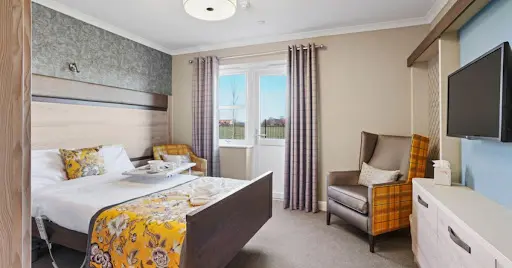
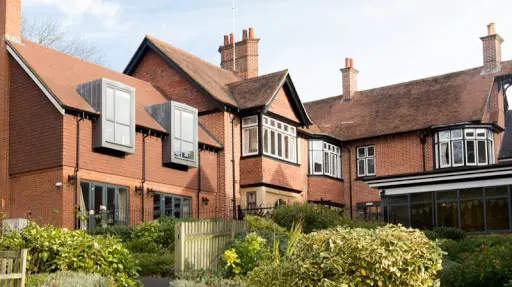
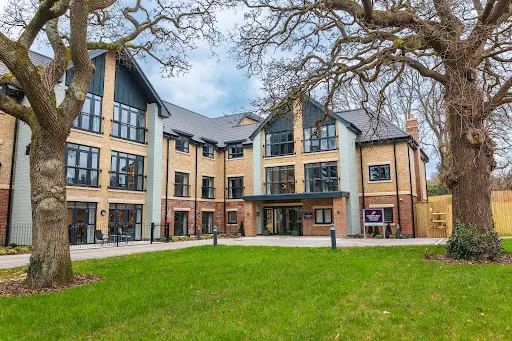
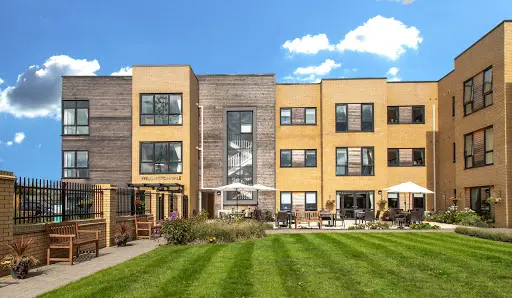
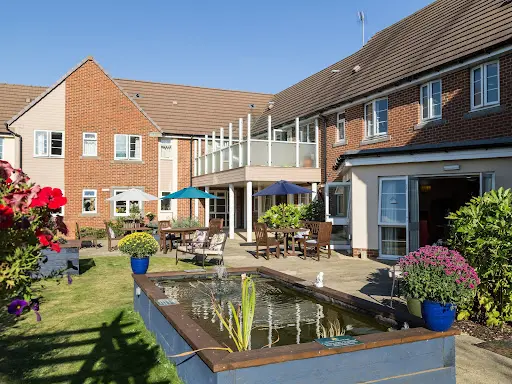
Fresh meals are prepared daily in the kitchen, with the cooks adapting dishes for different health needs and personal preferences. Families consistently mention how clean and comfortable both the lounges and individual rooms are. The home organises regular activities and entertainment programmes, with occasional outings that residents look forward to.
“With 24-hour nursing care on hand and a team that families describe as consistently kind, St Annes offers reassurance during uncertain times.”
DCC does not edit or curate content in this tab. For independently curated information, see The Evidence and DCC Verdict.