Oak Lodge Care Home – Bupa
At a Glance
The information you need to decide whether this home warrants a closer look.
Nursing homes
Staff warmth score
of reviewers answered yes
Good to know
- Registered beds71
- SpecialismsCaring for adults over 65 yrs, Caring for adults under 65 yrs, Dementia
- Last inspected2018-09-27
Save Oak Lodge Care Home – Bupa to your shortlist
Keep a running list, add visit notes, and compare homes side-by-side. Free account — it takes a minute.
STAGE 4 — RESEARCHING CARE HOMES
Visit homes. Compare them side by side. Choose with confidence.
Most of us will view care homes the way we view houses, impression, atmosphere, the feeling in the corridor. We go home, try to remember what we saw, and make a permanent decision from a blurred memory.

The DCC shortlist gives every home you visit a structured record: the same twelve questions, answered the same way, every time. When you’re ready to choose, pull any two homes side by side and compare them directly. Same criteria, same evidence, your notes and your scores.
The Evidence
What the review data, the inspection reports, and the dementia-care evidence base tell us about this home.
What families say
Families talk about walking in and immediately feeling the difference — staff at every level greet visitors warmly and make them feel included. What strikes people most is seeing residents who've been there for years looking genuinely content and well-cared for, with staff who clearly know them as individuals.
The eight family priority themes
- Staff warmth72
- Compassion & dignity72
- Cleanliness70
- Activities & engagement65
- Food quality65
- Healthcare72
- Management & leadership75
- Resident happiness70
What inspectors found
Inspected 2018-09-27
Is this home safe?
Is the care effective?
The September 2024 inspection rated the Effective domain as Good. The published summary does not include specific observations about care plan quality, GP access, dementia training, or food and nutrition practices. The home is a nursing home, meaning qualified nurses should be present to oversee clinical care. No concerns about effectiveness were flagged in the summary. The level of detail available in the published text does not allow families to assess the quality of dementia-specific care planning without visiting the home.Is this home caring?
The September 2024 inspection rated the Caring domain as Good. The published text does not include direct observations of staff interactions, quotes from residents or relatives about kindness or dignity, or descriptions of how staff respond to distress. No concerns about caring practice were raised in the summary. Families cannot assess from the published text alone whether the warmth and dignity they would want for their parent is genuinely present in day-to-day life at the home.Is the home responsive?
The September 2024 inspection rated the Responsive domain as Good. The published summary does not include specific detail about the activities programme, individual engagement for people with advanced dementia, complaints handling, or end-of-life care planning. The home is registered for dementia care, which implies some provision for tailored individual support, but no specifics are available in the text provided. Families will need to explore the activities offer and individualisation of care directly with the home.Is the home well-led?
The September 2024 inspection rated the Well-led domain as Good, up from Requires Improvement at the previous inspection. Mr Corin Ridout is the registered manager and Mr Donald Day is the nominated individual for the Bupa Care Homes organisation. The improvement from Requires Improvement to Good across all domains suggests the leadership has made meaningful changes since the previous inspection. No governance concerns were flagged in the published summary. Specific detail about management visibility, staff culture, or complaint and incident learning processes is not available in the published text.
Source: CQC inspection report →
What the evidence base says
Oak Lodge specialises in caring for adults over 65, adults under 65, and people living with dementia. The mixed age range creates an interesting dynamic that suits many residents. For residents with dementia, the home's emphasis on knowing people as individuals becomes especially important. Staff take time to understand each person's preferences and routines, helping them feel secure and valued. All areas worth probing directly during a visit.
The DCC Verdict
Our editorial view, built from the three lenses: what families tell us, what inspectors record, and how the home sits against good dementia-care practice.
DCC Family Score
Oak Lodge Care Home scores 72 out of 100, reflecting a Good rating across all five inspection domains at its most recent assessment, with meaningful improvement from a previous Requires Improvement rating. The score is held back by limited published detail on specific practices, meaning important questions remain for families to explore directly.
Homes in South East typically score 68–82.The three-lens summary
What families tell us
Families talk about walking in and immediately feeling the difference — staff at every level greet visitors warmly and make them feel included. What strikes people most is seeing residents who've been there for years looking genuinely content and well-cared for, with staff who clearly know them as individuals.
What inspectors have recorded
Staff show the kind of attentiveness that comes from genuinely caring — they notice when residents need something and respond naturally rather than just following routines. When families have special requests or concerns, they find staff approachable and willing to accommodate where they can.
How it sits against good practice
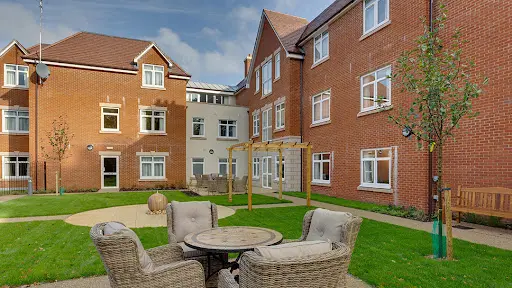
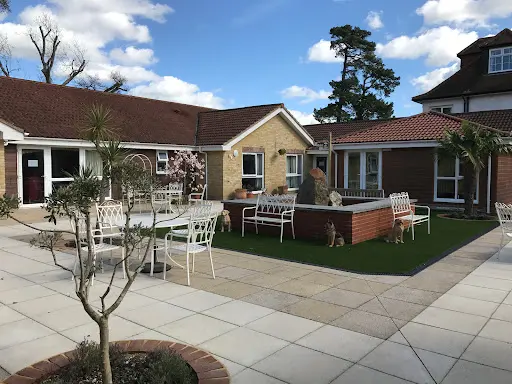
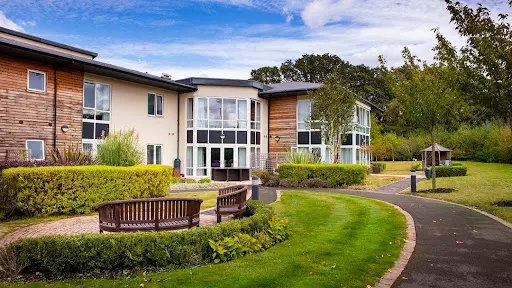
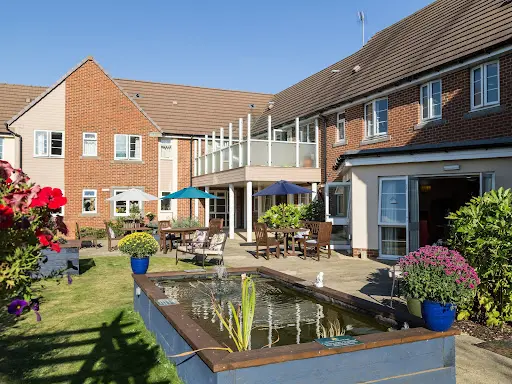
If you're considering Oak Lodge, it's worth asking about outdoor access and how they support residents who enjoy spending time in the garden.
Worth a visit
Oak Lodge Care Home, at 45 Freemantle Common Road in Southampton, was assessed in September 2024 and rated Good across all five inspection domains, with the full report published in December 2024. This is a notable improvement from a previous Requires Improvement rating, which suggests the leadership team has addressed earlier concerns and stabilised the home. The home is a 71-bed nursing home registered to care for people living with dementia as well as adults over and under 65, and is operated by Bupa Care Homes. The main limitation of this report, from a family's perspective, is that the published text available here contains very little specific detail about what inspectors actually observed: no direct quotes from residents or relatives, no descriptions of staff interactions, and no specifics on staffing ratios, activities, food, or the dementia environment. The Good rating is a positive signal, but it tells you the direction of travel rather than the full picture. Before choosing this home for your parent, visit in person, ask to see last week's actual staffing rota (counting permanent versus agency names on night shifts), observe a mealtime, and ask the registered manager, Mr Corin Ridout, directly about dementia-specific training and how families are kept informed.
The three questions to ask when you visitSave this home. Compare it against your shortlist.
Let our analysis show you how Oak Lodge Care Home – Bupa measures up against the other homes you’re considering. Free account.
In Their Own Words
How Oak Lodge Care Home – Bupa describes itself — collected from its own website. DCC has not edited or independently verified the content in this tab.
Where staff genuinely care and residents feel at home
Compassionate Care in Southampton at Oak Lodge Care Home
When you're looking for dementia care that feels personal rather than institutional, Oak Lodge Care Home in Southampton stands out for the authentic warmth families describe. Visitors consistently notice how staff engage with residents as individuals, taking time for real conversations and connections. The home welcomes adults both over and under 65, creating a mixed community where people can thrive.
Who they care for
Oak Lodge specialises in caring for adults over 65, adults under 65, and people living with dementia. The mixed age range creates an interesting dynamic that suits many residents.
For residents with dementia, the home's emphasis on knowing people as individuals becomes especially important. Staff take time to understand each person's preferences and routines, helping them feel secure and valued.
“If you're considering Oak Lodge, it's worth asking about outdoor access and how they support residents who enjoy spending time in the garden.”
DCC does not edit or curate content in this tab. For independently curated information, see The Evidence and DCC Verdict.
The DCC Verdict
Our editorial view, built from the three lenses: what families tell us, what inspectors record, and how the home sits against good dementia-care practice.
DCC Family Score
Oak Lodge Care Home scores 72 out of 100, reflecting a Good rating across all five inspection domains at its most recent assessment, with meaningful improvement from a previous Requires Improvement rating. The score is held back by limited published detail on specific practices, meaning important questions remain for families to explore directly.
Homes in South East typically score 68–82.The three-lens summary
What families tell us
Families talk about walking in and immediately feeling the difference — staff at every level greet visitors warmly and make them feel included. What strikes people most is seeing residents who've been there for years looking genuinely content and well-cared for, with staff who clearly know them as individuals.
What inspectors have recorded
Staff show the kind of attentiveness that comes from genuinely caring — they notice when residents need something and respond naturally rather than just following routines. When families have special requests or concerns, they find staff approachable and willing to accommodate where they can.
How it sits against good practice
If you're considering Oak Lodge, it's worth asking about outdoor access and how they support residents who enjoy spending time in the garden.
Worth a visit
Oak Lodge Care Home, at 45 Freemantle Common Road in Southampton, was assessed in September 2024 and rated Good across all five inspection domains, with the full report published in December 2024. This is a notable improvement from a previous Requires Improvement rating, which suggests the leadership team has addressed earlier concerns and stabilised the home. The home is a 71-bed nursing home registered to care for people living with dementia as well as adults over and under 65, and is operated by Bupa Care Homes. The main limitation of this report, from a family's perspective, is that the published text available here contains very little specific detail about what inspectors actually observed: no direct quotes from residents or relatives, no descriptions of staff interactions, and no specifics on staffing ratios, activities, food, or the dementia environment. The Good rating is a positive signal, but it tells you the direction of travel rather than the full picture. Before choosing this home for your parent, visit in person, ask to see last week's actual staffing rota (counting permanent versus agency names on night shifts), observe a mealtime, and ask the registered manager, Mr Corin Ridout, directly about dementia-specific training and how families are kept informed.
The three questions to ask when you visitSave this home. Compare it against your shortlist.
Let our analysis show you how Oak Lodge Care Home – Bupa measures up against the other homes you’re considering. Free account.
In Their Own Words
How Oak Lodge Care Home – Bupa describes itself — collected from its own website. DCC has not edited or independently verified the content in this tab.
Where staff genuinely care and residents feel at home
Compassionate Care in Southampton at Oak Lodge Care Home
When you're looking for dementia care that feels personal rather than institutional, Oak Lodge Care Home in Southampton stands out for the authentic warmth families describe. Visitors consistently notice how staff engage with residents as individuals, taking time for real conversations and connections. The home welcomes adults both over and under 65, creating a mixed community where people can thrive.
Who they care for
Oak Lodge specialises in caring for adults over 65, adults under 65, and people living with dementia. The mixed age range creates an interesting dynamic that suits many residents.
For residents with dementia, the home's emphasis on knowing people as individuals becomes especially important. Staff take time to understand each person's preferences and routines, helping them feel secure and valued.
Management & ethos
Staff show the kind of attentiveness that comes from genuinely caring — they notice when residents need something and respond naturally rather than just following routines. When families have special requests or concerns, they find staff approachable and willing to accommodate where they can.
The home & environment
The kitchen gets particular praise for flexibility, with cooks happy to prepare individual meals based on what residents fancy rather than sticking rigidly to menus. The home runs a varied activity programme that keeps residents engaged, welcoming external entertainers and community groups. During hot weather, families have noticed the building can get uncomfortably warm without proper cooling, though staff do their best in difficult conditions.
“If you're considering Oak Lodge, it's worth asking about outdoor access and how they support residents who enjoy spending time in the garden.”
DCC does not edit or curate content in this tab. For independently curated information, see The Evidence and DCC Verdict.