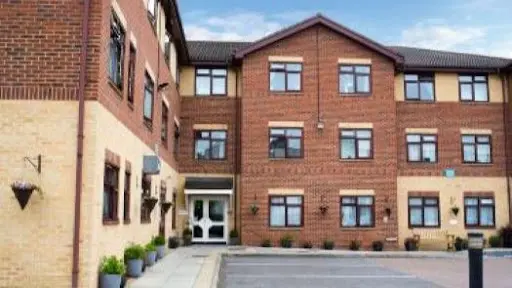
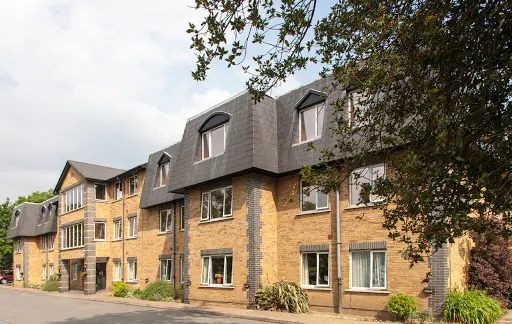
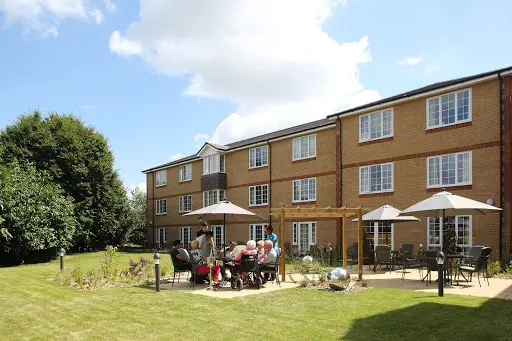
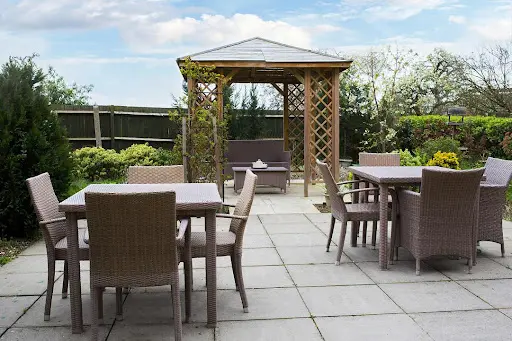
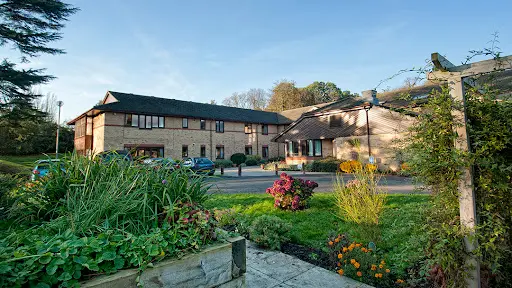
Eliza House Residential Home
At a Glance
The information you need to decide whether this home warrants a closer look.
Residential homes
Staff warmth score
of reviewers answered yes
Good to know
- Registered beds26
- SpecialismsCaring for adults over 65 yrs, Caring for adults under 65 yrs, Dementia
- Last inspected2023-10-11
Save Eliza House Residential Home to your shortlist
Keep a running list, add visit notes, and compare homes side-by-side. Free account — it takes a minute.
STAGE 4 — RESEARCHING CARE HOMES
Visit homes. Compare them side by side. Choose with confidence.
Most of us will view care homes the way we view houses, impression, atmosphere, the feeling in the corridor. We go home, try to remember what we saw, and make a permanent decision from a blurred memory.

The DCC shortlist gives every home you visit a structured record: the same twelve questions, answered the same way, every time. When you’re ready to choose, pull any two homes side by side and compare them directly. Same criteria, same evidence, your notes and your scores.
The Evidence
What the review data, the inspection reports, and the dementia-care evidence base tell us about this home.
What families say
Families describe a place where staff take time to really know each resident, responding to their unique needs with warmth and patience. Relatives often mention how happy their loved ones seem, noting genuine enjoyment in daily life rather than just contentment.
The eight family priority themes
- Staff warmth55
- Compassion & dignity60
- Cleanliness55
- Activities & engagement50
- Food quality50
- Healthcare50
- Management & leadership65
- Resident happiness55
What inspectors found
Inspected 2023-10-11
Is this home safe?
Is the care effective?
The Effective domain was rated Good at the August 2023 inspection. This domain covers staff training and competence, care planning, access to healthcare, and how well the home understands and meets residents' needs. The published summary does not include specific examples of care plan content, training records reviewed, or GP access arrangements. A Good rating here indicates that inspectors were broadly satisfied with the home's approach to knowing and meeting its residents' needs, but the detail behind that judgement is not available in the published findings.Is this home caring?
The Caring domain was rated Good at the August 2023 inspection. This domain covers staff warmth and kindness, dignity and respect, privacy, and how well staff support residents' independence. The published summary does not include specific inspector observations of staff interactions, resident testimony about how they feel treated, or examples of dignity being upheld in practice. A Good rating indicates inspectors were satisfied with the culture of care they observed, but no direct quotes or scene-setting detail were included in the published findings.Is the home responsive?
The Responsive domain was rated Good at the August 2023 inspection. This domain covers how well the home tailors its care to individual needs, the range and quality of activities on offer, and how complaints are handled. The published summary does not include specific examples of activities observed, individual care arrangements described, or complaint outcomes discussed. A Good rating suggests inspectors were satisfied that the home responds to residents as individuals rather than treating everyone the same, but no supporting detail is available in the published findings.Is the home well-led?
The Well-led domain was rated Good at the August 2023 inspection. This domain covers the quality of management, the culture of the home, governance and oversight, and whether the home learns from things that go wrong. A named registered manager and a nominated individual are both on record. The home improved from a previous overall rating of Requires Improvement to Good, which is a positive signal about leadership direction. The published summary does not include specific observations of the manager's presence, staff comments about leadership culture, or examples of governance processes in action.
Source: CQC inspection report →
What the evidence base says
The home cares for adults both under and over 65, with particular expertise in dementia care. Staff here understand the importance of meaningful activities for people living with dementia, using creative programmes to maintain connection and enjoyment. The approach focuses on what residents can still do and enjoy, rather than what they've lost. All areas worth probing directly during a visit.
The DCC Verdict
Our editorial view, built from the three lenses: what families tell us, what inspectors record, and how the home sits against good dementia-care practice.
DCC Family Score
Eliza House scores in the mid-range because the inspection confirmed a Good overall rating with improvements since the previous visit, but the published report contains very little specific observational detail across most themes, and Safety remains rated Requires Improvement.
Homes in London typically score 68–82.The three-lens summary
What families tell us
Families describe a place where staff take time to really know each resident, responding to their unique needs with warmth and patience. Relatives often mention how happy their loved ones seem, noting genuine enjoyment in daily life rather than just contentment.
What inspectors have recorded
Communication stands out as a real strength here. Families report regular updates about their loved one's wellbeing, with staff happy to discuss care decisions openly. This transparency helps relatives feel involved and reassured, even when they can't visit as often as they'd like.
How it sits against good practice
For families facing difficult decisions about care, visiting Eliza House could help you understand what feels right for your loved one.
Worth a visit
Eliza House, at 467 Baker Street, Enfield, was rated Good overall at its inspection in August 2023, published in October 2023. This represents an improvement from its previous rating of Requires Improvement, which is a meaningful step forward. Four of the five inspection domains, Effective, Caring, Responsive, and Well-led, were all rated Good. The home cares for up to 26 people, including adults living with dementia, and is run by Peaceform Limited under a named registered manager. The main concern to explore before making a decision is the Safety domain, which remains rated Requires Improvement. The published inspection summary does not explain in detail what prompted that rating, so you cannot yet know whether it relates to staffing numbers, medicines management, falls, or something else entirely. On a visit, ask the manager specifically what the Safety rating was about, what steps have been taken since August 2023, and when the next inspection is expected. Ask to see the actual staffing rota for a recent week, including nights, and find out how often agency staff are used.
The three questions to ask when you visitSave this home. Compare it against your shortlist.
Let our analysis show you how Eliza House Residential Home measures up against the other homes you’re considering. Free account.
In Their Own Words
How Eliza House Residential Home describes itself — collected from its own website. DCC has not edited or independently verified the content in this tab.
Where kindness meets creativity in North London dementia care
Residential home in Enfield: True Peace of Mind
Families searching for dementia care often worry about finding somewhere that truly understands their loved one's needs. Eliza House in Enfield has built its reputation on patient, creative approaches to care that help residents feel genuinely content. The home welcomes both younger adults and those over 65, creating a diverse community where individual needs come first.
Who they care for
The home cares for adults both under and over 65, with particular expertise in dementia care.
Staff here understand the importance of meaningful activities for people living with dementia, using creative programmes to maintain connection and enjoyment. The approach focuses on what residents can still do and enjoy, rather than what they've lost.
“For families facing difficult decisions about care, visiting Eliza House could help you understand what feels right for your loved one.”
DCC does not edit or curate content in this tab. For independently curated information, see The Evidence and DCC Verdict.
The DCC Verdict
Our editorial view, built from the three lenses: what families tell us, what inspectors record, and how the home sits against good dementia-care practice.
DCC Family Score
Eliza House scores in the mid-range because the inspection confirmed a Good overall rating with improvements since the previous visit, but the published report contains very little specific observational detail across most themes, and Safety remains rated Requires Improvement.
Homes in London typically score 68–82.The three-lens summary
What families tell us
Families describe a place where staff take time to really know each resident, responding to their unique needs with warmth and patience. Relatives often mention how happy their loved ones seem, noting genuine enjoyment in daily life rather than just contentment.
What inspectors have recorded
Communication stands out as a real strength here. Families report regular updates about their loved one's wellbeing, with staff happy to discuss care decisions openly. This transparency helps relatives feel involved and reassured, even when they can't visit as often as they'd like.
How it sits against good practice
For families facing difficult decisions about care, visiting Eliza House could help you understand what feels right for your loved one.
Worth a visit
Eliza House, at 467 Baker Street, Enfield, was rated Good overall at its inspection in August 2023, published in October 2023. This represents an improvement from its previous rating of Requires Improvement, which is a meaningful step forward. Four of the five inspection domains, Effective, Caring, Responsive, and Well-led, were all rated Good. The home cares for up to 26 people, including adults living with dementia, and is run by Peaceform Limited under a named registered manager. The main concern to explore before making a decision is the Safety domain, which remains rated Requires Improvement. The published inspection summary does not explain in detail what prompted that rating, so you cannot yet know whether it relates to staffing numbers, medicines management, falls, or something else entirely. On a visit, ask the manager specifically what the Safety rating was about, what steps have been taken since August 2023, and when the next inspection is expected. Ask to see the actual staffing rota for a recent week, including nights, and find out how often agency staff are used.
The three questions to ask when you visitSave this home. Compare it against your shortlist.
Let our analysis show you how Eliza House Residential Home measures up against the other homes you’re considering. Free account.
In Their Own Words
How Eliza House Residential Home describes itself — collected from its own website. DCC has not edited or independently verified the content in this tab.
Where kindness meets creativity in North London dementia care
Residential home in Enfield: True Peace of Mind
Families searching for dementia care often worry about finding somewhere that truly understands their loved one's needs. Eliza House in Enfield has built its reputation on patient, creative approaches to care that help residents feel genuinely content. The home welcomes both younger adults and those over 65, creating a diverse community where individual needs come first.
Who they care for
The home cares for adults both under and over 65, with particular expertise in dementia care.
Staff here understand the importance of meaningful activities for people living with dementia, using creative programmes to maintain connection and enjoyment. The approach focuses on what residents can still do and enjoy, rather than what they've lost.
Management & ethos
Communication stands out as a real strength here. Families report regular updates about their loved one's wellbeing, with staff happy to discuss care decisions openly. This transparency helps relatives feel involved and reassured, even when they can't visit as often as they'd like.
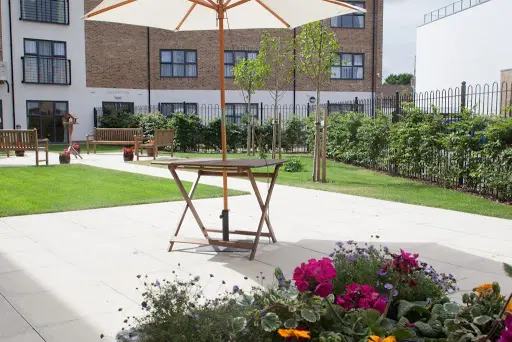
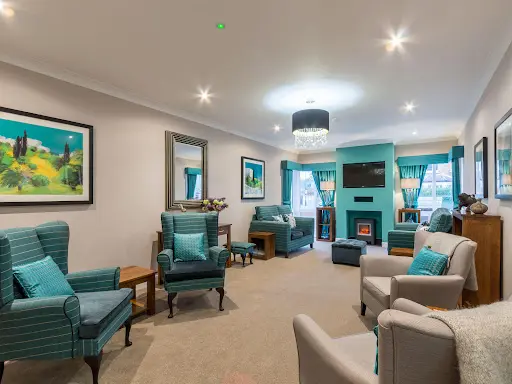
The home & environment
The home brings structure and joy through regular activities like baking sessions and craft projects. Families appreciate receiving photos of their relatives taking part, showing real engagement rather than passive entertainment.
“For families facing difficult decisions about care, visiting Eliza House could help you understand what feels right for your loved one.”
DCC does not edit or curate content in this tab. For independently curated information, see The Evidence and DCC Verdict.