Willow House
At a Glance
The information you need to decide whether this home warrants a closer look.
Residential homes
Staff warmth score
of reviewers answered yes
Good to know
- Registered beds18
- SpecialismsCaring for adults over 65 yrs, Dementia
- Last inspected2019-08-31
Save Willow House to your shortlist
Keep a running list, add visit notes, and compare homes side-by-side. Free account — it takes a minute.
STAGE 4 — RESEARCHING CARE HOMES
Visit homes. Compare them side by side. Choose with confidence.
Most of us will view care homes the way we view houses, impression, atmosphere, the feeling in the corridor. We go home, try to remember what we saw, and make a permanent decision from a blurred memory.

The DCC shortlist gives every home you visit a structured record: the same twelve questions, answered the same way, every time. When you’re ready to choose, pull any two homes side by side and compare them directly. Same criteria, same evidence, your notes and your scores.
The Evidence
What the review data, the inspection reports, and the dementia-care evidence base tell us about this home.
What families say
Families describe a genuine warmth that goes beyond professional care. Staff take time to learn what makes each resident tick — their quirks, their preferences, the little things that matter. There's even a house bunny who's become a beloved companion to many.
The eight family priority themes
- Staff warmth65
- Compassion & dignity65
- Cleanliness60
- Activities & engagement55
- Food quality55
- Healthcare60
- Management & leadership70
- Resident happiness60
What inspectors found
Inspected 2019-08-31
Is this home safe?
Is the care effective?
The home was rated Good for effectiveness at the July 2019 inspection, again having previously been rated Requires Improvement. The published report does not describe care plan content, GP access arrangements, dementia training programmes, medication management processes, or how the home meets nutritional needs. The Good rating indicates the inspector was satisfied with effectiveness overall.Is this home caring?
The home was rated Good for caring at the July 2019 inspection. The published report does not include inspector observations of staff interactions, resident accounts of how they are treated, or descriptions of how dignity and privacy are upheld in practice. No concerns about care or treatment were raised. The improvement from Requires Improvement indicates previous shortfalls were resolved.Is the home responsive?
The home was rated Good for responsiveness at the July 2019 inspection. The published report does not describe the activities programme, how the home tailors engagement to individuals, what arrangements exist for people who cannot join group activities, or how end-of-life care preferences are recorded and honoured. No concerns about responsiveness were flagged.Is the home well-led?
The home was rated Good for leadership at the July 2019 inspection. Mrs Teresa Morris is registered as both the manager and nominated individual, suggesting continuity and clear accountability at the top of the home. The improvement from Requires Improvement to Good across all domains indicates that leadership played a role in driving that change. The published report does not describe management visibility, staff culture, governance systems, or how the home handles complaints.
Source: CQC inspection report →
What the evidence base says
The home specialises in dementia care and supports adults over 65. Their approach focuses on preserving emotional wellbeing alongside meeting physical needs. Rather than following rigid routines, they tailor activities and care to work with each person's remaining abilities and interests. It's an approach that helps residents feel secure and valued, even as dementia progresses. All areas worth probing directly during a visit.
The DCC Verdict
Our editorial view, built from the three lenses: what families tell us, what inspectors record, and how the home sits against good dementia-care practice.
DCC Family Score
Willow House improved from Requires Improvement to Good across all five inspection domains, which is a meaningful positive step. However, the inspection report published in 2019 contains very little specific observational detail, so scores reflect confirmed ratings rather than rich evidence of what daily life actually looks like for your parent.
Homes in South East typically score 68–82.The three-lens summary
What families tell us
Families describe a genuine warmth that goes beyond professional care. Staff take time to learn what makes each resident tick — their quirks, their preferences, the little things that matter. There's even a house bunny who's become a beloved companion to many.
What inspectors have recorded
What strikes families most is how staff maintain residents' dignity through every stage of care. They're approachable and consistent, showing the kind of sustained emotional commitment that makes such a difference. The team helps families navigate the difficult transition too, ensuring relatives feel included and supported throughout.
How it sits against good practice
If you're wrestling with this decision, visiting Willow House might help you understand what respectful, personalised care really looks like.
Worth a visit
Willow House, on Reading Road in Farnborough, was rated Good across all five inspection domains at its last inspection in July 2019, having previously been rated Requires Improvement. That improvement across every domain is a genuinely positive sign, suggesting the home identified what was not working and made real changes. Mrs Teresa Morris is named as the registered manager and nominated individual, meaning there is a single, accountable leader in post. The home is registered to provide care for adults over 65, including people living with dementia, in an 18-bed residential setting. The honest limitation here is that the published report contains almost no specific observational detail: no quotes from residents or relatives, no descriptions of staff interactions, no commentary on food, activities, or the physical environment. A rating of Good tells you the inspector was satisfied; it does not tell you what daily life looks and feels like for your parent. The inspection also took place in 2019, which means the findings are now over five years old. Before making a decision, visit the home at a mealtime if possible, ask to see last week's actual staffing rota (not a template), ask what dementia-specific training staff have completed and when, and speak directly to the manager about how families are kept involved in care.
The three questions to ask when you visitSave this home. Compare it against your shortlist.
Let our analysis show you how Willow House measures up against the other homes you’re considering. Free account.
In Their Own Words
How Willow House describes itself — collected from its own website. DCC has not edited or independently verified the content in this tab.
Where dignity and kindness shape every single day
Residential home in Farnborough: True Peace of Mind
When dementia changes everything, finding the right care feels overwhelming. Willow House in Farnborough understands this deeply. They've created something special here — a place where respect for each person's individuality guides every interaction, every decision.
Who they care for
The home specialises in dementia care and supports adults over 65. Their approach focuses on preserving emotional wellbeing alongside meeting physical needs.
Rather than following rigid routines, they tailor activities and care to work with each person's remaining abilities and interests. It's an approach that helps residents feel secure and valued, even as dementia progresses.
“If you're wrestling with this decision, visiting Willow House might help you understand what respectful, personalised care really looks like.”
DCC does not edit or curate content in this tab. For independently curated information, see The Evidence and DCC Verdict.
The DCC Verdict
Our editorial view, built from the three lenses: what families tell us, what inspectors record, and how the home sits against good dementia-care practice.
DCC Family Score
Willow House improved from Requires Improvement to Good across all five inspection domains, which is a meaningful positive step. However, the inspection report published in 2019 contains very little specific observational detail, so scores reflect confirmed ratings rather than rich evidence of what daily life actually looks like for your parent.
Homes in South East typically score 68–82.The three-lens summary
What families tell us
Families describe a genuine warmth that goes beyond professional care. Staff take time to learn what makes each resident tick — their quirks, their preferences, the little things that matter. There's even a house bunny who's become a beloved companion to many.
What inspectors have recorded
What strikes families most is how staff maintain residents' dignity through every stage of care. They're approachable and consistent, showing the kind of sustained emotional commitment that makes such a difference. The team helps families navigate the difficult transition too, ensuring relatives feel included and supported throughout.
How it sits against good practice
If you're wrestling with this decision, visiting Willow House might help you understand what respectful, personalised care really looks like.
Worth a visit
Willow House, on Reading Road in Farnborough, was rated Good across all five inspection domains at its last inspection in July 2019, having previously been rated Requires Improvement. That improvement across every domain is a genuinely positive sign, suggesting the home identified what was not working and made real changes. Mrs Teresa Morris is named as the registered manager and nominated individual, meaning there is a single, accountable leader in post. The home is registered to provide care for adults over 65, including people living with dementia, in an 18-bed residential setting. The honest limitation here is that the published report contains almost no specific observational detail: no quotes from residents or relatives, no descriptions of staff interactions, no commentary on food, activities, or the physical environment. A rating of Good tells you the inspector was satisfied; it does not tell you what daily life looks and feels like for your parent. The inspection also took place in 2019, which means the findings are now over five years old. Before making a decision, visit the home at a mealtime if possible, ask to see last week's actual staffing rota (not a template), ask what dementia-specific training staff have completed and when, and speak directly to the manager about how families are kept involved in care.
The three questions to ask when you visitSave this home. Compare it against your shortlist.
Let our analysis show you how Willow House measures up against the other homes you’re considering. Free account.
In Their Own Words
How Willow House describes itself — collected from its own website. DCC has not edited or independently verified the content in this tab.
Where dignity and kindness shape every single day
Residential home in Farnborough: True Peace of Mind
When dementia changes everything, finding the right care feels overwhelming. Willow House in Farnborough understands this deeply. They've created something special here — a place where respect for each person's individuality guides every interaction, every decision.
Who they care for
The home specialises in dementia care and supports adults over 65. Their approach focuses on preserving emotional wellbeing alongside meeting physical needs.
Rather than following rigid routines, they tailor activities and care to work with each person's remaining abilities and interests. It's an approach that helps residents feel secure and valued, even as dementia progresses.
Management & ethos
What strikes families most is how staff maintain residents' dignity through every stage of care. They're approachable and consistent, showing the kind of sustained emotional commitment that makes such a difference. The team helps families navigate the difficult transition too, ensuring relatives feel included and supported throughout.
The home & environment
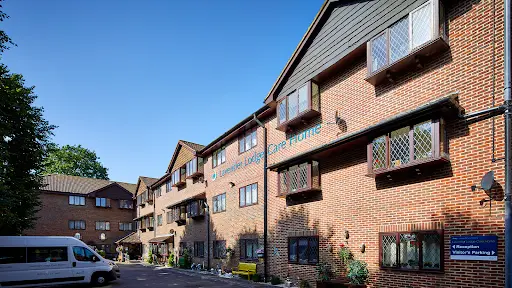
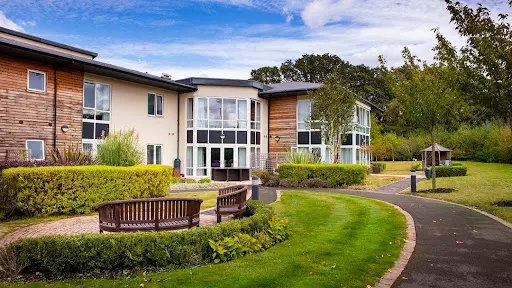
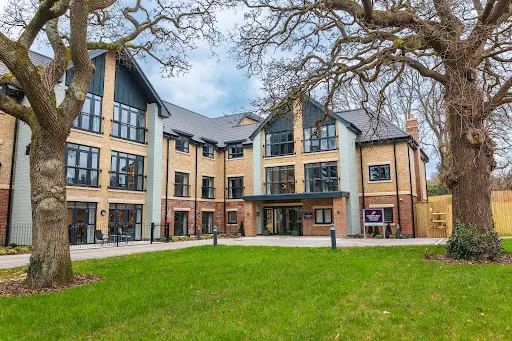
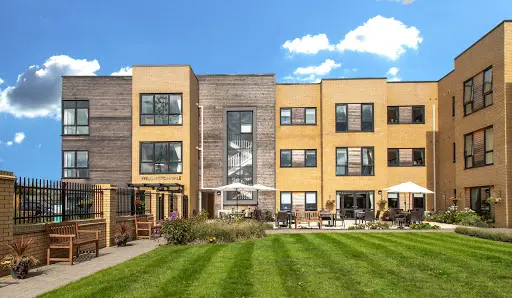
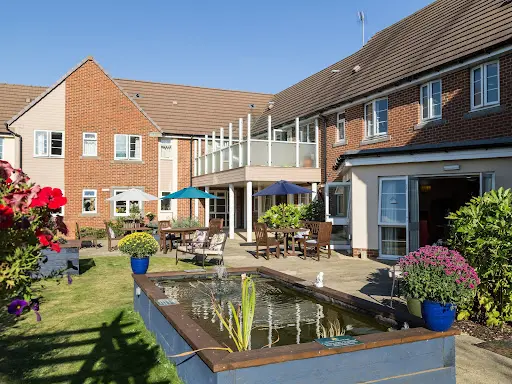
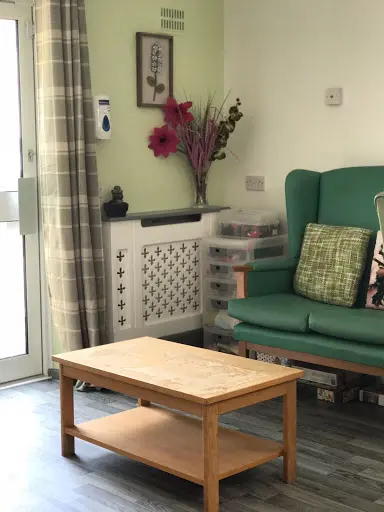
The physical spaces reflect thoughtful design for older residents. Bright, airy rooms and communal areas feel genuinely welcoming, while the garden provides peaceful outdoor moments. Everything's kept spotlessly clean without feeling clinical.
“If you're wrestling with this decision, visiting Willow House might help you understand what respectful, personalised care really looks like.”
DCC does not edit or curate content in this tab. For independently curated information, see The Evidence and DCC Verdict.