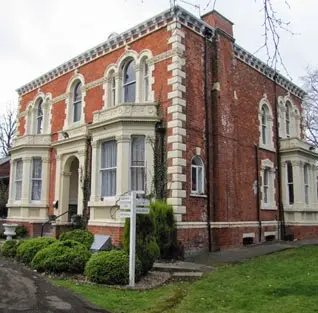
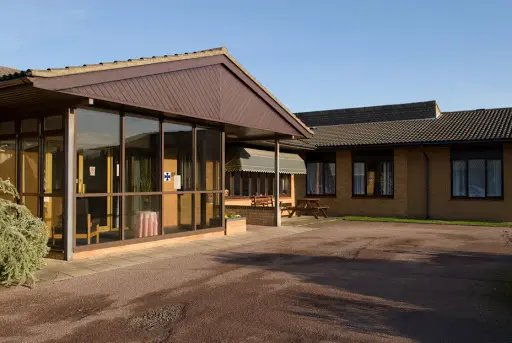
Temple Croft Care Home
At a Glance
The information you need to decide whether this home warrants a closer look.
Residential homes
Staff warmth score
of reviewers answered yes
Good to know
- Registered beds40
- SpecialismsCaring for adults over 65 yrs, Dementia
- Last inspected2022-03-03
Save Temple Croft Care Home to your shortlist
Keep a running list, add visit notes, and compare homes side-by-side. Free account — it takes a minute.
STAGE 4 — RESEARCHING CARE HOMES
Visit homes. Compare them side by side. Choose with confidence.
Most of us will view care homes the way we view houses, impression, atmosphere, the feeling in the corridor. We go home, try to remember what we saw, and make a permanent decision from a blurred memory.

The DCC shortlist gives every home you visit a structured record: the same twelve questions, answered the same way, every time. When you’re ready to choose, pull any two homes side by side and compare them directly. Same criteria, same evidence, your notes and your scores.
The Evidence
What the review data, the inspection reports, and the dementia-care evidence base tell us about this home.
What families say
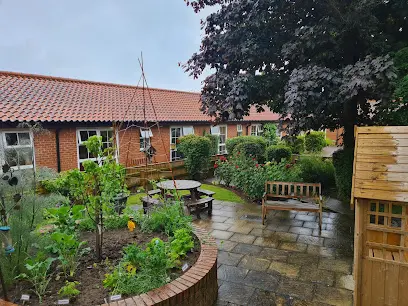
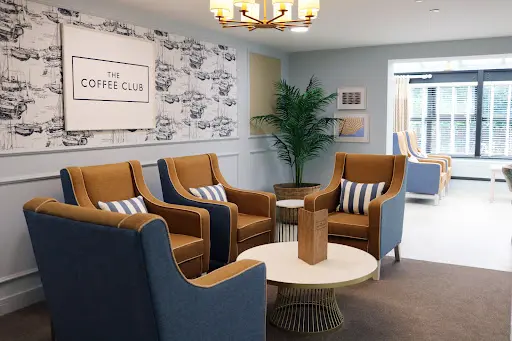
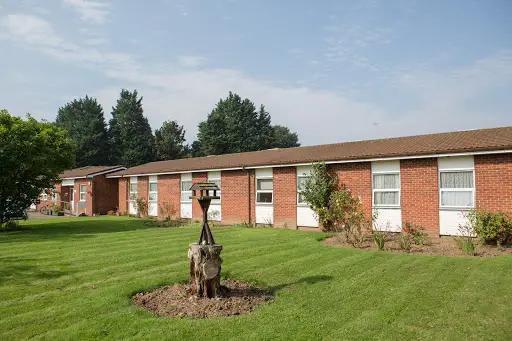
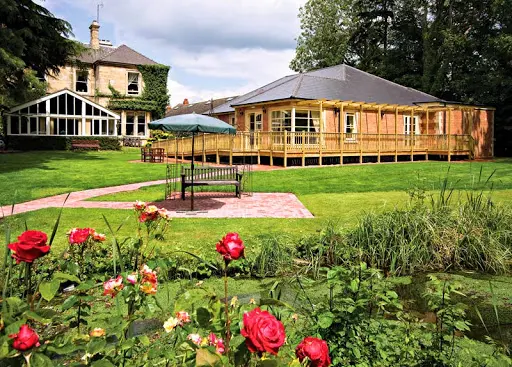
Visitors describe residents as noticeably calmer and more settled here. The team works to create an environment where people feel genuinely at ease, with activities and outings that keep everyone engaged. For those who prefer quieter days, there's a private garden that offers a peaceful retreat.
The eight family priority themes
- Staff warmth72
- Compassion & dignity72
- Cleanliness70
- Activities & engagement60
- Food quality60
- Healthcare68
- Management & leadership75
- Resident happiness70
What inspectors found
Inspected 2022-03-03
Is this home safe?
Is the care effective?
The inspection rated this domain Good. The published text does not include specific findings about care plan quality, GP access, dementia training content, or food provision. The home specialises in dementia care for adults over 65, which means effective practice should include dementia-specific training for all staff and regularly reviewed, person-centred care plans. No concerns were raised in this domain, and the improvement from a previous Requires Improvement rating suggests practice has developed, but the report does not describe how.Is this home caring?
The inspection awarded a Good rating for caring. No specific observations about staff warmth, dignity in personal care, use of preferred names, or response to distress are recorded in the published text. For a home specialising in dementia care, the caring domain is particularly important because people living with dementia may not be able to advocate for themselves. The rating implies inspectors were satisfied with what they saw, but the absence of detail means families cannot draw on specific evidence.Is the home responsive?
The inspection rated responsiveness as Good. The published report does not describe the activities programme, one-to-one engagement for people who cannot join group activities, how individual preferences are incorporated into daily life, or how end-of-life care is approached. For a 40-bed dementia-specialist home, a meaningful activities programme tailored to individual ability is a core quality marker. The absence of specific findings here is a significant gap in the available evidence.Is the home well-led?
The inspection rated leadership as Good, which is a notable improvement from a previous Requires Improvement rating. The nominated individual is named as Mrs Laxmi Avtar Kaur Khurana, and the home is run by Dryband One Limited. A July 2023 review of data and information found no evidence requiring reassessment of the rating. The published report does not describe the manager's visibility on the floor, staff culture, governance processes, or how the home responds to complaints and incidents.
Source: CQC inspection report →
What the evidence base says
Temple Croft specialises in dementia care and supports adults over 65. The home focuses on helping residents maintain their communication skills and stay connected with the world around them. Families particularly value how the dementia care here seems to help residents rediscover their ability to engage in conversations. The team's dementia-specific training appears to translate into practical support that makes a real difference in residents' daily lives. All areas worth probing directly during a visit.
The DCC Verdict
Our editorial view, built from the three lenses: what families tell us, what inspectors record, and how the home sits against good dementia-care practice.
DCC Family Score
Temple Croft Care Home scores 72 out of 100, reflecting a genuinely positive improvement from a previous Requires Improvement rating to Good across all five domains. However, the published inspection report contains very limited specific detail, so many individual scores are based on domain-level ratings rather than direct observations, quotes, or record reviews.
Homes in Yorkshire & Humberside typically score 68–82.The three-lens summary
What families tell us
Visitors describe residents as noticeably calmer and more settled here. The team works to create an environment where people feel genuinely at ease, with activities and outings that keep everyone engaged. For those who prefer quieter days, there's a private garden that offers a peaceful retreat.
What inspectors have recorded
The staff come across as genuinely invested in their work, with families mentioning how approachable and responsive they are during visits. The home has recently introduced virtual training programmes for the team, focusing on dementia care and safeguarding. Though one concerning incident involving inadequate supervision was reported, the overall picture suggests a team that families find helpful and thoughtful in their daily interactions.
How it sits against good practice
If you're looking for dementia care in Grimsby, Temple Croft offers a setting where residents often seem to flourish in unexpected ways.
Worth a visit
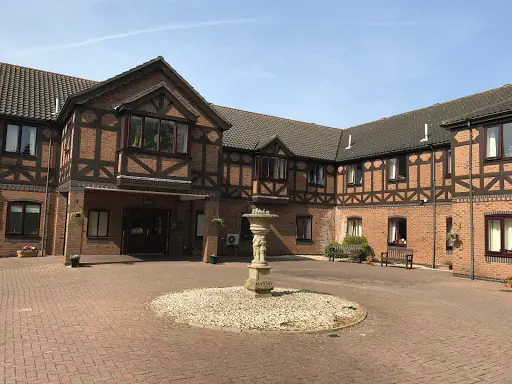
Temple Croft Care Home, at 42 Scartho Road, Grimsby, was rated Good at its inspection in January 2022, with the report published in March 2022. Inspectors awarded Good in every domain: safety, effectiveness, caring, responsiveness, and leadership. This is a meaningful improvement from a previous Requires Improvement rating, which suggests the home has made real changes under its current management. The home cares for up to 40 adults over 65, including people living with dementia. The main limitation of this report is that the published text is exceptionally brief and contains almost no specific observations, quotes from residents or relatives, or detail about day-to-day life in the home. That means families are largely relying on the domain ratings alone rather than the kind of granular evidence that builds genuine confidence. The inspection findings were also reviewed in July 2023 and no reassessment was triggered, which is a positive signal, but it does not add new detail. When you visit, focus on what you can see and hear for yourself: how staff speak to your parent, whether the environment feels calm and clean, and whether the manager can explain clearly what changed since the previous Requires Improvement rating.
The three questions to ask when you visitSave this home. Compare it against your shortlist.
Let our analysis show you how Temple Croft Care Home measures up against the other homes you’re considering. Free account.
In Their Own Words
How Temple Croft Care Home describes itself — collected from its own website. DCC has not edited or independently verified the content in this tab.
Where thoughtful dementia care helps residents find their voice again
Dedicated residential home Support in Grimsby
Families visiting Temple Croft Care Home in Grimsby often notice something special — their loved ones seem more engaged, more present than they have in months. This Yorkshire care home specialises in supporting people over 65, particularly those living with dementia, and relatives describe real improvements in how residents communicate and express themselves.
Who they care for
Temple Croft specialises in dementia care and supports adults over 65. The home focuses on helping residents maintain their communication skills and stay connected with the world around them.
Families particularly value how the dementia care here seems to help residents rediscover their ability to engage in conversations. The team's dementia-specific training appears to translate into practical support that makes a real difference in residents' daily lives.
“If you're looking for dementia care in Grimsby, Temple Croft offers a setting where residents often seem to flourish in unexpected ways.”
DCC does not edit or curate content in this tab. For independently curated information, see The Evidence and DCC Verdict.
The DCC Verdict
Our editorial view, built from the three lenses: what families tell us, what inspectors record, and how the home sits against good dementia-care practice.
DCC Family Score
Temple Croft Care Home scores 72 out of 100, reflecting a genuinely positive improvement from a previous Requires Improvement rating to Good across all five domains. However, the published inspection report contains very limited specific detail, so many individual scores are based on domain-level ratings rather than direct observations, quotes, or record reviews.
Homes in Yorkshire & Humberside typically score 68–82.The three-lens summary
What families tell us
Visitors describe residents as noticeably calmer and more settled here. The team works to create an environment where people feel genuinely at ease, with activities and outings that keep everyone engaged. For those who prefer quieter days, there's a private garden that offers a peaceful retreat.
What inspectors have recorded
The staff come across as genuinely invested in their work, with families mentioning how approachable and responsive they are during visits. The home has recently introduced virtual training programmes for the team, focusing on dementia care and safeguarding. Though one concerning incident involving inadequate supervision was reported, the overall picture suggests a team that families find helpful and thoughtful in their daily interactions.
How it sits against good practice
If you're looking for dementia care in Grimsby, Temple Croft offers a setting where residents often seem to flourish in unexpected ways.
Worth a visit
Temple Croft Care Home, at 42 Scartho Road, Grimsby, was rated Good at its inspection in January 2022, with the report published in March 2022. Inspectors awarded Good in every domain: safety, effectiveness, caring, responsiveness, and leadership. This is a meaningful improvement from a previous Requires Improvement rating, which suggests the home has made real changes under its current management. The home cares for up to 40 adults over 65, including people living with dementia. The main limitation of this report is that the published text is exceptionally brief and contains almost no specific observations, quotes from residents or relatives, or detail about day-to-day life in the home. That means families are largely relying on the domain ratings alone rather than the kind of granular evidence that builds genuine confidence. The inspection findings were also reviewed in July 2023 and no reassessment was triggered, which is a positive signal, but it does not add new detail. When you visit, focus on what you can see and hear for yourself: how staff speak to your parent, whether the environment feels calm and clean, and whether the manager can explain clearly what changed since the previous Requires Improvement rating.
The three questions to ask when you visitSave this home. Compare it against your shortlist.
Let our analysis show you how Temple Croft Care Home measures up against the other homes you’re considering. Free account.
In Their Own Words
How Temple Croft Care Home describes itself — collected from its own website. DCC has not edited or independently verified the content in this tab.
Where thoughtful dementia care helps residents find their voice again
Dedicated residential home Support in Grimsby
Families visiting Temple Croft Care Home in Grimsby often notice something special — their loved ones seem more engaged, more present than they have in months. This Yorkshire care home specialises in supporting people over 65, particularly those living with dementia, and relatives describe real improvements in how residents communicate and express themselves.
Who they care for
Temple Croft specialises in dementia care and supports adults over 65. The home focuses on helping residents maintain their communication skills and stay connected with the world around them.
Families particularly value how the dementia care here seems to help residents rediscover their ability to engage in conversations. The team's dementia-specific training appears to translate into practical support that makes a real difference in residents' daily lives.
Management & ethos
The staff come across as genuinely invested in their work, with families mentioning how approachable and responsive they are during visits. The home has recently introduced virtual training programmes for the team, focusing on dementia care and safeguarding. Though one concerning incident involving inadequate supervision was reported, the overall picture suggests a team that families find helpful and thoughtful in their daily interactions.
“If you're looking for dementia care in Grimsby, Temple Croft offers a setting where residents often seem to flourish in unexpected ways.”
DCC does not edit or curate content in this tab. For independently curated information, see The Evidence and DCC Verdict.