OSJCT Skirbeck Court

At a Glance
The information you need to decide whether this home warrants a closer look.
Residential homes
Staff warmth score
of reviewers answered yes
Good to know
- Registered beds38
- SpecialismsCaring for adults over 65 yrs, Caring for adults under 65 yrs, Dementia, Sensory impairment
- Last inspected2019-12-31
Save OSJCT Skirbeck Court to your shortlist
Keep a running list, add visit notes, and compare homes side-by-side. Free account — it takes a minute.
STAGE 4 — RESEARCHING CARE HOMES
Visit homes. Compare them side by side. Choose with confidence.
Most of us will view care homes the way we view houses, impression, atmosphere, the feeling in the corridor. We go home, try to remember what we saw, and make a permanent decision from a blurred memory.

The DCC shortlist gives every home you visit a structured record: the same twelve questions, answered the same way, every time. When you’re ready to choose, pull any two homes side by side and compare them directly. Same criteria, same evidence, your notes and your scores.
The Evidence
What the review data, the inspection reports, and the dementia-care evidence base tell us about this home.
What families say
Visitors regularly comment on the calm, settled atmosphere throughout the home. Residents take part in organised activities and events, with staff encouraging everyone to join in at their own pace. The general feeling is one of contentment — residents seem comfortable and well-supported in their daily routines.
The eight family priority themes
- Staff warmth72
- Compassion & dignity72
- Cleanliness70
- Activities & engagement65
- Food quality65
- Healthcare68
- Management & leadership70
- Resident happiness68
What inspectors found
Inspected 2019-12-31
Is this home safe?
Is the care effective?
The inspection rated this domain Good. The published text does not include specific findings about care plan quality, GP access, dementia training content, food provision, or how the home supports people with sensory impairments. The home is registered to provide personal care to people with dementia, which requires staff trained to interpret non-verbal communication and support behaviour that may reflect unmet need. No specific training records, care plan examples, or dietary observations are described in the available report.Is this home caring?
The inspection rated this domain Good. The published report does not include direct observations of staff interactions, quotes from residents or relatives about how they are treated, or specific examples of dignity being maintained. Staff warmth and compassion are the two highest-weighted themes in family satisfaction data, at 57.3% and 55.2% respectively, which makes the absence of specific inspection detail here the most significant gap in what is publicly available about this home.Is the home responsive?
The inspection rated this domain Good. The published report does not describe the activities programme, one-to-one engagement for people who cannot join group activities, or how the home supports people with dementia to maintain their sense of identity and routine. The home is registered for both dementia and sensory impairment, both of which require adapted approaches to engagement that go beyond standard group activities. No detail about end-of-life planning or complaint handling is included in the available text.Is the home well-led?
The inspection rated this domain Good. The home is run by The Orders of St. John Care Trust, a charitable provider with a substantial portfolio of care homes. A named registered manager, Mrs Naomi Dawn Bender, is recorded, with Mr James Norman Robson listed as nominated individual. The published report does not include observations about management visibility, staff culture, how the home responds to complaints, or whether staff feel empowered to raise concerns. The monitoring review in July 2023 found no evidence to warrant reassessment.
Source: CQC inspection report →
What the evidence base says
The home provides specialist support for dementia and sensory impairments, caring for adults both under and over 65. Staff here understand the particular challenges of dementia, adapting their approach to each resident's needs. The structured daily activities and familiar routines help provide the stability that's so important for people living with memory loss. All areas worth probing directly during a visit.
The DCC Verdict
Our editorial view, built from the three lenses: what families tell us, what inspectors record, and how the home sits against good dementia-care practice.
DCC Family Score
OSJCT Skirbeck Court was rated Good across all five inspection domains in September 2019, which is a positive baseline. However, because the inspection report published here contains very little specific detail, the scores reflect that Good rating rather than strong direct evidence, and families should ask targeted questions on a visit to fill the gaps.
Homes in East Midlands typically score 68–82.The three-lens summary
What families tell us
Visitors regularly comment on the calm, settled atmosphere throughout the home. Residents take part in organised activities and events, with staff encouraging everyone to join in at their own pace. The general feeling is one of contentment — residents seem comfortable and well-supported in their daily routines.
What inspectors have recorded
The home manager is often described as approachable and knowledgeable, taking time to explain care approaches to families. Most people find the management team responsive and caring. One family did report difficulties with management communication over an extended period, though this appears to be an isolated experience among otherwise positive feedback.
How it sits against good practice
For many families, finding the right care home comes down to trusting the people who'll be there every day — and that's where Skirbeck Court seems to shine.
Worth a visit
OSJCT Skirbeck Court, a 38-bed residential care home on Spilsby Road in Boston, was rated Good across all five inspection domains following an inspection in September 2019. The home is run by The Orders of St. John Care Trust, a well-established charitable provider, and has a named registered manager. A monitoring review carried out in July 2023 found no evidence to trigger a reassessment of that rating, which means the Good rating remains current. The main uncertainty here is that the published inspection report contains very little specific detail: no direct observations, no resident or family quotes, and no granular findings on staffing, activities, food, or dementia care. A Good rating is genuinely reassuring, but it tells you the direction of travel rather than the texture of daily life. When you visit, focus your questions on what has changed since 2019, how the home has been staffed since then, and what a typical day looks like for someone with dementia.
The three questions to ask when you visitSave this home. Compare it against your shortlist.
Let our analysis show you how OSJCT Skirbeck Court measures up against the other homes you’re considering. Free account.
In Their Own Words
How OSJCT Skirbeck Court describes itself — collected from its own website. DCC has not edited or independently verified the content in this tab.
Where friendly staff make all the difference to daily life
Residential home in Boston: True Peace of Mind
There's something reassuring about watching residents gather for activities or simply enjoy the garden at OSJCT Skirbeck Court in Boston. This care home has built its reputation on staff who genuinely seem to enjoy what they do — and that warmth shows in the way residents spend their days. People visiting here often mention how welcoming everyone is, from the manager who takes time to chat through concerns to the care teams who know each resident well.
Who they care for
The home provides specialist support for dementia and sensory impairments, caring for adults both under and over 65.
Staff here understand the particular challenges of dementia, adapting their approach to each resident's needs. The structured daily activities and familiar routines help provide the stability that's so important for people living with memory loss.
“For many families, finding the right care home comes down to trusting the people who'll be there every day — and that's where Skirbeck Court seems to shine.”
DCC does not edit or curate content in this tab. For independently curated information, see The Evidence and DCC Verdict.
The DCC Verdict
Our editorial view, built from the three lenses: what families tell us, what inspectors record, and how the home sits against good dementia-care practice.
DCC Family Score
OSJCT Skirbeck Court was rated Good across all five inspection domains in September 2019, which is a positive baseline. However, because the inspection report published here contains very little specific detail, the scores reflect that Good rating rather than strong direct evidence, and families should ask targeted questions on a visit to fill the gaps.
Homes in East Midlands typically score 68–82.The three-lens summary
What families tell us
Visitors regularly comment on the calm, settled atmosphere throughout the home. Residents take part in organised activities and events, with staff encouraging everyone to join in at their own pace. The general feeling is one of contentment — residents seem comfortable and well-supported in their daily routines.
What inspectors have recorded
The home manager is often described as approachable and knowledgeable, taking time to explain care approaches to families. Most people find the management team responsive and caring. One family did report difficulties with management communication over an extended period, though this appears to be an isolated experience among otherwise positive feedback.
How it sits against good practice
For many families, finding the right care home comes down to trusting the people who'll be there every day — and that's where Skirbeck Court seems to shine.
Worth a visit
OSJCT Skirbeck Court, a 38-bed residential care home on Spilsby Road in Boston, was rated Good across all five inspection domains following an inspection in September 2019. The home is run by The Orders of St. John Care Trust, a well-established charitable provider, and has a named registered manager. A monitoring review carried out in July 2023 found no evidence to trigger a reassessment of that rating, which means the Good rating remains current. The main uncertainty here is that the published inspection report contains very little specific detail: no direct observations, no resident or family quotes, and no granular findings on staffing, activities, food, or dementia care. A Good rating is genuinely reassuring, but it tells you the direction of travel rather than the texture of daily life. When you visit, focus your questions on what has changed since 2019, how the home has been staffed since then, and what a typical day looks like for someone with dementia.
The three questions to ask when you visitSave this home. Compare it against your shortlist.
Let our analysis show you how OSJCT Skirbeck Court measures up against the other homes you’re considering. Free account.
In Their Own Words
How OSJCT Skirbeck Court describes itself — collected from its own website. DCC has not edited or independently verified the content in this tab.
Where friendly staff make all the difference to daily life
Residential home in Boston: True Peace of Mind
There's something reassuring about watching residents gather for activities or simply enjoy the garden at OSJCT Skirbeck Court in Boston. This care home has built its reputation on staff who genuinely seem to enjoy what they do — and that warmth shows in the way residents spend their days. People visiting here often mention how welcoming everyone is, from the manager who takes time to chat through concerns to the care teams who know each resident well.
Who they care for
The home provides specialist support for dementia and sensory impairments, caring for adults both under and over 65.
Staff here understand the particular challenges of dementia, adapting their approach to each resident's needs. The structured daily activities and familiar routines help provide the stability that's so important for people living with memory loss.
Management & ethos
The home manager is often described as approachable and knowledgeable, taking time to explain care approaches to families. Most people find the management team responsive and caring. One family did report difficulties with management communication over an extended period, though this appears to be an isolated experience among otherwise positive feedback.
The home & environment
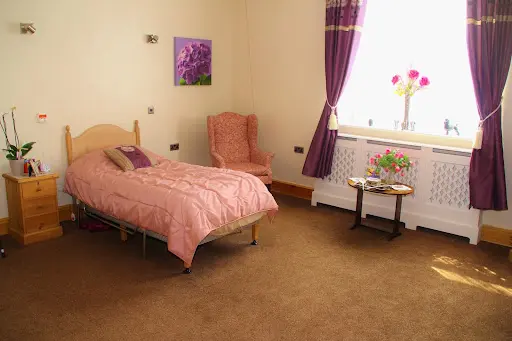
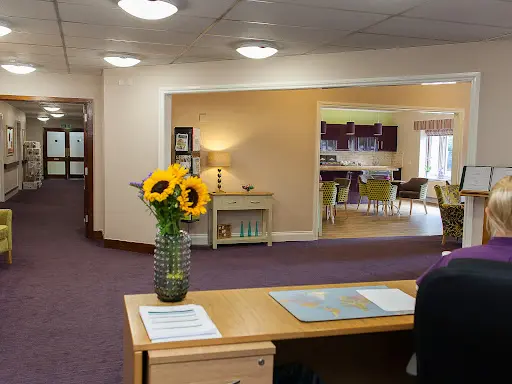
The home is kept spotlessly clean and well-maintained, something families particularly appreciate. There's a lovely accessible garden where residents can spend time outdoors when the weather's nice. The dining room brings everyone together for home-cooked meals, creating a sociable heart to the day.
“For many families, finding the right care home comes down to trusting the people who'll be there every day — and that's where Skirbeck Court seems to shine.”
DCC does not edit or curate content in this tab. For independently curated information, see The Evidence and DCC Verdict.