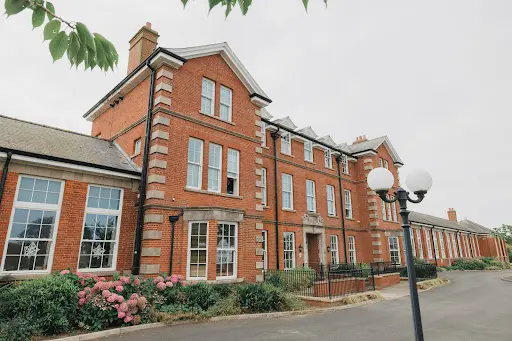
Homefield House
At a Glance
The information you need to decide whether this home warrants a closer look.
Residential homes
Staff warmth score
of reviewers answered yes
Good to know
- Registered beds24
- SpecialismsCaring for adults over 65 yrs, Dementia
- Last inspected2022-12-15
Save Homefield House to your shortlist
Keep a running list, add visit notes, and compare homes side-by-side. Free account — it takes a minute.
STAGE 4 — RESEARCHING CARE HOMES
Visit homes. Compare them side by side. Choose with confidence.
Most of us will view care homes the way we view houses, impression, atmosphere, the feeling in the corridor. We go home, try to remember what we saw, and make a permanent decision from a blurred memory.

The DCC shortlist gives every home you visit a structured record: the same twelve questions, answered the same way, every time. When you’re ready to choose, pull any two homes side by side and compare them directly. Same criteria, same evidence, your notes and your scores.
The Evidence
What the review data, the inspection reports, and the dementia-care evidence base tell us about this home.
What families say
Families talk about the compassionate approach they witness here. Staff take time to connect with each resident, understanding how to reach those living with advanced dementia. The warmth and empathy families observe helps them feel confident their loved one is genuinely cared for.
The eight family priority themes
- Staff warmth55
- Compassion & dignity55
- Cleanliness60
- Activities & engagement50
- Food quality50
- Healthcare55
- Management & leadership45
- Resident happiness55
What inspectors found
Inspected 2022-12-15
Is this home safe?
Is the care effective?
Homefield House was rated Good for Effectiveness at the November 2022 inspection. The published text does not include specific detail on care plan quality, GP access, medicines administration, dementia training, or nutritional assessment. The home holds a dementia specialism and provides personal care for adults over 65. No concerns were recorded under this domain in the published findings. The evidence for what Good looks like in practice at this home is not available from the published report alone.Is this home caring?
Homefield House was rated Good for Caring at the November 2022 inspection. The published text does not include specific inspector observations of staff interactions, quotes from residents or relatives, or descriptions of how dignity and privacy are maintained in practice. No concerns were raised under this domain. The Good rating suggests inspectors were satisfied with the caring culture during the inspection visit, but the available published evidence does not allow further verification.Is the home responsive?
Homefield House was rated Good for Responsiveness at the November 2022 inspection. The published text does not describe specific activities, engagement programmes, or examples of personalised care in response to individual needs. The home's dementia specialism suggests an intention to meet the specific needs of people living with dementia, but no published detail is available on how this is delivered. No concerns were recorded under this domain.Is the home well-led?
Homefield House was rated Requires Improvement for Well-led at the November 2022 inspection, despite being rated Good in all other domains. A registered manager, Ms Kelly Ann Butler, is recorded as in post. Mr Rabindranath Selliah is named as the nominated individual. The published text does not describe the specific reasons for the Requires Improvement rating, what the inspectors found lacking in governance or leadership, or what actions the home was required to take. This gap in available detail is a significant limitation for families considering this home.
Source: CQC inspection report →
What the evidence base says
The home specialises in caring for adults over 65, with particular expertise in dementia care. Staff here show real skill in reaching residents with advanced dementia. Families have seen loved ones who'd become withdrawn start to engage and interact again under the team's patient, understanding approach. All areas worth probing directly during a visit.
The DCC Verdict
Our editorial view, built from the three lenses: what families tell us, what inspectors record, and how the home sits against good dementia-care practice.
DCC Family Score
Homefield House scores 71 out of 100, reflecting a genuine and significant improvement from a previous Inadequate rating to Good across four of five domains. However, the Requires Improvement in Well-led introduces real uncertainty, and the inspection report provides limited specific detail across most themes, which keeps several scores in the middle range.
Homes in Yorkshire & Humberside typically score 68–82.The three-lens summary
What families tell us
Families talk about the compassionate approach they witness here. Staff take time to connect with each resident, understanding how to reach those living with advanced dementia. The warmth and empathy families observe helps them feel confident their loved one is genuinely cared for.
What inspectors have recorded
What strikes families is how staff support them through difficult transitions. The team understands that moving a loved one into care is emotionally challenging, and they help families navigate this journey with sensitivity and understanding.
How it sits against good practice
For many families, finding the right dementia care means everything — seeing their loved one respond and reconnect brings such relief.
Worth a visit
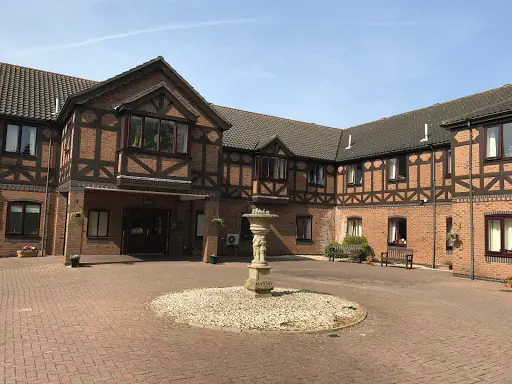
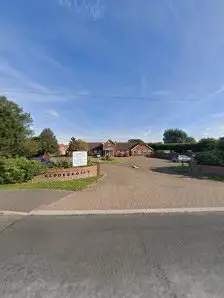
Homefield House on Welholme Road in Grimsby was rated Good overall at its inspection in November 2022, published in December 2022. This matters because the home's previous rating was Inadequate, making this a significant step forward. Four of the five inspection domains, Safe, Effective, Caring, and Responsive, were all rated Good, which suggests the improvement is broad rather than limited to one area. The one area that did not reach Good is Well-led, which was rated Requires Improvement. Leadership quality is one of the strongest predictors of whether a home sustains its improvements or slips back, so this is the most important thing to probe on a visit. The published inspection text is also very limited in specific detail across all domains, meaning it is difficult to verify exactly what Good looks like day to day at this home. Before making a decision, ask the manager directly about staffing numbers on each shift, how care plans are kept up to date, and what has changed in leadership and governance since the inspection.
The three questions to ask when you visitSave this home. Compare it against your shortlist.
Let our analysis show you how Homefield House measures up against the other homes you’re considering. Free account.
In Their Own Words
How Homefield House describes itself — collected from its own website. DCC has not edited or independently verified the content in this tab.
Where skilled dementia care helps residents reconnect and engage
Compassionate Care in Grimsby at Homefield House
When families see their loved one with dementia start to interact and engage again, it transforms everything. That's what visitors to Homefield House in Grimsby often experience — watching relatives who'd withdrawn into themselves begin to respond to the skilled, patient care here. The difference can be remarkable.
Who they care for
The home specialises in caring for adults over 65, with particular expertise in dementia care.
Staff here show real skill in reaching residents with advanced dementia. Families have seen loved ones who'd become withdrawn start to engage and interact again under the team's patient, understanding approach.
“For many families, finding the right dementia care means everything — seeing their loved one respond and reconnect brings such relief.”
DCC does not edit or curate content in this tab. For independently curated information, see The Evidence and DCC Verdict.
The DCC Verdict
Our editorial view, built from the three lenses: what families tell us, what inspectors record, and how the home sits against good dementia-care practice.
DCC Family Score
Homefield House scores 71 out of 100, reflecting a genuine and significant improvement from a previous Inadequate rating to Good across four of five domains. However, the Requires Improvement in Well-led introduces real uncertainty, and the inspection report provides limited specific detail across most themes, which keeps several scores in the middle range.
Homes in Yorkshire & Humberside typically score 68–82.The three-lens summary
What families tell us
Families talk about the compassionate approach they witness here. Staff take time to connect with each resident, understanding how to reach those living with advanced dementia. The warmth and empathy families observe helps them feel confident their loved one is genuinely cared for.
What inspectors have recorded
What strikes families is how staff support them through difficult transitions. The team understands that moving a loved one into care is emotionally challenging, and they help families navigate this journey with sensitivity and understanding.
How it sits against good practice
For many families, finding the right dementia care means everything — seeing their loved one respond and reconnect brings such relief.
Worth a visit
Homefield House on Welholme Road in Grimsby was rated Good overall at its inspection in November 2022, published in December 2022. This matters because the home's previous rating was Inadequate, making this a significant step forward. Four of the five inspection domains, Safe, Effective, Caring, and Responsive, were all rated Good, which suggests the improvement is broad rather than limited to one area. The one area that did not reach Good is Well-led, which was rated Requires Improvement. Leadership quality is one of the strongest predictors of whether a home sustains its improvements or slips back, so this is the most important thing to probe on a visit. The published inspection text is also very limited in specific detail across all domains, meaning it is difficult to verify exactly what Good looks like day to day at this home. Before making a decision, ask the manager directly about staffing numbers on each shift, how care plans are kept up to date, and what has changed in leadership and governance since the inspection.
The three questions to ask when you visitSave this home. Compare it against your shortlist.
Let our analysis show you how Homefield House measures up against the other homes you’re considering. Free account.
In Their Own Words
How Homefield House describes itself — collected from its own website. DCC has not edited or independently verified the content in this tab.
Where skilled dementia care helps residents reconnect and engage
Compassionate Care in Grimsby at Homefield House
When families see their loved one with dementia start to interact and engage again, it transforms everything. That's what visitors to Homefield House in Grimsby often experience — watching relatives who'd withdrawn into themselves begin to respond to the skilled, patient care here. The difference can be remarkable.
Who they care for
The home specialises in caring for adults over 65, with particular expertise in dementia care.
Staff here show real skill in reaching residents with advanced dementia. Families have seen loved ones who'd become withdrawn start to engage and interact again under the team's patient, understanding approach.
Management & ethos
What strikes families is how staff support them through difficult transitions. The team understands that moving a loved one into care is emotionally challenging, and they help families navigate this journey with sensitivity and understanding.
The home & environment
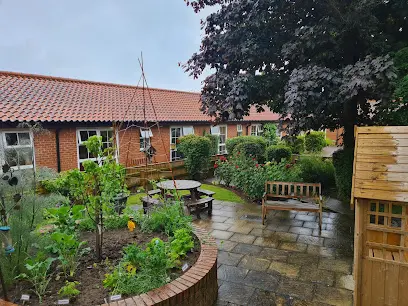
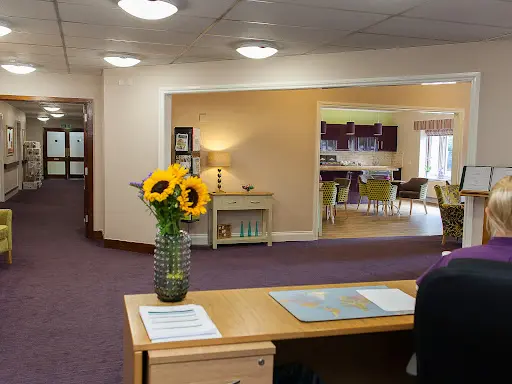
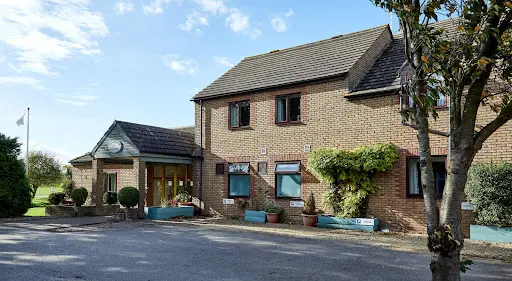
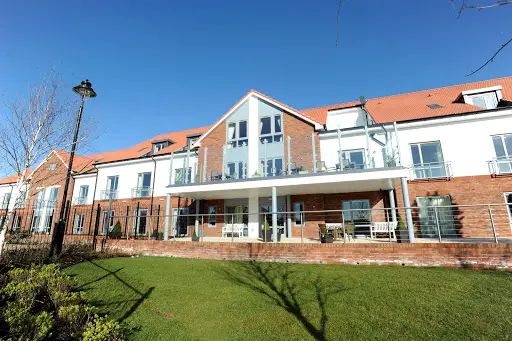
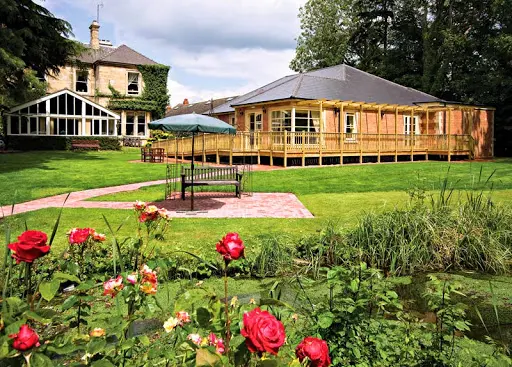
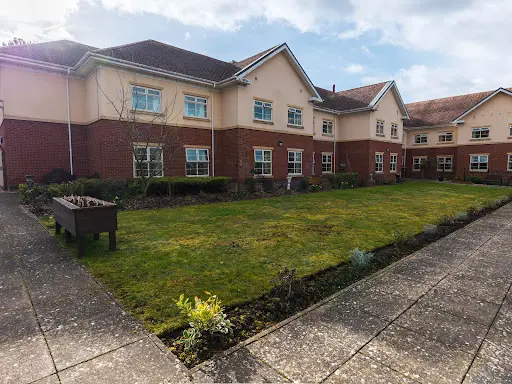
The home maintains high standards of cleanliness throughout — visitors consistently mention how fresh and well-kept everything feels, without that institutional smell that can make care homes feel clinical. It's these details that help create a more comfortable environment.
“For many families, finding the right dementia care means everything — seeing their loved one respond and reconnect brings such relief.”
DCC does not edit or curate content in this tab. For independently curated information, see The Evidence and DCC Verdict.