Barchester – Maple Leaf Lodge Care Home
At a Glance
The information you need to decide whether this home warrants a closer look.
Residential homes
Staff warmth score
of reviewers answered yes
Good to know
- Registered beds67
- SpecialismsCaring for adults over 65 yrs, Dementia, Physical disabilities
- Last inspected2022-02-16
Save Barchester – Maple Leaf Lodge Care Home to your shortlist
Keep a running list, add visit notes, and compare homes side-by-side. Free account — it takes a minute.
STAGE 4 — RESEARCHING CARE HOMES
Visit homes. Compare them side by side. Choose with confidence.
Most of us will view care homes the way we view houses, impression, atmosphere, the feeling in the corridor. We go home, try to remember what we saw, and make a permanent decision from a blurred memory.

The DCC shortlist gives every home you visit a structured record: the same twelve questions, answered the same way, every time. When you’re ready to choose, pull any two homes side by side and compare them directly. Same criteria, same evidence, your notes and your scores.
The Evidence
What the review data, the inspection reports, and the dementia-care evidence base tell us about this home.
What families say
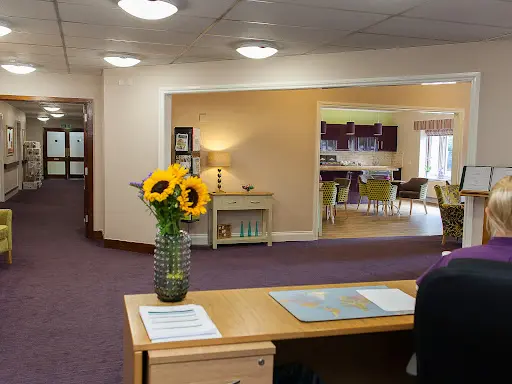
The reception staff get particular praise for their warmth during those nerve-wracking first visits. Families describe a bright, well-kept interior that feels comfortable rather than clinical. There's regular entertainment and activities too, with summer fetes and structured recreation keeping days varied and social.
The eight family priority themes
- Staff warmth72
- Compassion & dignity72
- Cleanliness72
- Activities & engagement65
- Food quality65
- Healthcare70
- Management & leadership75
- Resident happiness70
What inspectors found
Inspected 2022-02-16
Is this home safe?
Is the care effective?
The Effective domain was rated Good at the January 2022 inspection. This covers training, care planning, healthcare access, and nutrition. The published report does not include specific observations about dementia training content, GP access frequency, care plan review schedules, or food quality. The improvement from Inadequate suggests that care planning and training were areas that required and received significant attention. No concerns about medicines or health monitoring are recorded in the available text.Is this home caring?
The Caring domain was rated Good at the January 2022 inspection. This domain covers staff warmth, dignity, respect, and how staff respond to distress. The published report does not include direct observations of staff interactions, use of preferred names, or resident and relative testimony about how care feels day to day. The overall Good rating in this domain suggests inspectors were satisfied with what they saw, but the absence of specific examples means the rating cannot be corroborated with observable detail from the report alone.Is the home responsive?
The Responsive domain was rated Good at the January 2022 inspection. This domain covers activities, individual engagement, and end-of-life care. The published report does not include specific information about the activity programme, whether one-to-one engagement is offered for residents who cannot participate in group activities, or how individual preferences are recorded and acted upon. No information is available about outdoor space or end-of-life planning processes from the published text.Is the home well-led?
The Well-led domain was rated Good at the January 2022 inspection, and this is particularly significant given the home's previous Inadequate overall rating. Leadership quality is the domain most directly linked to whether improvements are sustained or reversed. The registered manager is named as Kerry Louise Angeloni, and the nominated individual is Dominic Jude Kay. The published report does not include specific information about manager visibility, staff culture, governance processes, or how the home learns from incidents and complaints.
Source: CQC inspection report →
What the evidence base says
The home cares for adults over 65, including those living with dementia and physical disabilities. For residents with dementia, the structured activities and regular entertainment help provide routine and stimulation. The team's flexibility with admissions can be particularly valuable when dementia care needs arise suddenly. All areas worth probing directly during a visit.
The DCC Verdict
Our editorial view, built from the three lenses: what families tell us, what inspectors record, and how the home sits against good dementia-care practice.
DCC Family Score
Maple Leaf Lodge Care Home scores 74 out of 100, reflecting a genuine and meaningful improvement from a previous Inadequate rating to Good across all five inspection domains. The score sits in the positive-but-cautious range because the published report provides limited specific detail, observations, and direct testimony to push individual themes higher.
Homes in East Midlands typically score 68–82.The three-lens summary
What families tell us
The reception staff get particular praise for their warmth during those nerve-wracking first visits. Families describe a bright, well-kept interior that feels comfortable rather than clinical. There's regular entertainment and activities too, with summer fetes and structured recreation keeping days varied and social.
What inspectors have recorded
Most families find the staff approachable and attentive to requests, with administrative teams particularly noted for their courtesy. While there have been some concerns raised about staffing levels affecting consistency, the majority of visitors report warm, responsive care from a team who seem to genuinely engage with residents.
How it sits against good practice
Sometimes the smallest details — a homemade snack, a friendly greeting — make the biggest difference.
Worth a visit
Maple Leaf Lodge Care Home, at 37 Beacon Lane, Grantham, was rated Good across all five inspection domains at its most recent inspection in January 2022. Crucially, this represents a significant turnaround from a previous rating of Inadequate, which means inspectors found the home had made real, sustained improvements in safety, care quality, leadership, and responsiveness. That trajectory matters enormously for families: a home that has genuinely recovered from a poor rating often has stronger self-awareness and accountability than one that has coasted along unchallenged. The main uncertainty here is that the published inspection report contains very limited specific detail, with no direct quotes from residents or relatives, no named observations of staff interactions, and no granular data on staffing, activities, or food. This means the Good rating is confirmed but the texture behind it is thin. Before choosing this home for your mum or dad, you should visit in person, speak to the registered manager Kerry Angeloni directly, and ask specific questions about how the home has changed since its Inadequate period and what safeguards are now in place to maintain the improvements.
The three questions to ask when you visitSave this home. Compare it against your shortlist.
Let our analysis show you how Barchester – Maple Leaf Lodge Care Home measures up against the other homes you’re considering. Free account.
In Their Own Words
How Barchester – Maple Leaf Lodge Care Home describes itself — collected from its own website. DCC has not edited or independently verified the content in this tab.
Where fresh cooking meets friendly faces in Grantham
Compassionate Care in Grantham at Maple Leaf Lodge Care Home
Finding the right care can feel overwhelming, especially when you need somewhere quickly. At Maple Leaf Lodge in Grantham, families often mention how smoothly those first difficult days go — whether it's an emergency admission or planned respite. The team here seems to understand that small touches matter when everything feels uncertain.
Who they care for
The home cares for adults over 65, including those living with dementia and physical disabilities.
For residents with dementia, the structured activities and regular entertainment help provide routine and stimulation. The team's flexibility with admissions can be particularly valuable when dementia care needs arise suddenly.
“Sometimes the smallest details — a homemade snack, a friendly greeting — make the biggest difference.”
DCC does not edit or curate content in this tab. For independently curated information, see The Evidence and DCC Verdict.
The DCC Verdict
Our editorial view, built from the three lenses: what families tell us, what inspectors record, and how the home sits against good dementia-care practice.
DCC Family Score
Maple Leaf Lodge Care Home scores 74 out of 100, reflecting a genuine and meaningful improvement from a previous Inadequate rating to Good across all five inspection domains. The score sits in the positive-but-cautious range because the published report provides limited specific detail, observations, and direct testimony to push individual themes higher.
Homes in East Midlands typically score 68–82.The three-lens summary
What families tell us
The reception staff get particular praise for their warmth during those nerve-wracking first visits. Families describe a bright, well-kept interior that feels comfortable rather than clinical. There's regular entertainment and activities too, with summer fetes and structured recreation keeping days varied and social.
What inspectors have recorded
Most families find the staff approachable and attentive to requests, with administrative teams particularly noted for their courtesy. While there have been some concerns raised about staffing levels affecting consistency, the majority of visitors report warm, responsive care from a team who seem to genuinely engage with residents.
How it sits against good practice
Sometimes the smallest details — a homemade snack, a friendly greeting — make the biggest difference.
Worth a visit
Maple Leaf Lodge Care Home, at 37 Beacon Lane, Grantham, was rated Good across all five inspection domains at its most recent inspection in January 2022. Crucially, this represents a significant turnaround from a previous rating of Inadequate, which means inspectors found the home had made real, sustained improvements in safety, care quality, leadership, and responsiveness. That trajectory matters enormously for families: a home that has genuinely recovered from a poor rating often has stronger self-awareness and accountability than one that has coasted along unchallenged. The main uncertainty here is that the published inspection report contains very limited specific detail, with no direct quotes from residents or relatives, no named observations of staff interactions, and no granular data on staffing, activities, or food. This means the Good rating is confirmed but the texture behind it is thin. Before choosing this home for your mum or dad, you should visit in person, speak to the registered manager Kerry Angeloni directly, and ask specific questions about how the home has changed since its Inadequate period and what safeguards are now in place to maintain the improvements.
The three questions to ask when you visitSave this home. Compare it against your shortlist.
Let our analysis show you how Barchester – Maple Leaf Lodge Care Home measures up against the other homes you’re considering. Free account.
In Their Own Words
How Barchester – Maple Leaf Lodge Care Home describes itself — collected from its own website. DCC has not edited or independently verified the content in this tab.
Where fresh cooking meets friendly faces in Grantham
Compassionate Care in Grantham at Maple Leaf Lodge Care Home
Finding the right care can feel overwhelming, especially when you need somewhere quickly. At Maple Leaf Lodge in Grantham, families often mention how smoothly those first difficult days go — whether it's an emergency admission or planned respite. The team here seems to understand that small touches matter when everything feels uncertain.
Who they care for
The home cares for adults over 65, including those living with dementia and physical disabilities.
For residents with dementia, the structured activities and regular entertainment help provide routine and stimulation. The team's flexibility with admissions can be particularly valuable when dementia care needs arise suddenly.
Management & ethos
Most families find the staff approachable and attentive to requests, with administrative teams particularly noted for their courtesy. While there have been some concerns raised about staffing levels affecting consistency, the majority of visitors report warm, responsive care from a team who seem to genuinely engage with residents.
The home & environment
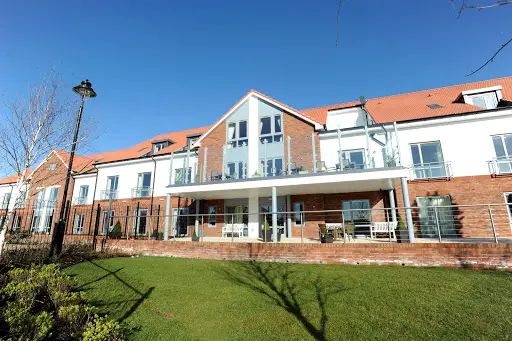
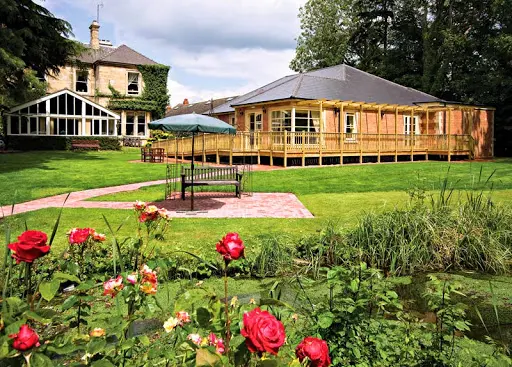
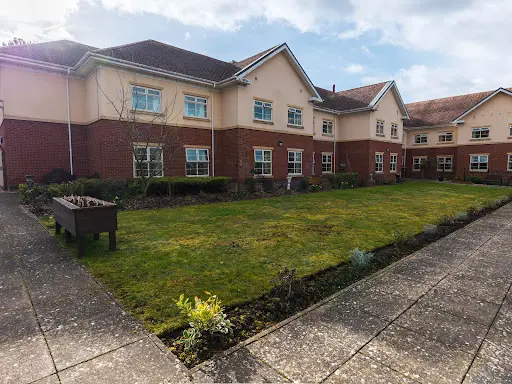
Everything's cooked fresh on-site, with proper choices at mealtimes and homemade snacks available throughout the day. The home stays notably clean and well-decorated, with housekeeping keeping things consistently tidy. When the weather's nice, outdoor events add welcome variety to the routine.
“Sometimes the smallest details — a homemade snack, a friendly greeting — make the biggest difference.”
DCC does not edit or curate content in this tab. For independently curated information, see The Evidence and DCC Verdict.