Barchester – The Cedars Care Home (Bourne)
At a Glance
The information you need to decide whether this home warrants a closer look.
Nursing homes
Staff warmth score
of reviewers answered yes
Good to know
- Registered beds56
- SpecialismsCaring for adults over 65 yrs, Caring for adults under 65 yrs, Dementia, Physical disabilities
- Last inspected2017-11-22
Save Barchester – The Cedars Care Home (Bourne) to your shortlist
Keep a running list, add visit notes, and compare homes side-by-side. Free account — it takes a minute.
STAGE 4 — RESEARCHING CARE HOMES
Visit homes. Compare them side by side. Choose with confidence.
Most of us will view care homes the way we view houses, impression, atmosphere, the feeling in the corridor. We go home, try to remember what we saw, and make a permanent decision from a blurred memory.

The DCC shortlist gives every home you visit a structured record: the same twelve questions, answered the same way, every time. When you’re ready to choose, pull any two homes side by side and compare them directly. Same criteria, same evidence, your notes and your scores.
The Evidence
What the review data, the inspection reports, and the dementia-care evidence base tell us about this home.
What families say
Visitors often comment on the genuine warmth they feel from the moment they arrive. The atmosphere strikes that difficult balance between professional care standards and the relaxed comfort of a real home. Residents seem genuinely content here, with families noticing real improvements in their relatives' spirits and engagement since moving in.
The eight family priority themes
- Staff warmth72
- Compassion & dignity72
- Cleanliness70
- Activities & engagement65
- Food quality65
- Healthcare70
- Management & leadership72
- Resident happiness68
What inspectors found
Inspected 2017-11-22
Is this home safe?
Is the care effective?
The Cedars was rated Good for effectiveness at its March 2025 inspection. The published findings do not include specific evidence about care plan quality, how often care plans are reviewed, whether families are involved in reviews, or how dementia training is delivered to staff. The home's registration as a dementia specialism indicates a commitment to this area, but no training completion data or care plan examples are described.Is this home caring?
The Cedars was rated Good for caring at its March 2025 inspection. The published report does not include inspector observations of staff interactions, resident testimony about how they are treated, or specific examples of dignity and privacy being upheld. Staff warmth and compassion are the most important factors families report in our review data, but the inspection findings available do not give specific evidence to assess these qualities at this home.Is the home responsive?
The Cedars was rated Good for responsiveness at its March 2025 inspection. The published report does not include detail about the activities programme, whether activities are tailored to individuals or group-only, how the home supports people with advanced dementia who may not engage in group settings, or how end-of-life preferences are planned and documented. The home's registration covers a wide range of needs, including dementia and physical disabilities, which can make responsive, individualised care more complex to deliver.Is the home well-led?
The Cedars was rated Good for well-led at its March 2025 inspection. Mrs Rebecca Louise Aldred is named as the registered manager, and Mr Dominic Jude Kay is the nominated individual for the provider, Cedars Health Care Limited. A named manager in post is a positive sign. The published report does not include evidence about manager visibility on the floor, how long the current manager has been in post, staff culture, or how the home handles complaints and incidents.
Source: CQC inspection report →
What the evidence base says
The Cedars provides residential care for adults over 65, as well as younger adults with care needs. The home also supports residents living with dementia and those with physical disabilities. For residents living with dementia, the team brings patience and understanding to daily care. The regular activity programme and social events help maintain engagement and connection, while the secure environment provides reassurance for families. All areas worth probing directly during a visit.
The DCC Verdict
Our editorial view, built from the three lenses: what families tell us, what inspectors record, and how the home sits against good dementia-care practice.
DCC Family Score
The Cedars was rated Good across all five domains at its March 2025 inspection, which is a positive foundation. However, the published report contains very limited specific detail, observations, or direct testimony, so most scores sit in the mid-range rather than the higher bands where specific evidence would justify more confidence.
Homes in East Midlands typically score 68–82.The three-lens summary
What families tell us
Visitors often comment on the genuine warmth they feel from the moment they arrive. The atmosphere strikes that difficult balance between professional care standards and the relaxed comfort of a real home. Residents seem genuinely content here, with families noticing real improvements in their relatives' spirits and engagement since moving in.
What inspectors have recorded
The care team consistently demonstrates the kind of attentiveness that makes all the difference. Staff take time to understand each resident's needs and preferences, responding promptly when support is needed. Families particularly value how approachable the team remains, creating an environment where questions are welcomed and communication flows naturally.
How it sits against good practice
What matters most is how residents feel each day — and at The Cedars, that feeling is one of being genuinely cared for.
Worth a visit
The Cedars, in Bourne, Lincolnshire, was rated Good across all five inspection domains at its most recent inspection on 10 March 2025, with the report published in May 2025. This is a positive headline result for a 56-bed nursing home caring for older adults, younger adults, people living with dementia, and people with physical disabilities. A named registered manager is in post, and the home has maintained a Good rating, which places it among the majority of well-performing care homes nationally. The main limitation for families considering this home is that the published inspection report contains very little specific evidence: no direct quotes from residents or relatives, no inspector observations of day-to-day care, and no detail on staffing numbers, food, activities, or the physical environment. A Good rating is reassuring, but it tells you the minimum standard is met, not how the home feels to live in. On your visit, ask the manager to show you last week's actual staffing rota, including nights, and walk through the home at a mealtime or during an activity session so you can observe the pace and warmth of staff interactions for yourself.
The three questions to ask when you visitSave this home. Compare it against your shortlist.
Let our analysis show you how Barchester – The Cedars Care Home (Bourne) measures up against the other homes you’re considering. Free account.
In Their Own Words
How Barchester – The Cedars Care Home (Bourne) describes itself — collected from its own website. DCC has not edited or independently verified the content in this tab.
Where thoughtful care brings genuine contentment to every resident
Dedicated nursing home Support in Bourne
Families searching for residential care in Bourne often discover The Cedars through word of mouth, and it's easy to understand why. This well-established home has built its reputation on consistent, attentive care that helps residents not just cope, but truly flourish. The difference shows in the small moments — residents chatting happily in the gardens, families lingering over coffee, and the natural warmth that fills every corridor.
Who they care for
The Cedars provides residential care for adults over 65, as well as younger adults with care needs. The home also supports residents living with dementia and those with physical disabilities.
For residents living with dementia, the team brings patience and understanding to daily care. The regular activity programme and social events help maintain engagement and connection, while the secure environment provides reassurance for families.
“What matters most is how residents feel each day — and at The Cedars, that feeling is one of being genuinely cared for.”
DCC does not edit or curate content in this tab. For independently curated information, see The Evidence and DCC Verdict.
The DCC Verdict
Our editorial view, built from the three lenses: what families tell us, what inspectors record, and how the home sits against good dementia-care practice.
DCC Family Score
The Cedars was rated Good across all five domains at its March 2025 inspection, which is a positive foundation. However, the published report contains very limited specific detail, observations, or direct testimony, so most scores sit in the mid-range rather than the higher bands where specific evidence would justify more confidence.
Homes in East Midlands typically score 68–82.The three-lens summary
What families tell us
Visitors often comment on the genuine warmth they feel from the moment they arrive. The atmosphere strikes that difficult balance between professional care standards and the relaxed comfort of a real home. Residents seem genuinely content here, with families noticing real improvements in their relatives' spirits and engagement since moving in.
What inspectors have recorded
The care team consistently demonstrates the kind of attentiveness that makes all the difference. Staff take time to understand each resident's needs and preferences, responding promptly when support is needed. Families particularly value how approachable the team remains, creating an environment where questions are welcomed and communication flows naturally.
How it sits against good practice
What matters most is how residents feel each day — and at The Cedars, that feeling is one of being genuinely cared for.
Worth a visit
The Cedars, in Bourne, Lincolnshire, was rated Good across all five inspection domains at its most recent inspection on 10 March 2025, with the report published in May 2025. This is a positive headline result for a 56-bed nursing home caring for older adults, younger adults, people living with dementia, and people with physical disabilities. A named registered manager is in post, and the home has maintained a Good rating, which places it among the majority of well-performing care homes nationally. The main limitation for families considering this home is that the published inspection report contains very little specific evidence: no direct quotes from residents or relatives, no inspector observations of day-to-day care, and no detail on staffing numbers, food, activities, or the physical environment. A Good rating is reassuring, but it tells you the minimum standard is met, not how the home feels to live in. On your visit, ask the manager to show you last week's actual staffing rota, including nights, and walk through the home at a mealtime or during an activity session so you can observe the pace and warmth of staff interactions for yourself.
The three questions to ask when you visitSave this home. Compare it against your shortlist.
Let our analysis show you how Barchester – The Cedars Care Home (Bourne) measures up against the other homes you’re considering. Free account.
In Their Own Words
How Barchester – The Cedars Care Home (Bourne) describes itself — collected from its own website. DCC has not edited or independently verified the content in this tab.
Where thoughtful care brings genuine contentment to every resident
Dedicated nursing home Support in Bourne
Families searching for residential care in Bourne often discover The Cedars through word of mouth, and it's easy to understand why. This well-established home has built its reputation on consistent, attentive care that helps residents not just cope, but truly flourish. The difference shows in the small moments — residents chatting happily in the gardens, families lingering over coffee, and the natural warmth that fills every corridor.
Who they care for
The Cedars provides residential care for adults over 65, as well as younger adults with care needs. The home also supports residents living with dementia and those with physical disabilities.
For residents living with dementia, the team brings patience and understanding to daily care. The regular activity programme and social events help maintain engagement and connection, while the secure environment provides reassurance for families.
Management & ethos
The care team consistently demonstrates the kind of attentiveness that makes all the difference. Staff take time to understand each resident's needs and preferences, responding promptly when support is needed. Families particularly value how approachable the team remains, creating an environment where questions are welcomed and communication flows naturally.
The home & environment
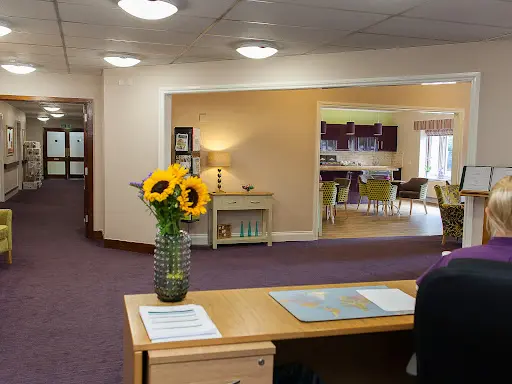
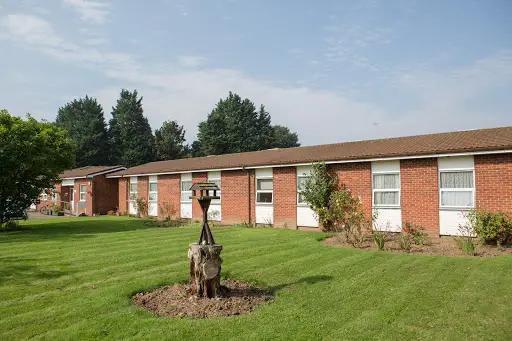
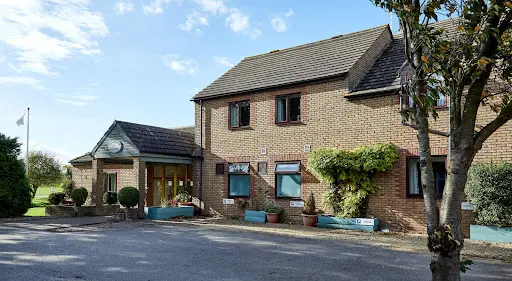
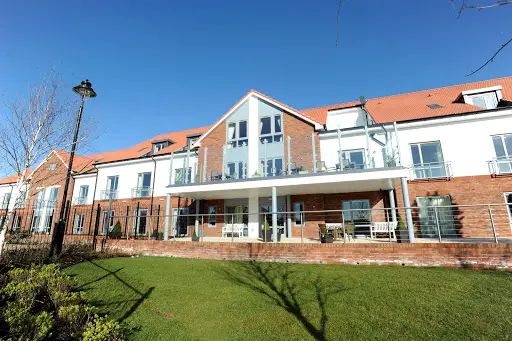
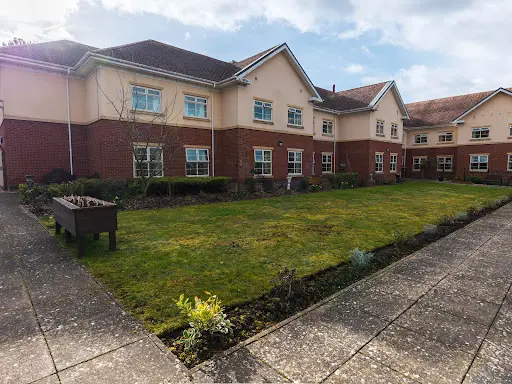
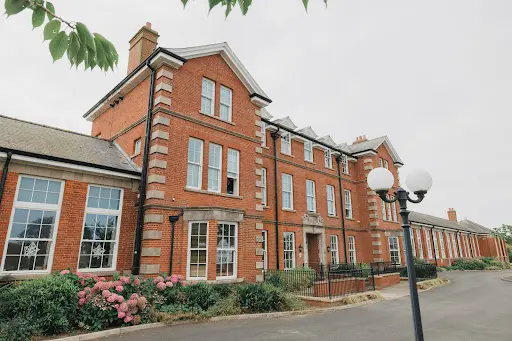
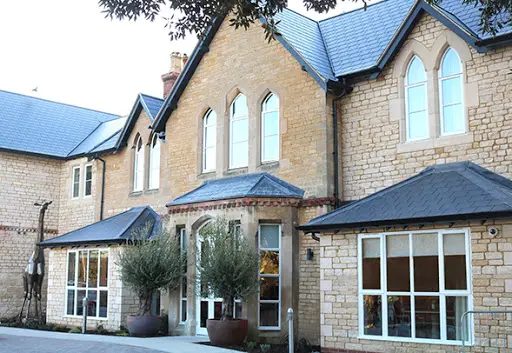
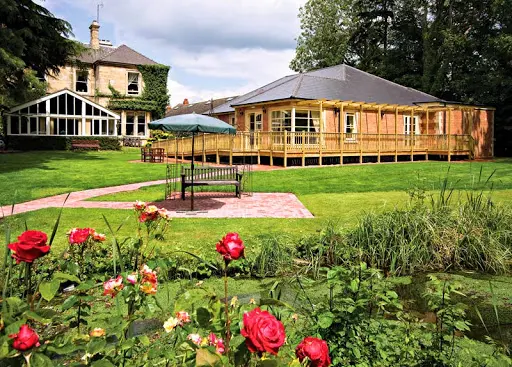
The home has been thoughtfully refurbished to create bright, comfortable spaces throughout. The maintained grounds provide pleasant outdoor areas where residents can enjoy fresh air and sunshine. Regular activities bring variety to each week — from coffee mornings to special events with visiting animals that always prove popular.
“What matters most is how residents feel each day — and at The Cedars, that feeling is one of being genuinely cared for.”
DCC does not edit or curate content in this tab. For independently curated information, see The Evidence and DCC Verdict.