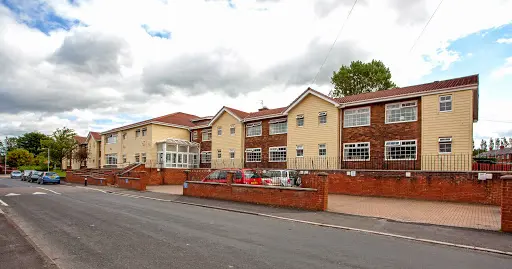
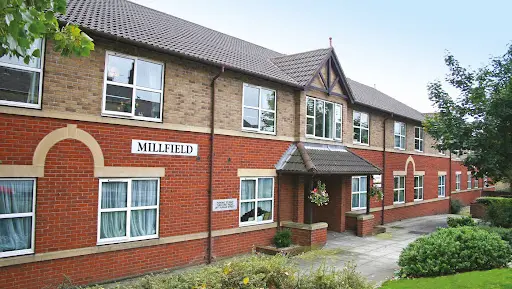
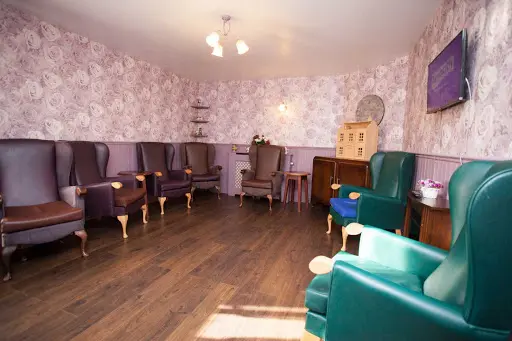
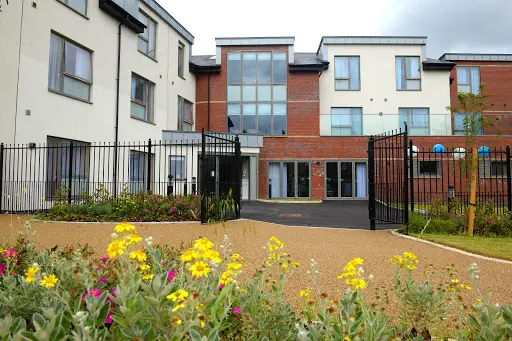
Stoneswood Residential Home

At a Glance
The information you need to decide whether this home warrants a closer look.
Residential homes, Homecare agencies
Staff warmth score
of reviewers answered yes
Good to know
- Registered beds51
- SpecialismsCaring for adults over 65 yrs, Dementia, Physical disabilities, Sensory impairment
- Last inspected2018-08-16
Save Stoneswood Residential Home to your shortlist
Keep a running list, add visit notes, and compare homes side-by-side. Free account — it takes a minute.
STAGE 4 — RESEARCHING CARE HOMES
Visit homes. Compare them side by side. Choose with confidence.
Most of us will view care homes the way we view houses, impression, atmosphere, the feeling in the corridor. We go home, try to remember what we saw, and make a permanent decision from a blurred memory.

The DCC shortlist gives every home you visit a structured record: the same twelve questions, answered the same way, every time. When you’re ready to choose, pull any two homes side by side and compare them directly. Same criteria, same evidence, your notes and your scores.
The Evidence
What the review data, the inspection reports, and the dementia-care evidence base tell us about this home.
What families say
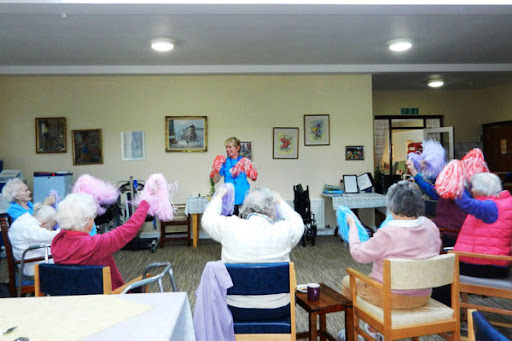
Families talk about arriving to find their relatives actively involved in something purposeful — whether that's a performance they've been practising for or simply enjoying independence in the on-site café. What stands out is how staff initiate conversations with visitors, creating that immediate sense of partnership that makes such a difference when you're entrusting someone's care to others.
The eight family priority themes
- Staff warmth72
- Compassion & dignity72
- Cleanliness70
- Activities & engagement60
- Food quality60
- Healthcare65
- Management & leadership72
- Resident happiness68
What inspectors found
Inspected 2018-08-16
Is this home safe?
Is the care effective?
The Effective domain was rated Good at the March 2021 inspection. The published report does not include specific findings about care plan quality, dementia training content, GP access arrangements, or how food and nutrition needs are managed. The home lists dementia as a declared specialism, which implies a commitment to dementia-specific practice, but no detail about how that specialism is delivered is available in the published findings.Is this home caring?
The Caring domain was rated Good at the March 2021 inspection. The published report does not include direct observations of staff interactions, descriptions of how dignity and privacy are maintained, or testimony from residents or relatives about the warmth of care. No quotes from residents or families were recorded in the available published text.Is the home responsive?
The Responsive domain was rated Good at the March 2021 inspection. The published report does not describe the activities programme, how individual preferences are identified and acted on, or what happens for residents who cannot participate in group activities. End-of-life care arrangements and how complaints are handled are also not detailed in the available published text.Is the home well-led?
The Well-led domain was rated Good at the March 2021 inspection. The home is run by Northern Care Homes Limited, with Miss Sandra Nixon as registered manager and Mrs Katie Payne as nominated individual. Both names are on record, which confirms a clear formal accountability structure. The published report does not describe the management culture, how staff are supported to raise concerns, whether residents and families are involved in shaping the home, or how the home responds to feedback and incidents.
Source: CQC inspection report →
What the evidence base says
The home supports people over 65 with dementia, physical disabilities and sensory impairments. They work with families to navigate council funding where needed. Families whose relatives have lived here with dementia for years speak about sustained confidence in daily care. Staff clearly understand how to maintain meaningful engagement and adapt their support as needs change, keeping families informed and reassured throughout. All areas worth probing directly during a visit.
The DCC Verdict
Our editorial view, built from the three lenses: what families tell us, what inspectors record, and how the home sits against good dementia-care practice.
DCC Family Score
Stoneswood Residential Home was rated Good across all five inspection domains, which is a positive baseline. However, the published inspection report contains very limited specific detail, so scores reflect the Good rating with appropriate caution rather than strong verified evidence.
Homes in North West typically score 68–82.The three-lens summary
What families tell us
Families talk about arriving to find their relatives actively involved in something purposeful — whether that's a performance they've been practising for or simply enjoying independence in the on-site café. What stands out is how staff initiate conversations with visitors, creating that immediate sense of partnership that makes such a difference when you're entrusting someone's care to others.
What inspectors have recorded
Communication here seems to work the way families hope it will. When visiting wasn't possible, staff arranged video calls and sent regular newsletters to keep everyone connected. Families mention how quickly staff respond to concerns and adapt their approach — practical things that show they're genuinely listening. The admission process itself reflects this thoughtfulness, with families describing consultative conversations that addressed both practical questions and emotional worries without any pressure.
How it sits against good practice
Sometimes the best endorsement is simply that families who've been through this journey before would choose the same place again.
Worth a visit
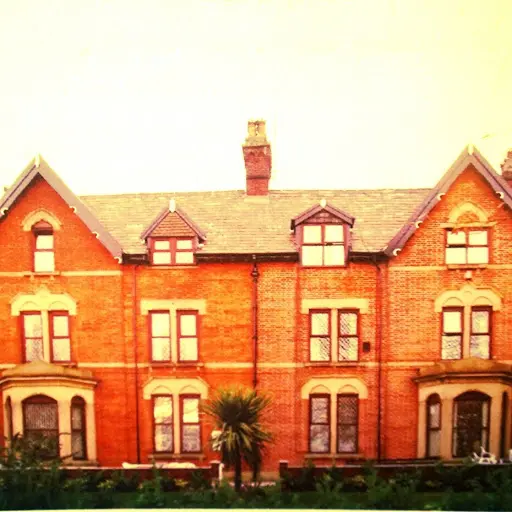
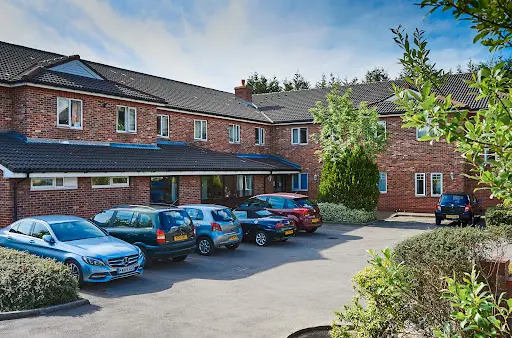
Stoneswood Residential Home, on Oldham Road in Oldham, was rated Good across all five inspection domains at its last full inspection in March 2021. A monitoring review carried out in July 2023 found no evidence that the rating needed to change. The home is registered for 51 beds and declares specialisms in dementia, physical disabilities, and sensory impairments, alongside general care for adults over 65. A named registered manager and nominated individual are recorded, which indicates a formal accountability structure is in place. The main uncertainty here is that the published inspection report contains very little specific detail. There are no direct observations of care, no resident or family quotes, and no description of how the dementia specialism is delivered day to day. A Good rating from 2021 is a reasonable starting point, but it is now several years old and tells you more about the home's compliance record than about what daily life feels like for your parent. When you visit, ask to see the actual staffing rota for last week (not a template), count how many staff are named as permanent versus agency, and ask what a resident living with dementia would do between two and four in the afternoon on a Wednesday.
The three questions to ask when you visitSave this home. Compare it against your shortlist.
Let our analysis show you how Stoneswood Residential Home measures up against the other homes you’re considering. Free account.
In Their Own Words
How Stoneswood Residential Home describes itself — collected from its own website. DCC has not edited or independently verified the content in this tab.
Where families find genuine confidence in dementia care
Compassionate Care in Oldham at Stoneswood Residential Home
When you're looking for dementia care, what matters most is knowing your loved one will be understood and engaged every single day. That's what families consistently discover at Stoneswood Residential Home in Oldham, where staff create meaningful connections with residents who have complex needs. This established home has built its reputation through years of supporting people with dementia, sensory impairments and physical disabilities.
Who they care for
The home supports people over 65 with dementia, physical disabilities and sensory impairments. They work with families to navigate council funding where needed.
Families whose relatives have lived here with dementia for years speak about sustained confidence in daily care. Staff clearly understand how to maintain meaningful engagement and adapt their support as needs change, keeping families informed and reassured throughout.
“Sometimes the best endorsement is simply that families who've been through this journey before would choose the same place again.”
DCC does not edit or curate content in this tab. For independently curated information, see The Evidence and DCC Verdict.
The DCC Verdict
Our editorial view, built from the three lenses: what families tell us, what inspectors record, and how the home sits against good dementia-care practice.
DCC Family Score
Stoneswood Residential Home was rated Good across all five inspection domains, which is a positive baseline. However, the published inspection report contains very limited specific detail, so scores reflect the Good rating with appropriate caution rather than strong verified evidence.
Homes in North West typically score 68–82.The three-lens summary
What families tell us
Families talk about arriving to find their relatives actively involved in something purposeful — whether that's a performance they've been practising for or simply enjoying independence in the on-site café. What stands out is how staff initiate conversations with visitors, creating that immediate sense of partnership that makes such a difference when you're entrusting someone's care to others.
What inspectors have recorded
Communication here seems to work the way families hope it will. When visiting wasn't possible, staff arranged video calls and sent regular newsletters to keep everyone connected. Families mention how quickly staff respond to concerns and adapt their approach — practical things that show they're genuinely listening. The admission process itself reflects this thoughtfulness, with families describing consultative conversations that addressed both practical questions and emotional worries without any pressure.
How it sits against good practice
Sometimes the best endorsement is simply that families who've been through this journey before would choose the same place again.
Worth a visit
Stoneswood Residential Home, on Oldham Road in Oldham, was rated Good across all five inspection domains at its last full inspection in March 2021. A monitoring review carried out in July 2023 found no evidence that the rating needed to change. The home is registered for 51 beds and declares specialisms in dementia, physical disabilities, and sensory impairments, alongside general care for adults over 65. A named registered manager and nominated individual are recorded, which indicates a formal accountability structure is in place. The main uncertainty here is that the published inspection report contains very little specific detail. There are no direct observations of care, no resident or family quotes, and no description of how the dementia specialism is delivered day to day. A Good rating from 2021 is a reasonable starting point, but it is now several years old and tells you more about the home's compliance record than about what daily life feels like for your parent. When you visit, ask to see the actual staffing rota for last week (not a template), count how many staff are named as permanent versus agency, and ask what a resident living with dementia would do between two and four in the afternoon on a Wednesday.
The three questions to ask when you visitSave this home. Compare it against your shortlist.
Let our analysis show you how Stoneswood Residential Home measures up against the other homes you’re considering. Free account.
In Their Own Words
How Stoneswood Residential Home describes itself — collected from its own website. DCC has not edited or independently verified the content in this tab.
Where families find genuine confidence in dementia care
Compassionate Care in Oldham at Stoneswood Residential Home
When you're looking for dementia care, what matters most is knowing your loved one will be understood and engaged every single day. That's what families consistently discover at Stoneswood Residential Home in Oldham, where staff create meaningful connections with residents who have complex needs. This established home has built its reputation through years of supporting people with dementia, sensory impairments and physical disabilities.
Who they care for
The home supports people over 65 with dementia, physical disabilities and sensory impairments. They work with families to navigate council funding where needed.
Families whose relatives have lived here with dementia for years speak about sustained confidence in daily care. Staff clearly understand how to maintain meaningful engagement and adapt their support as needs change, keeping families informed and reassured throughout.
Management & ethos
Communication here seems to work the way families hope it will. When visiting wasn't possible, staff arranged video calls and sent regular newsletters to keep everyone connected. Families mention how quickly staff respond to concerns and adapt their approach — practical things that show they're genuinely listening. The admission process itself reflects this thoughtfulness, with families describing consultative conversations that addressed both practical questions and emotional worries without any pressure.
The home & environment
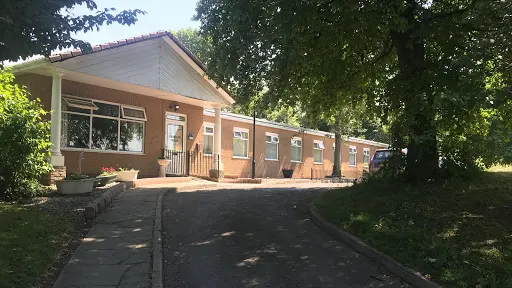
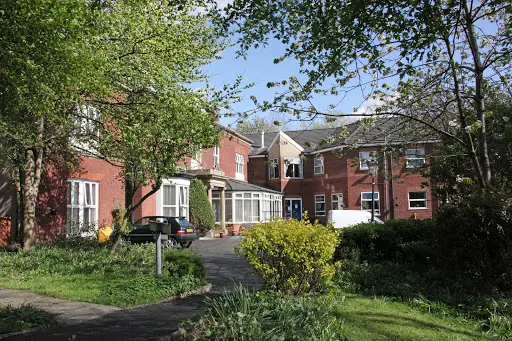
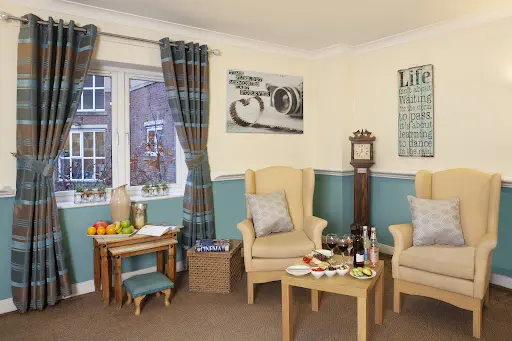
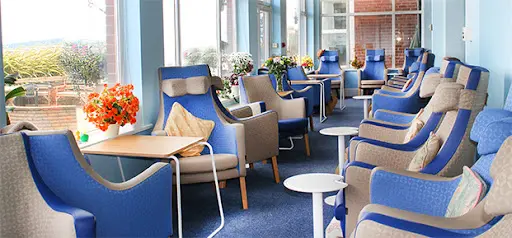
The home's separate Lodge building gets particular praise from families — it's a proper café and activity space where residents can maintain their independence without leaving the grounds. People appreciate having somewhere that feels different from the main building, where their relatives can meet friends or just enjoy a change of scene with that crucial sense of autonomy intact.
“Sometimes the best endorsement is simply that families who've been through this journey before would choose the same place again.”
DCC does not edit or curate content in this tab. For independently curated information, see The Evidence and DCC Verdict.