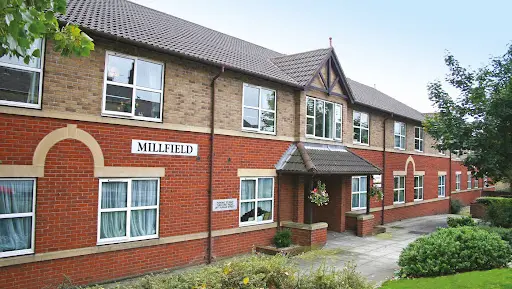
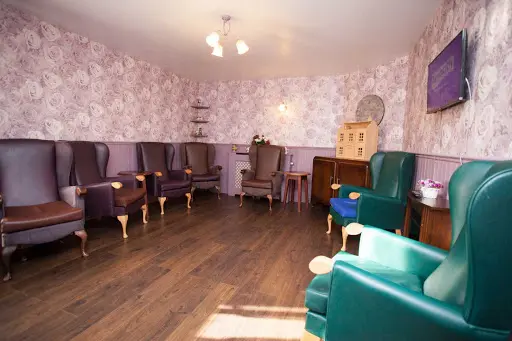
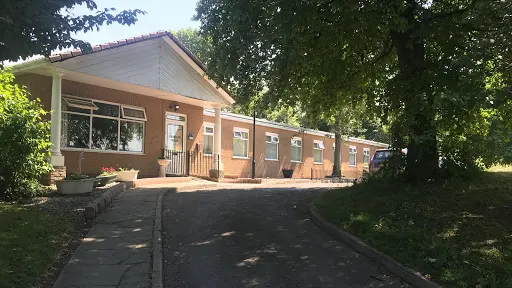
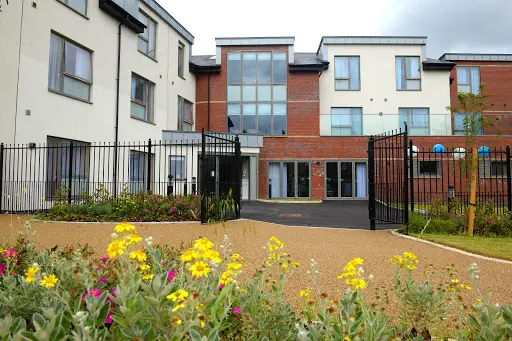
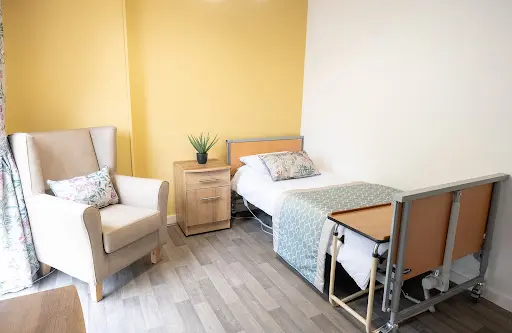
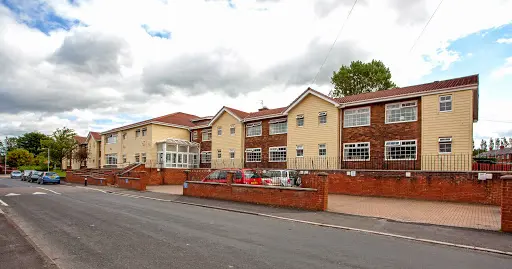
Royley House Care Home
At a Glance
The information you need to decide whether this home warrants a closer look.
Residential homes
Staff warmth score
of reviewers answered yes
Good to know
- Registered beds41
- SpecialismsCaring for adults over 65 yrs, Dementia
- Last inspected2021-12-17
Save Royley House Care Home to your shortlist
Keep a running list, add visit notes, and compare homes side-by-side. Free account — it takes a minute.
STAGE 4 — RESEARCHING CARE HOMES
Visit homes. Compare them side by side. Choose with confidence.
Most of us will view care homes the way we view houses, impression, atmosphere, the feeling in the corridor. We go home, try to remember what we saw, and make a permanent decision from a blurred memory.

The DCC shortlist gives every home you visit a structured record: the same twelve questions, answered the same way, every time. When you’re ready to choose, pull any two homes side by side and compare them directly. Same criteria, same evidence, your notes and your scores.
The Evidence
What the review data, the inspection reports, and the dementia-care evidence base tell us about this home.
What families say
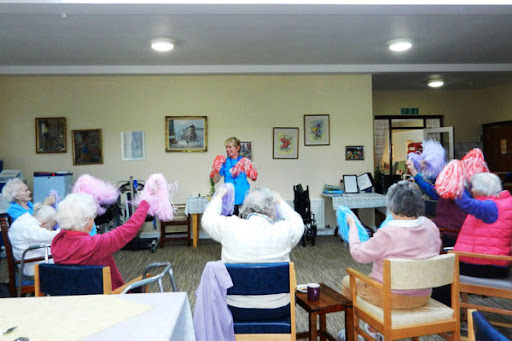
What strikes families most is watching their loved ones genuinely settle in and flourish. Residents who arrive anxious or withdrawn often transform within weeks, becoming more engaged and content. The home organizes regular activities and community outings that keep days interesting and social.
The eight family priority themes
- Staff warmth72
- Compassion & dignity72
- Cleanliness72
- Activities & engagement65
- Food quality65
- Healthcare68
- Management & leadership75
- Resident happiness70
What inspectors found
Inspected 2021-12-17
Is this home safe?
Is the care effective?
The Effective domain was rated Good at the November 2021 inspection. This domain covers training and competence, care planning, healthcare access, and nutrition. No specific detail about dementia training content, care plan review frequency, GP access arrangements, or food quality is recorded in the published summary. The home holds a Dementia specialism, which implies some form of structured dementia training for staff, but the nature or depth of that training is not described. The Good rating represents inspectors' overall judgement that the home was meeting expectations in this area at the time of the visit.Is this home caring?
The Caring domain was rated Good at the November 2021 inspection. This is the domain most closely linked to staff warmth and compassion, which together account for over 55% of what families say matters most in our review data. No specific inspector observations about staff interactions, resident responses, or dignity practices are recorded in the published summary. The Good rating indicates that inspectors were satisfied overall, but without quotes or direct observations it is not possible to characterise the quality of relationships between staff and residents from the report alone.Is the home responsive?
The Responsive domain was rated Good at the November 2021 inspection. This domain covers how well the home tailors care to individuals, provides meaningful activities, and responds to complaints. No specific detail about the activity programme, individual engagement for people with advanced dementia, or complaint handling is recorded in the published summary. The home's Dementia specialism implies some form of adapted activity provision, but what that looks like in practice is not described. The Good rating indicates inspectors were satisfied at the time of the visit.Is the home well-led?
The Well-led domain was rated Good at the November 2021 inspection, having previously been rated Requires Improvement. Named leadership was in place, with Mrs Irum Mahmood as registered manager and Mrs Leanne Gorton as nominated individual, both identified in the inspection record. A Well-led Good rating typically reflects that the inspection found a positive culture, functioning governance processes, and mechanisms for learning from incidents. No specific observations about manager visibility, staff voice, or governance processes are recorded in the published summary.
Source: CQC inspection report →
What the evidence base says
Royley House specializes in residential care for adults over 65, including those living with dementia. The home provides dedicated dementia care, with staff who understand how to support residents through the challenges of memory loss while maintaining their dignity and quality of life. All areas worth probing directly during a visit.
The DCC Verdict
Our editorial view, built from the three lenses: what families tell us, what inspectors record, and how the home sits against good dementia-care practice.
DCC Family Score
Royley House Care Home scores 74 out of 100, reflecting a solid Good rating across all five inspection domains and a meaningful improvement from a previous Requires Improvement rating. The score is held back by limited specific detail in the published inspection text, which means several areas important to families cannot be fully verified from the report alone.
Homes in North West typically score 68–82.The three-lens summary
What families tell us
What strikes families most is watching their loved ones genuinely settle in and flourish. Residents who arrive anxious or withdrawn often transform within weeks, becoming more engaged and content. The home organizes regular activities and community outings that keep days interesting and social.
What inspectors have recorded
The care team stays in close contact with families, calling proactively when concerns arise and responding quickly to any requests. This open communication helps everyone feel connected and reassured about their loved one's care.
How it sits against good practice
If you'd like to see how Royley House approaches care, arranging a visit can help you get a real feel for the place.
Worth a visit
Royley House Care Home, a 41-bed residential home in Oldham specialising in dementia care and care for older adults, was rated Good across all five inspection domains at its last inspection in November 2021. This is a meaningful result because the home had previously been rated Requires Improvement, meaning inspectors judged it had genuinely addressed earlier concerns. Named leadership was in place, with both a registered manager and a nominated individual identified. The main limitation of this report is that the published inspection summary contains very little specific detail, so it is not possible to verify from the text alone what staff interactions looked like, how activities were organised, what food was like, or what night staffing numbers were. These are exactly the things that matter most to families, and they account for the gap between the Good rating and a higher Family Score. Before placing your parent here, visit at a mealtime and in the early evening, ask the manager to show you last week's actual staffing rota (not the template), and ask specifically how staff support a resident with dementia who becomes distressed after dark.
The three questions to ask when you visitSave this home. Compare it against your shortlist.
Let our analysis show you how Royley House Care Home measures up against the other homes you’re considering. Free account.
In Their Own Words
How Royley House Care Home describes itself — collected from its own website. DCC has not edited or independently verified the content in this tab.
Where families see their loved ones flourish again in Oldham
Residential home in Oldham: True Peace of Mind
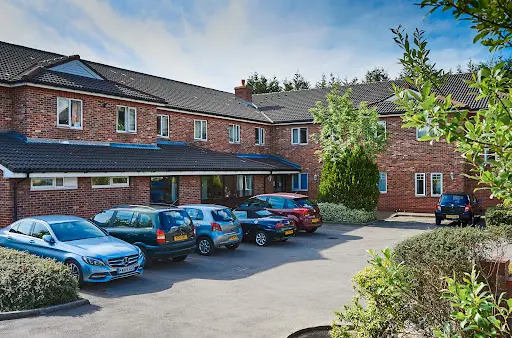
When you're searching for the right care home, you want to know your loved one will truly thrive. Royley House Care Home in Oldham offers residential and dementia care in a recently refurbished setting. Families talk about seeing real changes in their relatives' wellbeing, with residents appearing happier and more settled than they have in months.
Who they care for
Royley House specializes in residential care for adults over 65, including those living with dementia.
The home provides dedicated dementia care, with staff who understand how to support residents through the challenges of memory loss while maintaining their dignity and quality of life.
“If you'd like to see how Royley House approaches care, arranging a visit can help you get a real feel for the place.”
DCC does not edit or curate content in this tab. For independently curated information, see The Evidence and DCC Verdict.
The DCC Verdict
Our editorial view, built from the three lenses: what families tell us, what inspectors record, and how the home sits against good dementia-care practice.
DCC Family Score
Royley House Care Home scores 74 out of 100, reflecting a solid Good rating across all five inspection domains and a meaningful improvement from a previous Requires Improvement rating. The score is held back by limited specific detail in the published inspection text, which means several areas important to families cannot be fully verified from the report alone.
Homes in North West typically score 68–82.The three-lens summary
What families tell us
What strikes families most is watching their loved ones genuinely settle in and flourish. Residents who arrive anxious or withdrawn often transform within weeks, becoming more engaged and content. The home organizes regular activities and community outings that keep days interesting and social.
What inspectors have recorded
The care team stays in close contact with families, calling proactively when concerns arise and responding quickly to any requests. This open communication helps everyone feel connected and reassured about their loved one's care.
How it sits against good practice
If you'd like to see how Royley House approaches care, arranging a visit can help you get a real feel for the place.
Worth a visit
Royley House Care Home, a 41-bed residential home in Oldham specialising in dementia care and care for older adults, was rated Good across all five inspection domains at its last inspection in November 2021. This is a meaningful result because the home had previously been rated Requires Improvement, meaning inspectors judged it had genuinely addressed earlier concerns. Named leadership was in place, with both a registered manager and a nominated individual identified. The main limitation of this report is that the published inspection summary contains very little specific detail, so it is not possible to verify from the text alone what staff interactions looked like, how activities were organised, what food was like, or what night staffing numbers were. These are exactly the things that matter most to families, and they account for the gap between the Good rating and a higher Family Score. Before placing your parent here, visit at a mealtime and in the early evening, ask the manager to show you last week's actual staffing rota (not the template), and ask specifically how staff support a resident with dementia who becomes distressed after dark.
The three questions to ask when you visitSave this home. Compare it against your shortlist.
Let our analysis show you how Royley House Care Home measures up against the other homes you’re considering. Free account.
In Their Own Words
How Royley House Care Home describes itself — collected from its own website. DCC has not edited or independently verified the content in this tab.
Where families see their loved ones flourish again in Oldham
Residential home in Oldham: True Peace of Mind
When you're searching for the right care home, you want to know your loved one will truly thrive. Royley House Care Home in Oldham offers residential and dementia care in a recently refurbished setting. Families talk about seeing real changes in their relatives' wellbeing, with residents appearing happier and more settled than they have in months.
Who they care for
Royley House specializes in residential care for adults over 65, including those living with dementia.
The home provides dedicated dementia care, with staff who understand how to support residents through the challenges of memory loss while maintaining their dignity and quality of life.
Management & ethos
The care team stays in close contact with families, calling proactively when concerns arise and responding quickly to any requests. This open communication helps everyone feel connected and reassured about their loved one's care.
The home & environment
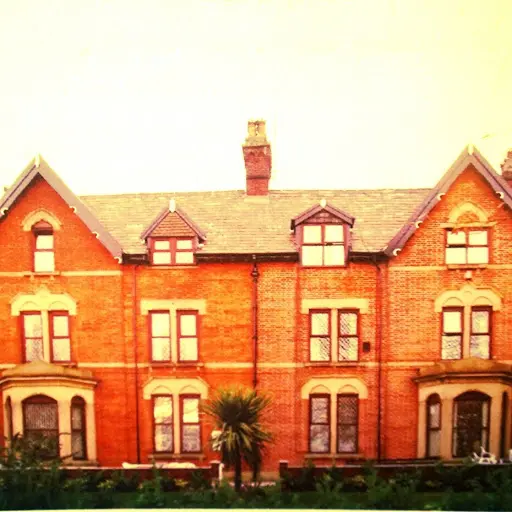
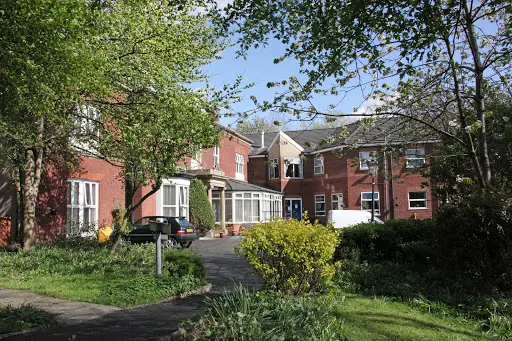
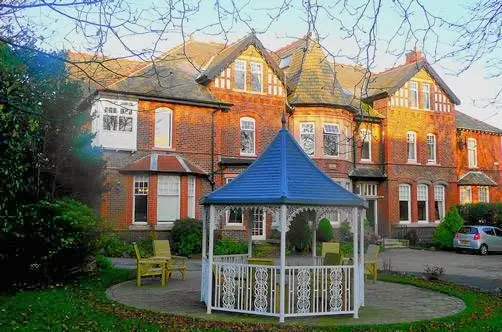
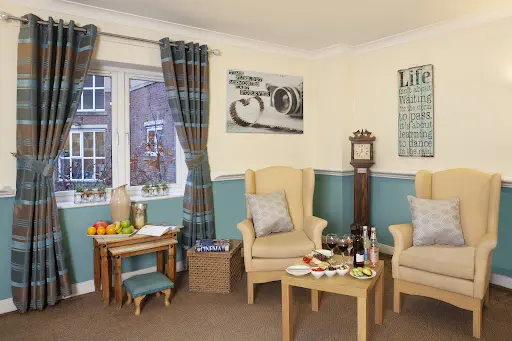
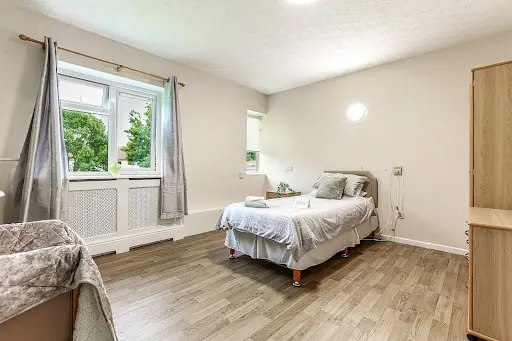
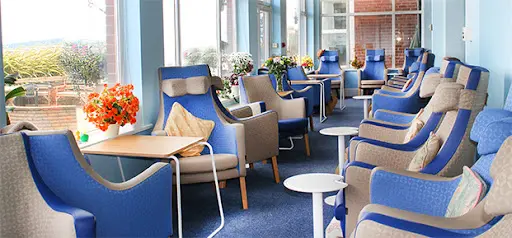
The home has been recently refurbished and families consistently mention how clean and well-maintained everything is. Residents seem to enjoy their meals here, which matters so much for daily contentment.
“If you'd like to see how Royley House approaches care, arranging a visit can help you get a real feel for the place.”
DCC does not edit or curate content in this tab. For independently curated information, see The Evidence and DCC Verdict.