Farnworth Care Home
At a Glance
The information you need to decide whether this home warrants a closer look.
Nursing homes
Staff warmth score
of reviewers answered yes
Good to know
- Registered beds120
- SpecialismsCaring for adults over 65 yrs, Caring for adults under 65 yrs, Dementia, Mental health conditions, Physical disabilities, Sensory impairment
- Last inspected2020-12-19
Save Farnworth Care Home to your shortlist
Keep a running list, add visit notes, and compare homes side-by-side. Free account — it takes a minute.
STAGE 4 — RESEARCHING CARE HOMES
Visit homes. Compare them side by side. Choose with confidence.
Most of us will view care homes the way we view houses, impression, atmosphere, the feeling in the corridor. We go home, try to remember what we saw, and make a permanent decision from a blurred memory.

The DCC shortlist gives every home you visit a structured record: the same twelve questions, answered the same way, every time. When you’re ready to choose, pull any two homes side by side and compare them directly. Same criteria, same evidence, your notes and your scores.
The Evidence
What the review data, the inspection reports, and the dementia-care evidence base tell us about this home.
What families say
People often mention how peaceful the atmosphere feels, even on busy days. The staff seem to have a knack for making both residents and visitors feel at ease — there's a friendliness that comes across as genuine rather than forced. Regular activities and outings give structure to the days, though nobody's pressured to join in if they'd rather not.
The eight family priority themes
- Staff warmth72
- Compassion & dignity72
- Cleanliness70
- Activities & engagement65
- Food quality65
- Healthcare70
- Management & leadership72
- Resident happiness70
What inspectors found
Inspected 2020-12-19
Is this home safe?
Is the care effective?
The Effective domain was rated Good at the November 2020 inspection. This domain covers training, care planning, healthcare access, nutrition, and hydration. The home lists dementia as a specialism, which implies some level of dementia-specific training is in place. No specific detail about training content, care plan quality, GP access arrangements, or food and drink provision appears in the published report summary. The Effective rating is a positive signal but is unsupported by specific evidence in the text available.Is this home caring?
The Caring domain was rated Good at the November 2020 inspection. This covers staff warmth, dignity, respect, independence, and emotional wellbeing. A Good rating in this domain means inspectors were broadly satisfied with how staff treat the people living here. No direct inspector observations, resident quotes, or relative testimonies are recorded in the published summary. The improvement from the previous Requires Improvement rating across all domains suggests a positive cultural shift took place before the 2020 inspection.Is the home responsive?
The Responsive domain was rated Good at the November 2020 inspection. This covers activities, individual engagement, complaint handling, and end-of-life care. No specific activities programmes, individual engagement examples, or complaint data are described in the published report. The home supports a wide range of care groups including people with dementia, mental health conditions, and sensory impairment, which makes individualised programming particularly important. The Good rating suggests inspectors were satisfied with responsiveness at the time of inspection.Is the home well-led?
The Well-led domain was rated Good at the November 2020 inspection. A named registered manager and a nominated individual were both recorded in the inspection report. This represents an improvement from the previous Requires Improvement rating, suggesting that governance, culture, and accountability had strengthened by the time of the 2020 inspection. No specific detail about manager visibility, staff feedback mechanisms, or quality improvement actions is described in the published summary.
Source: CQC inspection report →
What the evidence base says
Farnworth specialises in complex care, supporting people with dementia, mental health conditions, physical disabilities and sensory impairments. They care for both younger adults and those over 65. For residents with dementia, the calm environment seems particularly beneficial. Staff adapt their approach to each person's needs, maintaining dignity while providing the right level of support. All areas worth probing directly during a visit.
The DCC Verdict
Our editorial view, built from the three lenses: what families tell us, what inspectors record, and how the home sits against good dementia-care practice.
DCC Family Score
Farnworth Care Home scores 71 out of 100, reflecting a genuine and encouraging improvement from its previous Requires Improvement rating to a Good across all five domains. The score sits in the positive range but is tempered by limited specific detail in the published inspection report, meaning several areas cannot be independently verified from the text alone.
Homes in North West typically score 68–82.The three-lens summary
What families tell us
People often mention how peaceful the atmosphere feels, even on busy days. The staff seem to have a knack for making both residents and visitors feel at ease — there's a friendliness that comes across as genuine rather than forced. Regular activities and outings give structure to the days, though nobody's pressured to join in if they'd rather not.
What inspectors have recorded
What strikes families is how available the management team are when questions come up. Staff clearly know their residents well — picking up on small changes and responding before things become problems. During end-of-life care, the support extends to families too, with staff showing real compassion through difficult times.
How it sits against good practice
It's worth noting that one visitor found the entrance procedures challenging for someone with mobility issues — something to ask about when you visit.
Worth a visit
Farnworth Care Home on Church Street in Bolton was rated Good at its inspection in November 2020, with all five domains, Safe, Effective, Caring, Responsive, and Well-led, rated Good. This is a meaningful improvement from the previous Requires Improvement rating and covers a large 120-bed nursing home that supports people with dementia, mental health conditions, physical disabilities, and sensory impairment. A named registered manager was in post at the time of inspection. The main caution for you as a family is that the published inspection summary contains very little specific detail. Good ratings are genuinely positive, but they tell you the direction of travel, not the texture of daily life. Before making a decision, visit the home, ask to see last week's actual staffing rota (including night shifts), ask what the agency use rate was over the past month, and ask the activities coordinator how your parent would be engaged if they could not join group sessions. The inspection is now over four years old, so also ask the manager what has changed since 2020 and whether any further inspections have taken place.
The three questions to ask when you visitSave this home. Compare it against your shortlist.
Let our analysis show you how Farnworth Care Home measures up against the other homes you’re considering. Free account.
In Their Own Words
How Farnworth Care Home describes itself — collected from its own website. DCC has not edited or independently verified the content in this tab.
Where kindness meets capability for complex care needs
Nursing home in Bolton: True Peace of Mind
When you're looking for somewhere that can handle multiple health challenges with genuine warmth, Farnworth Care Home in Bolton stands out. Families describe a place where staff really see each resident as an individual, adjusting everything from meal choices to daily routines. The home feels calm and welcoming from the moment you walk in, which matters when you're making such a difficult decision.
Who they care for
Farnworth specialises in complex care, supporting people with dementia, mental health conditions, physical disabilities and sensory impairments. They care for both younger adults and those over 65.
For residents with dementia, the calm environment seems particularly beneficial. Staff adapt their approach to each person's needs, maintaining dignity while providing the right level of support.
“It's worth noting that one visitor found the entrance procedures challenging for someone with mobility issues — something to ask about when you visit.”
DCC does not edit or curate content in this tab. For independently curated information, see The Evidence and DCC Verdict.
The DCC Verdict
Our editorial view, built from the three lenses: what families tell us, what inspectors record, and how the home sits against good dementia-care practice.
DCC Family Score
Farnworth Care Home scores 71 out of 100, reflecting a genuine and encouraging improvement from its previous Requires Improvement rating to a Good across all five domains. The score sits in the positive range but is tempered by limited specific detail in the published inspection report, meaning several areas cannot be independently verified from the text alone.
Homes in North West typically score 68–82.The three-lens summary
What families tell us
People often mention how peaceful the atmosphere feels, even on busy days. The staff seem to have a knack for making both residents and visitors feel at ease — there's a friendliness that comes across as genuine rather than forced. Regular activities and outings give structure to the days, though nobody's pressured to join in if they'd rather not.
What inspectors have recorded
What strikes families is how available the management team are when questions come up. Staff clearly know their residents well — picking up on small changes and responding before things become problems. During end-of-life care, the support extends to families too, with staff showing real compassion through difficult times.
How it sits against good practice
It's worth noting that one visitor found the entrance procedures challenging for someone with mobility issues — something to ask about when you visit.
Worth a visit
Farnworth Care Home on Church Street in Bolton was rated Good at its inspection in November 2020, with all five domains, Safe, Effective, Caring, Responsive, and Well-led, rated Good. This is a meaningful improvement from the previous Requires Improvement rating and covers a large 120-bed nursing home that supports people with dementia, mental health conditions, physical disabilities, and sensory impairment. A named registered manager was in post at the time of inspection. The main caution for you as a family is that the published inspection summary contains very little specific detail. Good ratings are genuinely positive, but they tell you the direction of travel, not the texture of daily life. Before making a decision, visit the home, ask to see last week's actual staffing rota (including night shifts), ask what the agency use rate was over the past month, and ask the activities coordinator how your parent would be engaged if they could not join group sessions. The inspection is now over four years old, so also ask the manager what has changed since 2020 and whether any further inspections have taken place.
The three questions to ask when you visitSave this home. Compare it against your shortlist.
Let our analysis show you how Farnworth Care Home measures up against the other homes you’re considering. Free account.
In Their Own Words
How Farnworth Care Home describes itself — collected from its own website. DCC has not edited or independently verified the content in this tab.
Where kindness meets capability for complex care needs
Nursing home in Bolton: True Peace of Mind
When you're looking for somewhere that can handle multiple health challenges with genuine warmth, Farnworth Care Home in Bolton stands out. Families describe a place where staff really see each resident as an individual, adjusting everything from meal choices to daily routines. The home feels calm and welcoming from the moment you walk in, which matters when you're making such a difficult decision.
Who they care for
Farnworth specialises in complex care, supporting people with dementia, mental health conditions, physical disabilities and sensory impairments. They care for both younger adults and those over 65.
For residents with dementia, the calm environment seems particularly beneficial. Staff adapt their approach to each person's needs, maintaining dignity while providing the right level of support.
Management & ethos
What strikes families is how available the management team are when questions come up. Staff clearly know their residents well — picking up on small changes and responding before things become problems. During end-of-life care, the support extends to families too, with staff showing real compassion through difficult times.
The home & environment
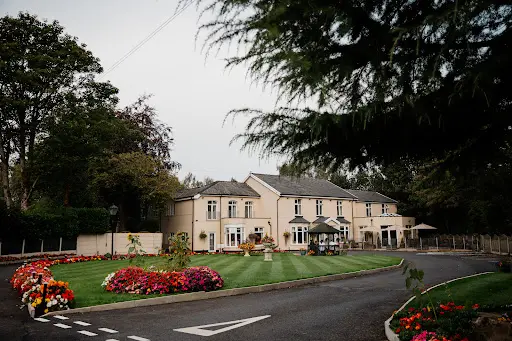
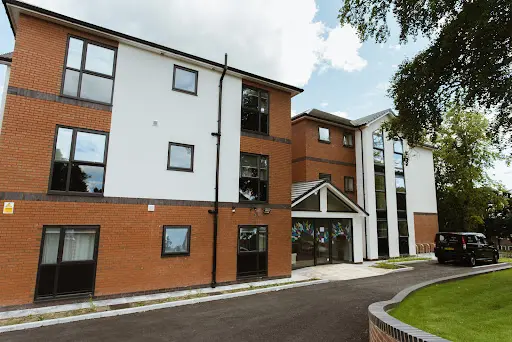
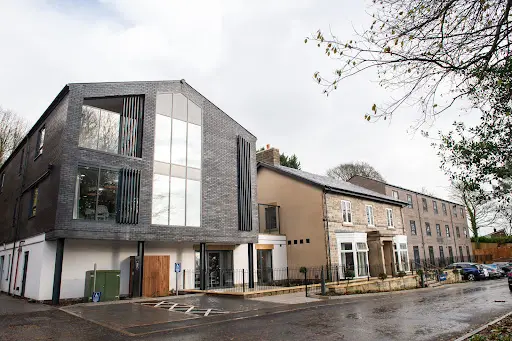
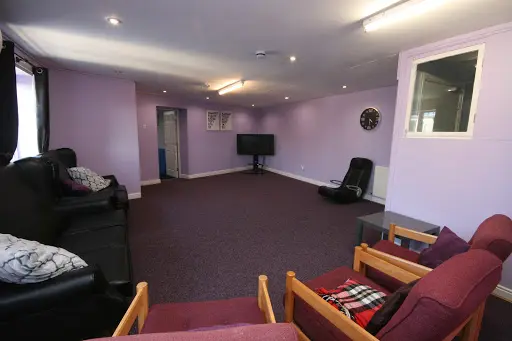
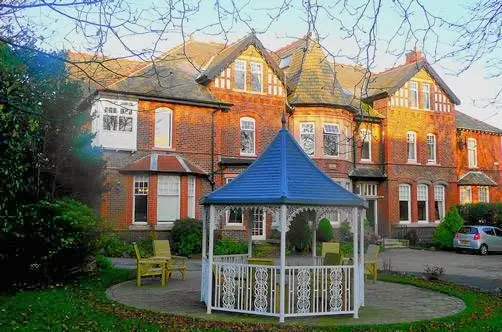
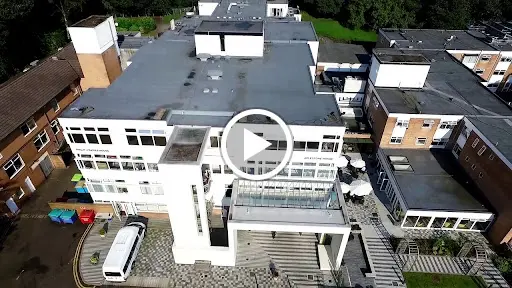
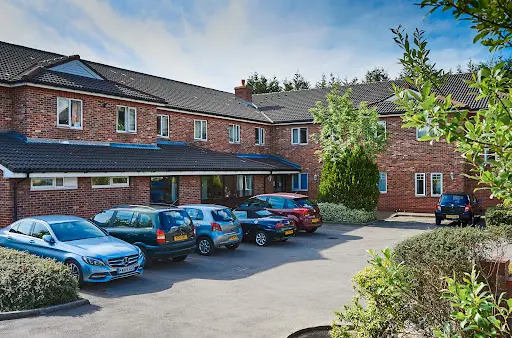
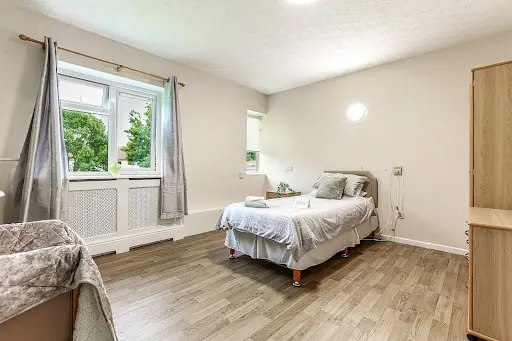
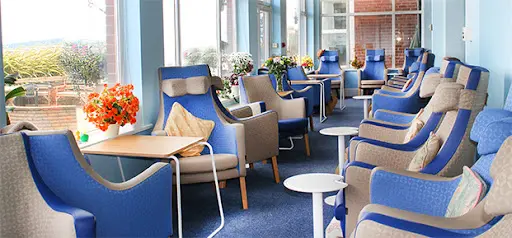
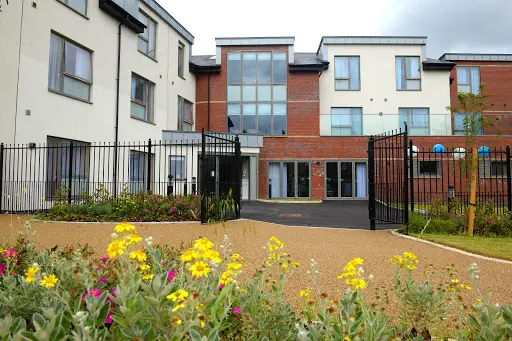
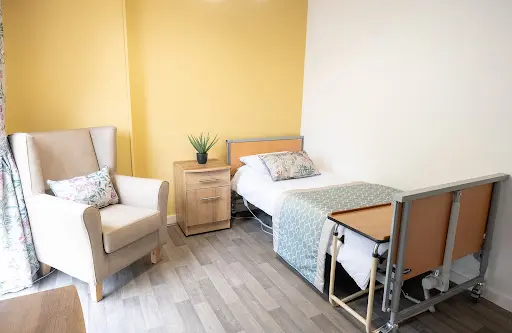
The rooms are spacious with their own bathrooms, and there's proper attention paid to keeping everything fresh and well-maintained. Families appreciate the gardens and outdoor spaces, which stay accessible even for those with mobility challenges. The food gets adapted for different dietary needs without any fuss, and there's flexibility around mealtimes.
“It's worth noting that one visitor found the entrance procedures challenging for someone with mobility issues — something to ask about when you visit.”
DCC does not edit or curate content in this tab. For independently curated information, see The Evidence and DCC Verdict.