Hourigan House Care Home – Minster Care Group
At a Glance
The information you need to decide whether this home warrants a closer look.
Residential homes
Staff warmth score
of reviewers answered yes
Good to know
- Registered beds40
- SpecialismsCaring for adults over 65 yrs, Caring for adults under 65 yrs, Dementia
- Last inspected2019-01-12
Save Hourigan House Care Home – Minster Care Group to your shortlist
Keep a running list, add visit notes, and compare homes side-by-side. Free account — it takes a minute.
STAGE 4 — RESEARCHING CARE HOMES
Visit homes. Compare them side by side. Choose with confidence.
Most of us will view care homes the way we view houses, impression, atmosphere, the feeling in the corridor. We go home, try to remember what we saw, and make a permanent decision from a blurred memory.

The DCC shortlist gives every home you visit a structured record: the same twelve questions, answered the same way, every time. When you’re ready to choose, pull any two homes side by side and compare them directly. Same criteria, same evidence, your notes and your scores.
The Evidence
What the review data, the inspection reports, and the dementia-care evidence base tell us about this home.
What families say
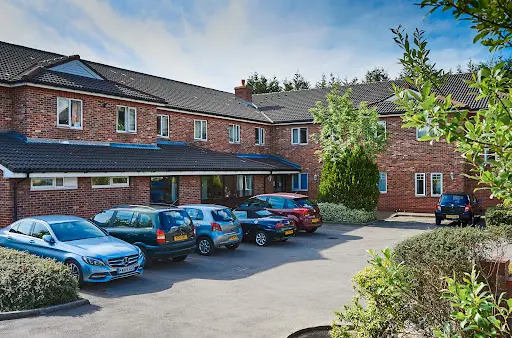
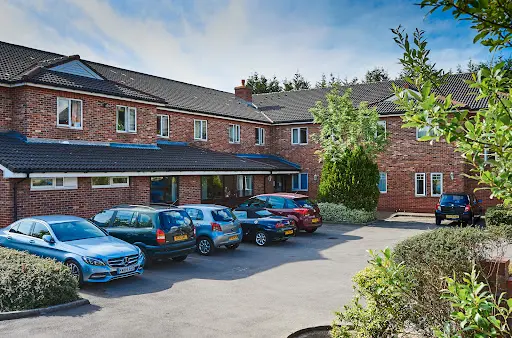
Families describe walking into a clean, bright environment where staff show real warmth towards residents. The caring approach comes through in daily interactions, with team members taking time to offer emotional support when people need it most.
The eight family priority themes
- Staff warmth72
- Compassion & dignity72
- Cleanliness72
- Activities & engagement65
- Food quality65
- Healthcare70
- Management & leadership74
- Resident happiness70
What inspectors found
Inspected 2019-01-12
Is this home safe?
Is the care effective?
The inspection rated the Effective domain as Good at the December 2025 assessment. This domain covers staff training, care plan quality, access to healthcare, nutrition, and how well the home meets the assessed needs of each person. The home is registered as a dementia specialism, which means it has declared the capacity to meet dementia-specific needs. The published summary does not include detail on care plan review frequency, the content of dementia training, GP access arrangements, or food quality and choice.Is this home caring?
The inspection rated the Caring domain as Good at the December 2025 assessment. This domain covers staff warmth, dignity, respect, independence, and privacy. A Good rating indicates inspectors were satisfied with the quality of relationships between staff and the people who live there. The published summary does not include specific inspector observations of staff interactions, resident quotes about how they feel, or family testimony about day-to-day kindness.Is the home responsive?
The inspection rated the Responsive domain as Good at the December 2025 assessment. This domain covers whether the home tailors its care to individual needs, the quality and variety of the activities programme, how it supports people at the end of life, and how it handles complaints. The home is registered to care for people living with dementia as well as adults of working age and older adults. The published summary does not include detail on the activities programme, one-to-one engagement, or end-of-life planning.Is the home well-led?
The inspection rated the Well-led domain as Good at the December 2025 assessment. This domain covers the quality of management, governance, culture, and accountability. The home has a named registered manager, Mrs Joanne Maureen Nelson, and a nominated individual, Mr Paul Nicholls, representing the provider organisation Croftwood Care UK Limited. The published summary does not include detail on how long the manager has been in post, how staff describe the culture, or what governance systems are in place.
Source: CQC inspection report →
What the evidence base says
The home provides residential care for adults over 65, younger adults who need support, and people living with dementia. With dementia care as one of their specialisms, the team understands the importance of emotional support and maintaining familiar routines for residents living with the condition. All areas worth probing directly during a visit.
The DCC Verdict
Our editorial view, built from the three lenses: what families tell us, what inspectors record, and how the home sits against good dementia-care practice.
DCC Family Score
Hourigan House received a Good rating across all five inspection domains in its December 2025 assessment, which is a positive baseline. However, the published report text does not include specific inspector observations, resident quotes, or detailed evidence, so scores reflect a confirmed Good rating without the granular detail that would push them higher.
Homes in North West typically score 68–82.The three-lens summary
What families tell us
Families describe walking into a clean, bright environment where staff show real warmth towards residents. The caring approach comes through in daily interactions, with team members taking time to offer emotional support when people need it most.
What inspectors have recorded
The manager stays accessible and responsive, particularly when families face emergencies or difficult moments. However, families have noticed that day-to-day requests can take longer than expected to action, and some aspects like laundry sorting and individual care preferences around bathing routines could use closer attention to ensure everyone's needs are properly met.
How it sits against good practice
While operational details sometimes need fine-tuning, the genuine care from staff creates a supportive atmosphere for residents facing different challenges.
Worth a visit
Hourigan House Residential Care Home, on Myrtle Avenue in Leigh, was assessed on 29 December 2025 and rated Good across all five inspection domains: Safe, Effective, Caring, Responsive, and Well-led. The home is registered to care for up to 40 people, including those living with dementia, and is run by Croftwood Care UK Limited with a named registered manager, Mrs Joanne Maureen Nelson, and a nominated individual, Mr Paul Nicholls. A Good rating across every domain is a meaningful baseline and indicates that inspectors found no significant concerns in any area of the home's operation. The main limitation of this report is that the published inspection text does not include specific inspector observations, resident or family quotes, or the detailed evidence that would allow a fuller picture. A Good rating tells you the home met the required standard; it does not tell you whether your mum would feel genuinely at ease there or whether the activity programme would suit your dad's interests. Before deciding, visit in person at a mealtime or during the afternoon activity period, ask to see last week's actual staffing rota including overnight shifts, and find out how dementia-specific the care genuinely is beyond the registered specialism.
The three questions to ask when you visitSave this home. Compare it against your shortlist.
Let our analysis show you how Hourigan House Care Home – Minster Care Group measures up against the other homes you’re considering. Free account.
In Their Own Words
How Hourigan House Care Home – Minster Care Group describes itself — collected from its own website. DCC has not edited or independently verified the content in this tab.
Caring staff create warmth in this traditional Leigh care home
Compassionate Care in Leigh at Hourigan House Residential Care Home
When families visit Hourigan House Residential Care Home in Leigh, they're struck by how genuinely the staff care about each resident. This established home supports people living with dementia alongside younger adults who need residential care, creating a diverse community where emotional support really matters.
Who they care for
The home provides residential care for adults over 65, younger adults who need support, and people living with dementia.
With dementia care as one of their specialisms, the team understands the importance of emotional support and maintaining familiar routines for residents living with the condition.
“While operational details sometimes need fine-tuning, the genuine care from staff creates a supportive atmosphere for residents facing different challenges.”
DCC does not edit or curate content in this tab. For independently curated information, see The Evidence and DCC Verdict.
The DCC Verdict
Our editorial view, built from the three lenses: what families tell us, what inspectors record, and how the home sits against good dementia-care practice.
DCC Family Score
Hourigan House received a Good rating across all five inspection domains in its December 2025 assessment, which is a positive baseline. However, the published report text does not include specific inspector observations, resident quotes, or detailed evidence, so scores reflect a confirmed Good rating without the granular detail that would push them higher.
Homes in North West typically score 68–82.The three-lens summary
What families tell us
Families describe walking into a clean, bright environment where staff show real warmth towards residents. The caring approach comes through in daily interactions, with team members taking time to offer emotional support when people need it most.
What inspectors have recorded
The manager stays accessible and responsive, particularly when families face emergencies or difficult moments. However, families have noticed that day-to-day requests can take longer than expected to action, and some aspects like laundry sorting and individual care preferences around bathing routines could use closer attention to ensure everyone's needs are properly met.
How it sits against good practice
While operational details sometimes need fine-tuning, the genuine care from staff creates a supportive atmosphere for residents facing different challenges.
Worth a visit
Hourigan House Residential Care Home, on Myrtle Avenue in Leigh, was assessed on 29 December 2025 and rated Good across all five inspection domains: Safe, Effective, Caring, Responsive, and Well-led. The home is registered to care for up to 40 people, including those living with dementia, and is run by Croftwood Care UK Limited with a named registered manager, Mrs Joanne Maureen Nelson, and a nominated individual, Mr Paul Nicholls. A Good rating across every domain is a meaningful baseline and indicates that inspectors found no significant concerns in any area of the home's operation. The main limitation of this report is that the published inspection text does not include specific inspector observations, resident or family quotes, or the detailed evidence that would allow a fuller picture. A Good rating tells you the home met the required standard; it does not tell you whether your mum would feel genuinely at ease there or whether the activity programme would suit your dad's interests. Before deciding, visit in person at a mealtime or during the afternoon activity period, ask to see last week's actual staffing rota including overnight shifts, and find out how dementia-specific the care genuinely is beyond the registered specialism.
The three questions to ask when you visitSave this home. Compare it against your shortlist.
Let our analysis show you how Hourigan House Care Home – Minster Care Group measures up against the other homes you’re considering. Free account.
In Their Own Words
How Hourigan House Care Home – Minster Care Group describes itself — collected from its own website. DCC has not edited or independently verified the content in this tab.
Caring staff create warmth in this traditional Leigh care home
Compassionate Care in Leigh at Hourigan House Residential Care Home
When families visit Hourigan House Residential Care Home in Leigh, they're struck by how genuinely the staff care about each resident. This established home supports people living with dementia alongside younger adults who need residential care, creating a diverse community where emotional support really matters.
Who they care for
The home provides residential care for adults over 65, younger adults who need support, and people living with dementia.
With dementia care as one of their specialisms, the team understands the importance of emotional support and maintaining familiar routines for residents living with the condition.
Management & ethos
The manager stays accessible and responsive, particularly when families face emergencies or difficult moments. However, families have noticed that day-to-day requests can take longer than expected to action, and some aspects like laundry sorting and individual care preferences around bathing routines could use closer attention to ensure everyone's needs are properly met.
The home & environment
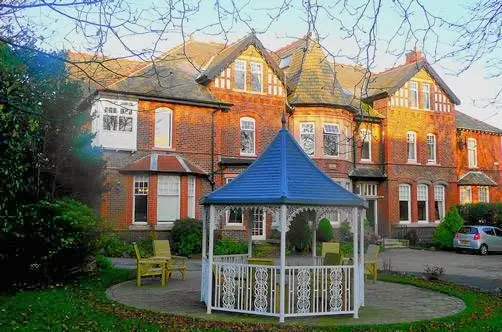
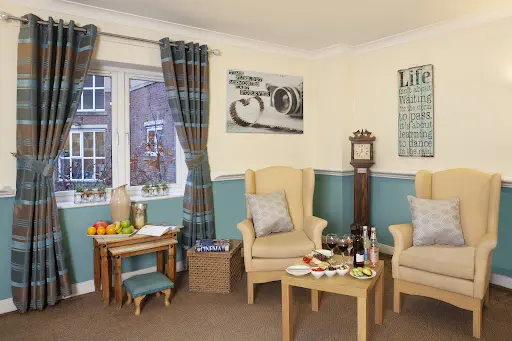
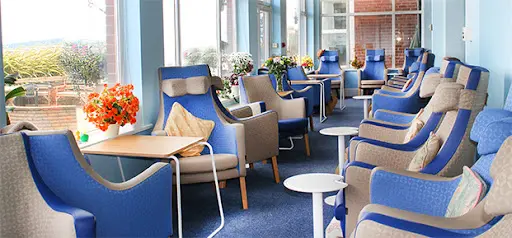
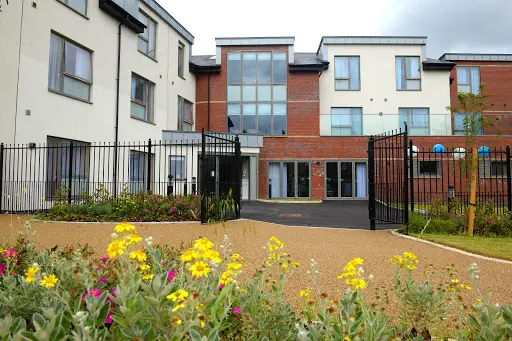
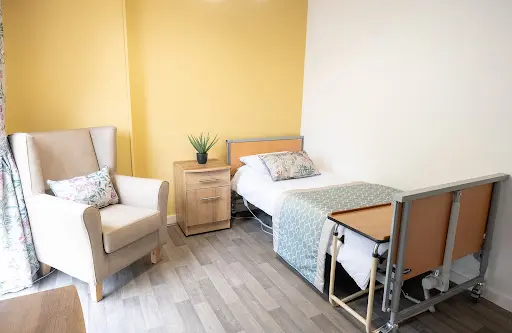
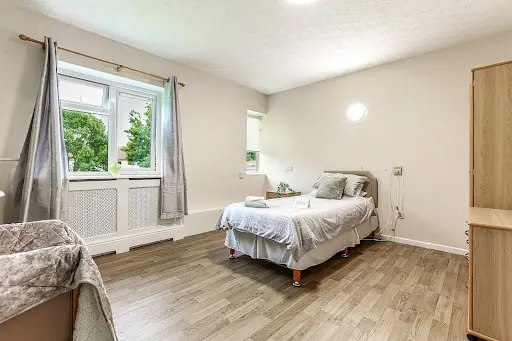
The home maintains high cleanliness standards throughout, with families particularly noting how bright and welcoming the spaces feel. Recent changes to the layout suggest ongoing improvements to the physical environment.
“While operational details sometimes need fine-tuning, the genuine care from staff creates a supportive atmosphere for residents facing different challenges.”
DCC does not edit or curate content in this tab. For independently curated information, see The Evidence and DCC Verdict.