Mapleford Nursing Home
At a Glance
The information you need to decide whether this home warrants a closer look.
Nursing homes
Staff warmth score
of reviewers answered yes
Good to know
- Registered beds54
- SpecialismsCaring for adults over 65 yrs, Caring for adults under 65 yrs, Dementia, Mental health conditions, Physical disabilities, Sensory impairment
- Last inspected2023-11-07
Save Mapleford Nursing Home to your shortlist
Keep a running list, add visit notes, and compare homes side-by-side. Free account — it takes a minute.
STAGE 4 — RESEARCHING CARE HOMES
Visit homes. Compare them side by side. Choose with confidence.
Most of us will view care homes the way we view houses, impression, atmosphere, the feeling in the corridor. We go home, try to remember what we saw, and make a permanent decision from a blurred memory.

The DCC shortlist gives every home you visit a structured record: the same twelve questions, answered the same way, every time. When you’re ready to choose, pull any two homes side by side and compare them directly. Same criteria, same evidence, your notes and your scores.
The Evidence
What the review data, the inspection reports, and the dementia-care evidence base tell us about this home.
What families say
Families talk about noticeable changes in their relatives' spirits here. They describe residents who've become more sociable, taking part in activities and outings they'd previously withdrawn from. Several mention how staff help residents maintain their appearance and dignity — those little touches that help someone feel like themselves.
The eight family priority themes
- Staff warmth60
- Compassion & dignity60
- Cleanliness60
- Activities & engagement50
- Food quality50
- Healthcare60
- Management & leadership65
- Resident happiness55
What inspectors found
Inspected 2023-11-07
Is this home safe?
Is the care effective?
The Effective domain was rated Good at the May 2025 inspection, covering training, care planning, healthcare access, and nutrition. The home specialises in dementia, mental health conditions, and physical disabilities, which requires specific staff knowledge and regularly updated care plans. The published inspection summary does not include detail on dementia training content, how frequently care plans are reviewed, how GP access is arranged, or what food and nutrition provision looks like in practice. The Good rating indicates inspectors were satisfied, but families will need to ask for the specifics.Is this home caring?
The Caring domain was rated Good at the May 2025 inspection. This domain covers how staff treat the people who live at the home, including warmth, dignity, respect, and whether residents are supported to maintain independence. Given the home's specialisms, caring practice for people with dementia and mental health conditions requires staff to be skilled in non-verbal communication and in recognising distress. The published inspection summary does not include direct observations of staff behaviour, resident quotes about how they feel treated, or specific examples of dignity in practice. The Good rating indicates inspectors were satisfied, but the detail is not available in the published text.Is the home responsive?
The Responsive domain was rated Good at the May 2025 inspection, covering activities, engagement, individuality, and end-of-life care. This domain asks whether the home treats people as individuals and whether residents have a life that has meaning to them. The home cares for a broad range of people, including those with dementia, mental health conditions, and physical disabilities, which makes individualised activity provision particularly important. The published inspection summary does not describe the activity programme, one-to-one engagement provision, or how the home approaches end-of-life planning. Families will need to ask about all of these directly.Is the home well-led?
The Well-led domain was rated Good at the May 2025 inspection, and the home has a named registered manager (Mrs Julie Hammond) and a nominated individual (Mr Harivathanan Vivekanantharajah) responsible for oversight. This is a significant improvement context: the home previously held an Inadequate overall rating, and achieving Good across all domains including Well-led indicates that leadership and governance have strengthened. However, the published inspection summary does not include detail on how the home learns from incidents, how staff are supported to raise concerns, or what governance systems are in place day to day.
Source: CQC inspection report →
What the evidence base says
The home cares for people with dementia, mental health conditions, physical disabilities and sensory impairments. They support both younger adults under 65 and older residents. For residents living with dementia, families describe staff who understand how to connect with each person individually. The home's approach seems to help some residents maintain their sense of self and stay engaged with life around them. All areas worth probing directly during a visit.
The DCC Verdict
Our editorial view, built from the three lenses: what families tell us, what inspectors record, and how the home sits against good dementia-care practice.
DCC Family Score
Mapleford Nursing Home was rated Good across all five inspection domains at its most recent assessment in May 2025, which is a meaningful improvement from a previous Inadequate rating. However, because the published report text shared for this analysis contains very little specific detail, most themes score in the mid-range: the Good ratings are real, but the evidence available to families does not yet include the direct observations, quotes, or specific examples that would push scores higher.
Homes in North West typically score 68–82.The three-lens summary
What families tell us
Families talk about noticeable changes in their relatives' spirits here. They describe residents who've become more sociable, taking part in activities and outings they'd previously withdrawn from. Several mention how staff help residents maintain their appearance and dignity — those little touches that help someone feel like themselves.
What inspectors have recorded
Families particularly value how staff keep them connected to their relatives' daily lives. They describe receiving regular updates and photos, especially when visiting was difficult. Several people mention individual staff members who've formed genuine bonds with residents, providing consistent, thoughtful care. While experiences vary, and some families have raised concerns about care standards, many describe staff who truly know and understand their relatives.
How it sits against good practice
Every family's experience is unique, and it's worth taking time to understand how any home might suit your loved one's particular needs.
Worth a visit
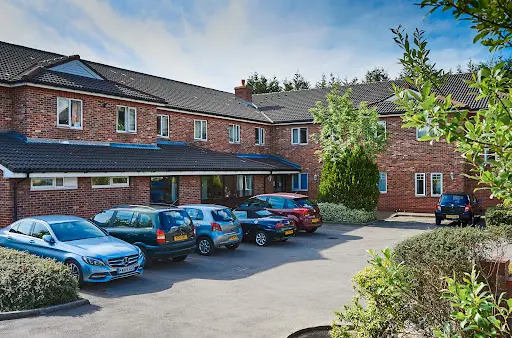
Mapleford Nursing Home, on Bolton Avenue in Accrington, was assessed in May 2025 and rated Good across all five inspection domains: Safe, Effective, Caring, Responsive, and Well-led. This is a significant positive development for a home that had previously been rated Inadequate overall. The inspection confirmed a named registered manager and a nominated individual responsible for governance, and the Good ratings across every domain indicate that inspectors were satisfied with safety, care quality, staffing, and leadership at the time of the visit. The main limitation for families reading this report is that the published inspection summary contains very little specific detail. There are no direct observations of staff behaviour, no resident or family quotes, and no figures on staffing ratios, agency use, or activity provision. A Good rating is meaningful, but it is a starting point rather than a complete picture. When you visit, ask the manager to show you the actual staffing rota for a recent week (not a template), ask how often care plans are reviewed and whether you would be invited to take part, and observe for yourself whether staff interact with residents in an unhurried, warm way. The improvement from Inadequate to Good is encouraging, and the right questions on a visit will help you judge whether it is the right home for your parent.
The three questions to ask when you visitSave this home. Compare it against your shortlist.
Let our analysis show you how Mapleford Nursing Home measures up against the other homes you’re considering. Free account.
In Their Own Words
How Mapleford Nursing Home describes itself — collected from its own website. DCC has not edited or independently verified the content in this tab.
Where residents rediscover everyday joys and family connections
Dedicated nursing home Support in Accrington
Some moments matter more than others — a resident getting their hair done just how they like it, joining friends for a trip to the garden centre, or simply feeling excited about the day ahead. At Mapleford Nursing home in Accrington, families describe watching their loved ones reconnect with these everyday pleasures. The home supports adults of all ages with various needs, from dementia to physical disabilities.
Who they care for
The home cares for people with dementia, mental health conditions, physical disabilities and sensory impairments. They support both younger adults under 65 and older residents.
For residents living with dementia, families describe staff who understand how to connect with each person individually. The home's approach seems to help some residents maintain their sense of self and stay engaged with life around them.
“Every family's experience is unique, and it's worth taking time to understand how any home might suit your loved one's particular needs.”
DCC does not edit or curate content in this tab. For independently curated information, see The Evidence and DCC Verdict.
The DCC Verdict
Our editorial view, built from the three lenses: what families tell us, what inspectors record, and how the home sits against good dementia-care practice.
DCC Family Score
Mapleford Nursing Home was rated Good across all five inspection domains at its most recent assessment in May 2025, which is a meaningful improvement from a previous Inadequate rating. However, because the published report text shared for this analysis contains very little specific detail, most themes score in the mid-range: the Good ratings are real, but the evidence available to families does not yet include the direct observations, quotes, or specific examples that would push scores higher.
Homes in North West typically score 68–82.The three-lens summary
What families tell us
Families talk about noticeable changes in their relatives' spirits here. They describe residents who've become more sociable, taking part in activities and outings they'd previously withdrawn from. Several mention how staff help residents maintain their appearance and dignity — those little touches that help someone feel like themselves.
What inspectors have recorded
Families particularly value how staff keep them connected to their relatives' daily lives. They describe receiving regular updates and photos, especially when visiting was difficult. Several people mention individual staff members who've formed genuine bonds with residents, providing consistent, thoughtful care. While experiences vary, and some families have raised concerns about care standards, many describe staff who truly know and understand their relatives.
How it sits against good practice
Every family's experience is unique, and it's worth taking time to understand how any home might suit your loved one's particular needs.
Worth a visit
Mapleford Nursing Home, on Bolton Avenue in Accrington, was assessed in May 2025 and rated Good across all five inspection domains: Safe, Effective, Caring, Responsive, and Well-led. This is a significant positive development for a home that had previously been rated Inadequate overall. The inspection confirmed a named registered manager and a nominated individual responsible for governance, and the Good ratings across every domain indicate that inspectors were satisfied with safety, care quality, staffing, and leadership at the time of the visit. The main limitation for families reading this report is that the published inspection summary contains very little specific detail. There are no direct observations of staff behaviour, no resident or family quotes, and no figures on staffing ratios, agency use, or activity provision. A Good rating is meaningful, but it is a starting point rather than a complete picture. When you visit, ask the manager to show you the actual staffing rota for a recent week (not a template), ask how often care plans are reviewed and whether you would be invited to take part, and observe for yourself whether staff interact with residents in an unhurried, warm way. The improvement from Inadequate to Good is encouraging, and the right questions on a visit will help you judge whether it is the right home for your parent.
The three questions to ask when you visitSave this home. Compare it against your shortlist.
Let our analysis show you how Mapleford Nursing Home measures up against the other homes you’re considering. Free account.
In Their Own Words
How Mapleford Nursing Home describes itself — collected from its own website. DCC has not edited or independently verified the content in this tab.
Where residents rediscover everyday joys and family connections
Dedicated nursing home Support in Accrington
Some moments matter more than others — a resident getting their hair done just how they like it, joining friends for a trip to the garden centre, or simply feeling excited about the day ahead. At Mapleford Nursing home in Accrington, families describe watching their loved ones reconnect with these everyday pleasures. The home supports adults of all ages with various needs, from dementia to physical disabilities.
Who they care for
The home cares for people with dementia, mental health conditions, physical disabilities and sensory impairments. They support both younger adults under 65 and older residents.
For residents living with dementia, families describe staff who understand how to connect with each person individually. The home's approach seems to help some residents maintain their sense of self and stay engaged with life around them.
Management & ethos
Families particularly value how staff keep them connected to their relatives' daily lives. They describe receiving regular updates and photos, especially when visiting was difficult. Several people mention individual staff members who've formed genuine bonds with residents, providing consistent, thoughtful care. While experiences vary, and some families have raised concerns about care standards, many describe staff who truly know and understand their relatives.
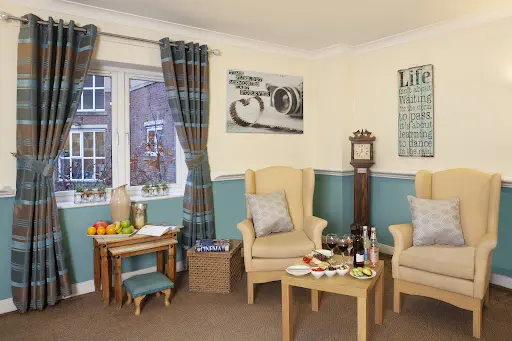
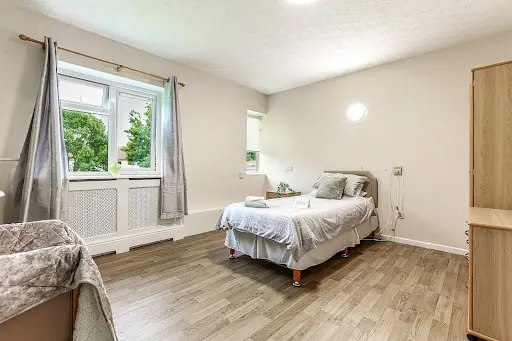
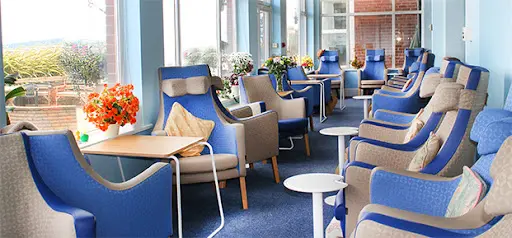
The home & environment
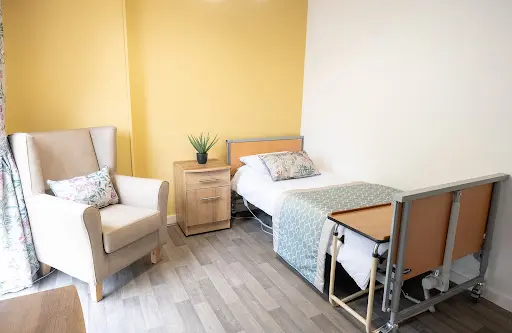
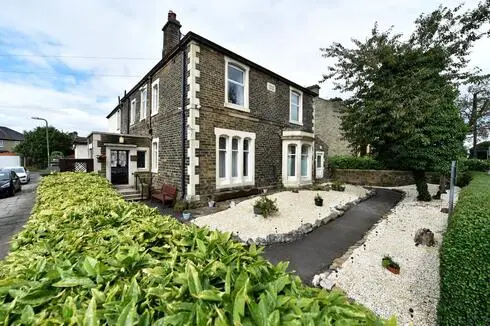
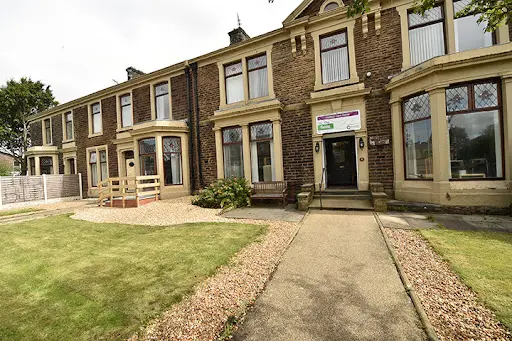
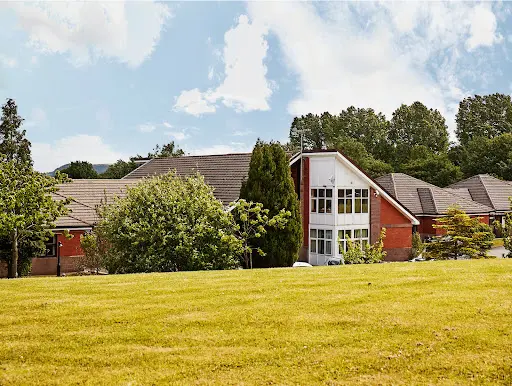
The home arranges regular trips out, which families say their relatives genuinely look forward to. Residents enjoy visits from hairdressers and other personal care services. These everyday pleasures seem to make a real difference to how people feel about their days.
“Every family's experience is unique, and it's worth taking time to understand how any home might suit your loved one's particular needs.”
DCC does not edit or curate content in this tab. For independently curated information, see The Evidence and DCC Verdict.