Angel Mount Care Home
At a Glance
The information you need to decide whether this home warrants a closer look.
Nursing homes
Staff warmth score
of reviewers answered yes
Good to know
- Registered beds39
- SpecialismsDementia, Mental health conditions, Physical disabilities, Sensory impairment
- Last inspected2023-05-23
Save Angel Mount Care Home to your shortlist
Keep a running list, add visit notes, and compare homes side-by-side. Free account — it takes a minute.
STAGE 4 — RESEARCHING CARE HOMES
Visit homes. Compare them side by side. Choose with confidence.
Most of us will view care homes the way we view houses, impression, atmosphere, the feeling in the corridor. We go home, try to remember what we saw, and make a permanent decision from a blurred memory.

The DCC shortlist gives every home you visit a structured record: the same twelve questions, answered the same way, every time. When you’re ready to choose, pull any two homes side by side and compare them directly. Same criteria, same evidence, your notes and your scores.
The Evidence
What the review data, the inspection reports, and the dementia-care evidence base tell us about this home.
What families say
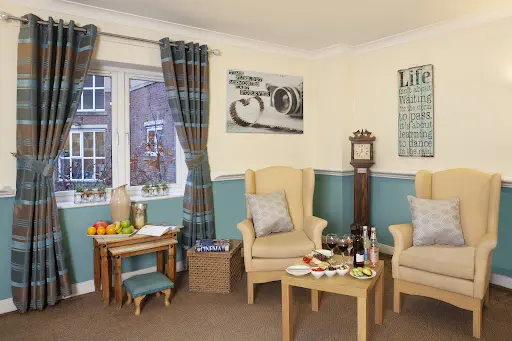
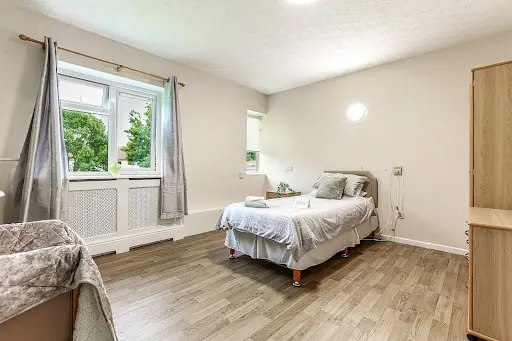
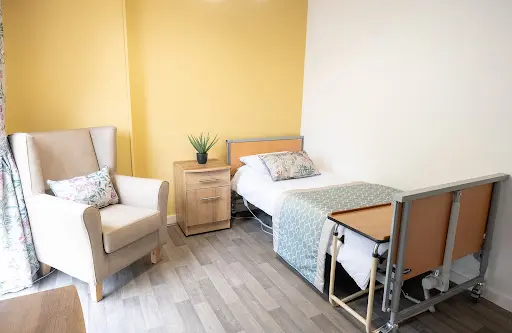
Visitors often notice how rooms reflect residents' own stories, with personal decorations that support memory and identity. The home organises regular entertainment — musicians visit, there's dancing and movement therapy, and residents enjoy activities from jigsaws to soft ball games. Several families mention how these familiar activities help their relatives engage and find joy in their day.
The eight family priority themes
- Staff warmth55
- Compassion & dignity55
- Cleanliness60
- Activities & engagement50
- Food quality50
- Healthcare55
- Management & leadership60
- Resident happiness55
What inspectors found
Inspected 2023-05-23
Is this home safe?
Is the care effective?
The October 2024 assessment awarded Good for Effective, but the full report text was not available for analysis at the time this Family View was produced. No specific inspector observations about care plan quality, dementia training content, GP access, medication reviews, or nutritional support were available. The home declares dementia as a specialism, which carries a registration expectation of relevant staff competence, but the detail behind that cannot be confirmed from the available material.Is this home caring?
The October 2024 assessment awarded Good for Caring, but the supporting report text was not available for detailed analysis. No inspector observations about staff warmth, use of preferred names, unhurried interactions, or response to distress were available for review. The absence of specific evidence does not mean these things are absent in practice, but it does mean you cannot rely on published findings to answer these questions.Is the home responsive?
The October 2024 assessment awarded Good for Responsive, but the full report text was not available for analysis. No inspector observations about the activity programme, one-to-one engagement, end-of-life planning, or how individual preferences are acted upon were available for review. The home's declared specialism in dementia implies an expectation that activities are adapted for people at different stages of the condition, but this cannot be confirmed from the available material.Is the home well-led?
The October 2024 assessment awarded Good for Well-led, but the full report text was not available for detailed analysis. The registration record names a Registered Manager and a Nominated Individual, indicating a formal leadership structure is in place. The home is operated by Guardian Health Care PVT LTD. No specific inspector observations about management visibility, staff culture, quality governance, or incident learning were available for review.
Source: CQC inspection report →
What the evidence base says
The home provides specialist support for people living with dementia, mental health conditions, physical disabilities and sensory impairments. Staff work across language barriers when needed, adapting their communication to each resident's abilities. For residents with dementia, the personalised room designs help maintain connection to their past, while structured activities and movement therapy provide gentle stimulation. Carers are trained in person-centred techniques for managing the distress and confusion that dementia can bring. All areas worth probing directly during a visit.
The DCC Verdict
Our editorial view, built from the three lenses: what families tell us, what inspectors record, and how the home sits against good dementia-care practice.
DCC Family Score
Angel Mount Care Home carries a historic 'Requires Improvement' rating from its only published inspection in May 2023, though a more recent assessment dated October 2024 awarded Good across all five domains. Because the October 2024 report text was not available for detailed analysis, scores reflect the limited evidence base rather than confirmed strengths.
Homes in North West typically score 68–82.The three-lens summary
What families tell us
Visitors often notice how rooms reflect residents' own stories, with personal decorations that support memory and identity. The home organises regular entertainment — musicians visit, there's dancing and movement therapy, and residents enjoy activities from jigsaws to soft ball games. Several families mention how these familiar activities help their relatives engage and find joy in their day.
What inspectors have recorded
Senior staff make themselves available when families need to discuss medication changes or care planning, actively involving relatives in decisions. When residents show distress or challenging behaviours, carers use patient de-escalation techniques that families say prevent situations from escalating. The team includes staff who speak multiple languages, which some families find helps residents feel understood.
How it sits against good practice
Understanding someone's life story takes patience and genuine interest — qualities that shape the most meaningful care.
Worth a visit
Angel Mount Care Home in Accrington holds a 'Requires Improvement' overall rating from its first published inspection in May 2023, though a more recent assessment carried out in October 2024 awarded Good across all five domains. The October 2024 report had not been made available in a form that allowed detailed analysis at the time this Family View was produced, which means the scores and observations here are based on limited evidence rather than confirmed, specific findings. Before visiting, be aware that this home is registered for 39 beds and declares specialisms in dementia, mental health conditions, physical disabilities, and sensory impairment. That breadth of specialism is worth exploring in person. Ask the manager how many of the current residents are living with dementia, what dementia-specific training staff hold, and what the permanent-to-agency staffing ratio looks like on night shifts. The October 2024 Good ratings are encouraging, but until the full report is available for families to read, a thorough visit using the checklist questions below is the most reliable way to form your own view.
The three questions to ask when you visitSave this home. Compare it against your shortlist.
Let our analysis show you how Angel Mount Care Home measures up against the other homes you’re considering. Free account.
In Their Own Words
How Angel Mount Care Home describes itself — collected from its own website. DCC has not edited or independently verified the content in this tab.
Where personal histories shape everyday care in Accrington
Angel Mount Care Home – Your Trusted nursing home
When someone you love needs specialist dementia or mental health support, finding care that truly understands their unique history matters deeply. Angel Mount Care Home in Accrington takes time to learn who residents were before they arrived — decorating rooms with familiar touches and building daily routines around individual preferences. Families describe watching their relatives respond to familiar music, join in with visiting entertainers, and find moments of connection through patient, person-centred approaches.
Who they care for
The home provides specialist support for people living with dementia, mental health conditions, physical disabilities and sensory impairments. Staff work across language barriers when needed, adapting their communication to each resident's abilities.
For residents with dementia, the personalised room designs help maintain connection to their past, while structured activities and movement therapy provide gentle stimulation. Carers are trained in person-centred techniques for managing the distress and confusion that dementia can bring.
“Understanding someone's life story takes patience and genuine interest — qualities that shape the most meaningful care.”
DCC does not edit or curate content in this tab. For independently curated information, see The Evidence and DCC Verdict.
The DCC Verdict
Our editorial view, built from the three lenses: what families tell us, what inspectors record, and how the home sits against good dementia-care practice.
DCC Family Score
Angel Mount Care Home carries a historic 'Requires Improvement' rating from its only published inspection in May 2023, though a more recent assessment dated October 2024 awarded Good across all five domains. Because the October 2024 report text was not available for detailed analysis, scores reflect the limited evidence base rather than confirmed strengths.
Homes in North West typically score 68–82.The three-lens summary
What families tell us
Visitors often notice how rooms reflect residents' own stories, with personal decorations that support memory and identity. The home organises regular entertainment — musicians visit, there's dancing and movement therapy, and residents enjoy activities from jigsaws to soft ball games. Several families mention how these familiar activities help their relatives engage and find joy in their day.
What inspectors have recorded
Senior staff make themselves available when families need to discuss medication changes or care planning, actively involving relatives in decisions. When residents show distress or challenging behaviours, carers use patient de-escalation techniques that families say prevent situations from escalating. The team includes staff who speak multiple languages, which some families find helps residents feel understood.
How it sits against good practice
Understanding someone's life story takes patience and genuine interest — qualities that shape the most meaningful care.
Worth a visit
Angel Mount Care Home in Accrington holds a 'Requires Improvement' overall rating from its first published inspection in May 2023, though a more recent assessment carried out in October 2024 awarded Good across all five domains. The October 2024 report had not been made available in a form that allowed detailed analysis at the time this Family View was produced, which means the scores and observations here are based on limited evidence rather than confirmed, specific findings. Before visiting, be aware that this home is registered for 39 beds and declares specialisms in dementia, mental health conditions, physical disabilities, and sensory impairment. That breadth of specialism is worth exploring in person. Ask the manager how many of the current residents are living with dementia, what dementia-specific training staff hold, and what the permanent-to-agency staffing ratio looks like on night shifts. The October 2024 Good ratings are encouraging, but until the full report is available for families to read, a thorough visit using the checklist questions below is the most reliable way to form your own view.
The three questions to ask when you visitSave this home. Compare it against your shortlist.
Let our analysis show you how Angel Mount Care Home measures up against the other homes you’re considering. Free account.
In Their Own Words
How Angel Mount Care Home describes itself — collected from its own website. DCC has not edited or independently verified the content in this tab.
Where personal histories shape everyday care in Accrington
Angel Mount Care Home – Your Trusted nursing home
When someone you love needs specialist dementia or mental health support, finding care that truly understands their unique history matters deeply. Angel Mount Care Home in Accrington takes time to learn who residents were before they arrived — decorating rooms with familiar touches and building daily routines around individual preferences. Families describe watching their relatives respond to familiar music, join in with visiting entertainers, and find moments of connection through patient, person-centred approaches.
Who they care for
The home provides specialist support for people living with dementia, mental health conditions, physical disabilities and sensory impairments. Staff work across language barriers when needed, adapting their communication to each resident's abilities.
For residents with dementia, the personalised room designs help maintain connection to their past, while structured activities and movement therapy provide gentle stimulation. Carers are trained in person-centred techniques for managing the distress and confusion that dementia can bring.
Management & ethos
Senior staff make themselves available when families need to discuss medication changes or care planning, actively involving relatives in decisions. When residents show distress or challenging behaviours, carers use patient de-escalation techniques that families say prevent situations from escalating. The team includes staff who speak multiple languages, which some families find helps residents feel understood.
The home & environment
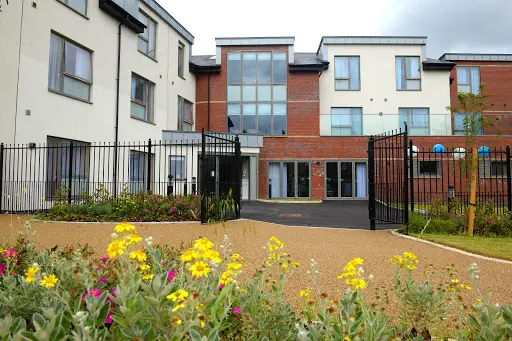
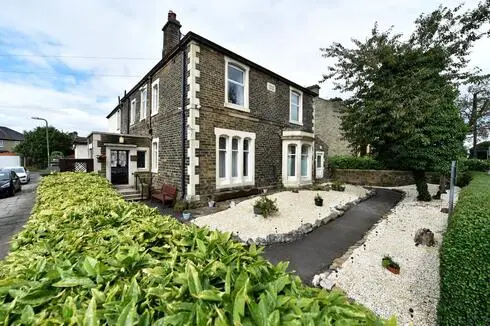
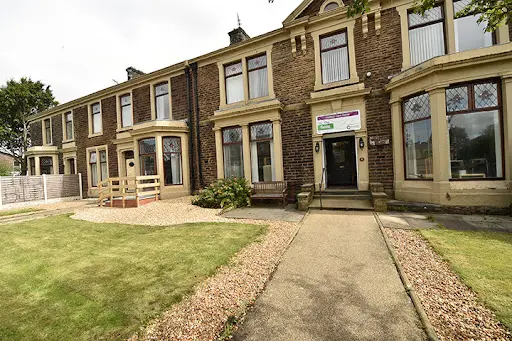
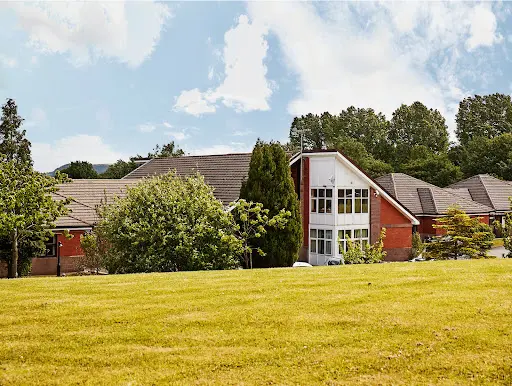
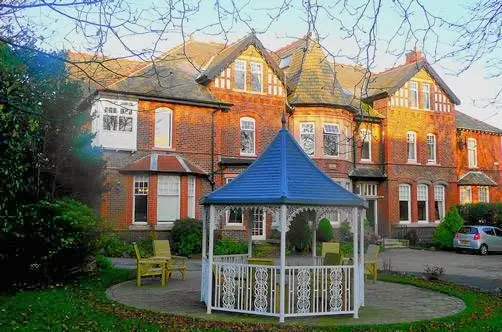
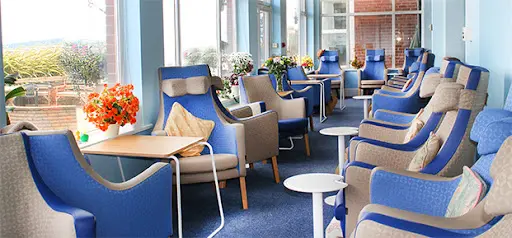
The multi-course meals arrive well-presented, with kitchen staff adapting timings for residents who need longer to eat or have varying appetites. Families consistently describe clean, well-maintained surroundings throughout the building. There's also spiritual support available, with a Eucharistic Minister visiting those who find comfort in faith.
“Understanding someone's life story takes patience and genuine interest — qualities that shape the most meaningful care.”
DCC does not edit or curate content in this tab. For independently curated information, see The Evidence and DCC Verdict.