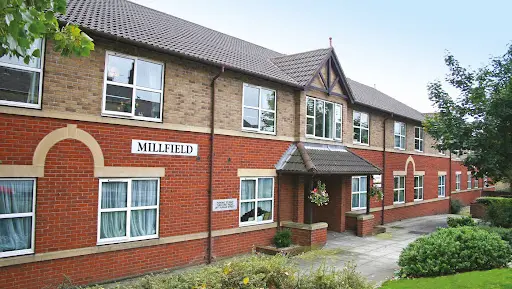
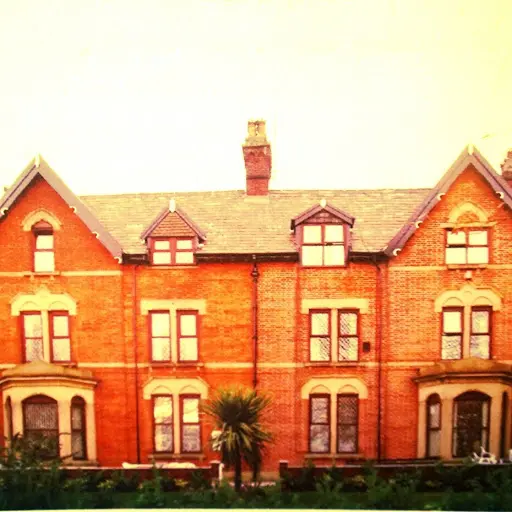
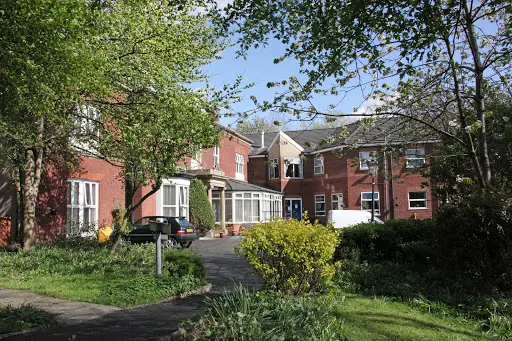
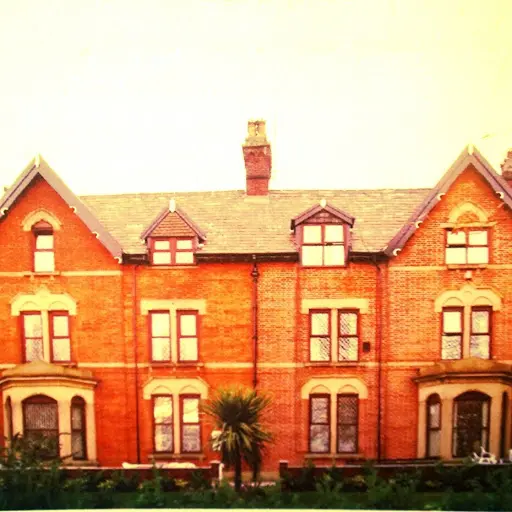
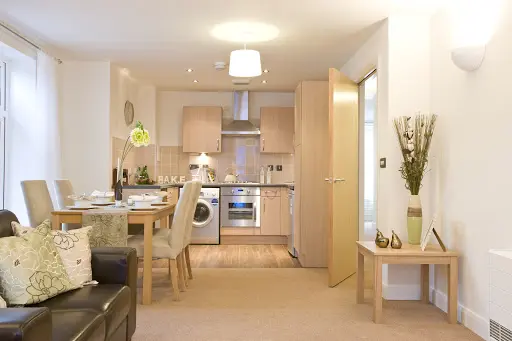
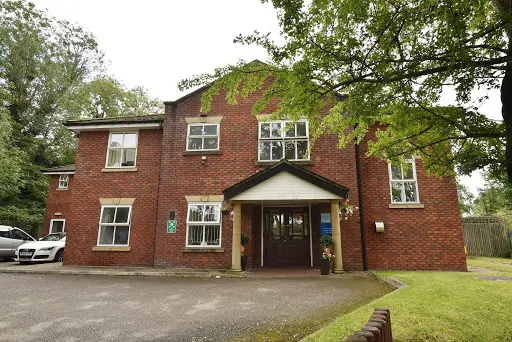
Millfield care home, Oldham
At a Glance
The information you need to decide whether this home warrants a closer look.
Residential homes
Staff warmth score
of reviewers answered yes
Good to know
- Registered beds38
- SpecialismsCaring for adults over 65 yrs, Dementia
- Last inspected2023-09-26
Save Millfield care home, Oldham to your shortlist
Keep a running list, add visit notes, and compare homes side-by-side. Free account — it takes a minute.
STAGE 4 — RESEARCHING CARE HOMES
Visit homes. Compare them side by side. Choose with confidence.
Most of us will view care homes the way we view houses, impression, atmosphere, the feeling in the corridor. We go home, try to remember what we saw, and make a permanent decision from a blurred memory.

The DCC shortlist gives every home you visit a structured record: the same twelve questions, answered the same way, every time. When you’re ready to choose, pull any two homes side by side and compare them directly. Same criteria, same evidence, your notes and your scores.
The Evidence
What the review data, the inspection reports, and the dementia-care evidence base tell us about this home.
What families say
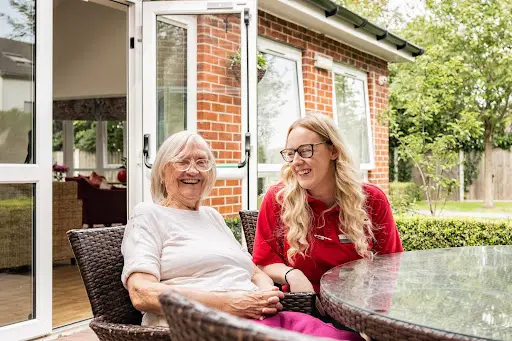
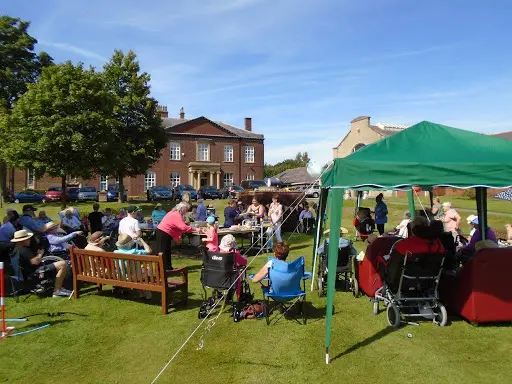
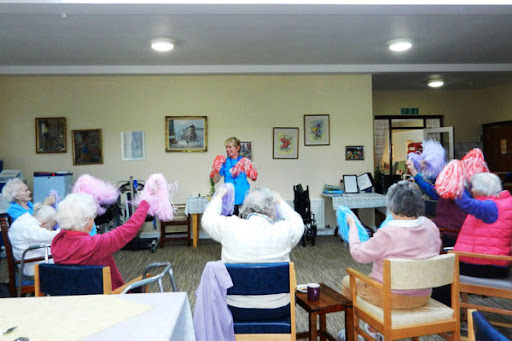
Families describe seeing their relatives settle in and thrive here, with staff who remember the little things that matter. The atmosphere feels bright and welcoming, with regular activities and seasonal celebrations that keep residents engaged throughout the year.
The eight family priority themes
- Staff warmth55
- Compassion & dignity55
- Cleanliness55
- Activities & engagement50
- Food quality50
- Healthcare55
- Management & leadership60
- Resident happiness55
What inspectors found
Inspected 2023-09-26
Is this home safe?
Is the care effective?
Millfield received a Good rating for Effectiveness at its September 2023 inspection. This domain covers whether staff have the right training, whether care plans reflect individuals' needs and preferences, and whether the home coordinates effectively with GPs and other health professionals. No specific detail about training content, care plan quality, GP access arrangements, or food provision is recorded in the available inspection text. The dementia specialism registration means the home is expected to demonstrate dementia-specific competence, but no examples of this are described.Is this home caring?
Millfield received a Good rating for Caring at its September 2023 inspection. This is the domain most directly concerned with whether staff treat your parent with warmth, dignity, and genuine respect. No specific inspector observations, resident quotes, or family testimony are recorded in the available inspection text. A Good Caring rating cannot be awarded without inspectors seeing or hearing evidence of kind interactions, but the details of what they observed are not in the published findings.Is the home responsive?
Millfield received a Good rating for Responsiveness at its September 2023 inspection. This domain covers whether residents have a meaningful life in the home, including activities, individual engagement, and end-of-life planning. No specific detail about the activities programme, individual engagement for people with advanced dementia, or end-of-life care arrangements is recorded in the available inspection text. The home's dementia specialism registration implies a responsibility to provide individually tailored engagement, but no examples are described.Is the home well-led?
Millfield received a Good rating for Well-led at its September 2023 inspection. A named registered manager, Kelly Eileen Paula Phillips-Matthews, and a nominated individual, Daniel Ryan, are recorded. The home is operated by Anchor Hanover Group, one of the largest not-for-profit care providers in the UK. A Good Well-led rating indicates inspectors were satisfied that governance systems were functioning and that the management culture supported good care. No specific detail about management visibility, staff culture, or governance processes is recorded in the published text.
Source: CQC inspection report →
What the evidence base says
The team specialises in dementia care for people over 65. Staff show genuine understanding of how dementia affects each person differently, taking time to build relationships and find ways to connect with residents on their terms. All areas worth probing directly during a visit.
The DCC Verdict
Our editorial view, built from the three lenses: what families tell us, what inspectors record, and how the home sits against good dementia-care practice.
DCC Family Score
Millfield received a Good rating across all five inspection domains, which is a solid baseline. However, the published inspection text contains very little specific detail, so scores reflect the rating rather than direct observations, quotes, or recorded examples.
Homes in North West typically score 68–82.The three-lens summary
What families tell us
Families describe seeing their relatives settle in and thrive here, with staff who remember the little things that matter. The atmosphere feels bright and welcoming, with regular activities and seasonal celebrations that keep residents engaged throughout the year.
What inspectors have recorded
Staff numbers appear generous, which families say makes a real difference to the quality of care. Being run as a charity means any profits go back into improving the service rather than to shareholders.
How it sits against good practice
As with any care decision, visiting and asking your own questions will help you decide if this could be the right place for your family.
Worth a visit
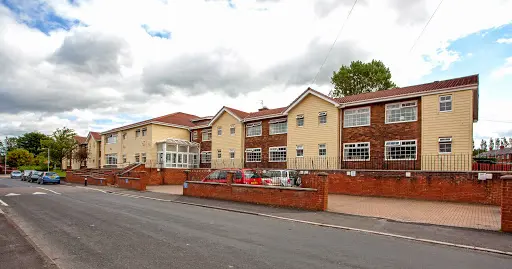
Millfield, on Huddersfield Road in Oldham, was rated Good across all five inspection domains at its last assessment in September 2023. The home is run by Anchor Hanover Group, a large national provider, and has a registered manager and nominated individual in place. With 38 beds and a registered dementia specialism, it sits in a category where consistent, knowledgeable care matters enormously. The main uncertainty here is that the published inspection text contains very little specific detail: no direct observations, no resident or family quotes, and no recorded examples of care in practice. A Good rating is genuinely encouraging, but it tells you the home met the standard at a single point in time. Before making a decision, visit in person, ask to see the staffing rota for a recent week (including nights), and ask the manager about dementia training, activity provision, and how the home keeps families informed when things change.
The three questions to ask when you visitSave this home. Compare it against your shortlist.
Let our analysis show you how Millfield care home, Oldham measures up against the other homes you’re considering. Free account.
In Their Own Words
How Millfield care home, Oldham describes itself — collected from its own website. DCC has not edited or independently verified the content in this tab.
Where kindness meets careful attention to individual needs
Dedicated residential home Support in Oldham
Choosing dementia care can feel overwhelming, but families visiting Millfield in Oldham often notice how staff take time to understand each resident as a person. This charity-run home focuses on creating connections that go beyond daily care routines. The home accepts residents over 65 who need dementia support.
Who they care for
The team specialises in dementia care for people over 65.
Staff show genuine understanding of how dementia affects each person differently, taking time to build relationships and find ways to connect with residents on their terms.
“As with any care decision, visiting and asking your own questions will help you decide if this could be the right place for your family.”
DCC does not edit or curate content in this tab. For independently curated information, see The Evidence and DCC Verdict.
The DCC Verdict
Our editorial view, built from the three lenses: what families tell us, what inspectors record, and how the home sits against good dementia-care practice.
DCC Family Score
Millfield received a Good rating across all five inspection domains, which is a solid baseline. However, the published inspection text contains very little specific detail, so scores reflect the rating rather than direct observations, quotes, or recorded examples.
Homes in North West typically score 68–82.The three-lens summary
What families tell us
Families describe seeing their relatives settle in and thrive here, with staff who remember the little things that matter. The atmosphere feels bright and welcoming, with regular activities and seasonal celebrations that keep residents engaged throughout the year.
What inspectors have recorded
Staff numbers appear generous, which families say makes a real difference to the quality of care. Being run as a charity means any profits go back into improving the service rather than to shareholders.
How it sits against good practice
As with any care decision, visiting and asking your own questions will help you decide if this could be the right place for your family.
Worth a visit
Millfield, on Huddersfield Road in Oldham, was rated Good across all five inspection domains at its last assessment in September 2023. The home is run by Anchor Hanover Group, a large national provider, and has a registered manager and nominated individual in place. With 38 beds and a registered dementia specialism, it sits in a category where consistent, knowledgeable care matters enormously. The main uncertainty here is that the published inspection text contains very little specific detail: no direct observations, no resident or family quotes, and no recorded examples of care in practice. A Good rating is genuinely encouraging, but it tells you the home met the standard at a single point in time. Before making a decision, visit in person, ask to see the staffing rota for a recent week (including nights), and ask the manager about dementia training, activity provision, and how the home keeps families informed when things change.
The three questions to ask when you visitSave this home. Compare it against your shortlist.
Let our analysis show you how Millfield care home, Oldham measures up against the other homes you’re considering. Free account.
In Their Own Words
How Millfield care home, Oldham describes itself — collected from its own website. DCC has not edited or independently verified the content in this tab.
Where kindness meets careful attention to individual needs
Dedicated residential home Support in Oldham
Choosing dementia care can feel overwhelming, but families visiting Millfield in Oldham often notice how staff take time to understand each resident as a person. This charity-run home focuses on creating connections that go beyond daily care routines. The home accepts residents over 65 who need dementia support.
Who they care for
The team specialises in dementia care for people over 65.
Staff show genuine understanding of how dementia affects each person differently, taking time to build relationships and find ways to connect with residents on their terms.
Management & ethos
Staff numbers appear generous, which families say makes a real difference to the quality of care. Being run as a charity means any profits go back into improving the service rather than to shareholders.
The home & environment
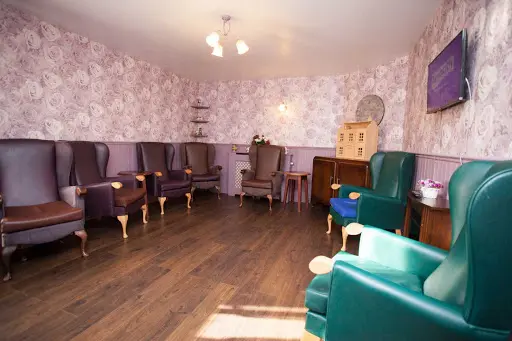
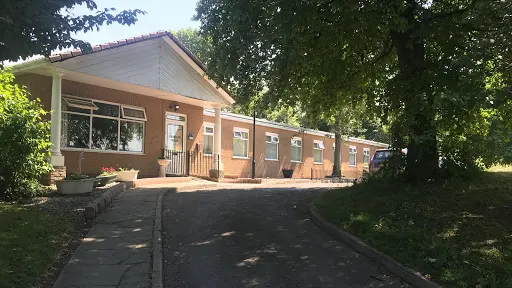
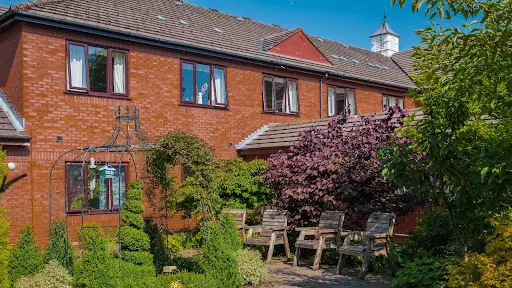
The home maintains high standards of cleanliness, with families commenting on how fresh and bright the spaces feel. Meals are thoughtfully presented, and there's attention to creating an environment where residents feel comfortable.
“As with any care decision, visiting and asking your own questions will help you decide if this could be the right place for your family.”
DCC does not edit or curate content in this tab. For independently curated information, see The Evidence and DCC Verdict.