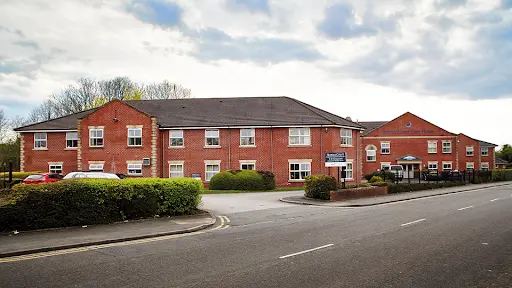
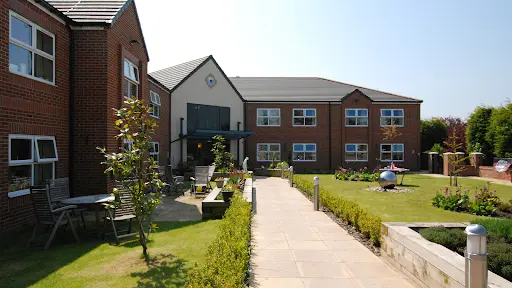
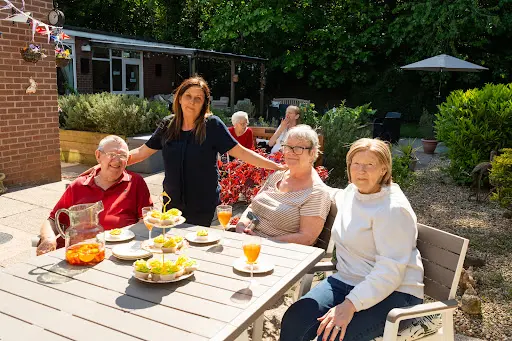
St Quentin Residential Homes Ltd

At a Glance
The information you need to decide whether this home warrants a closer look.
Nursing homes
Staff warmth score
of reviewers answered yes
Good to know
- Registered beds73
- SpecialismsCaring for adults over 65 yrs, Caring for adults under 65 yrs, Dementia, Physical disabilities, Sensory impairment
- Last inspected2024-02-01
Save St Quentin Residential Homes Ltd to your shortlist
Keep a running list, add visit notes, and compare homes side-by-side. Free account — it takes a minute.
STAGE 4 — RESEARCHING CARE HOMES
Visit homes. Compare them side by side. Choose with confidence.
Most of us will view care homes the way we view houses, impression, atmosphere, the feeling in the corridor. We go home, try to remember what we saw, and make a permanent decision from a blurred memory.

The DCC shortlist gives every home you visit a structured record: the same twelve questions, answered the same way, every time. When you’re ready to choose, pull any two homes side by side and compare them directly. Same criteria, same evidence, your notes and your scores.
The Evidence
What the review data, the inspection reports, and the dementia-care evidence base tell us about this home.
What families say
The eight family priority themes
- Staff warmth70
- Compassion & dignity70
- Cleanliness70
- Activities & engagement60
- Food quality60
- Healthcare70
- Management & leadership45
- Resident happiness65
What inspectors found
Inspected 2024-02-01
Is this home safe?
Is the care effective?
The Effective domain was rated Good at the December 2023 inspection. The home is registered for nursing care and for dementia, physical disabilities, and sensory impairments, indicating it should have systems in place for complex health needs. The published findings do not describe care plan quality, GP access arrangements, dementia training content, or food and nutrition in any detail. No concerns about effectiveness were raised in the published text.Is this home caring?
The Caring domain was rated Good at the December 2023 inspection. The published report does not include specific observations of staff interactions, quotes from residents or relatives about warmth or dignity, or descriptions of how staff support independence. A Good rating in this domain indicates inspectors did not find evidence of poor practice, but the absence of detailed findings makes it difficult to assess the quality of day-to-day interactions.Is the home responsive?
The Responsive domain was rated Good at the December 2023 inspection. The home is registered to care for adults with dementia, physical disabilities, and sensory impairments, suggesting it should have tailored approaches to individual needs. The published findings do not describe the activity programme, how individual preferences are captured, what happens for residents who cannot join group activities, or how end-of-life wishes are recorded. No concerns about responsiveness were identified in the published text.Is the home well-led?
The Well-led domain was rated Requires Improvement at the December 2023 inspection, the only domain not to achieve Good. Mrs Jacinta Mary Greatrex is the registered manager and Mrs Andrea Hayward is the nominated individual. The published report does not explain in detail what specific governance or leadership failings led to this rating. The overall trajectory is positive as the home improved from Requires Improvement overall to Good overall, but leadership quality remains a concern identified by inspectors.
Source: CQC inspection report →
What the evidence base says
The home accepts residents under 65 with physical disabilities alongside older residents, and provides specialist support for sensory impairments. They offer both residential and nursing care levels, with dedicated dementia provision. St Quentin includes dementia care within its services, though families have reported very different experiences of how well residents with dementia are supported and understood by staff. All areas worth probing directly during a visit.
The DCC Verdict
Our editorial view, built from the three lenses: what families tell us, what inspectors record, and how the home sits against good dementia-care practice.
DCC Family Score
St Quentin Senior Living scores 72 out of 100. Four of five inspection domains were rated Good, which is a meaningful improvement from the previous Requires Improvement rating overall, but the Well-led domain remains Requires Improvement, which pulls the score down and raises questions about the sustainability of the progress made.
Homes in West Midlands typically score 68–82.Worth a visit
St Quentin Senior Living at Sandy Lane, Newcastle-under-Lyme was inspected on 5 December 2023 and rated Good overall, published in February 2024. This marks a genuine improvement from its previous Requires Improvement rating, with Safe, Effective, Caring, and Responsive all assessed as Good. The home is a 73-bed nursing home registered to care for people with dementia, physical disabilities, sensory impairments, and adults of varying ages, which means it serves a complex mix of needs. The important caveat is that Well-led remains rated Requires Improvement, which means inspectors found governance, management accountability, or leadership quality to be not yet consistently good. Leadership quality is the strongest predictor of whether a home sustains its improvements or slides back. On your visit, ask the manager how long they have been in post, what specific changes were made since the last inspection, and how staff are supported to raise concerns. The published report contains limited detail beyond ratings and registration information, so you will need to ask the home directly about staffing levels, activity programmes, dementia-specific training, and how they communicate with families.
The three questions to ask when you visitSave this home. Compare it against your shortlist.
Let our analysis show you how St Quentin Residential Homes Ltd measures up against the other homes you’re considering. Free account.
In Their Own Words
How St Quentin Residential Homes Ltd describes itself — collected from its own website. DCC has not edited or independently verified the content in this tab.
Complex care in Newcastle Under Lyme with specialist support teams
St Quentin Senior Living, Residential & Nursing Homes – Your Trusted nursing home
St Quentin Senior Living in Newcastle Under Lyme provides residential and nursing care across multiple units, supporting residents with varied needs including dementia and physical disabilities. The home works with families during difficult transitions, though experiences here have varied significantly. Some families describe compassionate end-of-life support, while others have raised serious concerns that led to safeguarding involvement.
Who they care for
The home accepts residents under 65 with physical disabilities alongside older residents, and provides specialist support for sensory impairments. They offer both residential and nursing care levels, with dedicated dementia provision.
St Quentin includes dementia care within its services, though families have reported very different experiences of how well residents with dementia are supported and understood by staff.
“Given the mixed feedback about St Quentin, visiting in person and asking specific questions about care protocols will help you understand if this is the right environment for your family member.”
DCC does not edit or curate content in this tab. For independently curated information, see The Evidence and DCC Verdict.
The DCC Verdict
Our editorial view, built from the three lenses: what families tell us, what inspectors record, and how the home sits against good dementia-care practice.
DCC Family Score
St Quentin Senior Living scores 72 out of 100. Four of five inspection domains were rated Good, which is a meaningful improvement from the previous Requires Improvement rating overall, but the Well-led domain remains Requires Improvement, which pulls the score down and raises questions about the sustainability of the progress made.
Homes in West Midlands typically score 68–82.Worth a visit
St Quentin Senior Living at Sandy Lane, Newcastle-under-Lyme was inspected on 5 December 2023 and rated Good overall, published in February 2024. This marks a genuine improvement from its previous Requires Improvement rating, with Safe, Effective, Caring, and Responsive all assessed as Good. The home is a 73-bed nursing home registered to care for people with dementia, physical disabilities, sensory impairments, and adults of varying ages, which means it serves a complex mix of needs. The important caveat is that Well-led remains rated Requires Improvement, which means inspectors found governance, management accountability, or leadership quality to be not yet consistently good. Leadership quality is the strongest predictor of whether a home sustains its improvements or slides back. On your visit, ask the manager how long they have been in post, what specific changes were made since the last inspection, and how staff are supported to raise concerns. The published report contains limited detail beyond ratings and registration information, so you will need to ask the home directly about staffing levels, activity programmes, dementia-specific training, and how they communicate with families.
The three questions to ask when you visitSave this home. Compare it against your shortlist.
Let our analysis show you how St Quentin Residential Homes Ltd measures up against the other homes you’re considering. Free account.
In Their Own Words
How St Quentin Residential Homes Ltd describes itself — collected from its own website. DCC has not edited or independently verified the content in this tab.
Complex care in Newcastle Under Lyme with specialist support teams
St Quentin Senior Living, Residential & Nursing Homes – Your Trusted nursing home
St Quentin Senior Living in Newcastle Under Lyme provides residential and nursing care across multiple units, supporting residents with varied needs including dementia and physical disabilities. The home works with families during difficult transitions, though experiences here have varied significantly. Some families describe compassionate end-of-life support, while others have raised serious concerns that led to safeguarding involvement.
Who they care for
The home accepts residents under 65 with physical disabilities alongside older residents, and provides specialist support for sensory impairments. They offer both residential and nursing care levels, with dedicated dementia provision.
St Quentin includes dementia care within its services, though families have reported very different experiences of how well residents with dementia are supported and understood by staff.
Management & ethos
The care quality at St Quentin has been inconsistent, with some families praising patient, organised staff while others — including healthcare professionals — have reported medication errors and dignity concerns that required external intervention. These contrasting experiences suggest the standard of care may depend on which unit or staff members are involved.
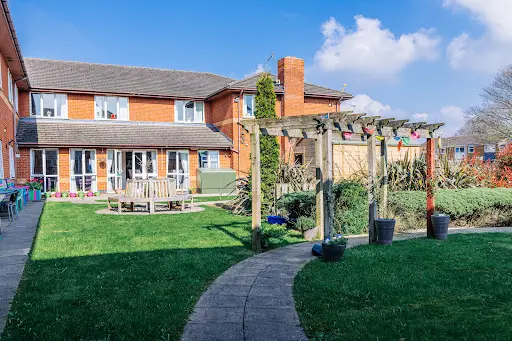
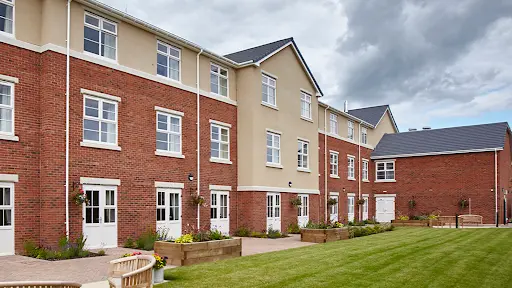
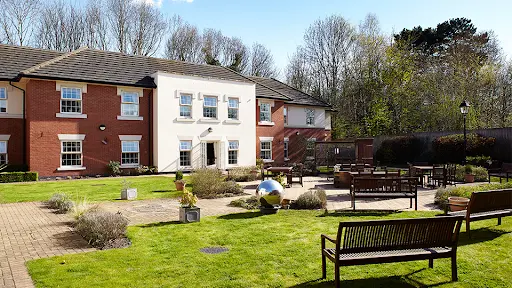
The home & environment
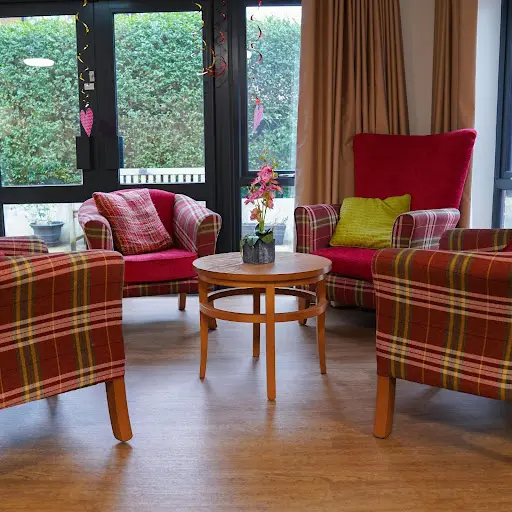
When things go well, families find their relatives clean and well-presented, living in properly maintained surroundings. The home keeps detailed care records and shares updates with families about their loved ones' progress.
“Given the mixed feedback about St Quentin, visiting in person and asking specific questions about care protocols will help you understand if this is the right environment for your family member.”
DCC does not edit or curate content in this tab. For independently curated information, see The Evidence and DCC Verdict.