Horse Fair Care Home
At a Glance
The information you need to decide whether this home warrants a closer look.
Residential homes
Staff warmth score
of reviewers answered yes
Good to know
- Registered beds72
- SpecialismsCaring for adults over 65 yrs, Dementia, Physical disabilities
- Last inspected2019-07-25
Save Horse Fair Care Home to your shortlist
Keep a running list, add visit notes, and compare homes side-by-side. Free account — it takes a minute.
STAGE 4 — RESEARCHING CARE HOMES
Visit homes. Compare them side by side. Choose with confidence.
Most of us will view care homes the way we view houses, impression, atmosphere, the feeling in the corridor. We go home, try to remember what we saw, and make a permanent decision from a blurred memory.

The DCC shortlist gives every home you visit a structured record: the same twelve questions, answered the same way, every time. When you’re ready to choose, pull any two homes side by side and compare them directly. Same criteria, same evidence, your notes and your scores.
The Evidence
What the review data, the inspection reports, and the dementia-care evidence base tell us about this home.
What families say
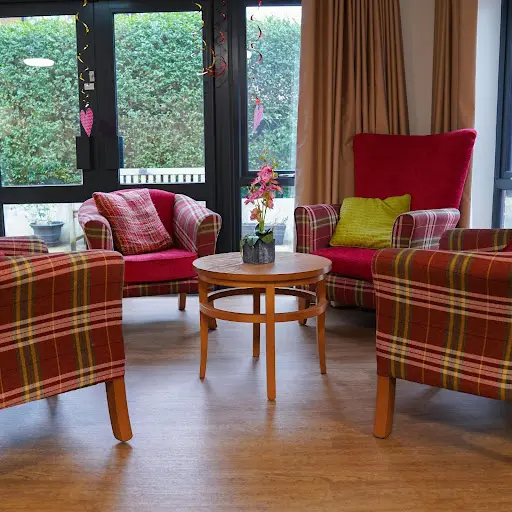
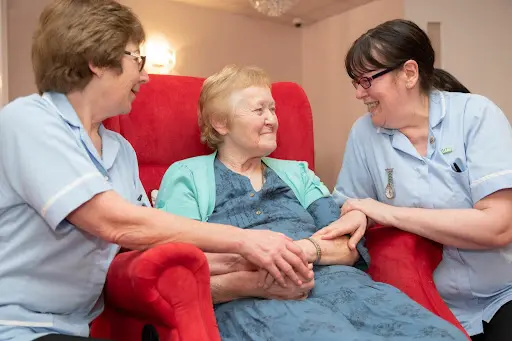
Visitors notice how staff engage with residents as individuals, not just through care tasks but through genuine conversation and recognition. The home maintains an active calendar of entertainment and outings that families say brings energy to daily life. Reception areas feel welcoming rather than clinical, with thoughtful touches like fresh flowers and background music creating a comfortable atmosphere for visits.
The eight family priority themes
- Staff warmth65
- Compassion & dignity65
- Cleanliness65
- Activities & engagement55
- Food quality55
- Healthcare60
- Management & leadership70
- Resident happiness60
What inspectors found
Inspected 2019-07-25
Is this home safe?
Is the care effective?
The Effective domain was rated Good at the June 2019 inspection. This domain covers staff training, care planning, healthcare access, and nutrition. The published summary does not record specific findings about dementia training content, GP access arrangements, care plan quality, or food. No concerns were identified. The rating has not been updated since 2019.Is this home caring?
The Caring domain was rated Good at the June 2019 inspection. This domain covers staff warmth, dignity, respect, and support for independence. The published summary contains no direct inspector observations, resident quotes, or specific examples of caring practice. No concerns were flagged. Given that staff warmth and compassion together account for over half the positive signals in our family review data, the absence of specific detail here is the most significant gap in the published findings.Is the home responsive?
The Responsive domain was rated Good at the June 2019 inspection. This domain covers activities, individual engagement, family involvement, and end-of-life care planning. The published summary records no specific detail about the activity programme, one-to-one engagement, or how the home involves families in care decisions. No concerns were flagged. The rating has not been updated since 2019.Is the home well-led?
The Well-led domain was rated Good at the June 2019 inspection. The home is managed by a named registered manager and has a named nominated individual, indicating a formal accountability structure was in place at inspection. The published summary records no specific findings about management visibility, staff culture, governance processes, or how the home handles complaints and incidents. No concerns were identified in this domain.
Source: CQC inspection report →
What the evidence base says
The home provides care for adults over 65 with physical disabilities and dementia. Professional support includes regular visits from community services and on-site facilities for personal care like hairdressing. While the home lists dementia as a specialism, families should discuss specific care needs during visits, particularly for advanced stages. The team works to maintain routines and create familiar environments that support residents with memory challenges. All areas worth probing directly during a visit.
The DCC Verdict
Our editorial view, built from the three lenses: what families tell us, what inspectors record, and how the home sits against good dementia-care practice.
DCC Family Score
Horse Fair Care Home holds a Good rating across all five inspection domains, but the published report contains very little specific detail, so scores reflect a confirmed baseline rather than strong observable evidence. The rating is now over five years old, which limits how much confidence families can draw from it.
Homes in West Midlands typically score 68–82.The three-lens summary
What families tell us
Visitors notice how staff engage with residents as individuals, not just through care tasks but through genuine conversation and recognition. The home maintains an active calendar of entertainment and outings that families say brings energy to daily life. Reception areas feel welcoming rather than clinical, with thoughtful touches like fresh flowers and background music creating a comfortable atmosphere for visits.
What inspectors have recorded
Staff across all departments — from housekeeping to activities coordinators — interact warmly with both residents and visitors. Families describe careful support during the transition period when residents first arrive, with staff taking time to understand individual needs and preferences. Communication feels approachable, with team members readily available to discuss concerns.
How it sits against good practice
Every family's situation is different — visiting Horse Fair helps you understand whether their approach matches what matters most to you.
Worth a visit
Horse Fair Care Home in Rugeley was rated Good across all five inspection domains at its last inspection in June 2019. The home specialises in dementia care, care for adults over 65, and care for people with physical disabilities, and is registered for 72 beds. A July 2023 monitoring review found no evidence requiring a reassessment of the rating, meaning the Good rating remains officially current. The main uncertainty here is age. The inspection findings are now over five years old, and the published summary contains very little specific detail about what inspectors actually observed. You are relying on a rating rather than a rich picture of daily life. When you visit, ask to see last month's staffing rota to check permanent versus agency cover, particularly for night shifts. Watch how staff interact with residents in corridors and communal areas, and ask directly what one-to-one activity is available for someone who cannot join group sessions.
The three questions to ask when you visitSave this home. Compare it against your shortlist.
Let our analysis show you how Horse Fair Care Home measures up against the other homes you’re considering. Free account.
In Their Own Words
How Horse Fair Care Home describes itself — collected from its own website. DCC has not edited or independently verified the content in this tab.
Where residents feel known and gardens offer freedom
Residential home in Rugeley: True Peace of Mind
Finding the right care feels overwhelming when dementia changes everything familiar. Horse Fair Care Home in Rugeley understands this journey, creating spaces where residents reconnect with simple pleasures — whether that's sitting in secure gardens or choosing from the day's menu displayed in the dining room. Families describe a place where staff learn residents' names quickly and remember what makes each person unique.
Who they care for
The home provides care for adults over 65 with physical disabilities and dementia. Professional support includes regular visits from community services and on-site facilities for personal care like hairdressing.
While the home lists dementia as a specialism, families should discuss specific care needs during visits, particularly for advanced stages. The team works to maintain routines and create familiar environments that support residents with memory challenges.
“Every family's situation is different — visiting Horse Fair helps you understand whether their approach matches what matters most to you.”
DCC does not edit or curate content in this tab. For independently curated information, see The Evidence and DCC Verdict.
The DCC Verdict
Our editorial view, built from the three lenses: what families tell us, what inspectors record, and how the home sits against good dementia-care practice.
DCC Family Score
Horse Fair Care Home holds a Good rating across all five inspection domains, but the published report contains very little specific detail, so scores reflect a confirmed baseline rather than strong observable evidence. The rating is now over five years old, which limits how much confidence families can draw from it.
Homes in West Midlands typically score 68–82.The three-lens summary
What families tell us
Visitors notice how staff engage with residents as individuals, not just through care tasks but through genuine conversation and recognition. The home maintains an active calendar of entertainment and outings that families say brings energy to daily life. Reception areas feel welcoming rather than clinical, with thoughtful touches like fresh flowers and background music creating a comfortable atmosphere for visits.
What inspectors have recorded
Staff across all departments — from housekeeping to activities coordinators — interact warmly with both residents and visitors. Families describe careful support during the transition period when residents first arrive, with staff taking time to understand individual needs and preferences. Communication feels approachable, with team members readily available to discuss concerns.
How it sits against good practice
Every family's situation is different — visiting Horse Fair helps you understand whether their approach matches what matters most to you.
Worth a visit
Horse Fair Care Home in Rugeley was rated Good across all five inspection domains at its last inspection in June 2019. The home specialises in dementia care, care for adults over 65, and care for people with physical disabilities, and is registered for 72 beds. A July 2023 monitoring review found no evidence requiring a reassessment of the rating, meaning the Good rating remains officially current. The main uncertainty here is age. The inspection findings are now over five years old, and the published summary contains very little specific detail about what inspectors actually observed. You are relying on a rating rather than a rich picture of daily life. When you visit, ask to see last month's staffing rota to check permanent versus agency cover, particularly for night shifts. Watch how staff interact with residents in corridors and communal areas, and ask directly what one-to-one activity is available for someone who cannot join group sessions.
The three questions to ask when you visitSave this home. Compare it against your shortlist.
Let our analysis show you how Horse Fair Care Home measures up against the other homes you’re considering. Free account.
In Their Own Words
How Horse Fair Care Home describes itself — collected from its own website. DCC has not edited or independently verified the content in this tab.
Where residents feel known and gardens offer freedom
Residential home in Rugeley: True Peace of Mind
Finding the right care feels overwhelming when dementia changes everything familiar. Horse Fair Care Home in Rugeley understands this journey, creating spaces where residents reconnect with simple pleasures — whether that's sitting in secure gardens or choosing from the day's menu displayed in the dining room. Families describe a place where staff learn residents' names quickly and remember what makes each person unique.
Who they care for
The home provides care for adults over 65 with physical disabilities and dementia. Professional support includes regular visits from community services and on-site facilities for personal care like hairdressing.
While the home lists dementia as a specialism, families should discuss specific care needs during visits, particularly for advanced stages. The team works to maintain routines and create familiar environments that support residents with memory challenges.
Management & ethos
Staff across all departments — from housekeeping to activities coordinators — interact warmly with both residents and visitors. Families describe careful support during the transition period when residents first arrive, with staff taking time to understand individual needs and preferences. Communication feels approachable, with team members readily available to discuss concerns.
The home & environment
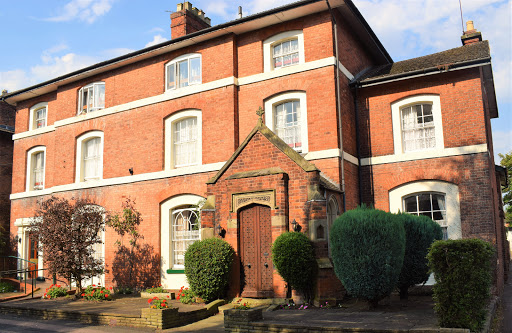
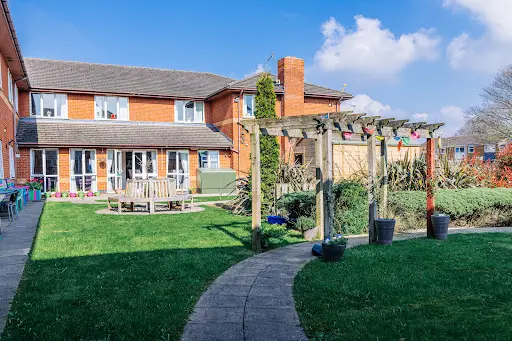
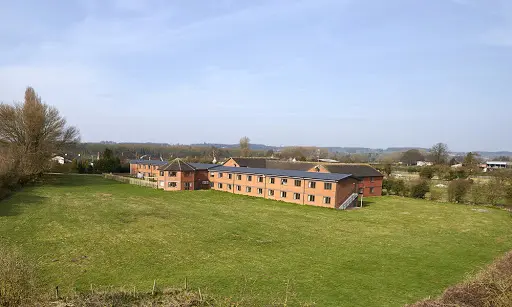
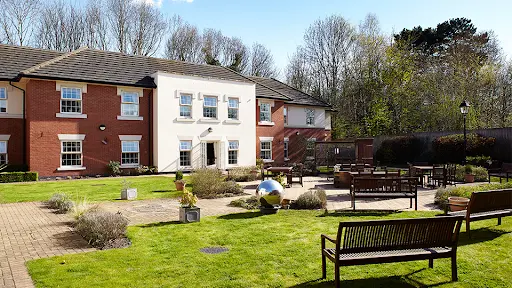
Mealtimes receive particular praise from families who appreciate seeing daily menus posted so they know what their loved ones are eating. The secure outdoor spaces let residents and visitors spend time together in gardens without worry. Rooms are spacious with en-suite bathrooms, and families consistently mention how clean and well-maintained everything appears.
“Every family's situation is different — visiting Horse Fair helps you understand whether their approach matches what matters most to you.”
DCC does not edit or curate content in this tab. For independently curated information, see The Evidence and DCC Verdict.