Crispin Court Care Home
At a Glance
The information you need to decide whether this home warrants a closer look.
Residential homes
Staff warmth score
of reviewers answered yes
Good to know
- Registered beds70
- SpecialismsCaring for adults over 65 yrs, Caring for adults under 65 yrs, Dementia, Mental health conditions, Physical disabilities, Sensory impairment
- Last inspected2020-05-16
Save Crispin Court Care Home to your shortlist
Keep a running list, add visit notes, and compare homes side-by-side. Free account — it takes a minute.
STAGE 4 — RESEARCHING CARE HOMES
Visit homes. Compare them side by side. Choose with confidence.
Most of us will view care homes the way we view houses, impression, atmosphere, the feeling in the corridor. We go home, try to remember what we saw, and make a permanent decision from a blurred memory.

The DCC shortlist gives every home you visit a structured record: the same twelve questions, answered the same way, every time. When you’re ready to choose, pull any two homes side by side and compare them directly. Same criteria, same evidence, your notes and your scores.
The Evidence
What the review data, the inspection reports, and the dementia-care evidence base tell us about this home.
What families say
Families describe walking into a home that feels alive with activity — whether it's the regular choir sessions, baking afternoons, or seasonal celebrations like egg hunts. Staff create an atmosphere where residents feel genuinely welcomed, with many families noting how approachable and attentive the team are to individual needs.
The eight family priority themes
- Staff warmth88
- Compassion & dignity92
- Cleanliness72
- Activities & engagement85
- Food quality68
- Healthcare72
- Management & leadership74
- Resident happiness82
What inspectors found
Inspected 2020-05-16
Is this home safe?
Is the care effective?
The Effective domain was rated Good at the January 2020 inspection. This rating covers training, care planning, access to healthcare, and whether the home supports people to maintain their health and wellbeing. The home supports people with dementia, mental health conditions, physical disabilities, and sensory impairment, which requires a broad and specialist training base. The published report text does not describe specific training programmes, GP access arrangements, or care plan content in detail.Is this home caring?
The Caring domain was rated Outstanding at the January 2020 inspection. This is the highest possible rating and requires inspectors to have found strong, specific evidence of exceptional warmth, dignity, and respect in the way staff interact with the people who live here. An Outstanding Caring rating is comparatively rare and places this home in a small minority nationally. The published report text does not include the specific inspector observations or resident and family quotes that would normally accompany this rating, but the rating itself is a meaningful signal.Is the home responsive?
The Responsive domain was rated Outstanding at the January 2020 inspection. Responsive covers how well the home tailors care and activities to each individual, how it handles complaints, and how it plans for end of life. An Outstanding rating here requires inspectors to have found evidence that the home goes beyond a standard activity programme and genuinely shapes daily life around each person's history, preferences, and capabilities. The published report text does not describe the specific activities, engagement approaches, or complaint handling processes observed.Is the home well-led?
The Well-led domain was rated Good at the January 2020 inspection. The registered manager is named in the published report as Mrs Helen Tracey Williams, and the nominated individual is Mrs Natasha Southall. A Good Well-led rating requires inspectors to have found that the home was managed with accountability, that staff were supported and able to raise concerns, and that governance systems were in place to monitor quality and learn from incidents. The published report text does not describe specific governance processes, staff culture observations, or management visibility in detail.
Source: CQC inspection report →
What the evidence base says
Crispin Court specialises in caring for adults under 65 and those with sensory impairments, physical disabilities, and mental health conditions. The home also supports residents over 65, including those living with dementia. The team understands the specific challenges of dementia care, integrating specialist support into the home's wider programme of activities and engagement. Staff work to maintain each resident's sense of identity and connection through meaningful daily interactions. All areas worth probing directly during a visit.
The DCC Verdict
Our editorial view, built from the three lenses: what families tell us, what inspectors record, and how the home sits against good dementia-care practice.
DCC Family Score
Crispin Court scores strongly on the themes families care about most, particularly staff warmth and compassion, where the inspection awarded an Outstanding rating. Scores for food, cleanliness, and healthcare are more moderate because the published report does not contain specific detail in those areas.
Homes in West Midlands typically score 68–82.The three-lens summary
What families tell us
Families describe walking into a home that feels alive with activity — whether it's the regular choir sessions, baking afternoons, or seasonal celebrations like egg hunts. Staff create an atmosphere where residents feel genuinely welcomed, with many families noting how approachable and attentive the team are to individual needs.
What inspectors have recorded
The manager maintains a visible presence throughout the home, taking time to understand each resident's needs and keeping families well-informed. Families appreciate the clear communication about daily operations and the genuine passion the management team shows for creating a positive environment.
How it sits against good practice
If you're looking for specialist care that goes beyond age-related assumptions, Crispin Court offers a different approach to supported living.
Worth a visit
Crispin Court Care Home on Stone Road, Stafford was rated Outstanding overall at its inspection in January 2020, with particular strength in Caring and Responsive, both of which were rated Outstanding. Safe, Effective, and Well-led were all rated Good. This represented an improvement on its previous rating, and a monitoring review in July 2023 found no reason to reassess that rating. The home is registered to support up to 70 people, including those living with dementia, mental health conditions, physical disabilities, and sensory impairment. The main limitation of this report is that the published inspection text is brief and does not include the detailed observations, quotes, and specific findings that would normally allow a fuller picture. The Outstanding ratings for Caring and Responsive are significant and should not be dismissed, but you should visit in person and ask specific questions. On your visit, ask to see last week's actual staffing rota to check permanent versus agency cover on night shifts, ask what one-to-one activity provision looks like for someone who cannot join a group, and pay attention to how staff speak to and move around the people who live there. Those observable moments will tell you more than any rating.
The three questions to ask when you visitSave this home. Compare it against your shortlist.
Let our analysis show you how Crispin Court Care Home measures up against the other homes you’re considering. Free account.
In Their Own Words
How Crispin Court Care Home describes itself — collected from its own website. DCC has not edited or independently verified the content in this tab.
Where younger residents and those with complex needs find genuine community
Crispin Court Care Home – Expert Care in Stafford
Finding the right care home for someone under 65, or with mental health conditions alongside physical needs, takes particular understanding. Crispin Court Care Home in Stafford specialises in supporting younger adults and those with sensory impairments, bringing together skilled care with a vibrant sense of community. The home welcomes residents with dementia, mental health conditions, and physical disabilities.
Who they care for
Crispin Court specialises in caring for adults under 65 and those with sensory impairments, physical disabilities, and mental health conditions. The home also supports residents over 65, including those living with dementia.
The team understands the specific challenges of dementia care, integrating specialist support into the home's wider programme of activities and engagement. Staff work to maintain each resident's sense of identity and connection through meaningful daily interactions.
“If you're looking for specialist care that goes beyond age-related assumptions, Crispin Court offers a different approach to supported living.”
DCC does not edit or curate content in this tab. For independently curated information, see The Evidence and DCC Verdict.
The DCC Verdict
Our editorial view, built from the three lenses: what families tell us, what inspectors record, and how the home sits against good dementia-care practice.
DCC Family Score
Crispin Court scores strongly on the themes families care about most, particularly staff warmth and compassion, where the inspection awarded an Outstanding rating. Scores for food, cleanliness, and healthcare are more moderate because the published report does not contain specific detail in those areas.
Homes in West Midlands typically score 68–82.The three-lens summary
What families tell us
Families describe walking into a home that feels alive with activity — whether it's the regular choir sessions, baking afternoons, or seasonal celebrations like egg hunts. Staff create an atmosphere where residents feel genuinely welcomed, with many families noting how approachable and attentive the team are to individual needs.
What inspectors have recorded
The manager maintains a visible presence throughout the home, taking time to understand each resident's needs and keeping families well-informed. Families appreciate the clear communication about daily operations and the genuine passion the management team shows for creating a positive environment.
How it sits against good practice
If you're looking for specialist care that goes beyond age-related assumptions, Crispin Court offers a different approach to supported living.
Worth a visit
Crispin Court Care Home on Stone Road, Stafford was rated Outstanding overall at its inspection in January 2020, with particular strength in Caring and Responsive, both of which were rated Outstanding. Safe, Effective, and Well-led were all rated Good. This represented an improvement on its previous rating, and a monitoring review in July 2023 found no reason to reassess that rating. The home is registered to support up to 70 people, including those living with dementia, mental health conditions, physical disabilities, and sensory impairment. The main limitation of this report is that the published inspection text is brief and does not include the detailed observations, quotes, and specific findings that would normally allow a fuller picture. The Outstanding ratings for Caring and Responsive are significant and should not be dismissed, but you should visit in person and ask specific questions. On your visit, ask to see last week's actual staffing rota to check permanent versus agency cover on night shifts, ask what one-to-one activity provision looks like for someone who cannot join a group, and pay attention to how staff speak to and move around the people who live there. Those observable moments will tell you more than any rating.
The three questions to ask when you visitSave this home. Compare it against your shortlist.
Let our analysis show you how Crispin Court Care Home measures up against the other homes you’re considering. Free account.
In Their Own Words
How Crispin Court Care Home describes itself — collected from its own website. DCC has not edited or independently verified the content in this tab.
Where younger residents and those with complex needs find genuine community
Crispin Court Care Home – Expert Care in Stafford
Finding the right care home for someone under 65, or with mental health conditions alongside physical needs, takes particular understanding. Crispin Court Care Home in Stafford specialises in supporting younger adults and those with sensory impairments, bringing together skilled care with a vibrant sense of community. The home welcomes residents with dementia, mental health conditions, and physical disabilities.
Who they care for
Crispin Court specialises in caring for adults under 65 and those with sensory impairments, physical disabilities, and mental health conditions. The home also supports residents over 65, including those living with dementia.
The team understands the specific challenges of dementia care, integrating specialist support into the home's wider programme of activities and engagement. Staff work to maintain each resident's sense of identity and connection through meaningful daily interactions.
Management & ethos
The manager maintains a visible presence throughout the home, taking time to understand each resident's needs and keeping families well-informed. Families appreciate the clear communication about daily operations and the genuine passion the management team shows for creating a positive environment.
The home & environment
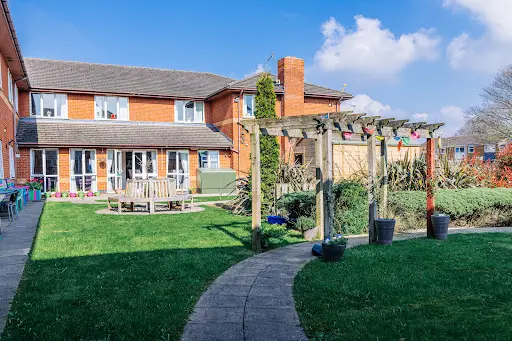
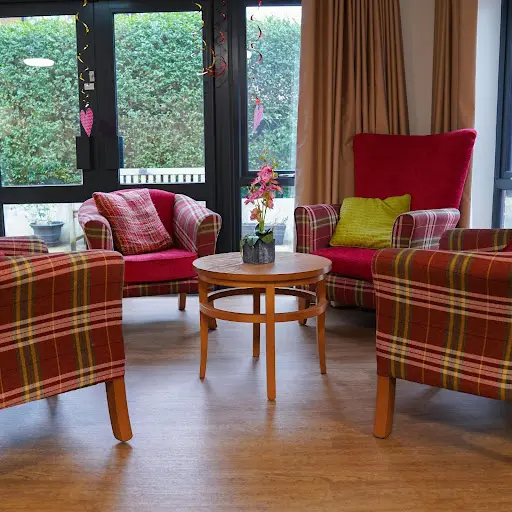
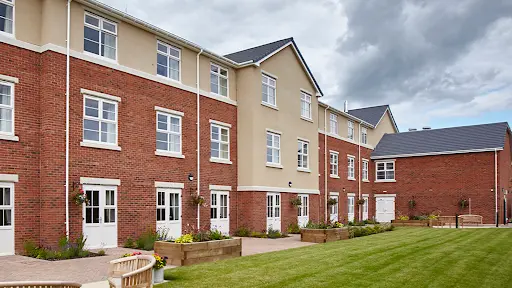
The home maintains high standards of cleanliness throughout, something families consistently notice and appreciate. Kitchen staff take pride in meal preparation, and the dining experience forms an important part of daily life. The home organises regular structured activities that give residents meaningful ways to spend their days.
“If you're looking for specialist care that goes beyond age-related assumptions, Crispin Court offers a different approach to supported living.”
DCC does not edit or curate content in this tab. For independently curated information, see The Evidence and DCC Verdict.