Farmhouse Rest Home
At a Glance
The information you need to decide whether this home warrants a closer look.
Residential homes
Staff warmth score
of reviewers answered yes
Good to know
- Registered beds23
- SpecialismsCaring for adults over 65 yrs, Caring for adults under 65 yrs, Dementia, Mental health conditions, Physical disabilities, Sensory impairment
- Last inspected2017-12-14
Save Farmhouse Rest Home to your shortlist
Keep a running list, add visit notes, and compare homes side-by-side. Free account — it takes a minute.
STAGE 4 — RESEARCHING CARE HOMES
Visit homes. Compare them side by side. Choose with confidence.
Most of us will view care homes the way we view houses, impression, atmosphere, the feeling in the corridor. We go home, try to remember what we saw, and make a permanent decision from a blurred memory.

The DCC shortlist gives every home you visit a structured record: the same twelve questions, answered the same way, every time. When you’re ready to choose, pull any two homes side by side and compare them directly. Same criteria, same evidence, your notes and your scores.
The Evidence
What the review data, the inspection reports, and the dementia-care evidence base tell us about this home.
What families say
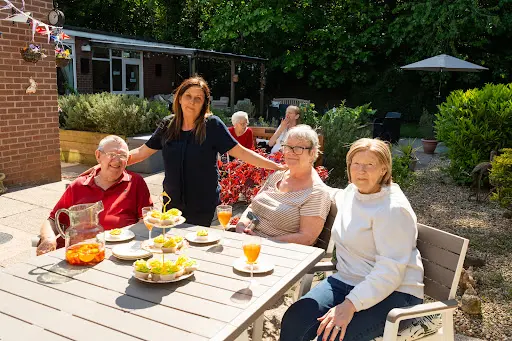
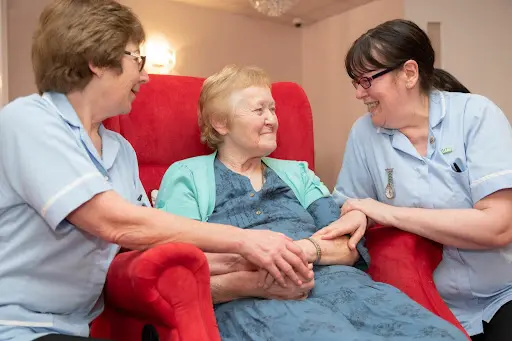
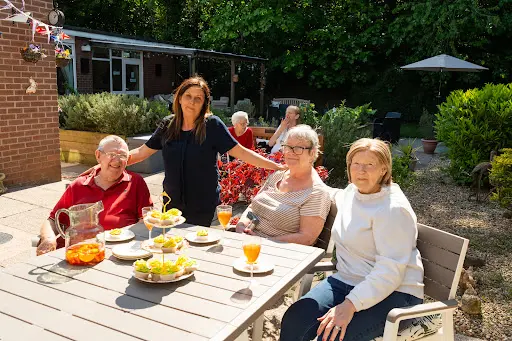
People talk about the lively atmosphere that fills the home, with residents joining in activities throughout the week. The staff's natural friendliness seems to put both residents and their families at ease, creating connections that matter when you're settling into a new routine.
The eight family priority themes
- Staff warmth55
- Compassion & dignity55
- Cleanliness55
- Activities & engagement50
- Food quality50
- Healthcare55
- Management & leadership60
- Resident happiness55
What inspectors found
Inspected 2017-12-14
Is this home safe?
Is the care effective?
Inspectors rated the Effective domain Good in February 2021. This domain covers training, care planning, healthcare access, nutritional support, and how well the home works with other services. The published report does not include specific observations on dementia training content, GP access frequency, care plan review cycles, or food quality. The home lists dementia, mental health conditions, and physical disabilities as specialisms, which means its care planning processes should be tested against a broad range of needs.Is this home caring?
The Caring domain was rated Good at the February 2021 inspection. This domain covers staff warmth, dignity, respect, and how well staff support independence. No specific inspector observations of staff interactions, no quotes from residents or relatives, and no examples of dignity in practice appear in the published report text. The Good rating tells us inspectors were satisfied, but the absence of detail means families cannot draw on specific evidence beyond the headline rating.Is the home responsive?
Responsiveness was rated Good in February 2021, covering activities, individual engagement, and how well the home responds to changing needs including end-of-life care. The published report does not describe specific activities on offer, how frequently they are provided, or whether one-to-one engagement is available for residents who cannot participate in groups. The home supports people with dementia, mental health conditions, physical disabilities, and sensory impairment, which means tailored, individual responsiveness is particularly important.Is the home well-led?
Well-led was rated Good at the February 2021 inspection, following a previous Requires Improvement rating. The published information identifies a registered manager (Miss Tammy Marie Shepherd) and a nominated individual (Mrs Elizabeth Ann Mayer), indicating an accountable leadership structure. No specific detail on management visibility, staff culture, governance processes, or how the home responds to complaints is recorded in the available report text. The improvement from Requires Improvement suggests that leadership problems identified previously were addressed.
Source: CQC inspection report →
What the evidence base says
The home welcomes people with various needs including dementia, mental health conditions, physical disabilities and sensory impairments. They care for adults both under and over 65. For those living with dementia, the home's emphasis on maintaining an active, social environment can help residents stay engaged. The friendly approach from staff helps create reassuring routines. All areas worth probing directly during a visit.
The DCC Verdict
Our editorial view, built from the three lenses: what families tell us, what inspectors record, and how the home sits against good dementia-care practice.
DCC Family Score
Every domain was rated Good at the last inspection, representing a genuine improvement from a previous Requires Improvement rating, but the published report contains very little specific observational detail, so scores reflect that positive-but-general evidence base rather than strong verified specifics.
Homes in West Midlands typically score 68–82.The three-lens summary
What families tell us
People talk about the lively atmosphere that fills the home, with residents joining in activities throughout the week. The staff's natural friendliness seems to put both residents and their families at ease, creating connections that matter when you're settling into a new routine.
What inspectors have recorded
Staff here are known for being approachable and responsive when families need to talk. While one visitor did note concerns about staffing levels during their stay, the overall picture suggests a team that works hard to be there for residents.
How it sits against good practice
Sometimes the best homes are those where warmth and activity go hand in hand — worth discovering for yourself.
Worth a visit
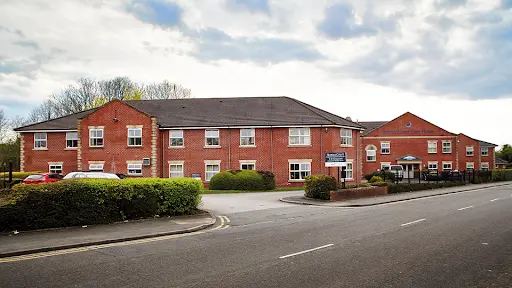
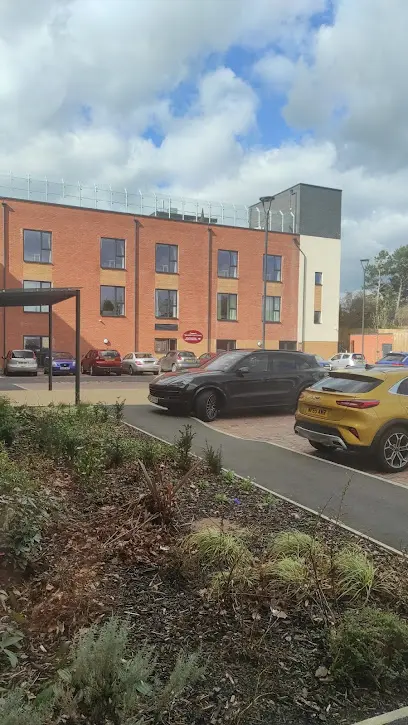
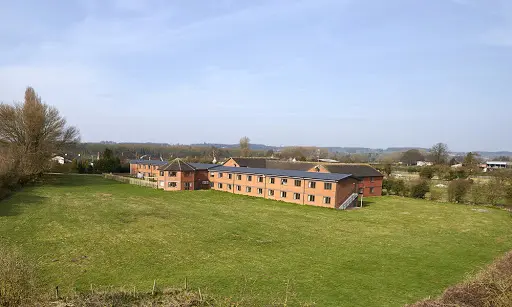
Farmhouse Residential Rest Home in Talke Road, Newcastle under Lyme holds a Good rating across all five inspection domains, following a previous rating of Requires Improvement. That improvement trajectory is a meaningful positive signal: the home identified problems and addressed them well enough to satisfy inspectors across safety, effectiveness, care, responsiveness, and leadership. The home supports up to 23 people, including those living with dementia, mental health conditions, physical disabilities, and sensory impairment, which is a wide range of needs for a relatively small residential home. The main limitation for families is that the most recent inspection was carried out in February 2021, now over three years ago, and the published report contains very limited observational detail. The July 2023 review was a desk-based assessment, not a physical visit, so there are no fresh inspector observations to draw on. Before visiting, ask the manager specifically about night staffing ratios, agency staff reliance, how the dementia environment has been adapted, and what one-to-one activity provision looks like for residents who cannot join group sessions.
The three questions to ask when you visitSave this home. Compare it against your shortlist.
Let our analysis show you how Farmhouse Rest Home measures up against the other homes you’re considering. Free account.
In Their Own Words
How Farmhouse Rest Home describes itself — collected from its own website. DCC has not edited or independently verified the content in this tab.
A lively Staffordshire home where friendliness comes naturally
Residential home in Newcastle under Lyme: True Peace of Mind
When you're looking for the right care, you want somewhere that feels alive with warmth and activity. Farmhouse Residential Rest Home in Newcastle under Lyme brings together genuine friendliness with a calendar full of engaging activities. Families often mention how approachable the staff are here, making those first conversations about care feel less daunting.
Who they care for
The home welcomes people with various needs including dementia, mental health conditions, physical disabilities and sensory impairments. They care for adults both under and over 65.
For those living with dementia, the home's emphasis on maintaining an active, social environment can help residents stay engaged. The friendly approach from staff helps create reassuring routines.
“Sometimes the best homes are those where warmth and activity go hand in hand — worth discovering for yourself.”
DCC does not edit or curate content in this tab. For independently curated information, see The Evidence and DCC Verdict.
The DCC Verdict
Our editorial view, built from the three lenses: what families tell us, what inspectors record, and how the home sits against good dementia-care practice.
DCC Family Score
Every domain was rated Good at the last inspection, representing a genuine improvement from a previous Requires Improvement rating, but the published report contains very little specific observational detail, so scores reflect that positive-but-general evidence base rather than strong verified specifics.
Homes in West Midlands typically score 68–82.The three-lens summary
What families tell us
People talk about the lively atmosphere that fills the home, with residents joining in activities throughout the week. The staff's natural friendliness seems to put both residents and their families at ease, creating connections that matter when you're settling into a new routine.
What inspectors have recorded
Staff here are known for being approachable and responsive when families need to talk. While one visitor did note concerns about staffing levels during their stay, the overall picture suggests a team that works hard to be there for residents.
How it sits against good practice
Sometimes the best homes are those where warmth and activity go hand in hand — worth discovering for yourself.
Worth a visit
Farmhouse Residential Rest Home in Talke Road, Newcastle under Lyme holds a Good rating across all five inspection domains, following a previous rating of Requires Improvement. That improvement trajectory is a meaningful positive signal: the home identified problems and addressed them well enough to satisfy inspectors across safety, effectiveness, care, responsiveness, and leadership. The home supports up to 23 people, including those living with dementia, mental health conditions, physical disabilities, and sensory impairment, which is a wide range of needs for a relatively small residential home. The main limitation for families is that the most recent inspection was carried out in February 2021, now over three years ago, and the published report contains very limited observational detail. The July 2023 review was a desk-based assessment, not a physical visit, so there are no fresh inspector observations to draw on. Before visiting, ask the manager specifically about night staffing ratios, agency staff reliance, how the dementia environment has been adapted, and what one-to-one activity provision looks like for residents who cannot join group sessions.
The three questions to ask when you visitSave this home. Compare it against your shortlist.
Let our analysis show you how Farmhouse Rest Home measures up against the other homes you’re considering. Free account.
In Their Own Words
How Farmhouse Rest Home describes itself — collected from its own website. DCC has not edited or independently verified the content in this tab.
A lively Staffordshire home where friendliness comes naturally
Residential home in Newcastle under Lyme: True Peace of Mind
When you're looking for the right care, you want somewhere that feels alive with warmth and activity. Farmhouse Residential Rest Home in Newcastle under Lyme brings together genuine friendliness with a calendar full of engaging activities. Families often mention how approachable the staff are here, making those first conversations about care feel less daunting.
Who they care for
The home welcomes people with various needs including dementia, mental health conditions, physical disabilities and sensory impairments. They care for adults both under and over 65.
For those living with dementia, the home's emphasis on maintaining an active, social environment can help residents stay engaged. The friendly approach from staff helps create reassuring routines.
Management & ethos
Staff here are known for being approachable and responsive when families need to talk. While one visitor did note concerns about staffing levels during their stay, the overall picture suggests a team that works hard to be there for residents.
The home & environment
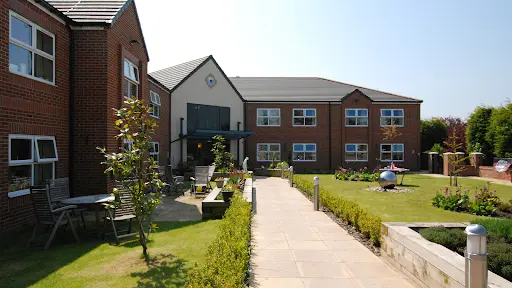
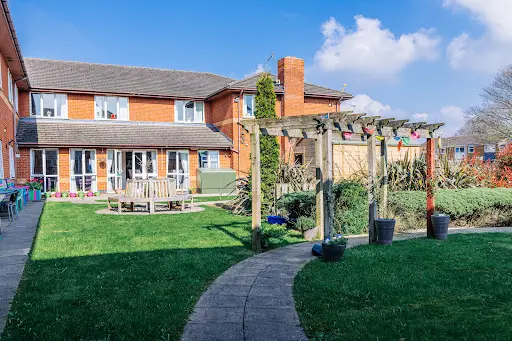
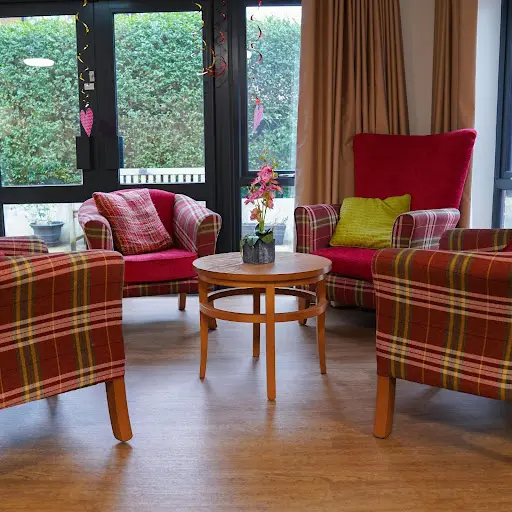
The home maintains clean, inviting spaces where residents can feel comfortable. Meals here get positive mentions too — proper food that people actually enjoy eating. The whole environment feels well-cared for, which speaks volumes about daily life here.
“Sometimes the best homes are those where warmth and activity go hand in hand — worth discovering for yourself.”
DCC does not edit or curate content in this tab. For independently curated information, see The Evidence and DCC Verdict.