Barchester – Hilderstone Hall Care Home

At a Glance
The information you need to decide whether this home warrants a closer look.
Nursing homes
Staff warmth score
of reviewers answered yes
Good to know
- Registered beds51
- SpecialismsCaring for adults over 65 yrs, Caring for adults under 65 yrs, Dementia, Physical disabilities
- Last inspected2019-05-10
Save Barchester – Hilderstone Hall Care Home to your shortlist
Keep a running list, add visit notes, and compare homes side-by-side. Free account — it takes a minute.
STAGE 4 — RESEARCHING CARE HOMES
Visit homes. Compare them side by side. Choose with confidence.
Most of us will view care homes the way we view houses, impression, atmosphere, the feeling in the corridor. We go home, try to remember what we saw, and make a permanent decision from a blurred memory.

The DCC shortlist gives every home you visit a structured record: the same twelve questions, answered the same way, every time. When you’re ready to choose, pull any two homes side by side and compare them directly. Same criteria, same evidence, your notes and your scores.
The Evidence
What the review data, the inspection reports, and the dementia-care evidence base tell us about this home.
What families say
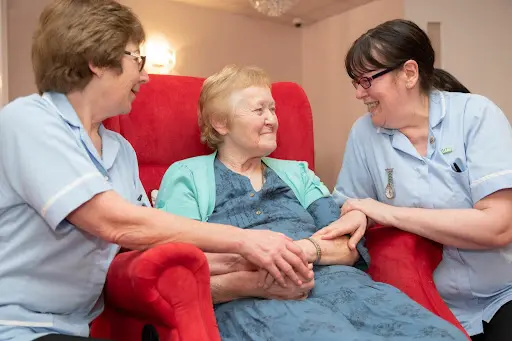
There's something reassuring about watching residents genuinely content in their daily routines here. Families notice how the team takes time to chat and engage, not just during care tasks but throughout the day. The activity programme keeps things lively too — from exercise classes to quiz afternoons and visiting entertainers, there's usually something happening to suit different interests and energy levels.
The eight family priority themes
- Staff warmth55
- Compassion & dignity55
- Cleanliness60
- Activities & engagement50
- Food quality50
- Healthcare60
- Management & leadership65
- Resident happiness55
What inspectors found
Inspected 2019-05-10
Is this home safe?
Is the care effective?
Inspectors rated the Effective domain Good at the April 2019 inspection. The published findings do not include specific detail about care plan quality, GP access, dementia training content, or food provision. The rating indicates that inspectors were satisfied with the evidence they reviewed, but the absence of published specifics means this cannot be independently verified from the report alone.Is this home caring?
Inspectors rated the Caring domain Good at the April 2019 inspection. Staff warmth, dignity, and respect are the qualities inspectors assess in this domain. The published report does not reproduce specific inspector observations, resident testimony, or staff interactions from this inspection. The Good rating indicates inspectors were satisfied, but no verbatim evidence is available to confirm what they saw.Is the home responsive?
Inspectors rated the Responsive domain Good at the April 2019 inspection. This domain covers activities, individual engagement, and how well the home responds to each person's preferences and needs. The published report does not include specific detail about the activity programme, one-to-one engagement, or how individual preferences are captured and acted upon. The rating indicates inspectors were satisfied, but specific evidence is not available in the published findings.Is the home well-led?
Inspectors rated the Well-led domain Good at the April 2019 inspection, and a named nominated individual, Mr Dominic Jude Kay, is registered with the regulator. The home is operated by Barchester Healthcare Homes Limited, a large national provider. The improvement from Requires Improvement to Good across all five domains suggests that leadership responded effectively to earlier concerns. The published report does not include specific observations about manager visibility, staff culture, or governance processes.
Source: CQC inspection report →
What the evidence base says
Hilderstone Hall caters for adults both under and over 65, including those living with dementia or physical disabilities. This mixed community brings different generations together under one roof. For residents living with dementia, the team works to maintain familiar routines and connections. The variety of activities means there's usually something suitable happening, whether someone prefers quieter one-to-one time or joining group sessions. All areas worth probing directly during a visit.
The DCC Verdict
Our editorial view, built from the three lenses: what families tell us, what inspectors record, and how the home sits against good dementia-care practice.
DCC Family Score
Hilderstone Hall scores 68 out of 100. The home has made a meaningful improvement from Requires Improvement to Good across all five domains, which matters, but the inspection report published in May 2019 contains very little specific detail, so most scores reflect the rating itself rather than concrete observed evidence.
Homes in West Midlands typically score 68–82.The three-lens summary
What families tell us
There's something reassuring about watching residents genuinely content in their daily routines here. Families notice how the team takes time to chat and engage, not just during care tasks but throughout the day. The activity programme keeps things lively too — from exercise classes to quiz afternoons and visiting entertainers, there's usually something happening to suit different interests and energy levels.
What inspectors have recorded
The team here creates an atmosphere where families feel included rather than just informed. Whether it's helping arrange family celebrations or being flexible with visiting, there's a sense that everyone's working together. The manager takes a hands-on approach, with families appreciating the personal touch during what can be challenging transitions.
How it sits against good practice
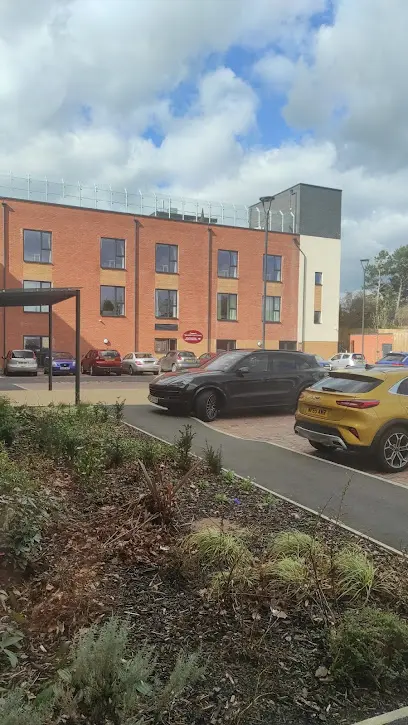
If you're weighing up options near Stone, it might help to see how the countryside setting and community atmosphere work together here.
Worth a visit
Hilderstone Hall, in Hilderstone near Stone, was rated Good at its last inspection in April 2019, published May 2019. That rating represented a genuine improvement: the home had previously been rated Requires Improvement, and inspectors judged it had made sufficient progress across all five domains, including safety, caring, and leadership. A further review of available information in July 2023 found no reason to change that rating. The main uncertainty here is age. The inspection findings are from 2019, which means the specific evidence is now more than six years old. A great deal can change in a care home over that time, including staff teams, management, and care practices. Before making any decision, visit in person, ask to see recent care quality records, and find out whether the registered manager who oversaw the 2019 improvement is still in post.
The three questions to ask when you visitSave this home. Compare it against your shortlist.
Let our analysis show you how Barchester – Hilderstone Hall Care Home measures up against the other homes you’re considering. Free account.
In Their Own Words
How Barchester – Hilderstone Hall Care Home describes itself — collected from its own website. DCC has not edited or independently verified the content in this tab.
Where countryside calm meets thoughtful care for every stage
Nursing home in Nr Stone: True Peace of Mind
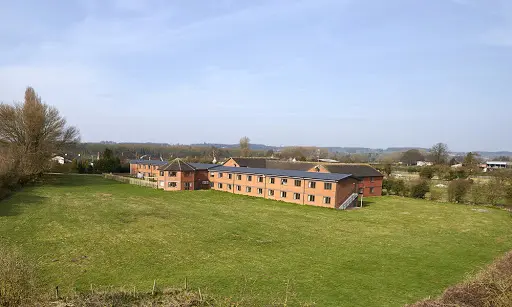
Set in the peaceful countryside near Stone, Hilderstone Hall brings together the tranquility of rural West Midlands with genuinely engaged care. The care home welcomes residents across different ages and care needs, creating a community where people settle in and find their rhythm. Families visiting here often comment on the welcoming atmosphere that greets them from the first hello.
Who they care for
Hilderstone Hall caters for adults both under and over 65, including those living with dementia or physical disabilities. This mixed community brings different generations together under one roof.
For residents living with dementia, the team works to maintain familiar routines and connections. The variety of activities means there's usually something suitable happening, whether someone prefers quieter one-to-one time or joining group sessions.
“If you're weighing up options near Stone, it might help to see how the countryside setting and community atmosphere work together here.”
DCC does not edit or curate content in this tab. For independently curated information, see The Evidence and DCC Verdict.
The DCC Verdict
Our editorial view, built from the three lenses: what families tell us, what inspectors record, and how the home sits against good dementia-care practice.
DCC Family Score
Hilderstone Hall scores 68 out of 100. The home has made a meaningful improvement from Requires Improvement to Good across all five domains, which matters, but the inspection report published in May 2019 contains very little specific detail, so most scores reflect the rating itself rather than concrete observed evidence.
Homes in West Midlands typically score 68–82.The three-lens summary
What families tell us
There's something reassuring about watching residents genuinely content in their daily routines here. Families notice how the team takes time to chat and engage, not just during care tasks but throughout the day. The activity programme keeps things lively too — from exercise classes to quiz afternoons and visiting entertainers, there's usually something happening to suit different interests and energy levels.
What inspectors have recorded
The team here creates an atmosphere where families feel included rather than just informed. Whether it's helping arrange family celebrations or being flexible with visiting, there's a sense that everyone's working together. The manager takes a hands-on approach, with families appreciating the personal touch during what can be challenging transitions.
How it sits against good practice
If you're weighing up options near Stone, it might help to see how the countryside setting and community atmosphere work together here.
Worth a visit
Hilderstone Hall, in Hilderstone near Stone, was rated Good at its last inspection in April 2019, published May 2019. That rating represented a genuine improvement: the home had previously been rated Requires Improvement, and inspectors judged it had made sufficient progress across all five domains, including safety, caring, and leadership. A further review of available information in July 2023 found no reason to change that rating. The main uncertainty here is age. The inspection findings are from 2019, which means the specific evidence is now more than six years old. A great deal can change in a care home over that time, including staff teams, management, and care practices. Before making any decision, visit in person, ask to see recent care quality records, and find out whether the registered manager who oversaw the 2019 improvement is still in post.
The three questions to ask when you visitSave this home. Compare it against your shortlist.
Let our analysis show you how Barchester – Hilderstone Hall Care Home measures up against the other homes you’re considering. Free account.
In Their Own Words
How Barchester – Hilderstone Hall Care Home describes itself — collected from its own website. DCC has not edited or independently verified the content in this tab.
Where countryside calm meets thoughtful care for every stage
Nursing home in Nr Stone: True Peace of Mind
Set in the peaceful countryside near Stone, Hilderstone Hall brings together the tranquility of rural West Midlands with genuinely engaged care. The care home welcomes residents across different ages and care needs, creating a community where people settle in and find their rhythm. Families visiting here often comment on the welcoming atmosphere that greets them from the first hello.
Who they care for
Hilderstone Hall caters for adults both under and over 65, including those living with dementia or physical disabilities. This mixed community brings different generations together under one roof.
For residents living with dementia, the team works to maintain familiar routines and connections. The variety of activities means there's usually something suitable happening, whether someone prefers quieter one-to-one time or joining group sessions.
Management & ethos
The team here creates an atmosphere where families feel included rather than just informed. Whether it's helping arrange family celebrations or being flexible with visiting, there's a sense that everyone's working together. The manager takes a hands-on approach, with families appreciating the personal touch during what can be challenging transitions.
The home & environment
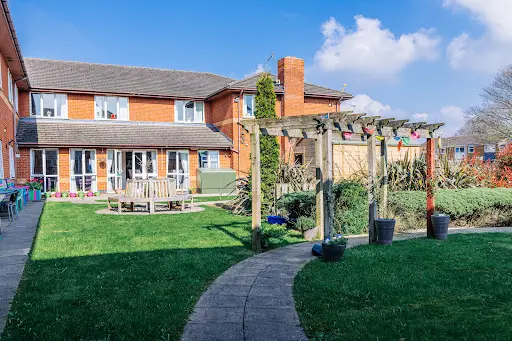
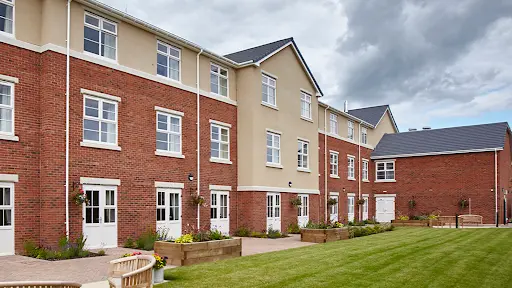
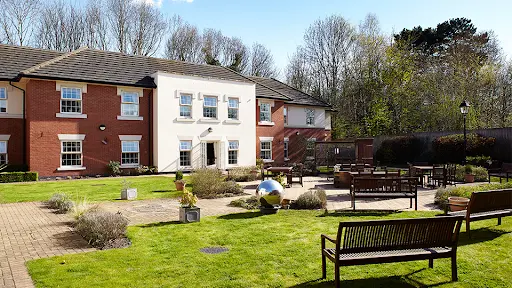
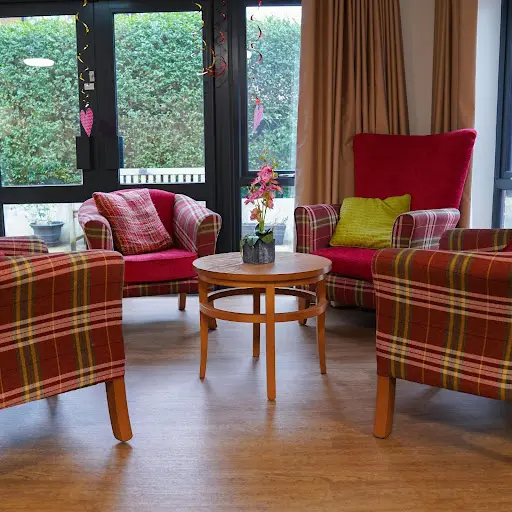
Mealtimes bring proper choice and generous portions, with families noting how dining feels dignified and unhurried. The rooms have that fresh, well-maintained feel that makes settling in easier, while the grounds offer peaceful spots for a quiet moment. Recent refurbishments show the ongoing investment in keeping everything looking its best.
“If you're weighing up options near Stone, it might help to see how the countryside setting and community atmosphere work together here.”
DCC does not edit or curate content in this tab. For independently curated information, see The Evidence and DCC Verdict.