Rowan Court Care Home – Avery Healthcare

At a Glance
The information you need to decide whether this home warrants a closer look.
Nursing homes
Staff warmth score
of reviewers answered yes
Good to know
- Registered beds76
- SpecialismsCaring for adults over 65 yrs, Caring for adults under 65 yrs, Dementia, Mental health conditions, Physical disabilities, Sensory impairment
- Last inspected2019-12-18
Save Rowan Court Care Home – Avery Healthcare to your shortlist
Keep a running list, add visit notes, and compare homes side-by-side. Free account — it takes a minute.
STAGE 4 — RESEARCHING CARE HOMES
Visit homes. Compare them side by side. Choose with confidence.
Most of us will view care homes the way we view houses, impression, atmosphere, the feeling in the corridor. We go home, try to remember what we saw, and make a permanent decision from a blurred memory.

The DCC shortlist gives every home you visit a structured record: the same twelve questions, answered the same way, every time. When you’re ready to choose, pull any two homes side by side and compare them directly. Same criteria, same evidence, your notes and your scores.
The Evidence
What the review data, the inspection reports, and the dementia-care evidence base tell us about this home.
What families say
Families describe how staff help new residents settle in during those first difficult days, creating a welcoming atmosphere that helps people adjust. Several mention how their relatives have not just settled but truly flourished here, with some who'd struggled elsewhere now actively choosing to stay.
The eight family priority themes
- Staff warmth72
- Compassion & dignity72
- Cleanliness70
- Activities & engagement65
- Food quality65
- Healthcare70
- Management & leadership72
- Resident happiness68
What inspectors found
Inspected 2019-12-18
Is this home safe?
Is the care effective?
The Effective domain was rated Good at the November 2019 inspection. The published report does not include detail on care plan quality, dementia training content, GP access arrangements, or food and nutrition practices. The home is registered for dementia, mental health, physical disability, and sensory impairment, which requires staff to hold a range of competencies. The inspection found no concerns in this domain.Is this home caring?
The Caring domain was rated Good at the November 2019 inspection. The published report does not include direct observations of staff interactions, use of preferred names, response to distress, or descriptions of the pace of care. No concerns were raised. Given that this domain had previously been part of a Requires Improvement rating, a Good finding here reflects some form of demonstrable progress observed by inspectors.Is the home responsive?
The Responsive domain was rated Good at the November 2019 inspection. The published report does not describe the activities programme, arrangements for one-to-one engagement, end-of-life planning, or how individual preferences are recorded and acted upon. The home is registered to care for people across a wide range of conditions and ages, which requires flexible and tailored responses to individual need. No concerns were raised in this domain.Is the home well-led?
The Well-led domain was rated Good at the November 2019 inspection, having previously been rated Requires Improvement. A named registered manager, Mrs Alison Margaret Brown, was in post at the time of inspection, alongside a named nominated individual, Mrs Natasha Southall. The published report does not describe management visibility, staff culture, governance systems, or how the home handles complaints and incidents. The improvement in this domain is significant because leadership quality is consistently the strongest predictor of overall care trajectory.
Source: CQC inspection report →
What the evidence base says
The home welcomes residents with sensory impairments, dementia, mental health conditions and physical disabilities, supporting both younger adults under 65 and older residents. For residents living with dementia, the structured daily activities and social engagement opportunities help maintain connections and wellbeing. The consistent routines and familiar faces create stability that families say makes a real difference. All areas worth probing directly during a visit.
The DCC Verdict
Our editorial view, built from the three lenses: what families tell us, what inspectors record, and how the home sits against good dementia-care practice.
DCC Family Score
Rowan Court Care Home improved from Requires Improvement to Good across all five inspection domains, which is a meaningful and positive shift. However, the published inspection report contains very little specific detail, so most scores sit in the mid-range: improvement is confirmed, but the evidence behind it is thin.
Homes in West Midlands typically score 68–82.The three-lens summary
What families tell us
Families describe how staff help new residents settle in during those first difficult days, creating a welcoming atmosphere that helps people adjust. Several mention how their relatives have not just settled but truly flourished here, with some who'd struggled elsewhere now actively choosing to stay.
What inspectors have recorded
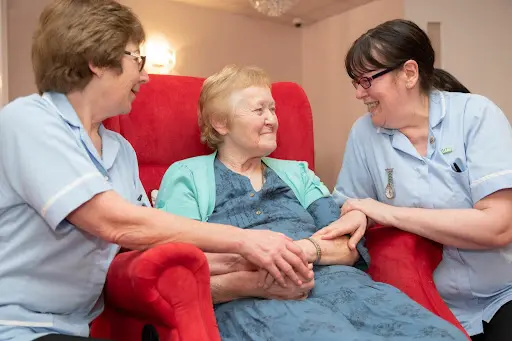
Staff show real warmth in supporting residents through difficult transitions, with families particularly noting the compassionate care during end-of-life situations. The team keeps families updated about their loved ones' wellbeing and any concerns that arise.
How it sits against good practice
If you're looking for somewhere that focuses on keeping your loved one engaged and connected, it's worth arranging a visit to see the community at Rowan Court for yourself.
Worth a visit
Rowan Court Care Home, on Silverdale Road in Newcastle under Lyme, was rated Good at its most recent inspection on 6 November 2019. This is a positive and meaningful result, particularly because the home had previously been rated Requires Improvement, meaning inspectors found genuine progress across all five domains: safe, effective, caring, responsive, and well-led. A further review of available information in July 2023 found no reason to change that rating. The main limitation for any family considering this home is that the published inspection text is very short and contains almost no specific detail. There are no direct quotes from your parent's perspective, no descriptions of staff interactions, no observations about mealtimes or activities, and no data on staffing levels or night cover. A Good rating confirmed after improvement is encouraging, but you will need to fill in most of the picture yourself. When you visit, pay attention to how staff speak to people in corridors, whether the home feels calm and unhurried, and ask the manager directly about dementia training, agency staff use, and what happens if your parent needs support overnight.
The three questions to ask when you visitSave this home. Compare it against your shortlist.
Let our analysis show you how Rowan Court Care Home – Avery Healthcare measures up against the other homes you’re considering. Free account.
In Their Own Words
How Rowan Court Care Home – Avery Healthcare describes itself — collected from its own website. DCC has not edited or independently verified the content in this tab.
Where residents rediscover their voice through choir and connection
Compassionate Care in Newcastle under Lyme at Rowan Court Care Home
There's something happening at Rowan Court Care Home in Newcastle under Lyme that families keep talking about — residents who arrive withdrawn are joining in with activities, making friends, and finding their place in this community. The home specialises in supporting people with dementia, mental health conditions and physical disabilities, focusing on creating moments of genuine engagement throughout each day.
Who they care for
The home welcomes residents with sensory impairments, dementia, mental health conditions and physical disabilities, supporting both younger adults under 65 and older residents.
For residents living with dementia, the structured daily activities and social engagement opportunities help maintain connections and wellbeing. The consistent routines and familiar faces create stability that families say makes a real difference.
“If you're looking for somewhere that focuses on keeping your loved one engaged and connected, it's worth arranging a visit to see the community at Rowan Court for yourself.”
DCC does not edit or curate content in this tab. For independently curated information, see The Evidence and DCC Verdict.
The DCC Verdict
Our editorial view, built from the three lenses: what families tell us, what inspectors record, and how the home sits against good dementia-care practice.
DCC Family Score
Rowan Court Care Home improved from Requires Improvement to Good across all five inspection domains, which is a meaningful and positive shift. However, the published inspection report contains very little specific detail, so most scores sit in the mid-range: improvement is confirmed, but the evidence behind it is thin.
Homes in West Midlands typically score 68–82.The three-lens summary
What families tell us
Families describe how staff help new residents settle in during those first difficult days, creating a welcoming atmosphere that helps people adjust. Several mention how their relatives have not just settled but truly flourished here, with some who'd struggled elsewhere now actively choosing to stay.
What inspectors have recorded
Staff show real warmth in supporting residents through difficult transitions, with families particularly noting the compassionate care during end-of-life situations. The team keeps families updated about their loved ones' wellbeing and any concerns that arise.
How it sits against good practice
If you're looking for somewhere that focuses on keeping your loved one engaged and connected, it's worth arranging a visit to see the community at Rowan Court for yourself.
Worth a visit
Rowan Court Care Home, on Silverdale Road in Newcastle under Lyme, was rated Good at its most recent inspection on 6 November 2019. This is a positive and meaningful result, particularly because the home had previously been rated Requires Improvement, meaning inspectors found genuine progress across all five domains: safe, effective, caring, responsive, and well-led. A further review of available information in July 2023 found no reason to change that rating. The main limitation for any family considering this home is that the published inspection text is very short and contains almost no specific detail. There are no direct quotes from your parent's perspective, no descriptions of staff interactions, no observations about mealtimes or activities, and no data on staffing levels or night cover. A Good rating confirmed after improvement is encouraging, but you will need to fill in most of the picture yourself. When you visit, pay attention to how staff speak to people in corridors, whether the home feels calm and unhurried, and ask the manager directly about dementia training, agency staff use, and what happens if your parent needs support overnight.
The three questions to ask when you visitSave this home. Compare it against your shortlist.
Let our analysis show you how Rowan Court Care Home – Avery Healthcare measures up against the other homes you’re considering. Free account.
In Their Own Words
How Rowan Court Care Home – Avery Healthcare describes itself — collected from its own website. DCC has not edited or independently verified the content in this tab.
Where residents rediscover their voice through choir and connection
Compassionate Care in Newcastle under Lyme at Rowan Court Care Home
There's something happening at Rowan Court Care Home in Newcastle under Lyme that families keep talking about — residents who arrive withdrawn are joining in with activities, making friends, and finding their place in this community. The home specialises in supporting people with dementia, mental health conditions and physical disabilities, focusing on creating moments of genuine engagement throughout each day.
Who they care for
The home welcomes residents with sensory impairments, dementia, mental health conditions and physical disabilities, supporting both younger adults under 65 and older residents.
For residents living with dementia, the structured daily activities and social engagement opportunities help maintain connections and wellbeing. The consistent routines and familiar faces create stability that families say makes a real difference.
Management & ethos
Staff show real warmth in supporting residents through difficult transitions, with families particularly noting the compassionate care during end-of-life situations. The team keeps families updated about their loved ones' wellbeing and any concerns that arise.
The home & environment
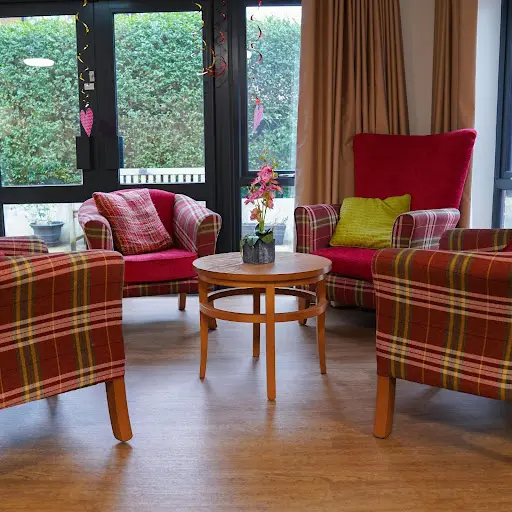
The home runs a packed programme of activities — there's a choir that gets everyone singing, film screenings in their cinema, and seasonal celebrations throughout the year. Families appreciate the flexible visiting arrangements and find the environment clean and well-maintained.
“If you're looking for somewhere that focuses on keeping your loved one engaged and connected, it's worth arranging a visit to see the community at Rowan Court for yourself.”
DCC does not edit or curate content in this tab. For independently curated information, see The Evidence and DCC Verdict.