Broadmeadow Court Residential Care Home – Sanctuary Care
At a Glance
The information you need to decide whether this home warrants a closer look.
Residential homes
Staff warmth score
of reviewers answered yes
Good to know
- Registered beds36
- SpecialismsCaring for adults over 65 yrs, Caring for adults under 65 yrs, Dementia, Physical disabilities, Sensory impairment
- Last inspected2019-08-20
Save Broadmeadow Court Residential Care Home – Sanctuary Care to your shortlist
Keep a running list, add visit notes, and compare homes side-by-side. Free account — it takes a minute.
STAGE 4 — RESEARCHING CARE HOMES
Visit homes. Compare them side by side. Choose with confidence.
Most of us will view care homes the way we view houses, impression, atmosphere, the feeling in the corridor. We go home, try to remember what we saw, and make a permanent decision from a blurred memory.

The DCC shortlist gives every home you visit a structured record: the same twelve questions, answered the same way, every time. When you’re ready to choose, pull any two homes side by side and compare them directly. Same criteria, same evidence, your notes and your scores.
The Evidence
What the review data, the inspection reports, and the dementia-care evidence base tell us about this home.
What families say
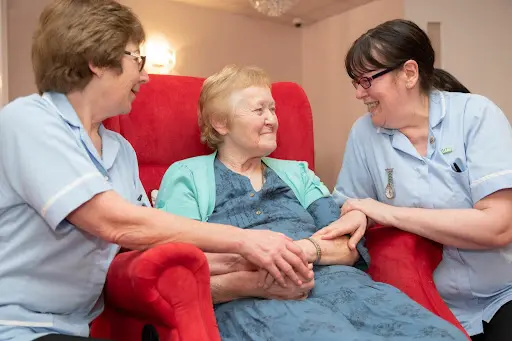
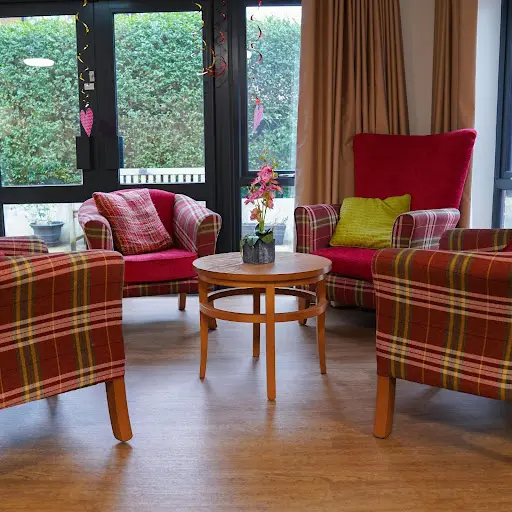
What strikes families is how their loved ones seem to find their place here. People talk about seeing residents engaged in the daily rhythm of the home — whether that's joining in with fundraising activities or just enjoying the social buzz. There's a warmth to the place that families notice, with comfortable spaces where they can spend proper time together during visits.
The eight family priority themes
- Staff warmth55
- Compassion & dignity55
- Cleanliness55
- Activities & engagement52
- Food quality52
- Healthcare55
- Management & leadership60
- Resident happiness55
What inspectors found
Inspected 2019-08-20
Is this home safe?
Is the care effective?
The effective domain was rated Good at the November 2020 inspection. This domain covers training, care planning, healthcare access, and food. The published summary does not include specific observations about dementia training content, care plan detail, GP access arrangements, or mealtime experience. The home lists dementia as a specialism, which means inspectors would have expected to see evidence of dementia-specific practice. No concerns were flagged.Is this home caring?
The caring domain was rated Good at the November 2020 inspection. This domain covers staff warmth, dignity, respect, and independence. The published summary includes no direct observations of staff interactions, no resident quotes, and no family testimony. Inspectors were satisfied that standards met the Good threshold, but no specific examples are recorded to illustrate what that looked like in practice.Is the home responsive?
The responsive domain was rated Good at the November 2020 inspection. This domain covers activities, engagement, individuality, and end-of-life care. The published summary does not describe any specific activity programmes, individual engagement approaches, or end-of-life planning arrangements. No concerns were flagged. The home supports people with dementia, physical disabilities, and sensory impairment, which means responsive care needs to be flexible across a wide range of needs.Is the home well-led?
The well-led domain was rated Good at the November 2020 inspection. A named registered manager, Ms Christine Anne Singer, and a nominated individual, Mrs Louise Palmer, are recorded on the registration. The home is run by Sanctuary Care Limited, a larger provider organisation. No concerns about governance, culture, or accountability were flagged. The published summary contains no specific examples of management visibility, staff empowerment, or incident learning processes.
Source: CQC inspection report →
What the evidence base says
The home supports people living with dementia, physical disabilities and sensory impairments, welcoming both younger adults and those over 65. They also offer respite stays, giving family carers a break while knowing their loved one is somewhere familiar. For residents living with dementia, the approach seems to be about keeping people connected to everyday life. Families notice how settled their loved ones become, joining in with activities and maintaining their routines in ways that feel natural rather than forced. All areas worth probing directly during a visit.
The DCC Verdict
Our editorial view, built from the three lenses: what families tell us, what inspectors record, and how the home sits against good dementia-care practice.
DCC Family Score
Every domain was rated Good at the November 2020 inspection, which is a solid baseline, but the published report contains very little specific detail to go on. Scores sit in the 50-60 range because general Good ratings without supporting observations, quotes, or specific examples cannot be scored higher under the DCC method.
Homes in West Midlands typically score 68–82.The three-lens summary
What families tell us
What strikes families is how their loved ones seem to find their place here. People talk about seeing residents engaged in the daily rhythm of the home — whether that's joining in with fundraising activities or just enjoying the social buzz. There's a warmth to the place that families notice, with comfortable spaces where they can spend proper time together during visits.
What inspectors have recorded
Staff seem to understand that small gestures matter. Families describe them as genuinely friendly people who take time to chat and keep relatives in the loop about their loved one's day. When families have questions about care plans or just need reassurance, the manager makes time to sit down and explain things properly.
How it sits against good practice
It's worth spending time here yourself to see if it feels right — sometimes you just know when you walk through the door.
Worth a visit
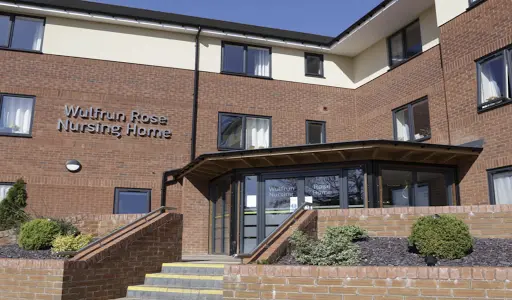
Broadmeadow Court Residential Care Home, on London Road in Stoke-on-Trent, was rated Good across all five domains at its November 2020 inspection, with that rating subsequently reviewed and maintained in July 2023. The home is registered for 36 beds and supports people with dementia, physical disabilities, and sensory impairment, as well as adults over and under 65. A named registered manager and a nominated individual are in post, which is a basic indicator of organisational stability. The main limitation for any family reading this is that the published report text contains almost no specific detail: no direct observations of care, no resident or family quotes, and no concrete examples of what Good looks like day to day in this home. The rating is now several years old. Before making a decision, visit in person, ask to see the staffing rota for last week (counting permanent versus agency names on night shifts), sit in during a mealtime, and ask the manager how often care plans are reviewed and whether families are included. Those conversations will tell you far more than the headline rating alone.
The three questions to ask when you visitSave this home. Compare it against your shortlist.
Let our analysis show you how Broadmeadow Court Residential Care Home – Sanctuary Care measures up against the other homes you’re considering. Free account.
In Their Own Words
How Broadmeadow Court Residential Care Home – Sanctuary Care describes itself — collected from its own website. DCC has not edited or independently verified the content in this tab.
Where dementia care means staying connected to life's everyday pleasures
Broadmeadow Court Residential Care Home – Your Trusted residential home
Families describe a real sense of relief when they see their loved ones settling into life at Broadmeadow Court Residential Care Home in Stoke On Trent. It's the small things that matter — residents looking content during activities, staff who remember what makes each person smile, and that feeling of walking into somewhere that feels lived-in rather than clinical.
Who they care for
The home supports people living with dementia, physical disabilities and sensory impairments, welcoming both younger adults and those over 65. They also offer respite stays, giving family carers a break while knowing their loved one is somewhere familiar.
For residents living with dementia, the approach seems to be about keeping people connected to everyday life. Families notice how settled their loved ones become, joining in with activities and maintaining their routines in ways that feel natural rather than forced.
“It's worth spending time here yourself to see if it feels right — sometimes you just know when you walk through the door.”
DCC does not edit or curate content in this tab. For independently curated information, see The Evidence and DCC Verdict.
The DCC Verdict
Our editorial view, built from the three lenses: what families tell us, what inspectors record, and how the home sits against good dementia-care practice.
DCC Family Score
Every domain was rated Good at the November 2020 inspection, which is a solid baseline, but the published report contains very little specific detail to go on. Scores sit in the 50-60 range because general Good ratings without supporting observations, quotes, or specific examples cannot be scored higher under the DCC method.
Homes in West Midlands typically score 68–82.The three-lens summary
What families tell us
What strikes families is how their loved ones seem to find their place here. People talk about seeing residents engaged in the daily rhythm of the home — whether that's joining in with fundraising activities or just enjoying the social buzz. There's a warmth to the place that families notice, with comfortable spaces where they can spend proper time together during visits.
What inspectors have recorded
Staff seem to understand that small gestures matter. Families describe them as genuinely friendly people who take time to chat and keep relatives in the loop about their loved one's day. When families have questions about care plans or just need reassurance, the manager makes time to sit down and explain things properly.
How it sits against good practice
It's worth spending time here yourself to see if it feels right — sometimes you just know when you walk through the door.
Worth a visit
Broadmeadow Court Residential Care Home, on London Road in Stoke-on-Trent, was rated Good across all five domains at its November 2020 inspection, with that rating subsequently reviewed and maintained in July 2023. The home is registered for 36 beds and supports people with dementia, physical disabilities, and sensory impairment, as well as adults over and under 65. A named registered manager and a nominated individual are in post, which is a basic indicator of organisational stability. The main limitation for any family reading this is that the published report text contains almost no specific detail: no direct observations of care, no resident or family quotes, and no concrete examples of what Good looks like day to day in this home. The rating is now several years old. Before making a decision, visit in person, ask to see the staffing rota for last week (counting permanent versus agency names on night shifts), sit in during a mealtime, and ask the manager how often care plans are reviewed and whether families are included. Those conversations will tell you far more than the headline rating alone.
The three questions to ask when you visitSave this home. Compare it against your shortlist.
Let our analysis show you how Broadmeadow Court Residential Care Home – Sanctuary Care measures up against the other homes you’re considering. Free account.
In Their Own Words
How Broadmeadow Court Residential Care Home – Sanctuary Care describes itself — collected from its own website. DCC has not edited or independently verified the content in this tab.
Where dementia care means staying connected to life's everyday pleasures
Broadmeadow Court Residential Care Home – Your Trusted residential home
Families describe a real sense of relief when they see their loved ones settling into life at Broadmeadow Court Residential Care Home in Stoke On Trent. It's the small things that matter — residents looking content during activities, staff who remember what makes each person smile, and that feeling of walking into somewhere that feels lived-in rather than clinical.
Who they care for
The home supports people living with dementia, physical disabilities and sensory impairments, welcoming both younger adults and those over 65. They also offer respite stays, giving family carers a break while knowing their loved one is somewhere familiar.
For residents living with dementia, the approach seems to be about keeping people connected to everyday life. Families notice how settled their loved ones become, joining in with activities and maintaining their routines in ways that feel natural rather than forced.
Management & ethos
Staff seem to understand that small gestures matter. Families describe them as genuinely friendly people who take time to chat and keep relatives in the loop about their loved one's day. When families have questions about care plans or just need reassurance, the manager makes time to sit down and explain things properly.
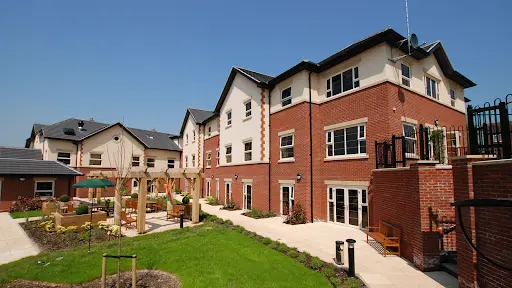
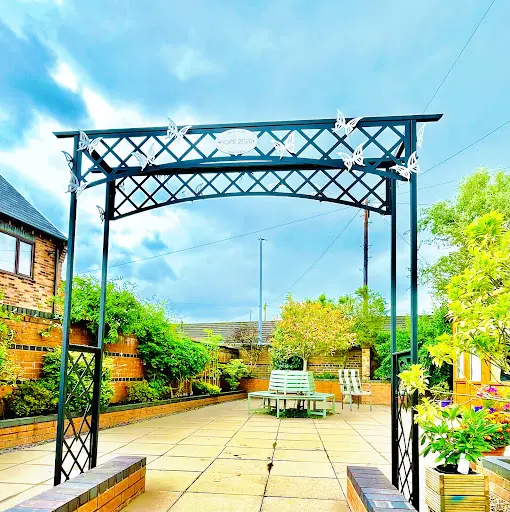
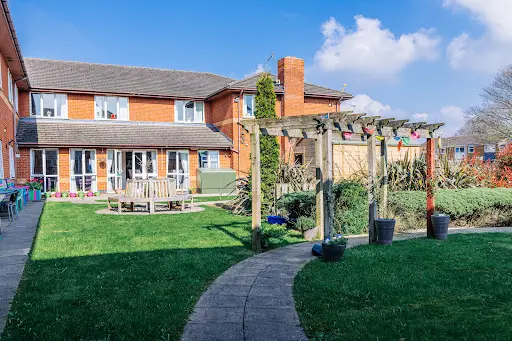
The home & environment
The kitchen serves proper home-cooked food — the kind that gets people talking about their favourites at mealtimes. Families mention practical touches too, like having the hairdresser come to the home and a chiropodist for foot care. These aren't just services; they're part of keeping life feeling normal.
“It's worth spending time here yourself to see if it feels right — sometimes you just know when you walk through the door.”
DCC does not edit or curate content in this tab. For independently curated information, see The Evidence and DCC Verdict.