St Aubyns Nursing Home
At a Glance
The information you need to decide whether this home warrants a closer look.
Nursing homes
Staff warmth score
of reviewers answered yes
Good to know
- Registered beds39
- SpecialismsCaring for adults over 65 yrs, Dementia, Physical disabilities
- Last inspected2020-02-20
Save St Aubyns Nursing Home to your shortlist
Keep a running list, add visit notes, and compare homes side-by-side. Free account — it takes a minute.
STAGE 4 — RESEARCHING CARE HOMES
Visit homes. Compare them side by side. Choose with confidence.
Most of us will view care homes the way we view houses, impression, atmosphere, the feeling in the corridor. We go home, try to remember what we saw, and make a permanent decision from a blurred memory.

The DCC shortlist gives every home you visit a structured record: the same twelve questions, answered the same way, every time. When you’re ready to choose, pull any two homes side by side and compare them directly. Same criteria, same evidence, your notes and your scores.
The Evidence
What the review data, the inspection reports, and the dementia-care evidence base tell us about this home.
What families say
Families notice how staff interact with residents — not just completing tasks but actually connecting with them. People describe feeling the warmth and respect in how care is delivered here. The atmosphere stays consistently calm and positive, which families find reassuring during their visits.
The eight family priority themes
- Staff warmth72
- Compassion & dignity72
- Cleanliness70
- Activities & engagement60
- Food quality60
- Healthcare70
- Management & leadership74
- Resident happiness68
What inspectors found
Inspected 2020-02-20
Is this home safe?
Is the care effective?
The effective domain was rated Good at the February 2022 inspection. This covers training, care planning, healthcare access, and food and nutrition. The published summary does not record specific findings on dementia training content, GP access frequency, care plan review schedules, or mealtime observations. The home's registered specialism includes dementia care, which means inspectors would have been expected to assess dementia-specific practice.Is this home caring?
The caring domain was rated Good at the February 2022 inspection. This domain covers staff warmth, dignity, respect, and how well staff know and respond to individual residents. The published summary does not include direct inspector observations of staff interactions, resident quotes about how they feel treated, or examples of privacy and dignity in practice. The home specialises in dementia care, where non-verbal communication and staff who know each person's history are especially important.Is the home responsive?
The responsive domain was rated Good at the February 2022 inspection. This domain covers activities, individual engagement, responsiveness to changing needs, and end-of-life care planning. The published summary does not specify what activities are offered, how they are tailored to individuals with dementia, or whether one-to-one engagement is available for people who cannot join group sessions. The home has 39 beds and cares for people with dementia and physical disabilities, a mix that typically requires a varied and flexible activity offer.Is the home well-led?
The well-led domain was rated Good at the February 2022 inspection. The home is run by Karuna Care Limited, with a named registered manager and a nominated individual recorded at registration. The improvement from a previous Requires Improvement rating across the whole home indicates that leadership took action in response to inspection findings. The published summary does not provide detail on management visibility, staff culture, how complaints are handled, or how incidents are reviewed and learned from.
Source: CQC inspection report →
What the evidence base says
St Aubyns specialises in dementia care, supporting adults over 65, and caring for those with physical disabilities. Their experience shows particularly in how they handle complex care needs while maintaining residents' dignity. The dementia care here focuses on creating that calm, engaged environment where residents feel secure. Staff clearly understand how to communicate and connect with residents living with dementia, helping them feel valued rather than just looked after. All areas worth probing directly during a visit.
The DCC Verdict
Our editorial view, built from the three lenses: what families tell us, what inspectors record, and how the home sits against good dementia-care practice.
DCC Family Score
St Aubyns Nursing Home scores 72 out of 100, reflecting a solid Good rating achieved across all five inspection domains after previously requiring improvement. The score is tempered by limited specific detail in the published report, meaning the rating is credible but families will need to gather further evidence directly from the home.
Homes in London typically score 68–82.The three-lens summary
What families tell us
Families notice how staff interact with residents — not just completing tasks but actually connecting with them. People describe feeling the warmth and respect in how care is delivered here. The atmosphere stays consistently calm and positive, which families find reassuring during their visits.
What inspectors have recorded
Staff here show real attentiveness to residents' needs, with families describing them as friendly and respectful across all their interactions. The way staff support families during end-of-life care particularly stands out — they provide compassionate care that extends beyond just the resident to include grieving relatives.
How it sits against good practice
For families facing difficult decisions about care, St Aubyns offers something that matters — genuine human connection alongside professional care.
Worth a visit
St Aubyns Nursing Home, at 35 Priestlands Park Road, Sidcup, was rated Good across all five inspection domains at its last full inspection in February 2022. Inspectors found no evidence requiring a reassessment as recently as July 2023. Notably, this represents a genuine improvement from a previous Requires Improvement rating, which suggests the management team addressed real concerns and made measurable progress. The home cares for up to 39 people, including those living with dementia and physical disabilities. The main uncertainty here is the level of published detail. The inspection summary available is brief and does not include direct observations, resident quotes, or specific examples of care practice. That means families cannot rely on this report alone to judge what daily life looks like for your mum or dad. A planned visit, a conversation with the registered manager, and targeted questions about staffing, activities, and night-time care are essential before making a decision.
The three questions to ask when you visitSave this home. Compare it against your shortlist.
Let our analysis show you how St Aubyns Nursing Home measures up against the other homes you’re considering. Free account.
In Their Own Words
How St Aubyns Nursing Home describes itself — collected from its own website. DCC has not edited or independently verified the content in this tab.
Where dignity meets genuine warmth in every interaction
St Aubyns Nursing Home – Your Trusted nursing home
When families talk about St Aubyns Nursing Home in Sidcup, they describe a place where staff genuinely engage with residents rather than just caring for them. This nursing home specialises in dementia care and supporting adults over 65 with physical disabilities. What strikes visitors is the calm, happy atmosphere they find here.
Who they care for
St Aubyns specialises in dementia care, supporting adults over 65, and caring for those with physical disabilities. Their experience shows particularly in how they handle complex care needs while maintaining residents' dignity.
The dementia care here focuses on creating that calm, engaged environment where residents feel secure. Staff clearly understand how to communicate and connect with residents living with dementia, helping them feel valued rather than just looked after.
“For families facing difficult decisions about care, St Aubyns offers something that matters — genuine human connection alongside professional care.”
DCC does not edit or curate content in this tab. For independently curated information, see The Evidence and DCC Verdict.
The DCC Verdict
Our editorial view, built from the three lenses: what families tell us, what inspectors record, and how the home sits against good dementia-care practice.
DCC Family Score
St Aubyns Nursing Home scores 72 out of 100, reflecting a solid Good rating achieved across all five inspection domains after previously requiring improvement. The score is tempered by limited specific detail in the published report, meaning the rating is credible but families will need to gather further evidence directly from the home.
Homes in London typically score 68–82.The three-lens summary
What families tell us
Families notice how staff interact with residents — not just completing tasks but actually connecting with them. People describe feeling the warmth and respect in how care is delivered here. The atmosphere stays consistently calm and positive, which families find reassuring during their visits.
What inspectors have recorded
Staff here show real attentiveness to residents' needs, with families describing them as friendly and respectful across all their interactions. The way staff support families during end-of-life care particularly stands out — they provide compassionate care that extends beyond just the resident to include grieving relatives.
How it sits against good practice
For families facing difficult decisions about care, St Aubyns offers something that matters — genuine human connection alongside professional care.
Worth a visit
St Aubyns Nursing Home, at 35 Priestlands Park Road, Sidcup, was rated Good across all five inspection domains at its last full inspection in February 2022. Inspectors found no evidence requiring a reassessment as recently as July 2023. Notably, this represents a genuine improvement from a previous Requires Improvement rating, which suggests the management team addressed real concerns and made measurable progress. The home cares for up to 39 people, including those living with dementia and physical disabilities. The main uncertainty here is the level of published detail. The inspection summary available is brief and does not include direct observations, resident quotes, or specific examples of care practice. That means families cannot rely on this report alone to judge what daily life looks like for your mum or dad. A planned visit, a conversation with the registered manager, and targeted questions about staffing, activities, and night-time care are essential before making a decision.
The three questions to ask when you visitSave this home. Compare it against your shortlist.
Let our analysis show you how St Aubyns Nursing Home measures up against the other homes you’re considering. Free account.
In Their Own Words
How St Aubyns Nursing Home describes itself — collected from its own website. DCC has not edited or independently verified the content in this tab.
Where dignity meets genuine warmth in every interaction
St Aubyns Nursing Home – Your Trusted nursing home
When families talk about St Aubyns Nursing Home in Sidcup, they describe a place where staff genuinely engage with residents rather than just caring for them. This nursing home specialises in dementia care and supporting adults over 65 with physical disabilities. What strikes visitors is the calm, happy atmosphere they find here.
Who they care for
St Aubyns specialises in dementia care, supporting adults over 65, and caring for those with physical disabilities. Their experience shows particularly in how they handle complex care needs while maintaining residents' dignity.
The dementia care here focuses on creating that calm, engaged environment where residents feel secure. Staff clearly understand how to communicate and connect with residents living with dementia, helping them feel valued rather than just looked after.
Management & ethos
Staff here show real attentiveness to residents' needs, with families describing them as friendly and respectful across all their interactions. The way staff support families during end-of-life care particularly stands out — they provide compassionate care that extends beyond just the resident to include grieving relatives.
The home & environment
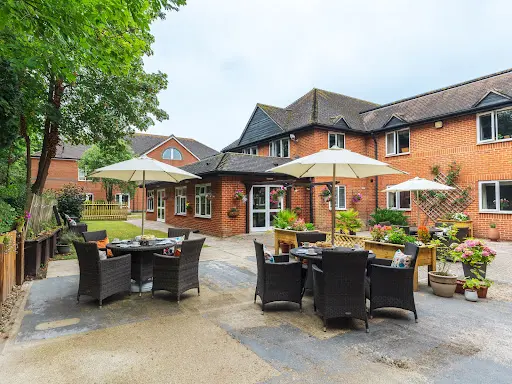
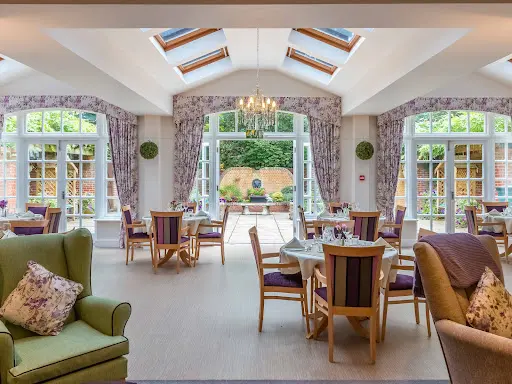
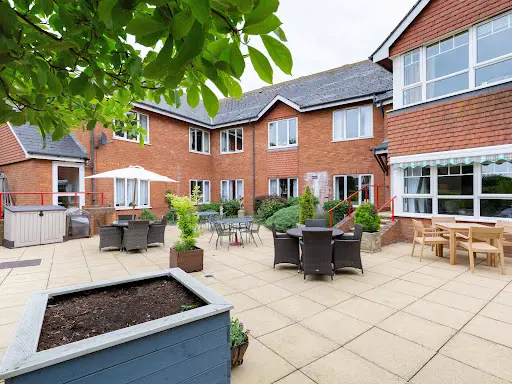
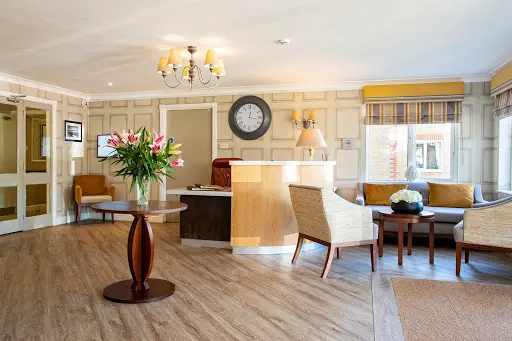
The cleanliness standards catch visitors' attention, with families remarking on fresh, clean environments without the institutional smell often found in care settings. Food quality gets positive mentions too, and there are activities that help residents stay engaged with daily life.
“For families facing difficult decisions about care, St Aubyns offers something that matters — genuine human connection alongside professional care.”
DCC does not edit or curate content in this tab. For independently curated information, see The Evidence and DCC Verdict.