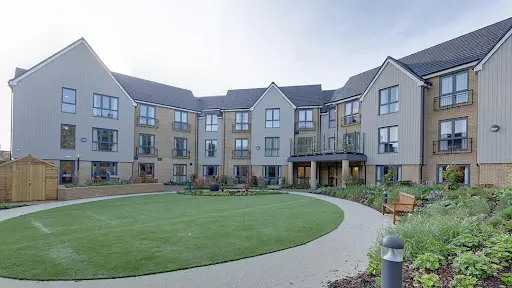
Abbotsleigh Mews Care Home – Bupa

At a Glance
The information you need to decide whether this home warrants a closer look.
Nursing homes
Staff warmth score
of reviewers answered yes
Good to know
- Registered beds120
- SpecialismsCaring for adults over 65 yrs, Dementia
- Last inspected2023-08-10
Save Abbotsleigh Mews Care Home – Bupa to your shortlist
Keep a running list, add visit notes, and compare homes side-by-side. Free account — it takes a minute.
STAGE 4 — RESEARCHING CARE HOMES
Visit homes. Compare them side by side. Choose with confidence.
Most of us will view care homes the way we view houses, impression, atmosphere, the feeling in the corridor. We go home, try to remember what we saw, and make a permanent decision from a blurred memory.

The DCC shortlist gives every home you visit a structured record: the same twelve questions, answered the same way, every time. When you’re ready to choose, pull any two homes side by side and compare them directly. Same criteria, same evidence, your notes and your scores.
The Evidence
What the review data, the inspection reports, and the dementia-care evidence base tell us about this home.
What families say
Families consistently notice how their loved ones adapt to life here, building meaningful relationships with staff who show genuine emotional warmth. The home runs a programme of entertainment and seasonal events, with residents joining in singing, dancing and social activities that bring structure and joy to each day.
The eight family priority themes
- Staff warmth72
- Compassion & dignity72
- Cleanliness70
- Activities & engagement65
- Food quality65
- Healthcare70
- Management & leadership72
- Resident happiness68
What inspectors found
Inspected 2023-08-10
Is this home safe?
Is the care effective?
The Effective domain was rated Good at the March 2025 inspection. This domain covers training, care planning, healthcare access, nutrition, and how well the home applies its knowledge to individual residents. No specific detail about dementia training content, GP access frequency, or care plan quality is available in the published findings. The home's specialism in dementia means the quality of care planning for people with cognitive impairment is a particular priority for families.Is this home caring?
The Caring domain was rated Good at the March 2025 inspection. This domain reflects how inspectors assessed staff warmth, dignity, privacy, and whether residents were treated as individuals. No resident quotes, relative feedback, or specific inspector observations about staff interactions are available in the published findings. The absence of specific detail makes it impossible to say from the report alone whether the Good rating reflects exceptional warmth or basic compliance.Is the home responsive?
The Responsive domain was rated Good at the March 2025 inspection. This domain covers how well the home tailors care to individual needs, whether activities are meaningful and accessible, and how end-of-life care is planned. No specific activity examples, engagement data, or end-of-life care detail is available in the published findings. For a 120-bed home with a dementia specialism, the range and quality of activities and the availability of one-to-one engagement are important factors that families cannot assess from this report alone.Is the home well-led?
The Well-led domain was rated Good at the March 2025 inspection, and the home has improved from an overall Requires Improvement rating under the current registered manager. Ms Christen San Pedro is the named registered manager and Mr Donald Day is the nominated individual for the provider, Bupa Care Homes (CFHCare) Limited. No specific detail about management culture, staff feedback mechanisms, governance processes, or family communication practices is available in the published findings. The improvement from Requires Improvement to Good is a meaningful signal that leadership has made a positive difference.
Source: CQC inspection report →
What the evidence base says
The home cares for adults over 65, including those living with dementia. They also provide palliative care when needed, with families noting the quality of support during these sensitive times. For residents with dementia, the staff's patient approach helps create stability and routine. The combination of structured activities and compassionate daily care provides the consistency that can make such a difference. All areas worth probing directly during a visit.
The DCC Verdict
Our editorial view, built from the three lenses: what families tell us, what inspectors record, and how the home sits against good dementia-care practice.
DCC Family Score
Abbotsleigh Mews Care Home has moved from Requires Improvement to a Good rating across all five domains, which is a meaningful step forward. However, because the published inspection report contains very little specific observational detail, the scores reflect confirmed improvement rather than rich, specific evidence of outstanding day-to-day care.
Homes in London typically score 68–82.The three-lens summary
What families tell us
Families consistently notice how their loved ones adapt to life here, building meaningful relationships with staff who show genuine emotional warmth. The home runs a programme of entertainment and seasonal events, with residents joining in singing, dancing and social activities that bring structure and joy to each day.
What inspectors have recorded
Staff here listen carefully to families' concerns and keep communication flowing with regular updates about daily routines and activities. When questions arise, families find the team responds openly and works to address any worries that come up.
How it sits against good practice
With both private and local authority-funded places available, it's worth having an early conversation about options and planning.
Worth a visit
Abbotsleigh Mews Care Home in Sidcup was assessed in March 2025 and rated Good across all five domains, with the report published in June 2025. This is a genuine improvement from its previous rating of Requires Improvement, which matters because it shows the home has made measurable progress under its current registered manager, Ms Christen San Pedro. The home is a large 120-bed nursing home run by Bupa Care Homes, specialising in older adults and dementia care. The main limitation of this report is that very little specific observational detail has been published. You cannot tell from the available text exactly what inspectors saw, heard, or read during their visit. This means the Good rating is confirmed, but the texture of daily life, how warm staff actually are, what activities look like, how mealtimes run, is not described. Before making a decision, visit the home in person at a mealtime if possible, ask to see last week's actual activity log, and ask the manager directly how many permanent staff work nights on the dementia unit.
The three questions to ask when you visitSave this home. Compare it against your shortlist.
Let our analysis show you how Abbotsleigh Mews Care Home – Bupa measures up against the other homes you’re considering. Free account.
In Their Own Words
How Abbotsleigh Mews Care Home – Bupa describes itself — collected from its own website. DCC has not edited or independently verified the content in this tab.
Where compassion meets comfort in every daily moment
Compassionate Care in Sidcup at Abbotsleigh Mews Care Home
When families describe the care at Abbotsleigh Mews Care Home in Sidcup, they talk about genuine kindness and residents who settle in quickly. This London care home has built its reputation on treating each person with real warmth and dignity, creating an environment where new residents often feel at ease within just days of arriving.
Who they care for
The home cares for adults over 65, including those living with dementia. They also provide palliative care when needed, with families noting the quality of support during these sensitive times.
For residents with dementia, the staff's patient approach helps create stability and routine. The combination of structured activities and compassionate daily care provides the consistency that can make such a difference.
“With both private and local authority-funded places available, it's worth having an early conversation about options and planning.”
DCC does not edit or curate content in this tab. For independently curated information, see The Evidence and DCC Verdict.
The DCC Verdict
Our editorial view, built from the three lenses: what families tell us, what inspectors record, and how the home sits against good dementia-care practice.
DCC Family Score
Abbotsleigh Mews Care Home has moved from Requires Improvement to a Good rating across all five domains, which is a meaningful step forward. However, because the published inspection report contains very little specific observational detail, the scores reflect confirmed improvement rather than rich, specific evidence of outstanding day-to-day care.
Homes in London typically score 68–82.The three-lens summary
What families tell us
Families consistently notice how their loved ones adapt to life here, building meaningful relationships with staff who show genuine emotional warmth. The home runs a programme of entertainment and seasonal events, with residents joining in singing, dancing and social activities that bring structure and joy to each day.
What inspectors have recorded
Staff here listen carefully to families' concerns and keep communication flowing with regular updates about daily routines and activities. When questions arise, families find the team responds openly and works to address any worries that come up.
How it sits against good practice
With both private and local authority-funded places available, it's worth having an early conversation about options and planning.
Worth a visit
Abbotsleigh Mews Care Home in Sidcup was assessed in March 2025 and rated Good across all five domains, with the report published in June 2025. This is a genuine improvement from its previous rating of Requires Improvement, which matters because it shows the home has made measurable progress under its current registered manager, Ms Christen San Pedro. The home is a large 120-bed nursing home run by Bupa Care Homes, specialising in older adults and dementia care. The main limitation of this report is that very little specific observational detail has been published. You cannot tell from the available text exactly what inspectors saw, heard, or read during their visit. This means the Good rating is confirmed, but the texture of daily life, how warm staff actually are, what activities look like, how mealtimes run, is not described. Before making a decision, visit the home in person at a mealtime if possible, ask to see last week's actual activity log, and ask the manager directly how many permanent staff work nights on the dementia unit.
The three questions to ask when you visitSave this home. Compare it against your shortlist.
Let our analysis show you how Abbotsleigh Mews Care Home – Bupa measures up against the other homes you’re considering. Free account.
In Their Own Words
How Abbotsleigh Mews Care Home – Bupa describes itself — collected from its own website. DCC has not edited or independently verified the content in this tab.
Where compassion meets comfort in every daily moment
Compassionate Care in Sidcup at Abbotsleigh Mews Care Home
When families describe the care at Abbotsleigh Mews Care Home in Sidcup, they talk about genuine kindness and residents who settle in quickly. This London care home has built its reputation on treating each person with real warmth and dignity, creating an environment where new residents often feel at ease within just days of arriving.
Who they care for
The home cares for adults over 65, including those living with dementia. They also provide palliative care when needed, with families noting the quality of support during these sensitive times.
For residents with dementia, the staff's patient approach helps create stability and routine. The combination of structured activities and compassionate daily care provides the consistency that can make such a difference.
Management & ethos
Staff here listen carefully to families' concerns and keep communication flowing with regular updates about daily routines and activities. When questions arise, families find the team responds openly and works to address any worries that come up.
“With both private and local authority-funded places available, it's worth having an early conversation about options and planning.”
DCC does not edit or curate content in this tab. For independently curated information, see The Evidence and DCC Verdict.