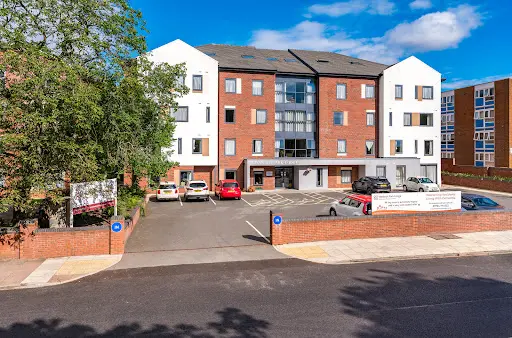
Ruskin Lodge.
At a Glance
The information you need to decide whether this home warrants a closer look.
Residential homes
Staff warmth score
of reviewers answered yes
Good to know
- Registered beds23
- SpecialismsCaring for adults over 65 yrs, Dementia
- Last inspected2018-03-28
Save Ruskin Lodge. to your shortlist
Keep a running list, add visit notes, and compare homes side-by-side. Free account — it takes a minute.
STAGE 4 — RESEARCHING CARE HOMES
Visit homes. Compare them side by side. Choose with confidence.
Most of us will view care homes the way we view houses, impression, atmosphere, the feeling in the corridor. We go home, try to remember what we saw, and make a permanent decision from a blurred memory.

The DCC shortlist gives every home you visit a structured record: the same twelve questions, answered the same way, every time. When you’re ready to choose, pull any two homes side by side and compare them directly. Same criteria, same evidence, your notes and your scores.
The Evidence
What the review data, the inspection reports, and the dementia-care evidence base tell us about this home.
What families say
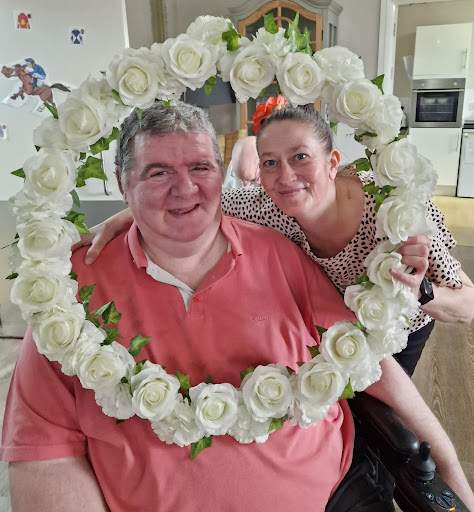
The warmth here comes through in the small moments. Residents talk about staff who remember their preferences and take time for proper conversations. People mention feeling comfortable quickly, with the kind of natural friendliness that helps someone settle into unfamiliar surroundings.
The eight family priority themes
- Staff warmth72
- Compassion & dignity72
- Cleanliness72
- Activities & engagement65
- Food quality65
- Healthcare68
- Management & leadership74
- Resident happiness70
What inspectors found
Inspected 2018-03-28
Is this home safe?
Is the care effective?
The April 2025 inspection rated the Effective domain as Good. The published report does not include specific observations about care plan quality, dementia training content, GP access, or food provision at Ruskin Lodge. The home specialises in dementia care, which means effective practice requires more than general good care: it requires staff who understand how dementia affects communication, behaviour, and everyday needs. No concerns were raised, but the level of detail in the published findings does not allow specific practices to be confirmed.Is this home caring?
The April 2025 inspection rated the Caring domain as Good. The published report does not include specific observations about how staff interact with residents, whether residents are addressed by preferred names, or how dignity is maintained during personal care. A Good rating in Caring means inspectors found no evidence of disrespect or poor practice, but the absence of specific observations means the quality of day-to-day interactions cannot be confirmed from the report alone.Is the home responsive?
The April 2025 inspection rated the Responsive domain as Good. The published report does not include specific observations about the activities programme, individual engagement, end-of-life planning, or how the home responds to changing needs. For a 23-bed home specialising in dementia, responsiveness is particularly important because people's needs can change quickly and the activity programme needs to be adapted to individuals, not just delivered to a group.Is the home well-led?
The April 2025 inspection rated the Well-led domain as Good. Mrs Samantha Louise Desmond is the named registered manager, and Miss Vivien Simon is the nominated individual, indicating a clear governance structure. The published report does not include specific observations about the manager's visibility on the floor, staff culture, how the home handles complaints, or how it learns from incidents. A Good rating in Well-led means inspectors found leadership to be adequate and governance systems in place.
Source: CQC inspection report →
What the evidence base says
The home cares for adults over 65, with particular experience in dementia support. They offer both permanent residence and respite stays. For those living with dementia, the combination of consistent routines and engaging activities helps create a reassuring environment. The home's approach to short stays can work particularly well for families managing dementia care at home who need occasional breaks. All areas worth probing directly during a visit.
The DCC Verdict
Our editorial view, built from the three lenses: what families tell us, what inspectors record, and how the home sits against good dementia-care practice.
DCC Family Score
Ruskin Lodge received a Good rating across all five inspection domains at its April 2025 assessment, which is a positive baseline. However, the published report text provides very limited specific detail, so scores reflect the Good rating rather than verified, observed evidence.
Homes in North West typically score 68–82.The three-lens summary
What families tell us
The warmth here comes through in the small moments. Residents talk about staff who remember their preferences and take time for proper conversations. People mention feeling comfortable quickly, with the kind of natural friendliness that helps someone settle into unfamiliar surroundings.
What inspectors have recorded
How it sits against good practice
Sometimes the best recommendation is when someone chooses to come back.
Worth a visit
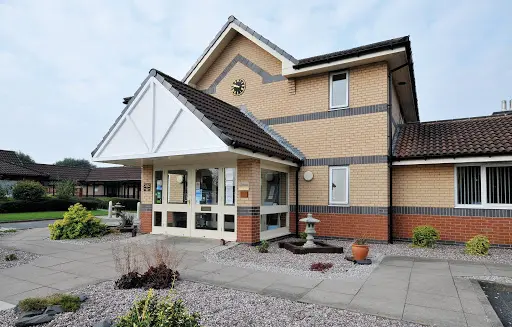
Ruskin Lodge, on Swinburne Road in St Helens, was rated Good across all five inspection domains at its most recent assessment in April 2025. The home is registered to care for up to 23 people, including adults over 65 living with dementia, and is run by Pilkington Retirement Services Limited with a named registered manager in post. A consistent Good rating is a meaningful starting point: it means inspectors found no significant concerns about safety, care quality, leadership, or responsiveness. The main uncertainty here is that the published inspection report contains very limited specific detail, so it is not possible to verify what inspectors actually observed about staff warmth, food, activities, night staffing, or the dementia environment. These are the things families tell us matter most, and they are precisely what you need to investigate yourself on a visit. Ask to see last week's actual staffing rota, spend time in a communal area at a mealtime, and ask the manager directly how many permanent staff work the night shift on the dementia unit.
The three questions to ask when you visitSave this home. Compare it against your shortlist.
Let our analysis show you how Ruskin Lodge. measures up against the other homes you’re considering. Free account.
In Their Own Words
How Ruskin Lodge. describes itself — collected from its own website. DCC has not edited or independently verified the content in this tab.
Where respite stays become something to look forward to
Residential home in St Helens: True Peace of Mind
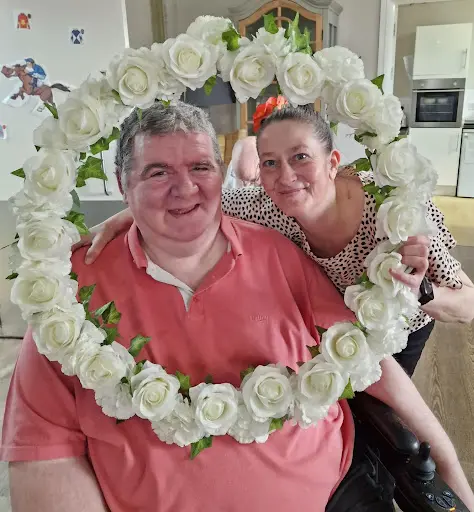
Ruskin Lodge in St Helens has discovered something special about short breaks. Families who initially book a week's respite find their relatives asking to go back — not because they need to, but because they want to. This care home in the North West has turned what could be a difficult transition into something residents genuinely enjoy.
Who they care for
The home cares for adults over 65, with particular experience in dementia support. They offer both permanent residence and respite stays.
For those living with dementia, the combination of consistent routines and engaging activities helps create a reassuring environment. The home's approach to short stays can work particularly well for families managing dementia care at home who need occasional breaks.
“Sometimes the best recommendation is when someone chooses to come back.”
DCC does not edit or curate content in this tab. For independently curated information, see The Evidence and DCC Verdict.
The DCC Verdict
Our editorial view, built from the three lenses: what families tell us, what inspectors record, and how the home sits against good dementia-care practice.
DCC Family Score
Ruskin Lodge received a Good rating across all five inspection domains at its April 2025 assessment, which is a positive baseline. However, the published report text provides very limited specific detail, so scores reflect the Good rating rather than verified, observed evidence.
Homes in North West typically score 68–82.The three-lens summary
What families tell us
The warmth here comes through in the small moments. Residents talk about staff who remember their preferences and take time for proper conversations. People mention feeling comfortable quickly, with the kind of natural friendliness that helps someone settle into unfamiliar surroundings.
What inspectors have recorded
How it sits against good practice
Sometimes the best recommendation is when someone chooses to come back.
Worth a visit
Ruskin Lodge, on Swinburne Road in St Helens, was rated Good across all five inspection domains at its most recent assessment in April 2025. The home is registered to care for up to 23 people, including adults over 65 living with dementia, and is run by Pilkington Retirement Services Limited with a named registered manager in post. A consistent Good rating is a meaningful starting point: it means inspectors found no significant concerns about safety, care quality, leadership, or responsiveness. The main uncertainty here is that the published inspection report contains very limited specific detail, so it is not possible to verify what inspectors actually observed about staff warmth, food, activities, night staffing, or the dementia environment. These are the things families tell us matter most, and they are precisely what you need to investigate yourself on a visit. Ask to see last week's actual staffing rota, spend time in a communal area at a mealtime, and ask the manager directly how many permanent staff work the night shift on the dementia unit.
The three questions to ask when you visitSave this home. Compare it against your shortlist.
Let our analysis show you how Ruskin Lodge. measures up against the other homes you’re considering. Free account.
In Their Own Words
How Ruskin Lodge. describes itself — collected from its own website. DCC has not edited or independently verified the content in this tab.
Where respite stays become something to look forward to
Residential home in St Helens: True Peace of Mind
Ruskin Lodge in St Helens has discovered something special about short breaks. Families who initially book a week's respite find their relatives asking to go back — not because they need to, but because they want to. This care home in the North West has turned what could be a difficult transition into something residents genuinely enjoy.
Who they care for
The home cares for adults over 65, with particular experience in dementia support. They offer both permanent residence and respite stays.
For those living with dementia, the combination of consistent routines and engaging activities helps create a reassuring environment. The home's approach to short stays can work particularly well for families managing dementia care at home who need occasional breaks.
The home & environment
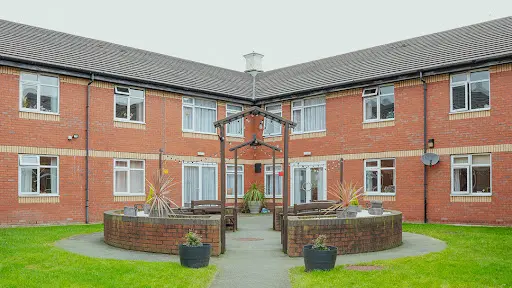
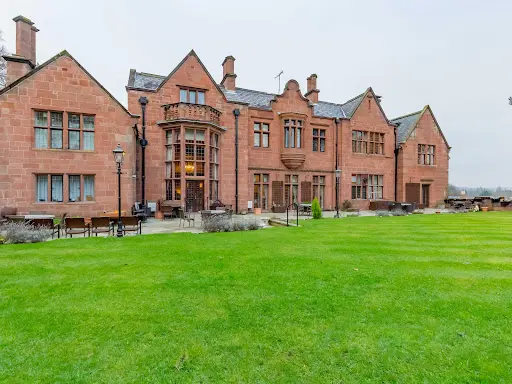
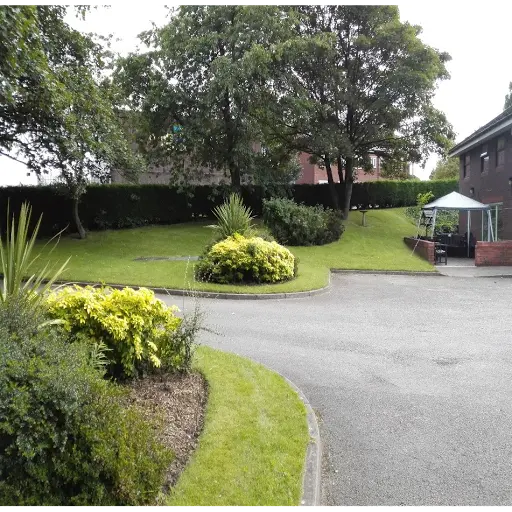
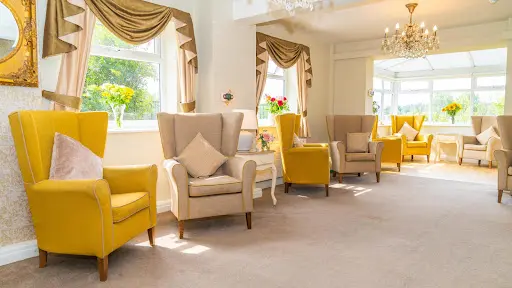
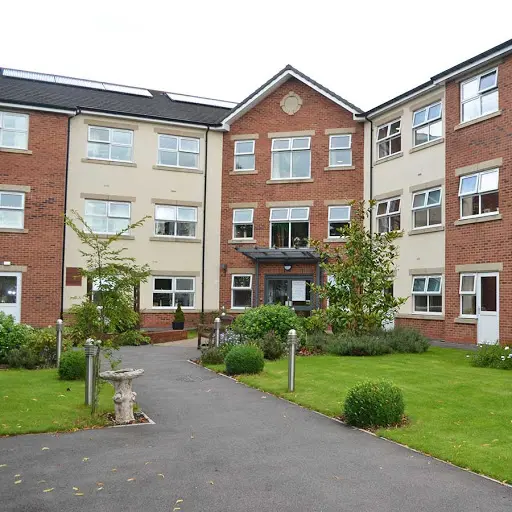
The physical space works well for residents. Rooms stay at just the right temperature, with plenty of space to move around comfortably. The home keeps everything spotlessly clean, and residents particularly enjoy the outdoor areas where they can watch sports or simply sit in the fresh air. Food gets regular mentions too — proper meals that people actually want to eat.
“Sometimes the best recommendation is when someone chooses to come back.”
DCC does not edit or curate content in this tab. For independently curated information, see The Evidence and DCC Verdict.