Paisley Court Care Home – Care UK
At a Glance
The information you need to decide whether this home warrants a closer look.
Nursing homes
Staff warmth score
of reviewers answered yes
Good to know
- Registered beds60
- SpecialismsCaring for adults over 65 yrs, Caring for adults under 65 yrs, Dementia, Learning disabilities, Mental health conditions, Physical disabilities
- Last inspected2022-11-19
Save Paisley Court Care Home – Care UK to your shortlist
Keep a running list, add visit notes, and compare homes side-by-side. Free account — it takes a minute.
STAGE 4 — RESEARCHING CARE HOMES
Visit homes. Compare them side by side. Choose with confidence.
Most of us will view care homes the way we view houses, impression, atmosphere, the feeling in the corridor. We go home, try to remember what we saw, and make a permanent decision from a blurred memory.

The DCC shortlist gives every home you visit a structured record: the same twelve questions, answered the same way, every time. When you’re ready to choose, pull any two homes side by side and compare them directly. Same criteria, same evidence, your notes and your scores.
The Evidence
What the review data, the inspection reports, and the dementia-care evidence base tell us about this home.
What families say
The welcome starts before residents even arrive — staff reach out to families beforehand to learn about personal preferences and routines. Relatives consistently mention feeling included in their loved one's care journey, with regular updates keeping them informed. The warmth extends across the whole team, from carers to domestic staff, creating an atmosphere where families feel genuinely welcomed rather than just tolerated during visits.
The eight family priority themes
- Staff warmth72
- Compassion & dignity72
- Cleanliness68
- Activities & engagement68
- Food quality68
- Healthcare70
- Management & leadership72
- Resident happiness70
What inspectors found
Inspected 2022-11-19
Is this home safe?
Is the care effective?
Effective was rated Good at the December 2024 inspection. This domain typically covers care planning, staff training, healthcare access including GP involvement, nutrition, and how well the home understands and meets individual needs. The published summary does not include specific observations or examples to illustrate what inspectors found, so it is not possible to confirm detail on any of these areas from the report alone. The Good rating indicates inspectors were broadly satisfied, but the evidence base behind it is not visible in the published text.Is this home caring?
Caring was rated Good at the December 2024 inspection. This domain covers how staff treat the people who live here: whether they are warm and unhurried, whether they respect privacy and dignity, whether they use preferred names, and whether residents are supported to maintain independence where possible. The published summary provides a rating but no specific observations, quotes, or descriptions of what inspectors saw. A Good rating indicates broad satisfaction but without specific evidence it is not possible to confirm what this looked like in practice at Paisley Court.Is the home responsive?
Responsive was rated Good at the December 2024 inspection. This domain covers whether the home provides meaningful activities, responds to individual preferences, supports residents to maintain their identity and interests, and has appropriate arrangements for end-of-life care. As with the other domains, the published summary provides the rating without accompanying specific evidence, observations, or examples. It is therefore not possible to confirm from the report what activities are available, how they are tailored to individuals, or what end-of-life planning looks like at Paisley Court.Is the home well-led?
Well-led was rated Good at the December 2024 inspection. The home is operated by Community Health Services Limited, with Miss Christina Louise Owens as registered manager and Ms Rachel Louise Harvey as nominated individual. A defined leadership structure is therefore in place. The published summary does not provide specific observations about management visibility, staff culture, governance processes, or how the home learns from incidents and complaints. The Good rating indicates inspectors were broadly satisfied with leadership, but the detail behind that finding is not available in the published text.
Source: CQC inspection report →
What the evidence base says
The home caters for adults both under and over 65 with a range of complex needs including dementia, learning disabilities, mental health conditions and physical disabilities. This diverse expertise means residents with multiple or changing needs can often stay in familiar surroundings. For residents with dementia, the staff work to maintain routines and preferences learned from families. The open visiting policy particularly helps relatives of dementia residents stay connected and involved in care decisions as conditions progress. All areas worth probing directly during a visit.
The DCC Verdict
Our editorial view, built from the three lenses: what families tell us, what inspectors record, and how the home sits against good dementia-care practice.
DCC Family Score
Paisley Court's most recent full assessment (December 2024) returned Good ratings across four of five domains, with Safe rated Requires Improvement. The overall score reflects genuine positive findings in care and leadership, tempered by unresolved safety concerns and a lack of specific detail in the published report.
Homes in North West typically score 68–82.The three-lens summary
What families tell us
The welcome starts before residents even arrive — staff reach out to families beforehand to learn about personal preferences and routines. Relatives consistently mention feeling included in their loved one's care journey, with regular updates keeping them informed. The warmth extends across the whole team, from carers to domestic staff, creating an atmosphere where families feel genuinely welcomed rather than just tolerated during visits.
What inspectors have recorded
Communication stands out as a real strength here, with staff proactively keeping families informed about their relative's wellbeing and any changes in care needs. During the most difficult times, families have found particular comfort in the gentle, dignified approach to end-of-life care. However, some concerns have been raised about recognising and responding to pain in residents who struggle to communicate their needs clearly.
How it sits against good practice
With its focus on family involvement and specialist support for complex conditions, Paisley Court offers care that adapts to changing needs while keeping loved ones at the heart of decisions.
Worth a visit
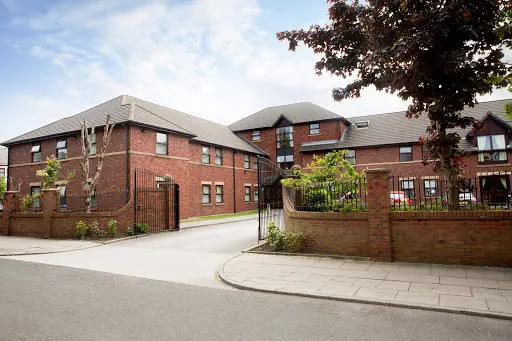
Paisley Court, on Gemini Drive in Liverpool, was assessed in December 2024 and the report was published in January 2025. Four of the five inspection domains (Effective, Caring, Responsive, and Well-led) were each rated Good. That is a meaningful baseline: inspectors found enough evidence across care quality, responsiveness to residents, and leadership to award positive ratings in those areas. The home cares for a wide range of needs including dementia, learning disabilities, mental health conditions, and physical disabilities across 60 beds. The most important caveat is that Safe was rated Requires Improvement, and the published report provides very little specific detail to explain what inspectors found in any domain. This home was previously rated Good overall and has since declined to Requires Improvement overall. Before visiting, note that the Safe rating is the one that most directly affects your parent's day-to-day security. On your visit, ask the manager to explain precisely what the safety concerns were and what has changed since the inspection. Ask to see the staffing rota for the past fortnight, ask about night-time cover specifically, and ask how the home has responded to any incidents or falls since December 2024.
The three questions to ask when you visitSave this home. Compare it against your shortlist.
Let our analysis show you how Paisley Court Care Home – Care UK measures up against the other homes you’re considering. Free account.
In Their Own Words
How Paisley Court Care Home – Care UK describes itself — collected from its own website. DCC has not edited or independently verified the content in this tab.
Supporting complex needs with warmth in Liverpool
Dedicated nursing home Support in Liverpool
Families facing difficult care decisions for relatives with dementia, learning disabilities or mental health needs often find reassurance at Paisley Court in Liverpool. The home specialises in supporting adults of all ages with complex conditions, and relatives describe staff who take time to understand each person's unique preferences. Many families particularly value the open visiting arrangements that help them stay closely involved.
Who they care for
The home caters for adults both under and over 65 with a range of complex needs including dementia, learning disabilities, mental health conditions and physical disabilities. This diverse expertise means residents with multiple or changing needs can often stay in familiar surroundings.
For residents with dementia, the staff work to maintain routines and preferences learned from families. The open visiting policy particularly helps relatives of dementia residents stay connected and involved in care decisions as conditions progress.
“With its focus on family involvement and specialist support for complex conditions, Paisley Court offers care that adapts to changing needs while keeping loved ones at the heart of decisions.”
DCC does not edit or curate content in this tab. For independently curated information, see The Evidence and DCC Verdict.
The DCC Verdict
Our editorial view, built from the three lenses: what families tell us, what inspectors record, and how the home sits against good dementia-care practice.
DCC Family Score
Paisley Court's most recent full assessment (December 2024) returned Good ratings across four of five domains, with Safe rated Requires Improvement. The overall score reflects genuine positive findings in care and leadership, tempered by unresolved safety concerns and a lack of specific detail in the published report.
Homes in North West typically score 68–82.The three-lens summary
What families tell us
The welcome starts before residents even arrive — staff reach out to families beforehand to learn about personal preferences and routines. Relatives consistently mention feeling included in their loved one's care journey, with regular updates keeping them informed. The warmth extends across the whole team, from carers to domestic staff, creating an atmosphere where families feel genuinely welcomed rather than just tolerated during visits.
What inspectors have recorded
Communication stands out as a real strength here, with staff proactively keeping families informed about their relative's wellbeing and any changes in care needs. During the most difficult times, families have found particular comfort in the gentle, dignified approach to end-of-life care. However, some concerns have been raised about recognising and responding to pain in residents who struggle to communicate their needs clearly.
How it sits against good practice
With its focus on family involvement and specialist support for complex conditions, Paisley Court offers care that adapts to changing needs while keeping loved ones at the heart of decisions.
Worth a visit
Paisley Court, on Gemini Drive in Liverpool, was assessed in December 2024 and the report was published in January 2025. Four of the five inspection domains (Effective, Caring, Responsive, and Well-led) were each rated Good. That is a meaningful baseline: inspectors found enough evidence across care quality, responsiveness to residents, and leadership to award positive ratings in those areas. The home cares for a wide range of needs including dementia, learning disabilities, mental health conditions, and physical disabilities across 60 beds. The most important caveat is that Safe was rated Requires Improvement, and the published report provides very little specific detail to explain what inspectors found in any domain. This home was previously rated Good overall and has since declined to Requires Improvement overall. Before visiting, note that the Safe rating is the one that most directly affects your parent's day-to-day security. On your visit, ask the manager to explain precisely what the safety concerns were and what has changed since the inspection. Ask to see the staffing rota for the past fortnight, ask about night-time cover specifically, and ask how the home has responded to any incidents or falls since December 2024.
The three questions to ask when you visitSave this home. Compare it against your shortlist.
Let our analysis show you how Paisley Court Care Home – Care UK measures up against the other homes you’re considering. Free account.
In Their Own Words
How Paisley Court Care Home – Care UK describes itself — collected from its own website. DCC has not edited or independently verified the content in this tab.
Supporting complex needs with warmth in Liverpool
Dedicated nursing home Support in Liverpool
Families facing difficult care decisions for relatives with dementia, learning disabilities or mental health needs often find reassurance at Paisley Court in Liverpool. The home specialises in supporting adults of all ages with complex conditions, and relatives describe staff who take time to understand each person's unique preferences. Many families particularly value the open visiting arrangements that help them stay closely involved.
Who they care for
The home caters for adults both under and over 65 with a range of complex needs including dementia, learning disabilities, mental health conditions and physical disabilities. This diverse expertise means residents with multiple or changing needs can often stay in familiar surroundings.
For residents with dementia, the staff work to maintain routines and preferences learned from families. The open visiting policy particularly helps relatives of dementia residents stay connected and involved in care decisions as conditions progress.
Management & ethos
Communication stands out as a real strength here, with staff proactively keeping families informed about their relative's wellbeing and any changes in care needs. During the most difficult times, families have found particular comfort in the gentle, dignified approach to end-of-life care. However, some concerns have been raised about recognising and responding to pain in residents who struggle to communicate their needs clearly.
The home & environment
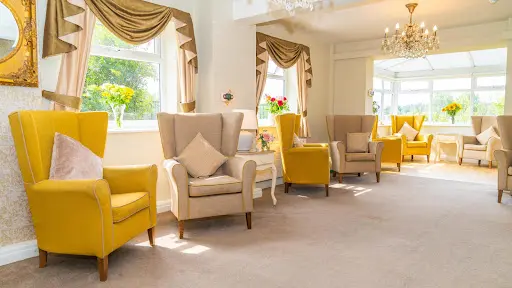
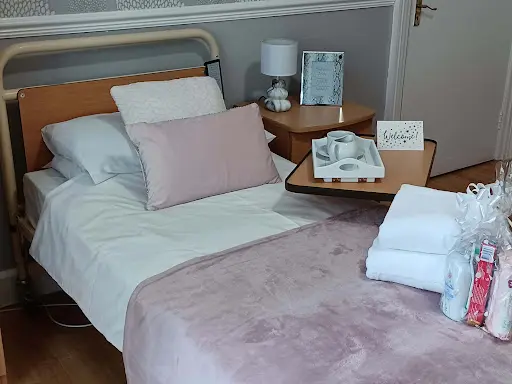
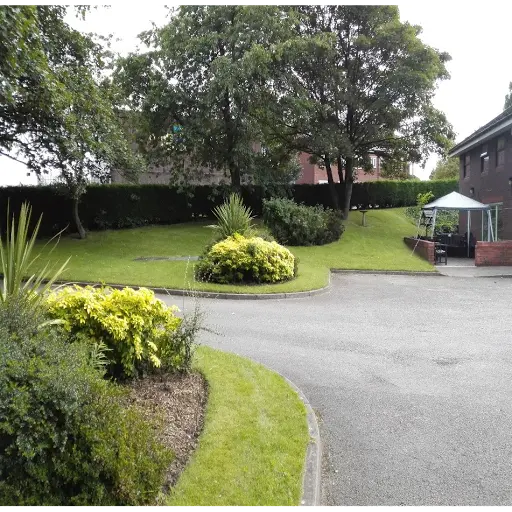
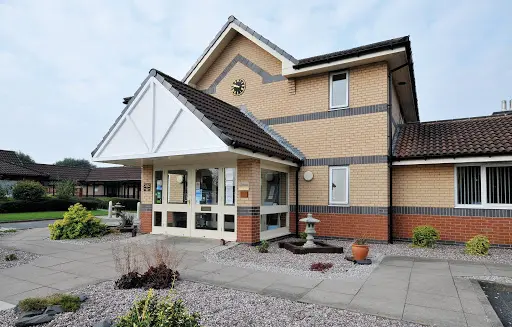
The home maintains a calendar of seasonal celebrations and visiting entertainers that brings variety to daily life. Families appreciate the flexible visiting times that let them drop in when it suits their schedules, making it easier to maintain close connections.
“With its focus on family involvement and specialist support for complex conditions, Paisley Court offers care that adapts to changing needs while keeping loved ones at the heart of decisions.”
DCC does not edit or curate content in this tab. For independently curated information, see The Evidence and DCC Verdict.