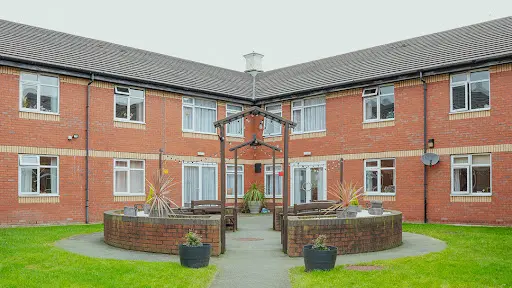
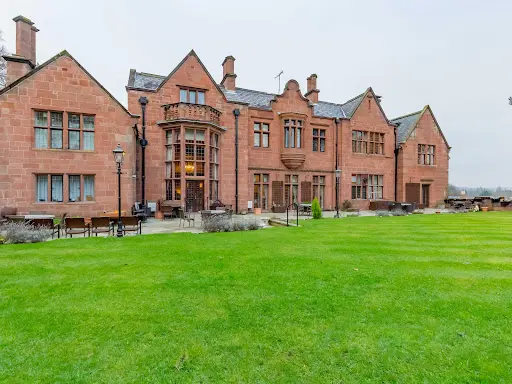
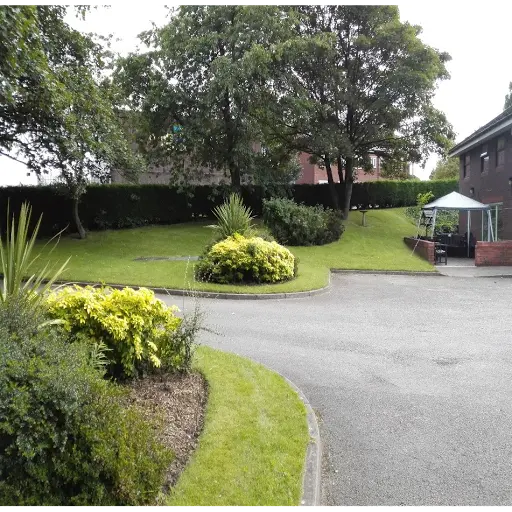
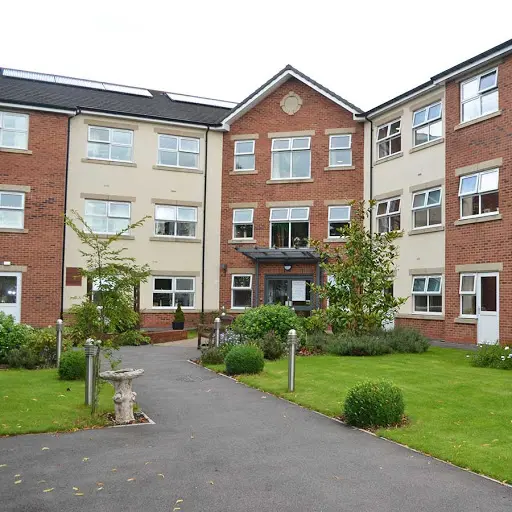
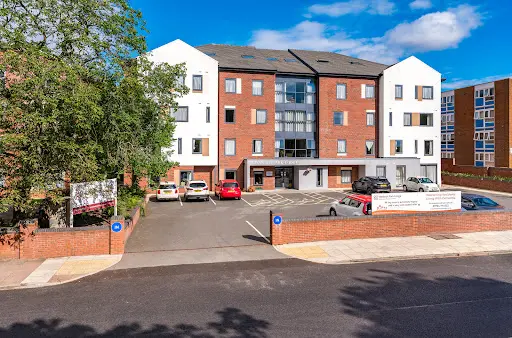
Broadoak Manor Care Home
At a Glance
The information you need to decide whether this home warrants a closer look.
Nursing homes
Staff warmth score
of reviewers answered yes
Good to know
- Registered beds120
- SpecialismsCaring for adults over 65 yrs, Caring for adults under 65 yrs, Dementia
- Last inspected2021-08-17
Save Broadoak Manor Care Home to your shortlist
Keep a running list, add visit notes, and compare homes side-by-side. Free account — it takes a minute.
STAGE 4 — RESEARCHING CARE HOMES
Visit homes. Compare them side by side. Choose with confidence.
Most of us will view care homes the way we view houses, impression, atmosphere, the feeling in the corridor. We go home, try to remember what we saw, and make a permanent decision from a blurred memory.

The DCC shortlist gives every home you visit a structured record: the same twelve questions, answered the same way, every time. When you’re ready to choose, pull any two homes side by side and compare them directly. Same criteria, same evidence, your notes and your scores.
The Evidence
What the review data, the inspection reports, and the dementia-care evidence base tell us about this home.
What families say
During end-of-life care, staff have shown genuine emotional investment, spending personal time with residents and providing thoughtful support to grieving families. Families describe staff physically comforting residents with dementia through hand-holding and gentle de-escalation when distress arises.
The eight family priority themes
- Staff warmth72
- Compassion & dignity72
- Cleanliness70
- Activities & engagement60
- Food quality60
- Healthcare68
- Management & leadership75
- Resident happiness68
What inspectors found
Inspected 2021-08-17
Is this home safe?
Is the care effective?
Effective was rated Good at the February 2022 inspection. This domain covers how well staff are trained, how care plans are written and kept up to date, how the home manages medicines, and how it supports people's health needs including GP and specialist access. The published summary does not specify the content or frequency of dementia training, does not describe how care plans are reviewed, and does not record any observations of healthcare interactions. The Good rating indicates inspectors were satisfied with the systems in place.Is this home caring?
Caring was rated Good at the February 2022 inspection. This domain covers staff warmth, dignity, respect, privacy, and whether people are supported to remain as independent as possible. The published summary does not include specific observations of staff interactions, does not record whether residents were addressed by preferred names, and does not include any quotes from residents or relatives about how they felt treated. The Good rating indicates the inspector was satisfied, but the supporting detail is not available in the published text.Is the home responsive?
Responsive was rated Good at the February 2022 inspection. This domain covers whether the home tailors its care to individual needs, whether there is a meaningful activity programme, whether people can maintain their interests and independence, and whether end-of-life care is planned. The published summary does not describe the activity programme, does not record whether one-to-one engagement is available for people with advanced dementia, and does not reference end-of-life planning arrangements. The Good rating indicates inspectors were satisfied with the systems and approaches in place.Is the home well-led?
Well-led was rated Good at the February 2022 inspection, having previously been rated Requires Improvement. This domain covers the quality of management, the culture of the home, governance systems, and whether the home learns from complaints and incidents. The improvement in this domain is particularly significant because leadership quality is a strong predictor of whether all other aspects of care are sustained over time. The published summary names the Nominated Individual as Ms Anna Gretchen Selby. No specific detail is available on manager tenure, staff culture, or governance processes.
Source: CQC inspection report →
What the evidence base says
The home cares for adults both over and under 65, with specific experience supporting residents living with dementia. Staff demonstrate hands-on approaches to dementia care, including physical comfort techniques and de-escalation strategies for residents experiencing distress. The home maintains appropriate seating arrangements for residents with mobility limitations. All areas worth probing directly during a visit.
The DCC Verdict
Our editorial view, built from the three lenses: what families tell us, what inspectors record, and how the home sits against good dementia-care practice.
DCC Family Score
Broadoak Manor Care Home scores 73 out of 100, reflecting a genuine improvement from a previous Requires Improvement rating to a Good across all five domains. The score is held back by limited specific detail in the published inspection text on activities, food, and direct resident observations.
Homes in North West typically score 68–82.The three-lens summary
What families tell us
During end-of-life care, staff have shown genuine emotional investment, spending personal time with residents and providing thoughtful support to grieving families. Families describe staff physically comforting residents with dementia through hand-holding and gentle de-escalation when distress arises.
What inspectors have recorded
How it sits against good practice
Given the mixed experiences families have shared, visiting Broadoak Manor and asking specific questions about hygiene protocols and complaint procedures would be essential before making any care decisions.
Worth a visit
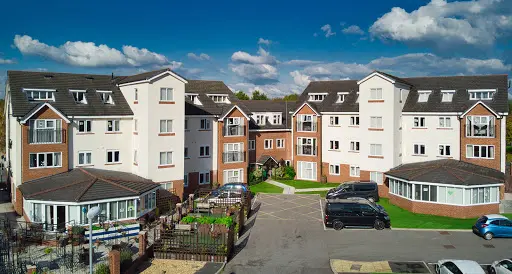
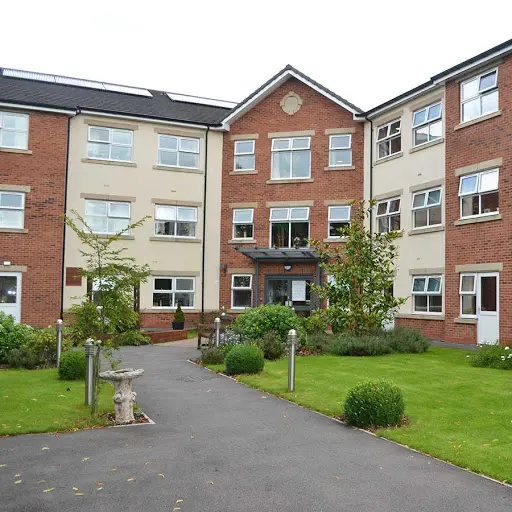
Broadoak Manor Care Home, on Mulcrow Close in St Helens, was rated Good across all five inspection domains at its last published inspection in February 2022. This is a meaningful improvement: the home had previously held a Requires Improvement rating, and achieving Good across every domain, including Safe, Effective, Caring, Responsive, and Well-led, demonstrates that the management team identified and addressed the issues that had been flagged. The home is a large nursing home with 120 beds, caring for adults over and under 65, including people with dementia, and is operated by HC-One No.1 Limited. The main uncertainty for families is that the published inspection summary contains very limited specific detail. There are no recorded observations of individual staff interactions, no quotes from residents or relatives, and no specifics on food, activities, or night staffing. A Good rating is reassuring, but at 120 beds this is a large home and the detail that would let you judge day-to-day life, how staff respond to a distressed person, what happens at 9pm on a Sunday, whether your parent would have one-to-one time, is simply not in the published text. Visit at a varied time, ideally including a mealtime, and use the checklist questions in this report to fill those gaps yourself.
The three questions to ask when you visitSave this home. Compare it against your shortlist.
Let our analysis show you how Broadoak Manor Care Home measures up against the other homes you’re considering. Free account.
In Their Own Words
How Broadoak Manor Care Home describes itself — collected from its own website. DCC has not edited or independently verified the content in this tab.
Compassionate end-of-life care in a home facing care quality challenges
Nursing home in St Helens: True Peace of Mind
Broadoak Manor Care Home in St Helens provides care for adults over and under 65, including those living with dementia. While families have shared moving accounts of staff providing comfort during their loved ones' final days, the home faces serious concerns about hygiene standards and management responsiveness that families should carefully consider.
Who they care for
The home cares for adults both over and under 65, with specific experience supporting residents living with dementia.
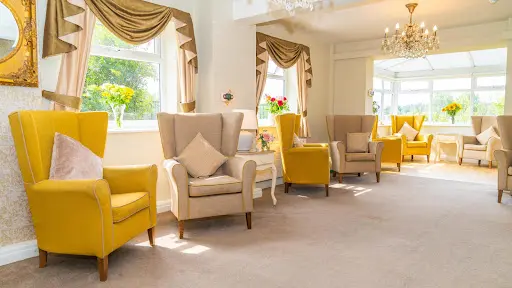
Staff demonstrate hands-on approaches to dementia care, including physical comfort techniques and de-escalation strategies for residents experiencing distress. The home maintains appropriate seating arrangements for residents with mobility limitations.
“Given the mixed experiences families have shared, visiting Broadoak Manor and asking specific questions about hygiene protocols and complaint procedures would be essential before making any care decisions.”
DCC does not edit or curate content in this tab. For independently curated information, see The Evidence and DCC Verdict.
The DCC Verdict
Our editorial view, built from the three lenses: what families tell us, what inspectors record, and how the home sits against good dementia-care practice.
DCC Family Score
Broadoak Manor Care Home scores 73 out of 100, reflecting a genuine improvement from a previous Requires Improvement rating to a Good across all five domains. The score is held back by limited specific detail in the published inspection text on activities, food, and direct resident observations.
Homes in North West typically score 68–82.The three-lens summary
What families tell us
During end-of-life care, staff have shown genuine emotional investment, spending personal time with residents and providing thoughtful support to grieving families. Families describe staff physically comforting residents with dementia through hand-holding and gentle de-escalation when distress arises.
What inspectors have recorded
How it sits against good practice
Given the mixed experiences families have shared, visiting Broadoak Manor and asking specific questions about hygiene protocols and complaint procedures would be essential before making any care decisions.
Worth a visit
Broadoak Manor Care Home, on Mulcrow Close in St Helens, was rated Good across all five inspection domains at its last published inspection in February 2022. This is a meaningful improvement: the home had previously held a Requires Improvement rating, and achieving Good across every domain, including Safe, Effective, Caring, Responsive, and Well-led, demonstrates that the management team identified and addressed the issues that had been flagged. The home is a large nursing home with 120 beds, caring for adults over and under 65, including people with dementia, and is operated by HC-One No.1 Limited. The main uncertainty for families is that the published inspection summary contains very limited specific detail. There are no recorded observations of individual staff interactions, no quotes from residents or relatives, and no specifics on food, activities, or night staffing. A Good rating is reassuring, but at 120 beds this is a large home and the detail that would let you judge day-to-day life, how staff respond to a distressed person, what happens at 9pm on a Sunday, whether your parent would have one-to-one time, is simply not in the published text. Visit at a varied time, ideally including a mealtime, and use the checklist questions in this report to fill those gaps yourself.
The three questions to ask when you visitSave this home. Compare it against your shortlist.
Let our analysis show you how Broadoak Manor Care Home measures up against the other homes you’re considering. Free account.
In Their Own Words
How Broadoak Manor Care Home describes itself — collected from its own website. DCC has not edited or independently verified the content in this tab.
Compassionate end-of-life care in a home facing care quality challenges
Nursing home in St Helens: True Peace of Mind
Broadoak Manor Care Home in St Helens provides care for adults over and under 65, including those living with dementia. While families have shared moving accounts of staff providing comfort during their loved ones' final days, the home faces serious concerns about hygiene standards and management responsiveness that families should carefully consider.
Who they care for
The home cares for adults both over and under 65, with specific experience supporting residents living with dementia.
Staff demonstrate hands-on approaches to dementia care, including physical comfort techniques and de-escalation strategies for residents experiencing distress. The home maintains appropriate seating arrangements for residents with mobility limitations.
“Given the mixed experiences families have shared, visiting Broadoak Manor and asking specific questions about hygiene protocols and complaint procedures would be essential before making any care decisions.”
DCC does not edit or curate content in this tab. For independently curated information, see The Evidence and DCC Verdict.