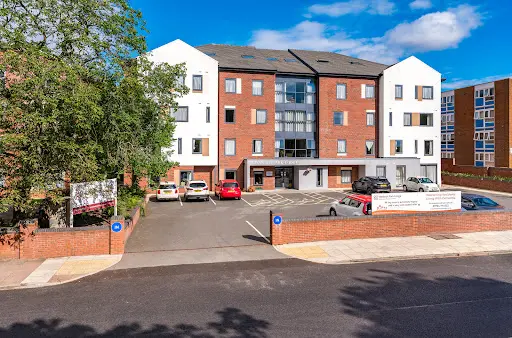
Highpoint Care: Colliers Croft Care Home (Saint Helens)
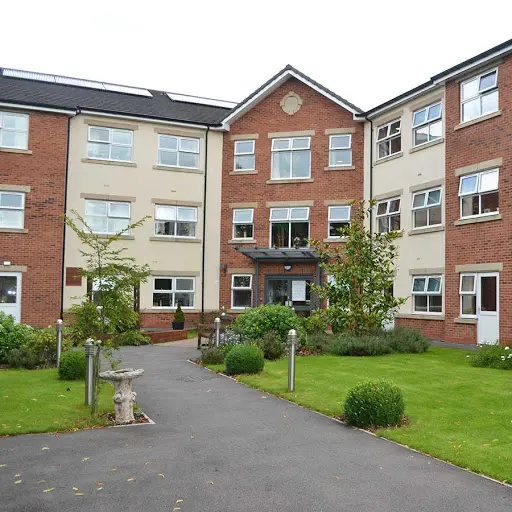
At a Glance
The information you need to decide whether this home warrants a closer look.
Residential homes
Staff warmth score
of reviewers answered yes
Good to know
- Registered beds62
- SpecialismsCaring for adults over 65 yrs, Dementia
- Last inspected2017-09-16
Save Highpoint Care: Colliers Croft Care Home (Saint Helens) to your shortlist
Keep a running list, add visit notes, and compare homes side-by-side. Free account — it takes a minute.
STAGE 4 — RESEARCHING CARE HOMES
Visit homes. Compare them side by side. Choose with confidence.
Most of us will view care homes the way we view houses, impression, atmosphere, the feeling in the corridor. We go home, try to remember what we saw, and make a permanent decision from a blurred memory.

The DCC shortlist gives every home you visit a structured record: the same twelve questions, answered the same way, every time. When you’re ready to choose, pull any two homes side by side and compare them directly. Same criteria, same evidence, your notes and your scores.
The Evidence
What the review data, the inspection reports, and the dementia-care evidence base tell us about this home.
What families say
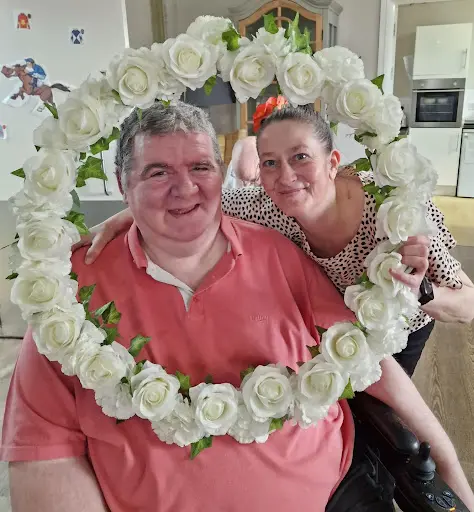
Families describe a place where their relatives have genuinely settled and found contentment. There's talk of residents who were initially reluctant about moving into care but who now seem happy and emotionally stable. The weekly programme keeps people engaged — outings, seasonal celebrations, and activities that help residents stay connected to life beyond the home's walls.
The eight family priority themes
- Staff warmth72
- Compassion & dignity72
- Cleanliness70
- Activities & engagement68
- Food quality68
- Healthcare70
- Management & leadership72
- Resident happiness70
What inspectors found
Inspected 2017-09-16
Is this home safe?
Is the care effective?
The effective domain was rated Good at the February 2022 inspection. The published findings do not describe the content of care plans, the frequency of GP access, the nature of dementia training provided to staff, or how food quality and dietary needs are managed. The home is formally registered as a dementia specialism, confirming this is within its declared scope of practice. No specific concerns about effectiveness were raised in the published summary or the July 2023 monitoring review.Is this home caring?
The caring domain was rated Good at the February 2022 inspection. The published summary does not include inspector observations of staff interactions, descriptions of how residents are addressed, or accounts of how dignity and privacy are maintained in practice. No relatives or residents are quoted in the published findings. The Good rating indicates inspectors were satisfied with caring standards at the time of the visit, but the evidence base in the public domain is thin.Is the home responsive?
The responsive domain was rated Good at the February 2022 inspection. The published findings do not describe the activities programme, how one-to-one engagement is provided for people who cannot join group sessions, or how the home responds to individual preferences and changing needs. End-of-life planning is not addressed in the published summary. The July 2023 monitoring review raised no new concerns in this area.Is the home well-led?
The well-led domain was rated Good at the February 2022 inspection. Mrs Kerry Louise Baddley-Lomax is named as the registered manager, and Mr David Beattie is listed as nominated individual for the provider, Highpoint Care Limited. The published findings do not describe the manager's visibility on the floor, staff culture, governance systems, or how the home handles complaints and learning from incidents. No specific leadership concerns were raised in the July 2023 monitoring review.
Source: CQC inspection report →
What the evidence base says
The home cares for adults over 65, with particular experience in supporting people living with dementia. While the home welcomes residents with dementia, families haven't specifically detailed the specialised approaches used. The overall picture suggests residents with various care needs, including dementia, receive attentive and responsive support. All areas worth probing directly during a visit.
The DCC Verdict
Our editorial view, built from the three lenses: what families tell us, what inspectors record, and how the home sits against good dementia-care practice.
DCC Family Score
Colliers Croft Care Home holds a Good rating across all five inspection domains, which is a positive foundation, but the published inspection findings contain very limited specific detail, so scores reflect the official rating rather than rich observational evidence.
Homes in North West typically score 68–82.The three-lens summary
What families tell us
Families describe a place where their relatives have genuinely settled and found contentment. There's talk of residents who were initially reluctant about moving into care but who now seem happy and emotionally stable. The weekly programme keeps people engaged — outings, seasonal celebrations, and activities that help residents stay connected to life beyond the home's walls.
What inspectors have recorded
What stands out is how approachable and responsive the care team are. Families talk about staff who don't just wait to be asked but actively look for ways to help. During the particularly challenging lockdown periods, the team worked hard to help new residents settle despite the restrictions, showing real adaptability when families needed it most.
How it sits against good practice
Sometimes the measure of a care home isn't in grand promises but in how they handle the everyday moments and the difficult days. That seems to be what Colliers Croft understands.
Worth a visit
Colliers Croft Care Home, on Clipsley Lane in St Helens, was rated Good across all five inspection domains at its last full inspection in February 2022. A monitoring review carried out in July 2023 found no evidence requiring a change to that rating. The home is registered to care for up to 62 adults over 65, including people with dementia, and is run by Highpoint Care Limited with a named registered manager in post. The main limitation of this report is that the published inspection findings contain very little specific detail about what inspectors actually observed inside the home. A Good rating is a meaningful baseline, but it was awarded in February 2022, and the most recent full inspection is now more than two years old. Before making a decision, visit the home in person and use the checklist questions above, particularly around night staffing numbers, agency staff use, dementia-specific training, and how the home communicates with families. The answers will tell you far more than the rating alone.
The three questions to ask when you visitSave this home. Compare it against your shortlist.
Let our analysis show you how Highpoint Care: Colliers Croft Care Home (Saint Helens) measures up against the other homes you’re considering. Free account.
In Their Own Words
How Highpoint Care: Colliers Croft Care Home (Saint Helens) describes itself — collected from its own website. DCC has not edited or independently verified the content in this tab.
Where families find comfort through life's hardest moments
Dedicated residential home Support in St Helens
When you're looking for care in St Helens, you need somewhere that understands what really matters. Colliers Croft Care Home has built its reputation on supporting families through difficult transitions, whether that's helping someone settle into residential care or providing gentle support during their final chapter. The care team here seems to grasp that looking after someone means looking after their whole family too.
Who they care for
The home cares for adults over 65, with particular experience in supporting people living with dementia.
While the home welcomes residents with dementia, families haven't specifically detailed the specialised approaches used. The overall picture suggests residents with various care needs, including dementia, receive attentive and responsive support.
“Sometimes the measure of a care home isn't in grand promises but in how they handle the everyday moments and the difficult days. That seems to be what Colliers Croft understands.”
DCC does not edit or curate content in this tab. For independently curated information, see The Evidence and DCC Verdict.
The DCC Verdict
Our editorial view, built from the three lenses: what families tell us, what inspectors record, and how the home sits against good dementia-care practice.
DCC Family Score
Colliers Croft Care Home holds a Good rating across all five inspection domains, which is a positive foundation, but the published inspection findings contain very limited specific detail, so scores reflect the official rating rather than rich observational evidence.
Homes in North West typically score 68–82.The three-lens summary
What families tell us
Families describe a place where their relatives have genuinely settled and found contentment. There's talk of residents who were initially reluctant about moving into care but who now seem happy and emotionally stable. The weekly programme keeps people engaged — outings, seasonal celebrations, and activities that help residents stay connected to life beyond the home's walls.
What inspectors have recorded
What stands out is how approachable and responsive the care team are. Families talk about staff who don't just wait to be asked but actively look for ways to help. During the particularly challenging lockdown periods, the team worked hard to help new residents settle despite the restrictions, showing real adaptability when families needed it most.
How it sits against good practice
Sometimes the measure of a care home isn't in grand promises but in how they handle the everyday moments and the difficult days. That seems to be what Colliers Croft understands.
Worth a visit
Colliers Croft Care Home, on Clipsley Lane in St Helens, was rated Good across all five inspection domains at its last full inspection in February 2022. A monitoring review carried out in July 2023 found no evidence requiring a change to that rating. The home is registered to care for up to 62 adults over 65, including people with dementia, and is run by Highpoint Care Limited with a named registered manager in post. The main limitation of this report is that the published inspection findings contain very little specific detail about what inspectors actually observed inside the home. A Good rating is a meaningful baseline, but it was awarded in February 2022, and the most recent full inspection is now more than two years old. Before making a decision, visit the home in person and use the checklist questions above, particularly around night staffing numbers, agency staff use, dementia-specific training, and how the home communicates with families. The answers will tell you far more than the rating alone.
The three questions to ask when you visitSave this home. Compare it against your shortlist.
Let our analysis show you how Highpoint Care: Colliers Croft Care Home (Saint Helens) measures up against the other homes you’re considering. Free account.
In Their Own Words
How Highpoint Care: Colliers Croft Care Home (Saint Helens) describes itself — collected from its own website. DCC has not edited or independently verified the content in this tab.
Where families find comfort through life's hardest moments
Dedicated residential home Support in St Helens
When you're looking for care in St Helens, you need somewhere that understands what really matters. Colliers Croft Care Home has built its reputation on supporting families through difficult transitions, whether that's helping someone settle into residential care or providing gentle support during their final chapter. The care team here seems to grasp that looking after someone means looking after their whole family too.
Who they care for
The home cares for adults over 65, with particular experience in supporting people living with dementia.
While the home welcomes residents with dementia, families haven't specifically detailed the specialised approaches used. The overall picture suggests residents with various care needs, including dementia, receive attentive and responsive support.
Management & ethos
What stands out is how approachable and responsive the care team are. Families talk about staff who don't just wait to be asked but actively look for ways to help. During the particularly challenging lockdown periods, the team worked hard to help new residents settle despite the restrictions, showing real adaptability when families needed it most.
The home & environment
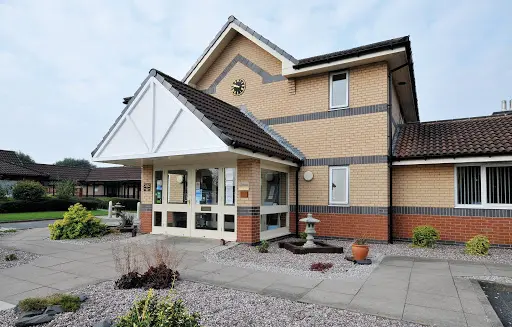
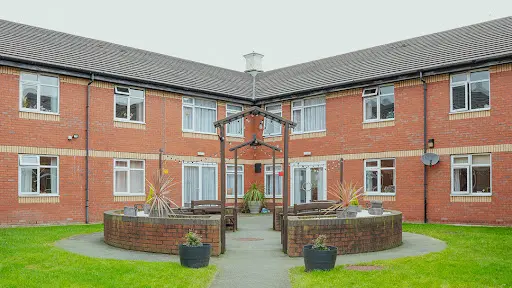
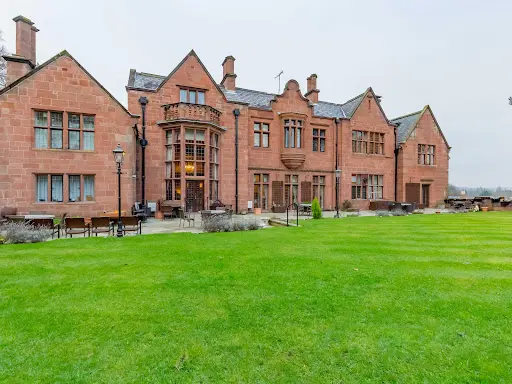
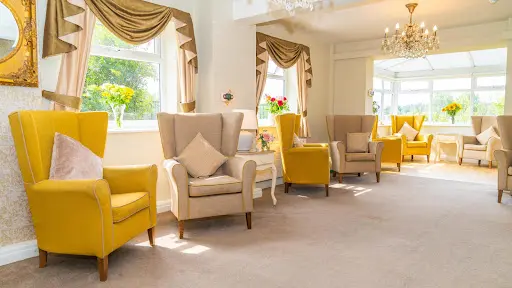
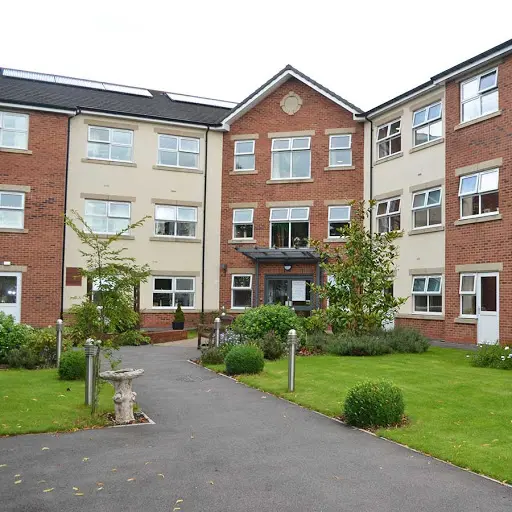
The kitchen prepares all meals on-site, and families mention the food being both tasty and nicely presented. Residents can make their bedrooms their own with personal touches, while the communal spaces strike that balance between comfortable and practical. There's attention to creating an environment that feels welcoming rather than institutional.
“Sometimes the measure of a care home isn't in grand promises but in how they handle the everyday moments and the difficult days. That seems to be what Colliers Croft understands.”
DCC does not edit or curate content in this tab. For independently curated information, see The Evidence and DCC Verdict.