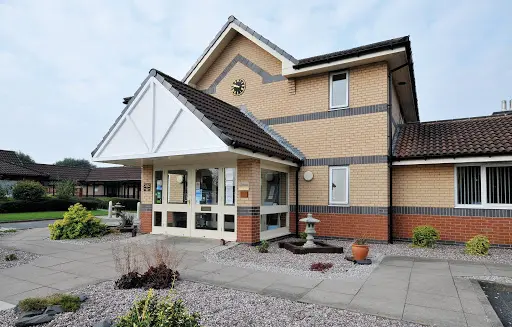
Abbeyrose Court Nursing Home
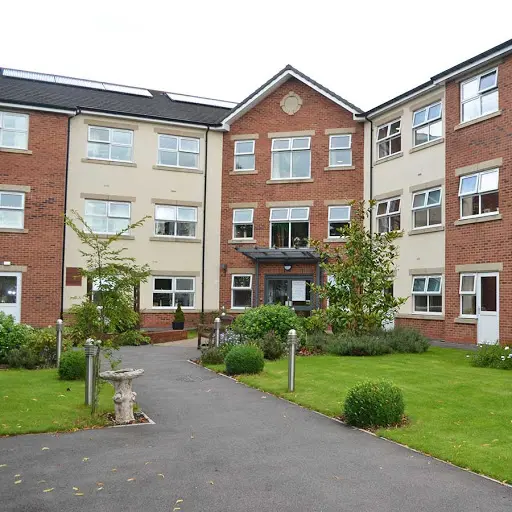
At a Glance
The information you need to decide whether this home warrants a closer look.
Nursing homes
Staff warmth score
of reviewers answered yes
Good to know
- Registered beds46
- SpecialismsCaring for adults over 65 yrs, Caring for adults under 65 yrs, Dementia, Physical disabilities
- Last inspected2022-05-20
Save Abbeyrose Court Nursing Home to your shortlist
Keep a running list, add visit notes, and compare homes side-by-side. Free account — it takes a minute.
STAGE 4 — RESEARCHING CARE HOMES
Visit homes. Compare them side by side. Choose with confidence.
Most of us will view care homes the way we view houses, impression, atmosphere, the feeling in the corridor. We go home, try to remember what we saw, and make a permanent decision from a blurred memory.

The DCC shortlist gives every home you visit a structured record: the same twelve questions, answered the same way, every time. When you’re ready to choose, pull any two homes side by side and compare them directly. Same criteria, same evidence, your notes and your scores.
The Evidence
What the review data, the inspection reports, and the dementia-care evidence base tell us about this home.
What families say
Families consistently notice how staff create genuine connections with residents, working with commitment that goes well beyond professional duty. The atmosphere feels welcoming rather than institutional, with staff showing real friendliness toward both residents and their relatives. People describe feeling included in care decisions and appreciated as partners in their loved one's journey.
The eight family priority themes
- Staff warmth72
- Compassion & dignity72
- Cleanliness72
- Activities & engagement65
- Food quality65
- Healthcare70
- Management & leadership75
- Resident happiness70
What inspectors found
Inspected 2022-05-20
Is this home safe?
Is the care effective?
The Effective domain was rated Good at the April 2022 inspection. This domain covers how well staff understand and meet the health and care needs of the people who live there, including care planning, training, nutrition, and access to healthcare professionals such as GPs. Dementia is listed as a specialism, which means the home should have specific training and care approaches for people living with dementia. The published summary does not describe the content of care plans, the frequency of reviews, or specific examples of dementia care training. No concerns about medicines or healthcare access are flagged.Is this home caring?
The Caring domain was rated Good at the April 2022 inspection. Inspectors found that the standard of care met the requirements for this domain, which covers staff warmth, dignity, respect, privacy, and support for independence. The published summary does not include direct quotes from residents or relatives, nor does it describe specific observations such as staff using preferred names, knocking before entering rooms, or responding to distress. The absence of Requires Improvement or Inadequate concerns in this domain is positive, but the evidence available is limited to the rating itself.Is the home responsive?
The Responsive domain was rated Good at the April 2022 inspection. This domain covers whether the home meets individuals' needs and preferences, including activities, engagement, and end-of-life planning. The published summary does not describe specific activities, how they are tailored to individual residents, or what provision exists for people with advanced dementia who cannot join group sessions. No concerns about disengaged residents or unmet preferences are noted. The improvement from Requires Improvement to Good suggests that earlier concerns in this area, if any existed, were addressed.Is the home well-led?
The Well-led domain was rated Good at the April 2022 inspection, improving from Requires Improvement. A named registered manager, Miss Emilia Jagla, is in post, and a nominated individual, Mr Harjinder Kumar Chawdary, holds organisational oversight. The improvement across all five domains between inspections indicates that the leadership team identified problems and put effective changes in place. The published summary does not describe the manager's tenure, how staff are supported or empowered to raise concerns, or how the home involves families in its quality processes.
Source: CQC inspection report →
What the evidence base says
Abbeyrose Court cares for adults both under and over 65, including those living with dementia or physical disabilities. They also provide respite care, offering temporary support when families need a break. The team shows real understanding of how dementia affects each person differently, adjusting care plans as needs change. They work closely with families to maintain connections and ensure residents feel secure and valued throughout their journey with the condition. All areas worth probing directly during a visit.
The DCC Verdict
Our editorial view, built from the three lenses: what families tell us, what inspectors record, and how the home sits against good dementia-care practice.
DCC Family Score
Abbeyrose Court scores 74 out of 100, reflecting a genuine improvement from its previous Requires Improvement rating to Good across all five inspection domains. The score sits in the positive-but-general range because the published inspection text does not contain enough specific observations, direct quotes, or detailed examples to push individual themes higher with confidence.
Homes in North West typically score 68–82.The three-lens summary
What families tell us
Families consistently notice how staff create genuine connections with residents, working with commitment that goes well beyond professional duty. The atmosphere feels welcoming rather than institutional, with staff showing real friendliness toward both residents and their relatives. People describe feeling included in care decisions and appreciated as partners in their loved one's journey.
What inspectors have recorded
The management team responds quickly when families raise concerns, addressing issues immediately rather than letting them linger. They maintain open communication channels with relatives about care decisions, finances, and coordination with hospitals or social services. Staff show particular strength in providing compassionate end-of-life care, supporting both residents and families through difficult transitions with sensitivity to spiritual needs.
How it sits against good practice
If you're looking for care that combines professional expertise with genuine human kindness, Abbeyrose Court could be worth exploring for your family.
Worth a visit
Abbeyrose Court, on Piele Road in St. Helens, was rated Good at its inspection in April 2022, with all five domains rated Good. This is a meaningful improvement from its previous rating of Requires Improvement, and it tells you that inspectors found the home had addressed earlier concerns across safety, care quality, staffing, and leadership. The home cares for up to 46 people, including adults living with dementia and people with physical disabilities, and is run by Essential Healthcare 2020 Limited with a named registered manager in post. The main limitation of this report is that the published inspection text is brief and does not contain the specific observations, resident quotes, or detailed examples that would allow a confident family assessment. The Good rating is a solid foundation, but it tells you the home passed inspection rather than painting a detailed picture of daily life. On a visit, ask the manager to show you the actual staffing rota for the last two weeks, including night shifts, and ask how many of those shifts were covered by the permanent team rather than agency staff. Walk the dementia unit and notice whether staff use residents' preferred names and whether the environment includes clear signage and familiar cues. These are the details that matter most and that the published findings do not yet answer.
The three questions to ask when you visitSave this home. Compare it against your shortlist.
Let our analysis show you how Abbeyrose Court Nursing Home measures up against the other homes you’re considering. Free account.
In Their Own Words
How Abbeyrose Court Nursing Home describes itself — collected from its own website. DCC has not edited or independently verified the content in this tab.
Where kindness meets expertise in St. Helens dementia care
Abbeyrose Court – Expert Care in St. Helens
When families talk about Abbeyrose Court in St. Helens, they describe something special — staff who genuinely care, not just clock in. This North West care home has built its reputation on treating residents with real warmth and dignity, particularly during life's most challenging moments. The team here understands that good care means knowing each person's story, not just their medical notes.
Who they care for
Abbeyrose Court cares for adults both under and over 65, including those living with dementia or physical disabilities. They also provide respite care, offering temporary support when families need a break.
The team shows real understanding of how dementia affects each person differently, adjusting care plans as needs change. They work closely with families to maintain connections and ensure residents feel secure and valued throughout their journey with the condition.
“If you're looking for care that combines professional expertise with genuine human kindness, Abbeyrose Court could be worth exploring for your family.”
DCC does not edit or curate content in this tab. For independently curated information, see The Evidence and DCC Verdict.
The DCC Verdict
Our editorial view, built from the three lenses: what families tell us, what inspectors record, and how the home sits against good dementia-care practice.
DCC Family Score
Abbeyrose Court scores 74 out of 100, reflecting a genuine improvement from its previous Requires Improvement rating to Good across all five inspection domains. The score sits in the positive-but-general range because the published inspection text does not contain enough specific observations, direct quotes, or detailed examples to push individual themes higher with confidence.
Homes in North West typically score 68–82.The three-lens summary
What families tell us
Families consistently notice how staff create genuine connections with residents, working with commitment that goes well beyond professional duty. The atmosphere feels welcoming rather than institutional, with staff showing real friendliness toward both residents and their relatives. People describe feeling included in care decisions and appreciated as partners in their loved one's journey.
What inspectors have recorded
The management team responds quickly when families raise concerns, addressing issues immediately rather than letting them linger. They maintain open communication channels with relatives about care decisions, finances, and coordination with hospitals or social services. Staff show particular strength in providing compassionate end-of-life care, supporting both residents and families through difficult transitions with sensitivity to spiritual needs.
How it sits against good practice
If you're looking for care that combines professional expertise with genuine human kindness, Abbeyrose Court could be worth exploring for your family.
Worth a visit
Abbeyrose Court, on Piele Road in St. Helens, was rated Good at its inspection in April 2022, with all five domains rated Good. This is a meaningful improvement from its previous rating of Requires Improvement, and it tells you that inspectors found the home had addressed earlier concerns across safety, care quality, staffing, and leadership. The home cares for up to 46 people, including adults living with dementia and people with physical disabilities, and is run by Essential Healthcare 2020 Limited with a named registered manager in post. The main limitation of this report is that the published inspection text is brief and does not contain the specific observations, resident quotes, or detailed examples that would allow a confident family assessment. The Good rating is a solid foundation, but it tells you the home passed inspection rather than painting a detailed picture of daily life. On a visit, ask the manager to show you the actual staffing rota for the last two weeks, including night shifts, and ask how many of those shifts were covered by the permanent team rather than agency staff. Walk the dementia unit and notice whether staff use residents' preferred names and whether the environment includes clear signage and familiar cues. These are the details that matter most and that the published findings do not yet answer.
The three questions to ask when you visitSave this home. Compare it against your shortlist.
Let our analysis show you how Abbeyrose Court Nursing Home measures up against the other homes you’re considering. Free account.
In Their Own Words
How Abbeyrose Court Nursing Home describes itself — collected from its own website. DCC has not edited or independently verified the content in this tab.
Where kindness meets expertise in St. Helens dementia care
Abbeyrose Court – Expert Care in St. Helens
When families talk about Abbeyrose Court in St. Helens, they describe something special — staff who genuinely care, not just clock in. This North West care home has built its reputation on treating residents with real warmth and dignity, particularly during life's most challenging moments. The team here understands that good care means knowing each person's story, not just their medical notes.
Who they care for
Abbeyrose Court cares for adults both under and over 65, including those living with dementia or physical disabilities. They also provide respite care, offering temporary support when families need a break.
The team shows real understanding of how dementia affects each person differently, adjusting care plans as needs change. They work closely with families to maintain connections and ensure residents feel secure and valued throughout their journey with the condition.
Management & ethos
The management team responds quickly when families raise concerns, addressing issues immediately rather than letting them linger. They maintain open communication channels with relatives about care decisions, finances, and coordination with hospitals or social services. Staff show particular strength in providing compassionate end-of-life care, supporting both residents and families through difficult transitions with sensitivity to spiritual needs.
The home & environment
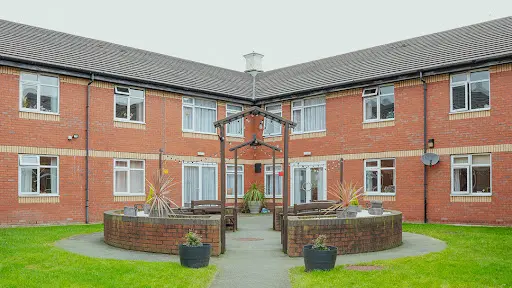
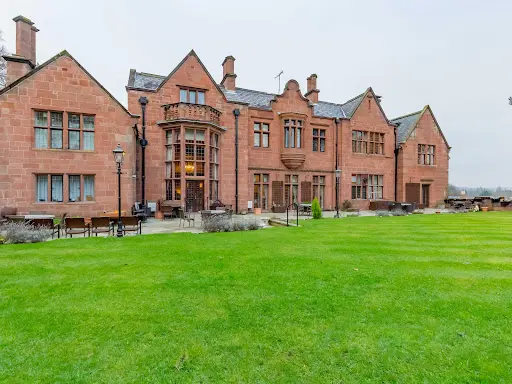
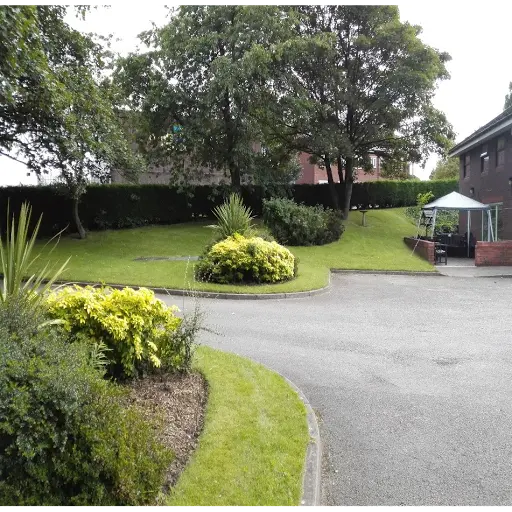
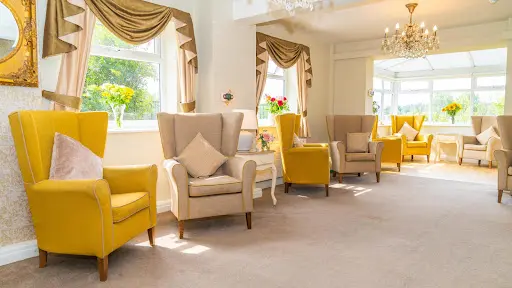
The home maintains clean, comfortable spaces throughout, with accessible areas for spiritual reflection and leisure activities. While the building isn't luxurious — managers are gradually updating different areas — families report that this doesn't affect the quality of care. The environment feels safe and well-maintained, with proper attention to cleanliness standards.
“If you're looking for care that combines professional expertise with genuine human kindness, Abbeyrose Court could be worth exploring for your family.”
DCC does not edit or curate content in this tab. For independently curated information, see The Evidence and DCC Verdict.