Prince Alfred Residential Care Home – Sanctuary Care
At a Glance
The information you need to decide whether this home warrants a closer look.
Residential homes
Staff warmth score
of reviewers answered yes
Good to know
- Registered beds50
- SpecialismsCaring for adults over 65 yrs, Caring for adults under 65 yrs, Dementia, Learning disabilities
- Last inspected2022-07-23
Save Prince Alfred Residential Care Home – Sanctuary Care to your shortlist
Keep a running list, add visit notes, and compare homes side-by-side. Free account — it takes a minute.
STAGE 4 — RESEARCHING CARE HOMES
Visit homes. Compare them side by side. Choose with confidence.
Most of us will view care homes the way we view houses, impression, atmosphere, the feeling in the corridor. We go home, try to remember what we saw, and make a permanent decision from a blurred memory.

The DCC shortlist gives every home you visit a structured record: the same twelve questions, answered the same way, every time. When you’re ready to choose, pull any two homes side by side and compare them directly. Same criteria, same evidence, your notes and your scores.
The Evidence
What the review data, the inspection reports, and the dementia-care evidence base tell us about this home.
What families say
Families visiting here often comment on how content their relatives seem — engaged in activities, comfortable in their surroundings, and visibly well-cared for. The staff take time to chat with residents throughout the day, offering drinks and snacks without being asked, and showing real interest in how everyone's feeling.
The eight family priority themes
- Staff warmth85
- Compassion & dignity92
- Cleanliness72
- Activities & engagement72
- Food quality68
- Healthcare72
- Management & leadership78
- Resident happiness78
What inspectors found
Inspected 2022-07-23
Is this home safe?
Is the care effective?
The Effective domain was rated Good at the May 2024 inspection. This covers care planning, training, healthcare access, and nutrition. The home lists dementia as a specialism, which means inspectors would have looked at whether staff have appropriate knowledge and skills for this client group. A Good rating indicates no significant failures were found. The published summary does not describe specific training programmes, care plan content, or GP access arrangements in detail.Is this home caring?
The Caring domain was rated Outstanding at the May 2024 inspection. Outstanding is the highest rating available and is awarded only when inspectors find specific, strong evidence of compassionate, dignified, and person-centred care in practice. This rating covers how staff treat residents day to day: whether people are addressed respectfully, given choices, supported to maintain independence, and treated with genuine warmth. The published summary does not reproduce the specific observations or quotes that led to this rating, but the rating itself carries significant weight.Is the home responsive?
The Responsive domain was rated Good at the May 2024 inspection. This domain covers whether the home responds to individual needs and preferences, provides meaningful activities, and handles complaints appropriately. The home serves a mixed client group including people with dementia and people with learning disabilities, which requires a genuinely flexible approach to activity and engagement. The published summary does not describe specific activities, the activity programme, or how one-to-one engagement is provided for residents who cannot join group sessions.Is the home well-led?
The Well-led domain was rated Good at the May 2024 inspection. The home has a named registered manager, Mrs Lisa Illidge, and a nominated individual, Mrs Louise Palmer, both on record with the regulator. The home is operated by Sanctuary Care Limited. A Good Well-led rating indicates that governance systems, quality monitoring, and management culture were found to meet the required standard. The published summary does not describe manager tenure, staff culture, or how the home handles concerns raised by families.
Source: CQC inspection report →
What the evidence base says
Prince Alfred provides specialist support for people with dementia and learning disabilities, alongside general residential care for adults both under and over 65. The home's approach to dementia care focuses on maintaining dignity while ensuring safety, with staff trained to respond sensitively to the changing needs and emotions that come with the condition. All areas worth probing directly during a visit.
The DCC Verdict
Our editorial view, built from the three lenses: what families tell us, what inspectors record, and how the home sits against good dementia-care practice.
DCC Family Score
Prince Alfred Residential Care Home scores well overall, driven particularly by its Outstanding rating for Caring, which reflects strong specific evidence of staff kindness and dignity in practice. Scores for food, activities, and cleanliness are moderate because the inspection findings, while positive, do not include the specific detail or direct observation needed to rate them higher with confidence.
Homes in North West typically score 68–82.The three-lens summary
What families tell us
Families visiting here often comment on how content their relatives seem — engaged in activities, comfortable in their surroundings, and visibly well-cared for. The staff take time to chat with residents throughout the day, offering drinks and snacks without being asked, and showing real interest in how everyone's feeling.
What inspectors have recorded
The management team makes themselves available to families, taking a hands-on approach to understanding each resident's needs. Staff clearly feel supported to provide attentive care, creating a culture where small kindnesses happen naturally throughout the day.
How it sits against good practice
Sometimes the right place reveals itself through the small details — staff who remember how someone likes their tea, or a manager who knows every resident by name.
Worth a visit
Prince Alfred Residential Care Home in Liverpool was assessed in May 2024 and rated Good overall, with an Outstanding rating for Caring. This is a meaningful distinction: Outstanding for Caring is awarded to fewer than one in ten care homes inspected and requires inspectors to find specific, compelling evidence of staff kindness, dignity, and respect in practice, not simply a lack of complaints. The home is run by Sanctuary Care Limited and has a named registered manager in post, which is a basic but important indicator of stability. All five domains were rated Good or above. The main limitation of this report is that the published summary is brief and does not include the specific observations, quotes, or examples that would allow a fully detailed picture of day-to-day life. The Outstanding Caring rating is the standout finding and deserves significant weight, but families should visit in person to check the things the inspection does not cover in detail: night staffing ratios, agency staff use, the quality and choice of food, whether the environment is genuinely adapted for dementia, and what one-to-one engagement looks like for residents who cannot join group activities. Ask to speak to the registered manager, Mrs Lisa Illidge, directly during your visit.
The three questions to ask when you visitSave this home. Compare it against your shortlist.
Let our analysis show you how Prince Alfred Residential Care Home – Sanctuary Care measures up against the other homes you’re considering. Free account.
In Their Own Words
How Prince Alfred Residential Care Home – Sanctuary Care describes itself — collected from its own website. DCC has not edited or independently verified the content in this tab.
Where genuine warmth meets professional care in Liverpool
Dedicated residential home Support in Liverpool
For families seeking compassionate care that goes beyond the basics, Prince Alfred Residential Care Home in Liverpool offers something increasingly rare — staff who genuinely engage with residents as individuals. This well-established home creates an environment where people feel comfortable and valued, with careful attention paid to both the physical surroundings and emotional wellbeing of those who live there.
Who they care for
Prince Alfred provides specialist support for people with dementia and learning disabilities, alongside general residential care for adults both under and over 65.
The home's approach to dementia care focuses on maintaining dignity while ensuring safety, with staff trained to respond sensitively to the changing needs and emotions that come with the condition.
“Sometimes the right place reveals itself through the small details — staff who remember how someone likes their tea, or a manager who knows every resident by name.”
DCC does not edit or curate content in this tab. For independently curated information, see The Evidence and DCC Verdict.
The DCC Verdict
Our editorial view, built from the three lenses: what families tell us, what inspectors record, and how the home sits against good dementia-care practice.
DCC Family Score
Prince Alfred Residential Care Home scores well overall, driven particularly by its Outstanding rating for Caring, which reflects strong specific evidence of staff kindness and dignity in practice. Scores for food, activities, and cleanliness are moderate because the inspection findings, while positive, do not include the specific detail or direct observation needed to rate them higher with confidence.
Homes in North West typically score 68–82.The three-lens summary
What families tell us
Families visiting here often comment on how content their relatives seem — engaged in activities, comfortable in their surroundings, and visibly well-cared for. The staff take time to chat with residents throughout the day, offering drinks and snacks without being asked, and showing real interest in how everyone's feeling.
What inspectors have recorded
The management team makes themselves available to families, taking a hands-on approach to understanding each resident's needs. Staff clearly feel supported to provide attentive care, creating a culture where small kindnesses happen naturally throughout the day.
How it sits against good practice
Sometimes the right place reveals itself through the small details — staff who remember how someone likes their tea, or a manager who knows every resident by name.
Worth a visit
Prince Alfred Residential Care Home in Liverpool was assessed in May 2024 and rated Good overall, with an Outstanding rating for Caring. This is a meaningful distinction: Outstanding for Caring is awarded to fewer than one in ten care homes inspected and requires inspectors to find specific, compelling evidence of staff kindness, dignity, and respect in practice, not simply a lack of complaints. The home is run by Sanctuary Care Limited and has a named registered manager in post, which is a basic but important indicator of stability. All five domains were rated Good or above. The main limitation of this report is that the published summary is brief and does not include the specific observations, quotes, or examples that would allow a fully detailed picture of day-to-day life. The Outstanding Caring rating is the standout finding and deserves significant weight, but families should visit in person to check the things the inspection does not cover in detail: night staffing ratios, agency staff use, the quality and choice of food, whether the environment is genuinely adapted for dementia, and what one-to-one engagement looks like for residents who cannot join group activities. Ask to speak to the registered manager, Mrs Lisa Illidge, directly during your visit.
The three questions to ask when you visitSave this home. Compare it against your shortlist.
Let our analysis show you how Prince Alfred Residential Care Home – Sanctuary Care measures up against the other homes you’re considering. Free account.
In Their Own Words
How Prince Alfred Residential Care Home – Sanctuary Care describes itself — collected from its own website. DCC has not edited or independently verified the content in this tab.
Where genuine warmth meets professional care in Liverpool
Dedicated residential home Support in Liverpool
For families seeking compassionate care that goes beyond the basics, Prince Alfred Residential Care Home in Liverpool offers something increasingly rare — staff who genuinely engage with residents as individuals. This well-established home creates an environment where people feel comfortable and valued, with careful attention paid to both the physical surroundings and emotional wellbeing of those who live there.
Who they care for
Prince Alfred provides specialist support for people with dementia and learning disabilities, alongside general residential care for adults both under and over 65.
The home's approach to dementia care focuses on maintaining dignity while ensuring safety, with staff trained to respond sensitively to the changing needs and emotions that come with the condition.
Management & ethos
The management team makes themselves available to families, taking a hands-on approach to understanding each resident's needs. Staff clearly feel supported to provide attentive care, creating a culture where small kindnesses happen naturally throughout the day.
The home & environment
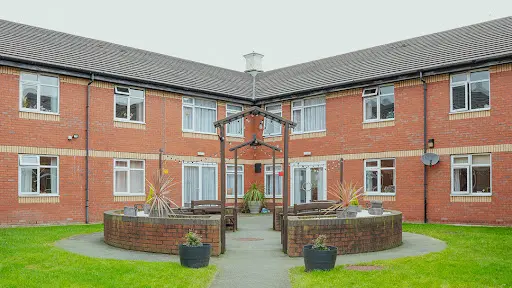
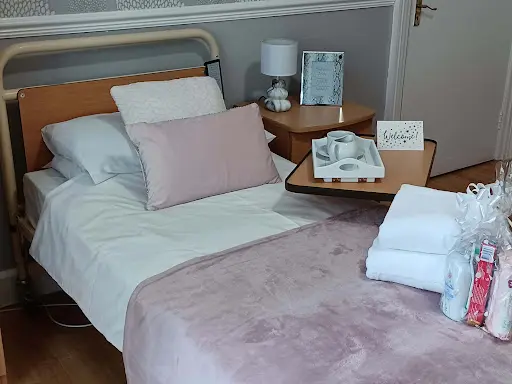
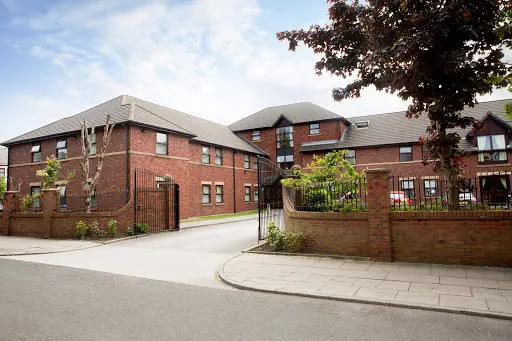
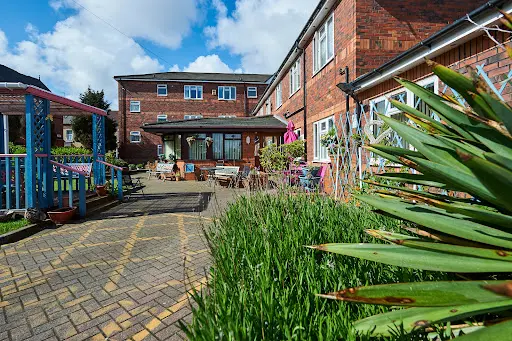
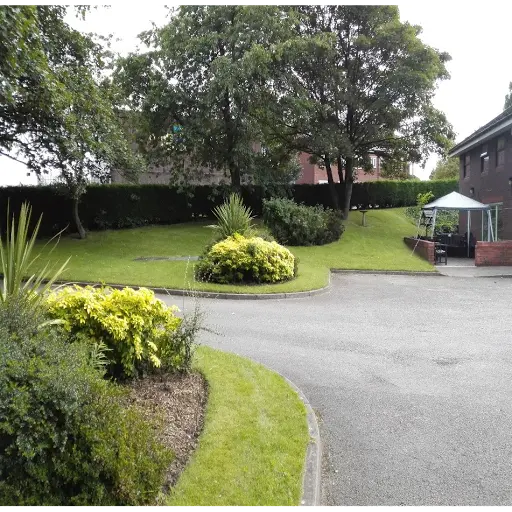
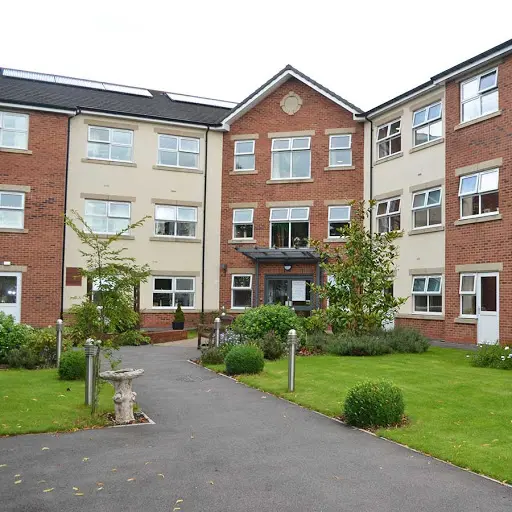
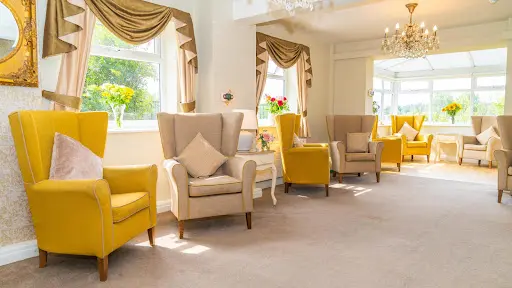
The home stands out for its cleanliness and thoughtful furnishing, maintained to a standard that families find reassuring. The gardens provide pleasant outdoor space, and the overall environment feels fresh and welcoming rather than institutional.
“Sometimes the right place reveals itself through the small details — staff who remember how someone likes their tea, or a manager who knows every resident by name.”
DCC does not edit or curate content in this tab. For independently curated information, see The Evidence and DCC Verdict.